REVIEW · RIO DE JANEIRO
Pedra da Gávea Trail with Guide
Book on Viator →Operated by Botas na Trilha Ecotur · Bookable on Viator
A rock climb with Rio views. The Pedra da Gávea trail is a tough Tijuca National Park hike through Atlantic forest, with steep steps where you use your hands and sometimes rope systems, chains, and fixed lines. I especially like the trained guidance—the guides are registered with Brazil’s Ministry of Tourism and bring climbing, first-aid, and jungle rescue training (RAS).
I also like how the guides turn the technical parts into clear, confident movement. Names that stood out in the guide team include Jessie and Daniel, with Vivi helping on at least one run; Jessie even waited for hours so the sky cleared for photos, and Daniel helped people stay calm at the most complicated moments. One consideration: this is not a casual stroll. The route is physically demanding, and it’s not recommended if you’re sedentary, because of the inclination and natural obstacles.
In This Review
- Key things that make this Pedra da Gávea tour different
- Pedra da Gávea in Tijuca National Park: the good kind of hard
- The Carrasqueira route: what makes it technical
- Stop-by-stop: the rock points you’ll use like wayfinding
- Pedra da Gávea area: the start of the work
- Gávea Plateau: where the effort starts paying off
- Cabeça do Imperador: steep terrain with a named target
- Pedra do Raio/Radius and the Pyramid: quick “look up” moments
- Cadeira, Carrasqueira: the route backbone
- Paredão and the Stone of the Ship: the drama finish
- Guides who manage both safety and nerves
- Timing and meeting point: start early, stay organized
- Price and value: what $78.41 really buys you
- What to bring (and what to prioritize) for a hard day
- Weather and route changes: plan for flexibility
- Who should book Pedra da Gávea with a guide
- Should you book Pedra da Gávea Trail with Botas na Trilha Ecotur?
- FAQ
- How long is the Pedra da Gávea Trail with a guide?
- Where do we meet for the tour?
- Is this tour private?
- Is the Pedra da Gávea trail suitable if I’m not very active?
- What technical parts should I expect on the trail?
- What viewpoints and rock points are part of the route?
- What happens if the weather is bad or I need to cancel?
Key things that make this Pedra da Gávea tour different

- Guides with real climbing + rescue training: Ministry of Tourism registration plus courses covering climbing, first aid, and jungle rescue (RAS).
- A difficult route with ropes, helmets, and fixed chains: you’ll negotiate roots/rocks and use climbing and rappelling technique on the Carrasqueira route.
- Photo-friendly landmarks you pass along the way: Gávea Plateau, Cabeça do Imperador, Pedra do Raio/Radius, Pyramid, Cadeira, Carrasqueira, Paredão, and the Stone of the Ship.
- Early start from Itanhangá (7:30 am): practical for daylight and usually better trail conditions.
- Boots and water are not optional: the hike is intense, and you’ll want solid footwear and enough water to keep going.
- Weather can shift the plan: the itinerary may change, and the tour can be postponed or canceled if conditions are poor.
Pedra da Gávea in Tijuca National Park: the good kind of hard
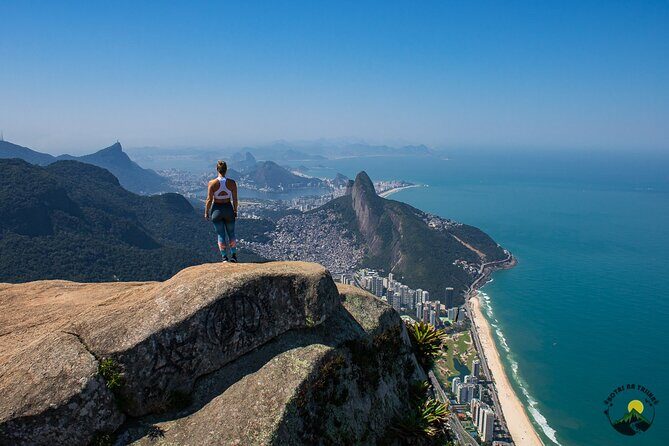
Pedra da Gávea is the kind of Rio adventure that feels both wild and controlled—wild because you’re in the Atlantic forest of Tijuca National Park, controlled because the guide helps you handle the technical rock sections safely. This is not “light hiking.” It’s climbing-adjacent movement where steep inclination and rough surfaces force you to pay attention, and that’s exactly why it feels so rewarding.
You’ll see a sequence of famous rock points that act like milestones. As you work along the Carrasqueira line, you pass formations such as the Cabeça do Imperador and the Gávea Plateau. Even if you’re not a rock-formation expert, the guide’s pacing helps you understand where you are and what’s coming next.
You can also read our reviews of more guided tours in Rio de Janeiro


The Carrasqueira route: what makes it technical
The trail is described as difficult due to inclination and natural obstacles—roots and rocks in particular. You’ll use your hands in some sections, and at other points you’ll use climbing equipment, with ropes and safety gear like seats and helmets. There are also sections that use chains already fixed in place, which can feel dramatic until someone shows you how to use them with calm body positioning.
The big takeaway for you: this tour is about safe movement on real terrain, not just sightseeing. The guide’s job is to get you through awkward steps and steep rock without rushing. If you’ve got fear of heights, that doesn’t automatically disqualify you, but you should be honest with your guide and focus on technique and breathing.
Stop-by-stop: the rock points you’ll use like wayfinding
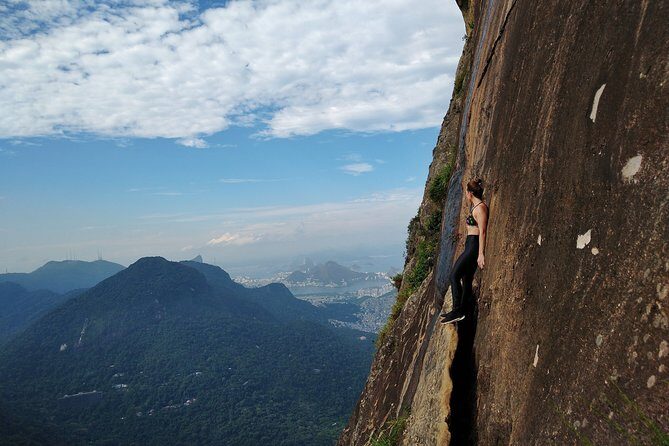
This hike is built around a chain of standout points of interest. You’ll likely move through them in an order determined by the day’s conditions, but it helps to know what names you’ll hear and what you’re looking for.
Pedra da Gávea area: the start of the work
You’ll begin at Pedra da Gávea and start working uphill early, with the day still fresh. This is the moment to settle your footing, get your water going, and tune in to the guide’s instructions. The first technical bits tend to set the rhythm: steady, careful, and focused on balance.
Gávea Plateau: where the effort starts paying off
As you make progress, the route leads toward the Gávea Plateau, a key landmark on this trail. The guide will use this as a mental checkpoint—proof that the early slog is moving you toward bigger views. Expect more time for photos once you’re in safer, steadier positions.






Cabeça do Imperador: steep terrain with a named target
You’ll reach Cabeça do Imperador, a named rock feature that signals you’re deep in the main action zone. This is the kind of point where the guide’s confidence matters most, because steepness and exposure can change how you feel even when your legs are strong. Listen closely, keep your weight where they suggest, and let the system do the work.
Pedra do Raio/Radius and the Pyramid: quick “look up” moments
Along the way you’ll pass Stone of Radius and the Pyramid. These stops are often brief but useful. They give you a chance to re-orient, check where your next move should go, and enjoy the views without losing momentum.
Cadeira, Carrasqueira: the route backbone
Two names matter for technique: Cadeira and Carrasqueira. The tour is specifically done via Carrasqueira using climbing and rappelling technique. That means you’ll spend time in the gear-and-hand-position phase of the day—where good instruction turns scary moves into doable ones.
In practical terms, you’ll want to be present here. Rushing is how mistakes happen on steep rock. Let the guide talk you through each movement, then copy the posture they show.
Paredão and the Stone of the Ship: the drama finish
Near the end, you’ll head toward Paredão and the Stone of the Ship. These are the kinds of named features that feel like a finish line because they’re visually striking and often connected to the most memorable viewpoints. You’ll still have to move carefully, but the mindset shifts: you’re closing out the technical section and earning the broader payoff.
Guides who manage both safety and nerves
This tour shines when it’s run by a guide who can do two things at once: handle technical instruction and manage nerves. In the experiences shared, Daniel is described as very experienced and good at giving confidence during the toughest moments. Jessie is also highlighted for being friendly, fluent in English, and attentive with patience—waiting for the sky to clear so people could get pictures.
I like that the guides don’t treat safety like paperwork. They treat it like a skill you learn in real time: how to position yourself, how to use climbing/rappelling technique, and how to stay relaxed when the trail demands focus. That’s especially valuable in Carrasqueira where you’ll be using rope-and-safety systems.
One more practical note: this tour is private, so it’s only your group. That makes it easier to get personalized attention if you’re unsure about a move, slower on steep sections, or working to manage fear of heights.
Timing and meeting point: start early, stay organized
You meet at Estr. Sorimã, 932 – Itanhangá, Rio de Janeiro – RJ, 22611-030. The start time is 7:30 am, and the activity ends back at the meeting point. It’s also listed as near public transportation, which helps if you don’t want to rely entirely on a car.
Why the early start matters: Pedra da Gávea is steep and technical. In the morning, you’re more likely to get steadier footing and better visibility for the viewpoints. You’ll also avoid feeling rushed later in the day, which makes the gear sections less stressful.
Price and value: what $78.41 really buys you
At $78.41 per person for around 8 hours, this isn’t a budget “walk in the park.” You’re paying for a guided experience built around difficult terrain, safety systems, and trained leadership. The value is in the technical competence—guides with climbing, first aid, and rescue training are a big part of what you’re buying.
It also helps that the tour is private for your group. When you compare it to generic group hikes that don’t include the same kind of technical guidance, this feels more like a skills-and-safety guided outing than just a nature walk.
If you want Rio views without taking on the stress of navigating exposed rock alone, a guided option like this tends to be worth the money.
What to bring (and what to prioritize) for a hard day
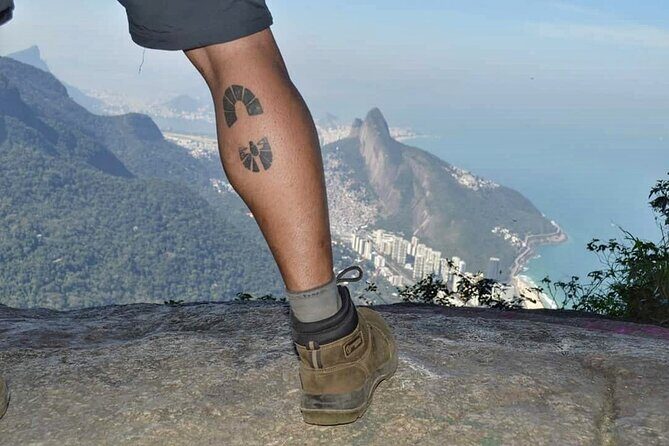
The main “bring this or suffer” items are simple: strong fitness, solid footwear, and enough water. The experiences shared put a clear emphasis on water, and boots are repeatedly praised—because this trail is rocky and steep, and you need grip for roots and uneven rock.
Here’s how I’d prioritize your packing for a day like this:
- Sturdy boots with good grip for roots, rock edges, and technical steps.
- Plenty of water (and don’t ration it too tightly early).
- Weather awareness since conditions can change, and the itinerary may be altered if needed.
You’ll also be dealing with rope-and-hardware sections, so focus on comfortable clothing that doesn’t snag easily. If you have any concerns about heights or confidence on steep terrain, tell the guide early so they can adjust your pace and coaching style.
Weather and route changes: plan for flexibility
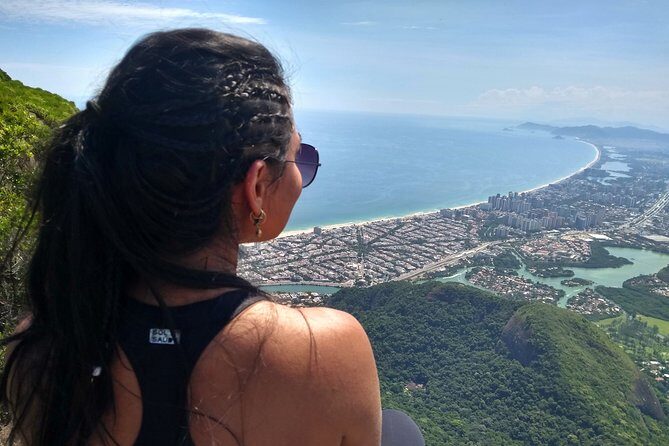
This experience requires good weather. If weather turns poor, the tour may be canceled, postponed, or adapted. The itinerary can change because safety comes first on a technical hike like Pedra da Gávea.
You’ll want to stay flexible in your Rio schedule. If you’re only in town for a day or two, it’s smart to keep an extra buffer day if possible, so you’re not stuck with a single non-movable hike.
Who should book Pedra da Gávea with a guide
This tour fits best if you:
- have strong physical fitness
- want a serious hike with real technical sections
- like guided instruction and want to learn safe rope/climbing movement
- want a private experience where the guide can pace you
It’s not a fit if you’re sedentary or looking for an easy nature walk. The inclination, obstacles, and the climbing/rappelling elements mean you’ll need to commit to the day.
If you’re an experienced hiker who’s comfortable on steep trails, you’ll probably enjoy it more because you can focus on technique and the views rather than just surviving the terrain. If you’re new to steep terrain, it can still work—just go in with humility, follow the guide’s cues, and take breaks when offered.
Should you book Pedra da Gávea Trail with Botas na Trilha Ecotur?
Book it if you want a Rio experience that mixes Atlantic forest with real rock-tech movement, and you’re happy to pay for trained leadership. The best part is the human side of safety: guides like Daniel and Jessie bring calm, clear instruction, and that makes the difference between feeling overwhelmed and feeling in control.
Skip it if you’re not ready for a difficult, technically demanding hike. The trail’s steepness, obstacles like roots and rocks, and the need to use rope systems and chains mean the day won’t feel casual.
If you’re willing to show up fit, bring good boots, and accept that weather can affect timing, this is the kind of hike that can leave you with more than photos—it leaves you with competence and confidence for tough terrain in Rio.
FAQ
How long is the Pedra da Gávea Trail with a guide?
The duration is about 8 hours.
Where do we meet for the tour?
You meet at Estr. Sorimã, 932 – Itanhangá, Rio de Janeiro – RJ, 22611-030, Brazil.
Is this tour private?
Yes. It’s a private tour/activity, and only your group participates.
Is the Pedra da Gávea trail suitable if I’m not very active?
It’s not recommended for sedentary people. The hike requires strong physical fitness.
What technical parts should I expect on the trail?
Expect difficult sections with roots and rocks where you use your hands, plus climbing and rappelling technique using equipment such as ropes, brakes, seats, and helmets. Some parts use chains fixed in place.
What viewpoints and rock points are part of the route?
You’ll see several named points of interest, including the Gávea Plateau, Cabeça do Imperador, Stone of Radius, Pyramid, Cadeira, Carrasqueira, Paredão, and the Stone of the Ship.
What happens if the weather is bad or I need to cancel?
If the experience is canceled due to poor weather, you’ll be offered a different date or a full refund. You can cancel for a full refund up to 24 hours before the experience’s start time. If you cancel less than 24 hours before, the amount paid is not refunded.