REVIEW · RIO DE JANEIRO
Rio de Janeiro: Brazilian Cooking Class in Rio de Janeiro
Book on GetYourGuide →Operated by Gregtur Tourism · Bookable on GetYourGuide
Cooking classes can be fun. This one is hands-on Rio.
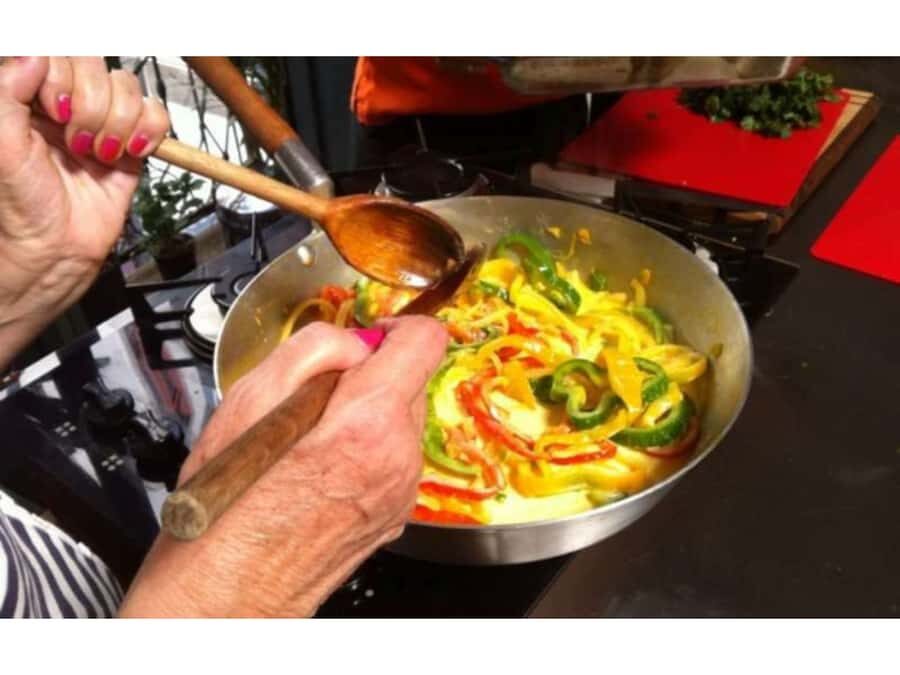
In Copacabana, Chef Simone runs a small-group, cook-your-own Brazilian cooking class where you make favorites like Seafood Moqueca (some days) and Feijoada (others). I love that you’re not just watching a show—you’re actually doing the prep and cooking. I also like the menu structure: breakfast-for-dinner style, with multiple courses, drinks, and a dessert you don’t fully control (in a good way). One consideration: the class is listed as 3 hours, but the experience is described as a 4-hour cooking class, so expect it to run on the longer side if your group is chatty and the kitchen is busy.
The format is designed for people with zero experience. You’ll get instruction in Portuguese, English, and Spanish, and the class caps at 7 participants, which keeps things personal. Expect a friendly, social vibe—one reason this works well in Rio’s Copacabana area is that you’re tasting and talking while everything cooks.
In This Review
- Key things that make this class worth your time
- Copacabana kitchen time: what you’re really buying
- Your menu: the Brazilian comfort-food arc, course by course
- The “start strong” courses: fried cheese and spicy-sweet contrast
- The drinks are part of the lesson: caipirinha and batida de coco
- The main event: Feijoada or Seafood Moqueca (your day decides)
- The supporting cast: cassava sticks, farofa, and flavored rice
- Dessert: the surprise factor that makes the class feel local
- How the class usually runs in the 3-hour window
- 1) Meet the instructor and get set up
- 2) Prep stations and cooking in stages
- 3) Eat the meal, then toast together
- Chef Simone’s style: friendly, social, and tuned for real questions
- Moqueca vs Feijoada: which one will fit your taste
- Price and value: what $220 actually covers
- Practical logistics for Copacabana-area cooking
- Who this class is perfect for
- Should you book this Brazilian cooking class in Rio?
- FAQ
- How long is the cooking class?
- What do you cook in the class?
- Which main dish do you make in each part of the week?
- Do I need any cooking experience?
- What’s included in the price?
- Is transportation included?
- What languages are offered?
Key things that make this class worth your time
- Cook 7 Brazilian favorites in a structured, hands-on format
- Day-specific mains: Moqueca on Mondays, Wednesdays, and Fridays; Feijoada on Saturdays
- Small groups (max 7) mean more attention while you chop, sauté, and plate
- You’ll drink as you go: caipirinha plus batida de coco, with food-friendly pacing
- Dessert varies based on seasonal fruit or classic Brazilian sweets like brigadeiro
- You dine together and toast the results with the instructor after the cooking
Copacabana kitchen time: what you’re really buying
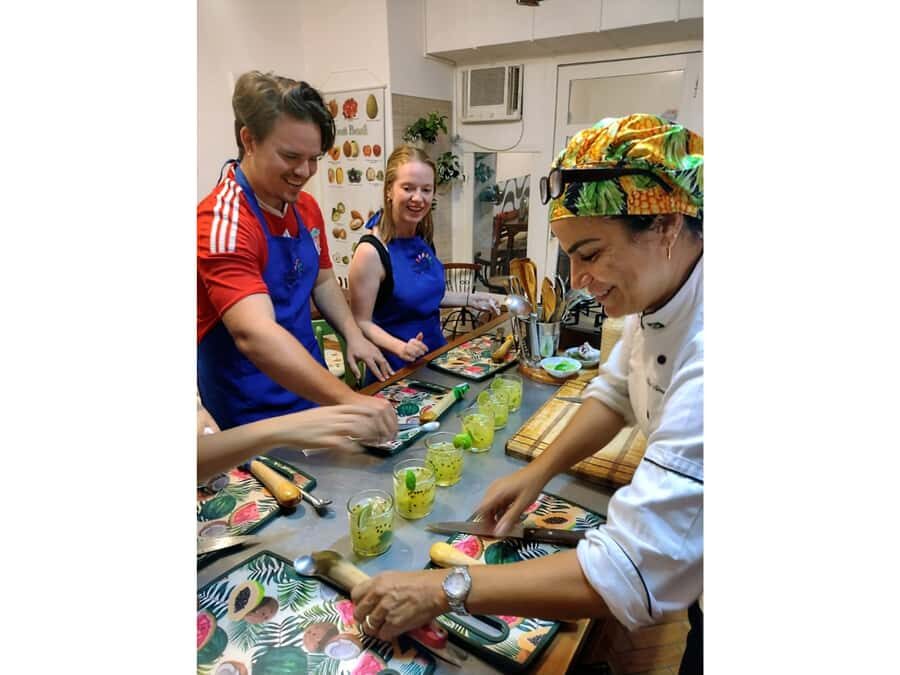
This isn’t just a cooking demo. You’re paying for a guided meal experience where Brazilian flavors make sense because you touch the ingredients, not because someone explains them once and moves on.
The price is $220 per person for about 3 hours (sometimes described as 4 hours). For a class that includes 5 dishes + 2 drinks, plus all ingredients and equipment and taxes, it’s a fairly direct “costs are included” deal. You’ll also get a private group feel, because the class is capped at 7 people. In practice, that usually means less waiting around and more time actually cooking at your station.
The big value play here is time and guidance. In Rio, it’s easy to spend hours wandering and still not bring anything home except photos. This gives you a repeatable skill set: how Brazilians build flavor across appetizers, drinks, mains, sides, and dessert. And because the menu uses ingredients you can find globally, you’re not stuck relearning everything from scratch later.
You can also read our reviews of more cooking classes in Rio De Janeiro

Your menu: the Brazilian comfort-food arc, course by course
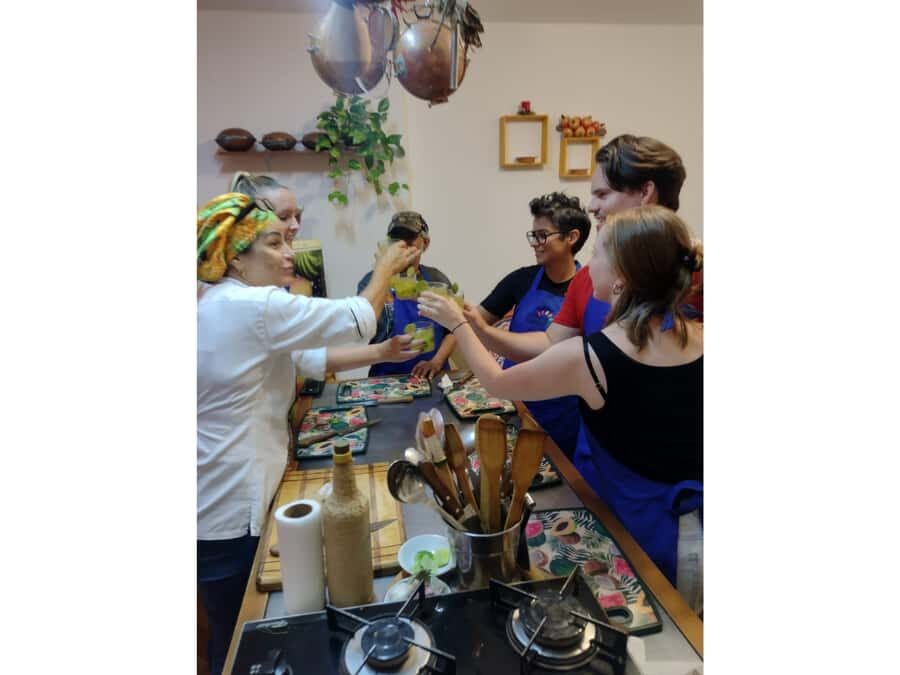
You’ll make a meal with a few moving parts that together explain Brazilian cuisine better than a single dish ever could. The class menu is built around classic favorites, plus drinks and a surprise finish.
The “start strong” courses: fried cheese and spicy-sweet contrast
You begin with fried cheese with spicy guava jam. This matters because it shows one common Brazilian move: sweetness isn’t always dessert-only. That guava jam brings fruit flavor and a little heat, so your brain learns to expect sweet-salty-spicy combos in the rest of the meal.
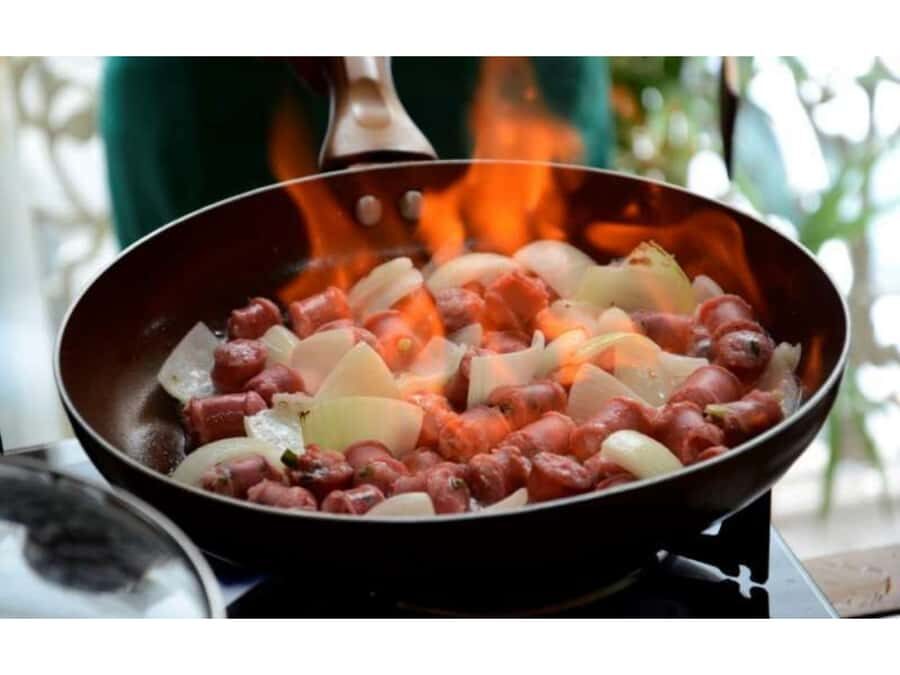
Next comes fried sausage slivers (the menu calls them clambered fried sausage slivers). Think of this as a savory bite that teaches you how Brazilian street-food energy translates into a sit-down meal. You’re learning technique, not memorizing a recipe title.
The drinks are part of the lesson: caipirinha and batida de coco
Brazilian cooking goes hand-in-hand with Brazilian drinks, and you’ll make and enjoy two:
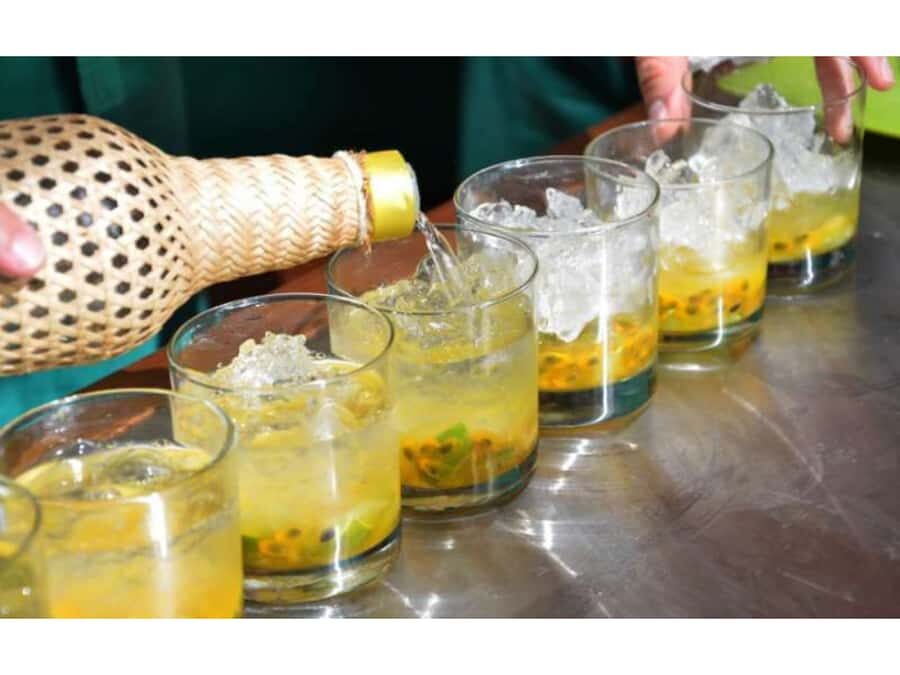
- Lime Caipirinha
- Batida de coco drink (coconut-based)
Why this is smart: if you only cook food, you miss how acidity, sweetness, and creaminess can balance flavor. Caipirinha’s lime bite is a natural contrast to fried or heavy items. Coconut drink smooths things out, so the next course hits with less fatigue. You’ll see that pacing as you move through the meal.
The main event: Feijoada or Seafood Moqueca (your day decides)
Here’s the key calendar detail:
- Mondays, Wednesdays, Fridays: Seafood Moqueca
- Saturdays: Pork and beans Feijoada
Moqueca seafood is typically where you learn how Brazilian cooking builds aroma and depth with a sauce base and careful seasoning. You’re making a dish that tastes like it has more going on than the ingredient list suggests—because technique does the heavy lifting.
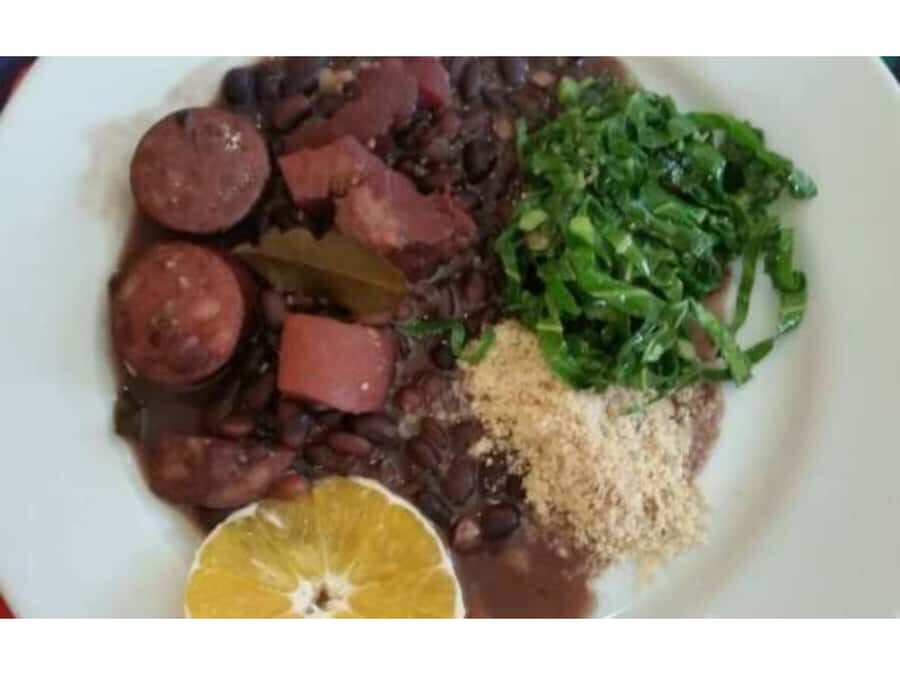
Feijoada (pork and beans) is the other side of the coin: slower, hearty comfort. Even if you’ve never cooked beans before, you’ll get the structure of a Brazilian staple. This is the dish people tend to remember after class, largely because it feels both filling and specific in flavor.
A few more Rio De Janeiro tours and experiences worth a look






The supporting cast: cassava sticks, farofa, and flavored rice
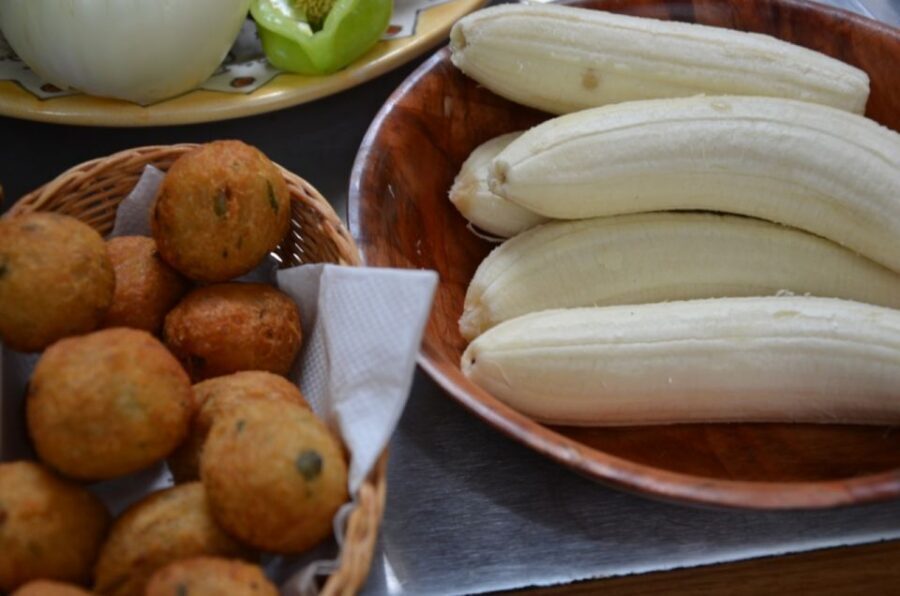
You’ll have sides that show up in Brazilian meals for a reason, not just for decoration. The experience notes cassava sticks as an accompaniment for the main dish.
Then you make banana farofa with flavored rice. Farofa is one of those Brazilian staples that can be hard to recreate if you only know it from a restaurant plate. Cooking it here gives you the “why” behind the texture—grainy, savory, and made to work with rich mains.
Dessert: the surprise factor that makes the class feel local
Your dessert is a surprise and can vary depending on exotic fruits available or what the chef makes, like:
- brigadeiro
- doce de leite
This is a nice touch for two reasons. First, it signals that Brazilian sweets are both everyday comfort and craft. Second, it makes your class feel tied to that specific day in Rio rather than a rigid menu script.
How the class usually runs in the 3-hour window
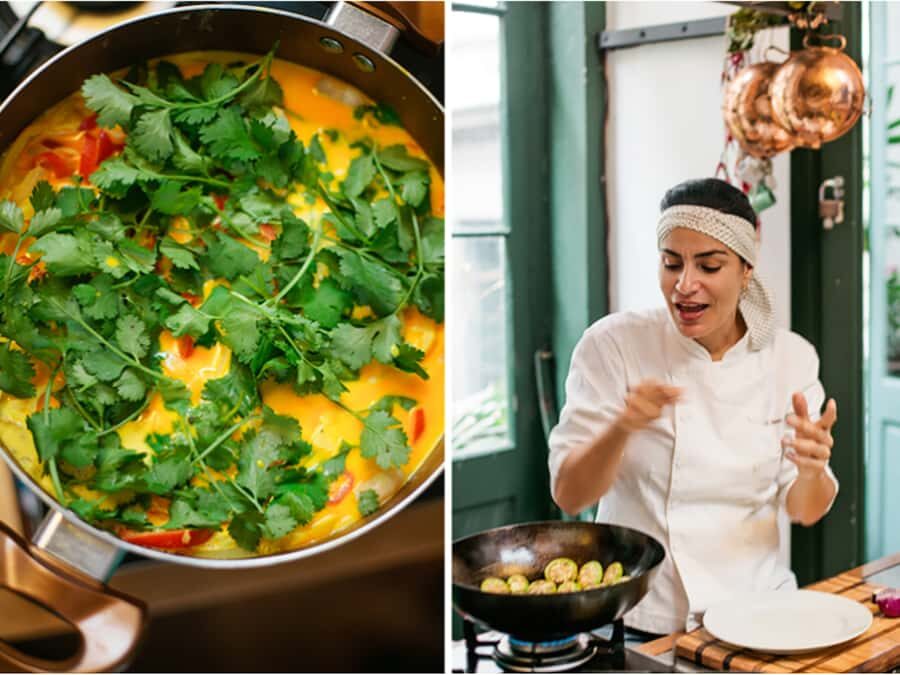
Even without exact minute-by-minute timing, you can plan for a clear flow: meeting the instructor, prepping, cooking in stages, eating, and then toasting your work.
1) Meet the instructor and get set up
You start by meeting your instructor and getting oriented. The class is designed for beginners, so you’re not expected to already know how Brazilian ingredients behave in a pan. Your chef guides you through technique while you do the work.
2) Prep stations and cooking in stages
You’ll move through the courses logically—starting with fried appetizers and finishing with a main and side-heavy meal. As you cook, you’re also learning ingredient behavior:
- How frying changes texture fast
- How sauces thicken and concentrate flavor
- How farofa gets its gritty, toasted quality
This is where the small group matters. With up to 7 people, you’re more likely to get direct answers while your pan is still hot.
3) Eat the meal, then toast together
Once the meal is prepared, you sit down to eat it. Then you toast your efforts with the instructor and enjoy the fruits of your labor with the drinks you made—especially coconut drinks and caipirinhas.
That last part sounds simple, but it’s a real part of the value. Cooking classes can turn into stress-and-scramble. Here, the goal is that you finish with a shared meal and conversation.
Chef Simone’s style: friendly, social, and tuned for real questions
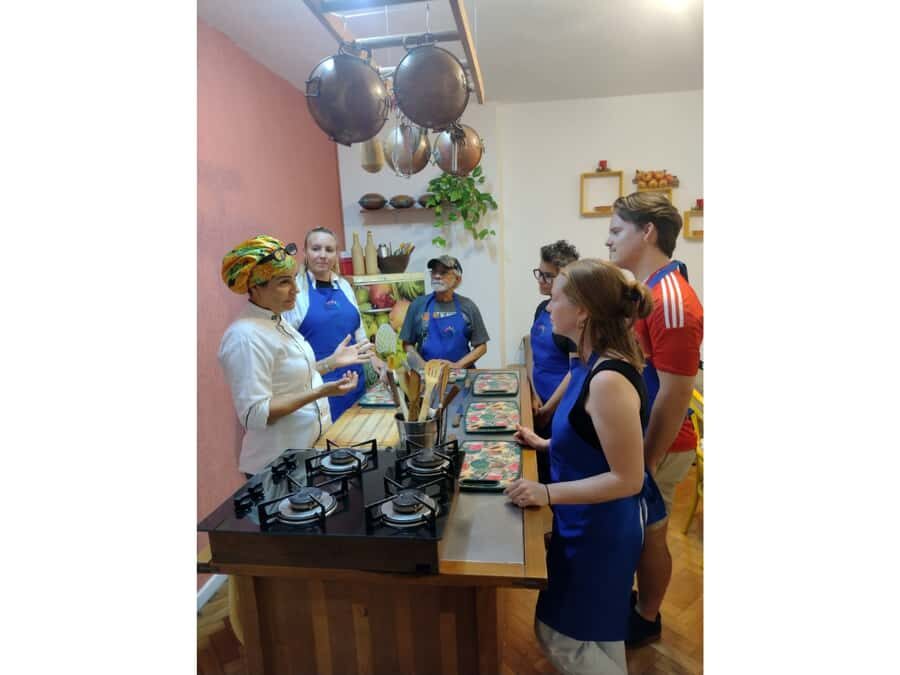
The instructor is Chef Simone. Based on her approach, this class feels safe and comfortable, including for people who are nervous about cooking in a foreign language. One helpful detail: she’s supported during the experience (her daughter assists), which keeps the pace moving and helps with smaller questions while you’re mid-recipe.
You’ll also pick up context while you cook—like how food connects to Brazilian life and why these dishes show up the way they do. The point isn’t trivia. It’s understanding enough to cook later without guessing.
If you’re the kind of person who likes to ask “why” questions—about ingredients, timing, or technique—you’ll probably enjoy the way the class invites that.
Moqueca vs Feijoada: which one will fit your taste
You don’t choose the main dish; the day decides. So think about what you want emotionally from dinner.
- Choose Moqueca day if you like seafood-forward meals and want a sauce-based dish where aroma and timing matter.
- Choose Feijoada day if you want something hearty and bean-and-pork comfort that feels like a full meal, not just a course.
Either way, you’ll get cassava sticks and the Brazilian side pairing that helps the main taste complete.
If you care about planning your Rio schedule, check the day you’re in Copacabana. This class is one of the rare activities where the weekday actually changes what you cook.
Price and value: what $220 actually covers
At $220 per person, you’re not buying “a place to stand.” You’re buying:
- a guided cooking class
- 5 dishes
- 2 drinks
- all ingredients and equipment
- VAT and taxes
You’ll also skip one common hidden cost: you don’t need to shop for ingredients or figure out what spices you’ll need later. You leave with technique and flavor logic, which can save money if you plan to cook at home.
The trade-off is that transportation isn’t included. So if you’re coming from far away in Rio, factor in a taxi or ride-share. Also, if you’re traveling with only one picky eater, you’ll want to confirm the day’s menu matches their preferences, since the main dish varies by day.
Practical logistics for Copacabana-area cooking
A cooking class is easiest when you keep your expectations simple:
- Wear comfortable clothes. You’ll be in a working kitchen.
- Plan to arrive with enough time to settle in and not rush through the first drinks.
- Since pickup and drop-off aren’t included, make your own way to the studio in the Copacabana region.
The class language includes Portuguese, English, and Spanish, so you won’t be stuck if your Portuguese is basic. It’s still smart to learn a few ingredient words, but you won’t need advanced cooking vocabulary to keep up.
Who this class is perfect for
This works best if you fit one or more of these:
- You want an activity that’s more than sightseeing photos
- You like hands-on learning and tasting as you go
- You’re traveling as a couple or small group and want a shared experience in a max-7-person setting
- You want a Brazilian meal you can realistically recreate later using globally available ingredients
It’s also a strong pick if you’re cooking-curious but nervous. The class is built for beginners, and the instructor style supports questions and a relaxed pace.
Should you book this Brazilian cooking class in Rio?
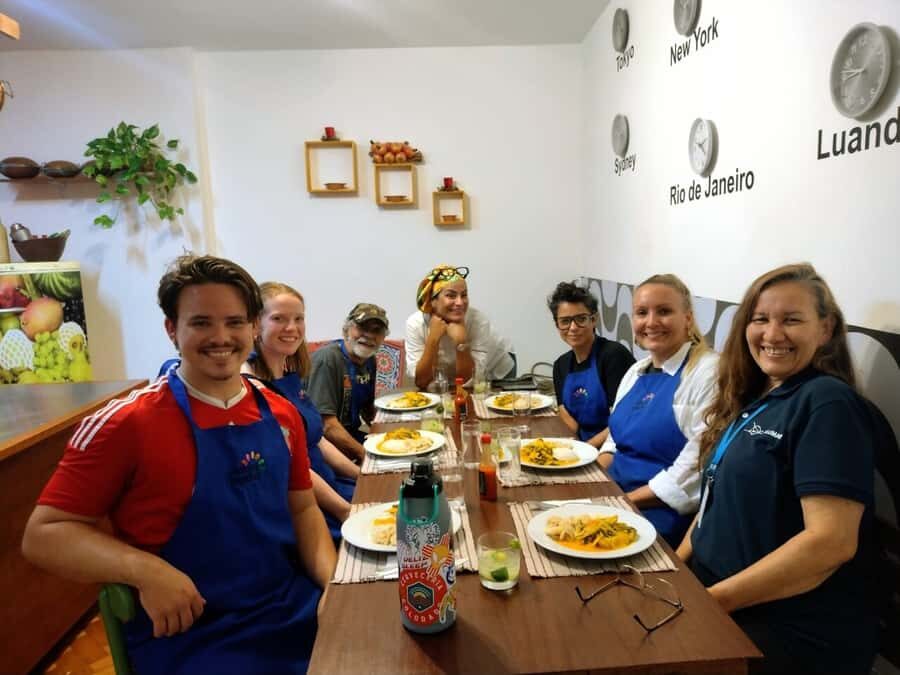
Yes, I’d book it if you want a real “skills + dinner” experience in Rio with minimal friction. The combination of small group size, hands-on cooking, two homemade drinks, and a full sit-down meal with a toast makes it feel like you’re participating in Rio, not just consuming an activity.
Skip it only if you’re mainly chasing something passive or you need a very rigid schedule where the class can’t possibly run long. Because it’s cooking, it won’t feel like a quick check-box tour. It’s meant to be slow enough for you to actually learn and then enjoy what you made.
FAQ
How long is the cooking class?
It’s listed as 3 hours, though the experience is also described as a 4-hour cooking class depending on the flow of the day.
What do you cook in the class?
You’ll cook 5 dishes as part of the course experience, and you’ll also have a surprise dessert that can vary. The class also includes making and enjoying 2 drinks.
Which main dish do you make in each part of the week?
Mondays, Wednesdays, and Fridays are for Seafood Moqueca. Saturdays are for Feijoada (pork and beans).
Do I need any cooking experience?
No. The class is designed for beginners, and you’ll get guidance from the instructor while you cook.
What’s included in the price?
The price includes the cooking class, ingredients and equipment, 5 dishes, 2 drinks, and VAT/taxes.
Is transportation included?
No. Transportation (pickup and drop-off) isn’t included, so you’ll need to arrange your own way to the studio in the Copacabana region.
What languages are offered?
The instructor supports Portuguese, English, and Spanish.