REVIEW · RIO DE JANEIRO
Surf lessons: in Arpoador in Ipanema.
Book on GetYourGuide →Operated by Surf Matrix · Bookable on GetYourGuide
Rio’s surf starts with smart coaching. A one-hour lesson at Praia do Arpoador in Ipanema teaches you the basics in a way that feels both safe and exciting, with the ocean conditions matched to your level. I especially like the small-group setup (up to 6 people) and the clear progression from practice on the sand to trying it in the water.
The biggest thing to consider is that this is weather- and sea-condition dependent, and you’ll need to be comfortable swimming in the ocean with waves. If you’re not confident in open-water swimming, this won’t be the right first step.
In This Review
- Key highlights you’ll care about
- Why Arpoador in Ipanema works for your first surf
- The 1-hour flow: from yellow tent to first standing attempts
- Sand drills that actually transfer to waves
- In the water: how you turn practice into real surf
- Rafael’s teaching style: energy, patience, and practical advice
- Equipment, coaching, and why the price feels fair
- What to bring and who should think twice
- Timing your session: make the sunset part of the plan
- How to get the most out of your hour
- Should you book Surf Matrix at Arpoador?
- FAQ
- Where do we meet for the surf lesson at Arpoador?
- How long is the surf lesson?
- Is equipment included?
- What languages are the instructors?
- What should I bring?
- Who is this not suitable for?
Key highlights you’ll care about
- Up to 6 people means you get real coaching time, not just a quick handoff.
- Sand-to-sea instruction starts with positioning and safety rules before you’re in waves.
- Arpoador is known for constant waves, so you can work on skills without chasing perfect conditions.
- Trilingual instructors (English, Portuguese, Spanish) help you understand what matters fast.
- Rafael-style teaching emphasizes patience, energy, and practical advice when standing up takes a few tries.
- Sunset views from Arpoador make the whole session feel more special than a basic lesson.
Why Arpoador in Ipanema works for your first surf
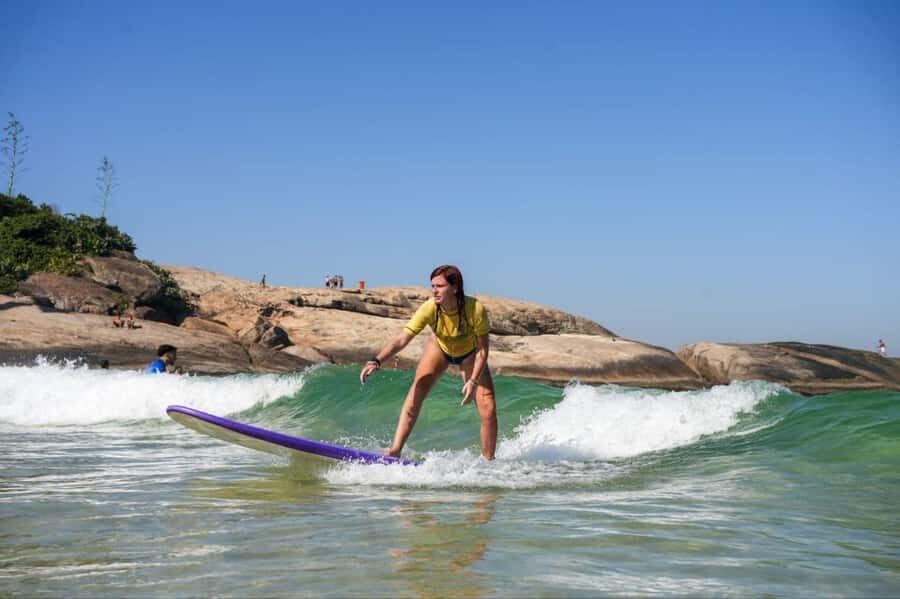
Arpoador sits between Ipanema and Copacabana vibes, and it’s famous for surf that shows up consistently. That matters because you’re learning a sport, not auditioning for ideal waves. When the ocean keeps offering waves, you can repeat the same movements—paddle, timing, and standing—until they start to click.
There’s also a big mood advantage. Arpoador is one of those places where the day naturally builds toward sunset, and the lesson runs on a real Rio beach. Even when you’re focused on technique, you’ll still enjoy that wide-open view while you wait your turn.
And because the class is designed around the best conditions of the day for your level, you’re not just dropped into whatever the ocean gives you. The goal is controlled learning: enough challenge to improve, with enough guidance to keep it safe.
A few more Rio De Janeiro tours and experiences worth a look



The 1-hour flow: from yellow tent to first standing attempts
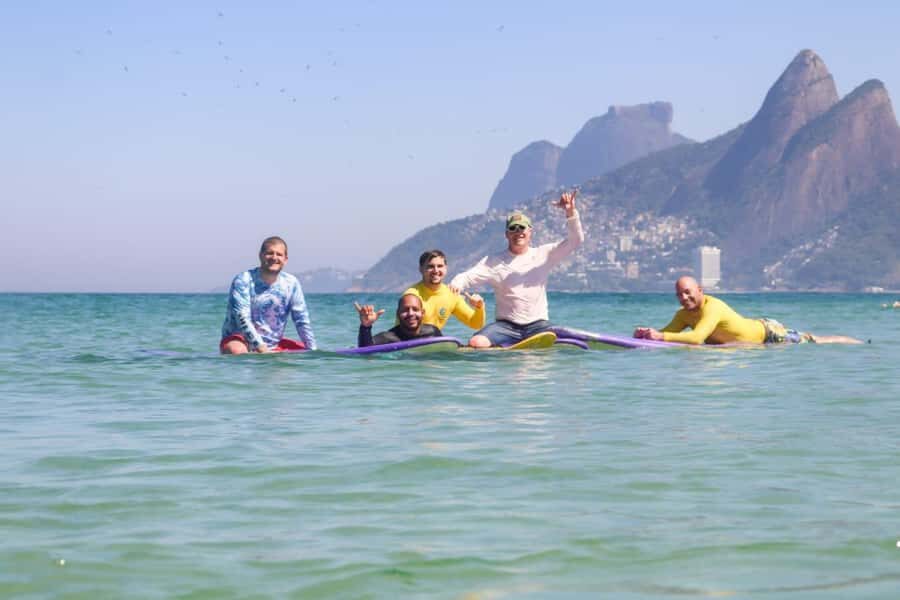
Your class starts at Praia do Arpoador, meeting at the yellow tent. The team will try to contact you before it begins, and if that doesn’t work, you simply go straight to the tent so you don’t lose time.
Then you move through a clear structure:
1) Start on the sand with the theory and practical parts
2) Observe how waves enter and exit the shoreline
3) Learn how to position yourself on the board, paddle effectively, and understand the timing for the drop
4) Review safety rules so you’re not guessing once you’re in the water
5) Head into the sea to apply what you just practiced
This order is useful because surfing is part physics, part balance, and part confidence. Sand practice trims the guesswork before you’re dealing with wind, water movement, and a moving board at the same time.
The lesson is small group and level-based, so your session is shaped around your ability rather than a one-size-fits-all approach. That’s a big reason this feels less stressful for beginners than the typical chaos of a busy beach.
Sand drills that actually transfer to waves
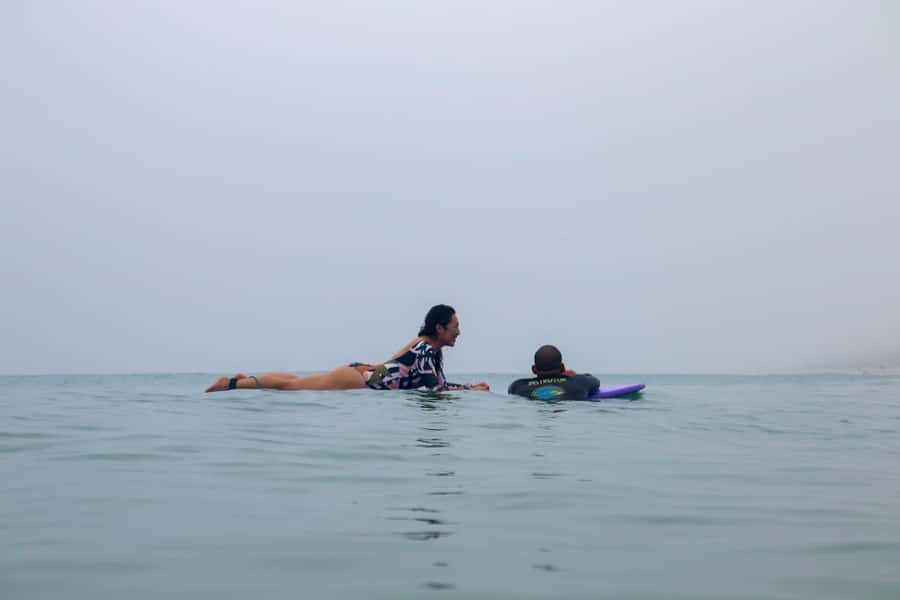
The sand portion isn’t just a lecture. You’ll learn positioning and movement patterns where you can reset quickly if something feels off.
Here’s what the sand time is really doing for you:
- You practice where you should be on the board so you’re not scrambling once you’re floating.
- You work on paddling and pacing so you can match the rhythm of the wave rather than fighting it.
- You go over the drop concept—how to get into the action when the wave is in the right place.
- You learn the safety rules that keep you and others out of trouble.
A helpful detail is that the instructor has you observe the entrance and exit of the sea. That sounds simple, but it teaches you the wave pattern you’ll use right away. You start understanding which moments give you a chance to move and which moments are a trap.
If you’re learning from scratch, you’ll love this part because it’s where mistakes become normal. You can repeat body positions without the ocean knocking you off balance every time.
In the water: how you turn practice into real surf
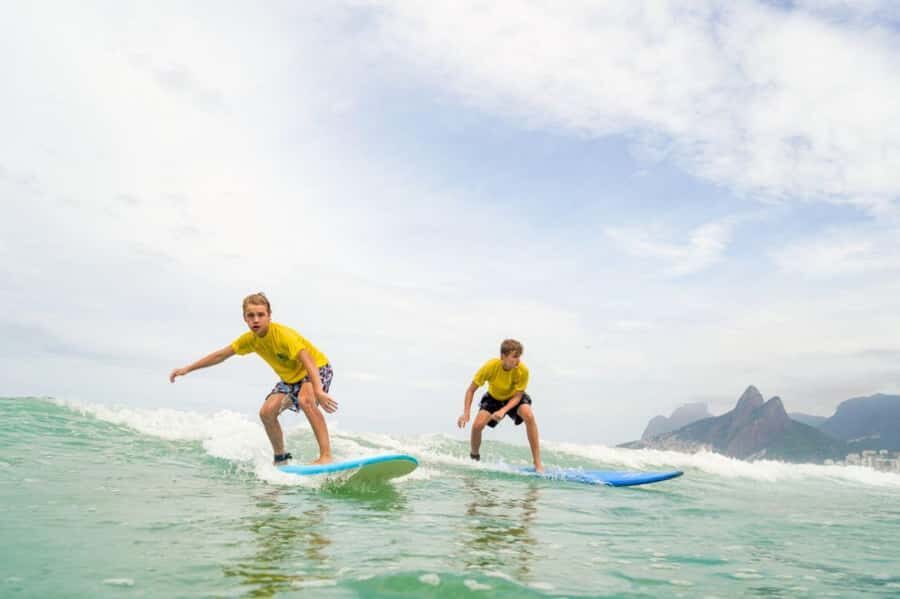
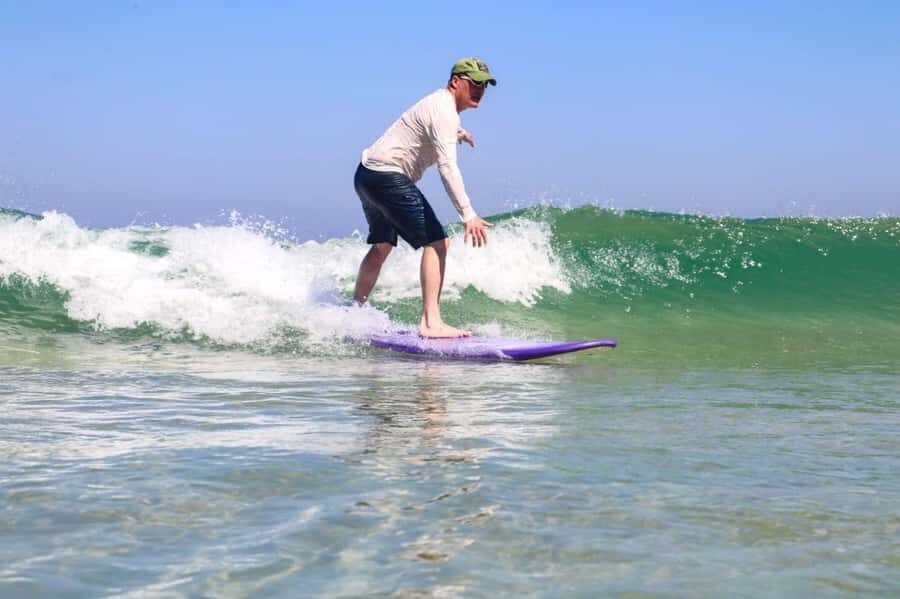
After the sand work, you go into the sea to apply those concepts. This is where the class becomes fun fast—because now you’re dealing with the real conditions that surfers talk about: timing, pressure, speed, and balance.
You’ll also keep the instructor’s safety guidance front and center. Surf isn’t dangerous because it’s impossible; it’s dangerous when people improvise without rules. A structured lesson with safety rules reviewed before entering the water helps you relax and focus on the technique you practiced onshore.
What I like about the approach here is the emphasis on matching the best conditions of the day for your level. That means if it’s a day that’s more forgiving for beginners, you spend your time learning the fundamentals instead of getting overwhelmed. If it’s a stronger surf day, you’re still supported and guided through what to do.
The waves at Arpoador are known for being consistent, so you’re not stuck waiting for random miracles. With the small group size, you also get more attention than you would with a larger crowd.
Rafael’s teaching style: energy, patience, and practical advice
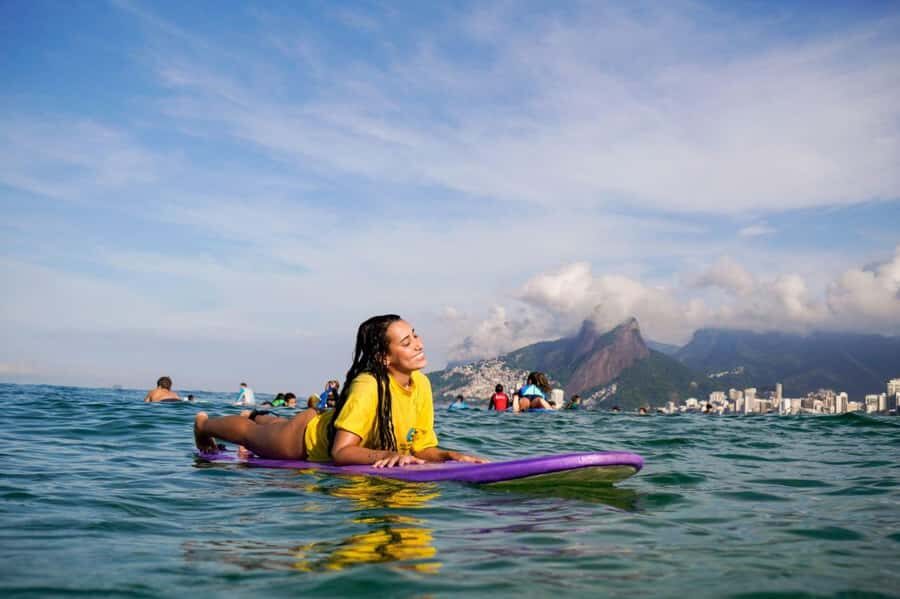
One name shows up strongly in the feedback: Rafael. People consistently point to his teaching energy and his ability to explain things in a way that makes sense while you’re standing in full surf mode.
What stands out in the comments is the combination of:
- Patience when getting up takes multiple tries
- Clear, helpful advice that you can act on in the next attempt
- Strong communication in English, which helps if you don’t speak Portuguese
- Flexibility with timing because the ocean decides the schedule
That last point matters more than it sounds. Surf depends on conditions, and a good instructor doesn’t pretend otherwise. Rafael’s flexibility is the kind of professionalism that keeps beginners from feeling rushed or blamed when the sea won’t cooperate.
If you’re the type who needs encouragement while you learn, Rafael’s style seems built for that. You’ll still do the hard work—paddling, timing, and balance—but you won’t feel lost while doing it.






Equipment, coaching, and why the price feels fair
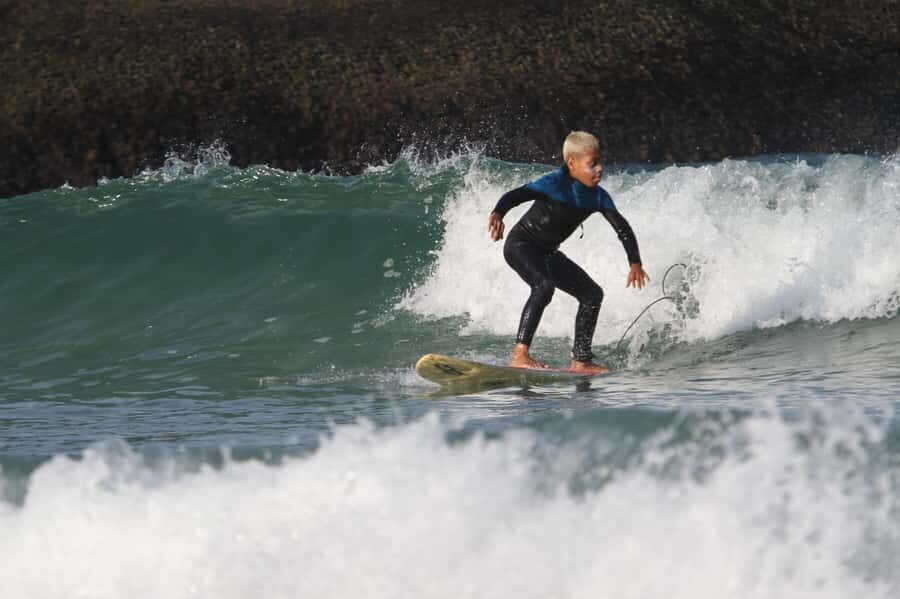
The cost is $33 per person for a one-hour lesson, and it includes all equipment. For many beginner activities in Rio, the “cheap” price often turns into extra rental fees. Here, equipment is already handled, which makes budgeting easier.
What you’re really paying for is:
- Instruction in the mechanics of paddling, positioning, and safety
- Equipment included, so you don’t need to source gear
- Small group size (up to 6), which typically means better feedback per person
- Trilingual instruction (English, Portuguese, Spanish), so language barriers don’t slow you down
Food isn’t included, and transportation isn’t included. That’s normal for a beach lesson, but plan accordingly: you’ll want a snack or meal before or after so you don’t spend the rest of your day hungry.
For pure value, this is the kind of activity where you can measure success quickly. If you can stand more reliably after practice and you leave with a better feel for wave timing, the lesson did what it promised.
What to bring and who should think twice
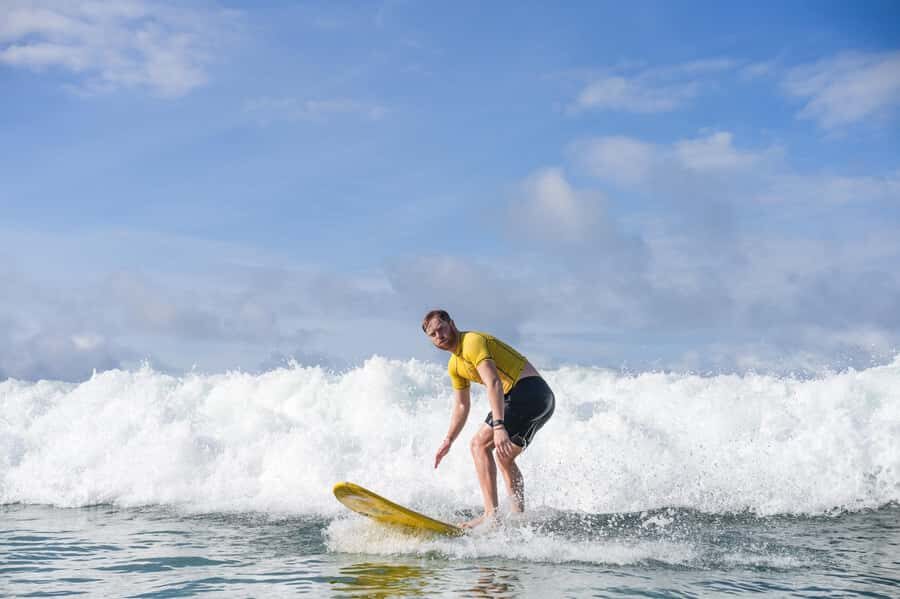
You just need shorts for this experience. Surf gear is provided, and the instructor covers the rest.
Before you book, take the requirements seriously. You must be confident swimming in the ocean with waves, because surfing involves being in moving water. The session also requires a basic level of physical fitness—paddling, getting up, and staying focused take energy.
This activity isn’t suitable for:
- Children under 5 years
- Pregnant women
- People with pre-existing medical conditions
Also, because it’s dependent on weather and sea conditions, your lesson may be adjusted. That’s not a flaw; it’s how the ocean works. The key is to stay realistic about timing.
Timing your session: make the sunset part of the plan
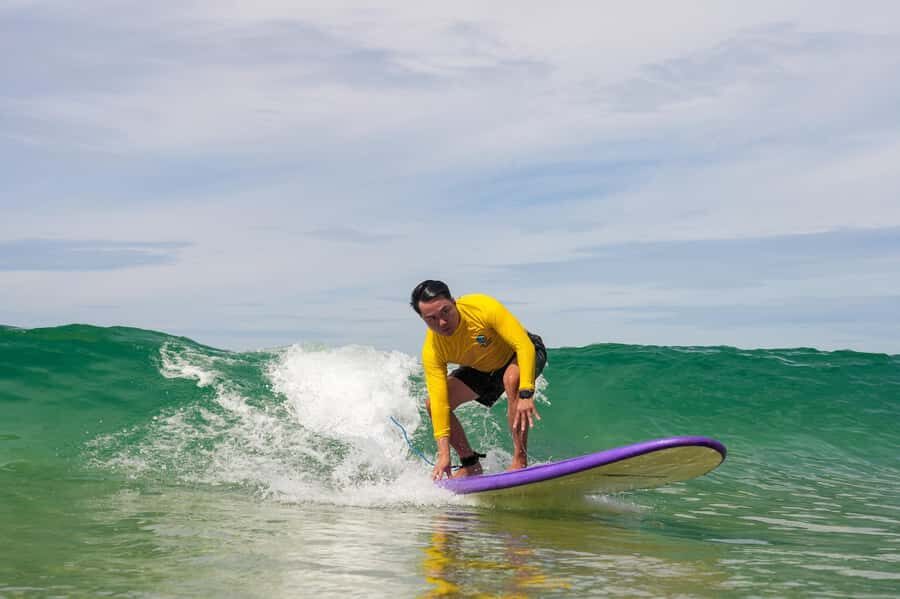
Arpoador is known for its sunset views, and the lesson takes place on this beach. While the exact start time varies based on availability, you’ll get the most out of the setting if you choose a slot that lines up with late afternoon rather than the middle of the day.
A good strategy: pair your lesson with a light beach day around it. You’ll spend one focused hour learning to surf, then you can linger afterward for the atmosphere that makes Arpoador special.
And because the instructor aims to use the best conditions of the day for your level, you’re not only picking a time for the view—you’re also picking a time that gives you your best chance to learn.
How to get the most out of your hour
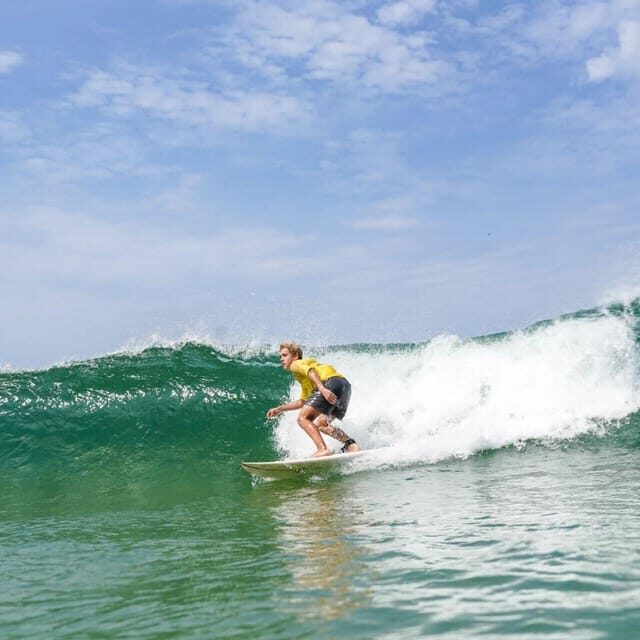
You’ll get more from the lesson if you treat it like coaching practice, not a one-time performance.
Here’s what helps:
- Listen closely during the sand safety and positioning part. That’s where most beginners save themselves from frustration.
- Pay attention to the wave entrance and exit observation. This is your shortcut to wave timing.
- Give your body time to learn. Standing up often takes a few attempts, and patience is part of the process.
Because it’s a small group, your instructor can correct common mistakes quickly. So take the feedback, apply it immediately, and don’t wait for the final attempt to figure it out.
Should you book Surf Matrix at Arpoador?
Book it if you want a beginner-friendly way to surf with real guidance, in a place built for learning. The combination of small group size, equipment provided, and instruction that starts on the sand gives you a strong structure in just one hour. If you’re comfortable swimming with waves, this is an efficient, good-value way to get your first real taste of surfing in Rio.
Skip it (or wait for a different option) if you’re not confident in the ocean or if you’re worried about your health limits. Surf lessons are fun, but this one still asks you to participate in the water and handle real ocean conditions.
If you want a lesson that emphasizes safety, practical technique, and supportive teaching—especially the kind associated with instructors like Rafael—this is worth your time.
FAQ
Where do we meet for the surf lesson at Arpoador?
You meet at Praia do Arpoador, in Ipanema, at the yellow tent. The team tries to contact you before class starts, but if you can’t be reached, go straight to the tent.
How long is the surf lesson?
The lesson lasts one hour.
Is equipment included?
Yes. All equipment is provided.
What languages are the instructors?
The instructor provides instruction in English, Portuguese, and Spanish.
What should I bring?
You only need shorts. Everything else is provided.
Who is this not suitable for?
It’s not suitable for children under 5, pregnant women, or people with pre-existing medical conditions. You also must be confident swimming in the ocean with waves and have a basic level of physical fitness.