REVIEW · SAO PAULO
São Paulo: Private 4-Hour Architecture Tour
Book on GetYourGuide →Operated by LP FASSI SIMARDI VIAGENS E TURISMO ME · Bookable on GetYourGuide
São Paulo’s buildings have plot twists. This private 4-hour architecture tour helps you read the city like a timeline, from early construction to modern design, without you having to guess what you’re looking at. I especially loved how the guide links styles you can see in the streets to the architects you’ll recognize later, and I also liked the way the route can shift toward what you care about most (not a one-size-fits-all script). One thing to consider: there’s no food stop built in, so you’ll want to plan around snacks or timing if you get hungry easily.
I came away appreciating the range of architectural styles that share the same neighborhoods, sometimes within the same quick drive. You’ll see Colonial, Neoclassic, Eclectic, Art Nouveau, Art Deco, Neocolonial, Modernist, Brutalism, and Contemporary work, and you’ll learn how those influences landed in Brazil and stayed. The only drawback for some people is simple: this is a lot of visual information in a short window, so comfortable shoes matter.
The guides also make the experience feel personal. Doris, for example, is known for tailoring the route and taking guests to favorites you might skip on your own, and Danilo was highlighted for adapting the focus toward modern urbanism and contemporary architecture. If you’re coming with zero background, you’ll still be fine, but you’ll get more out of it if you come ready to look closely.
In This Review
- Key things that make this tour worth your time
- Why São Paulo’s architecture is so fun to see (and so hard to self-read)
- The 4-hour flow: how the best guides keep it logical
- What you’ll actually see: a quick guide to the styles in the city
- Architects to learn before the tour: names that act like shortcuts
- Your guide matters: why Doris, Danilo, and Bruno left an impression
- Logistics that keep you comfortable: private vehicle, pickup, and what to bring
- Price and value: what $290 buys you (and when it makes sense)
- Who this tour is best for (and who should think twice)
- Should you book this São Paulo architecture tour?
- FAQ
- How long is the São Paulo private architecture tour?
- How much does it cost?
- What’s included in the price?
- What languages are the live guides available in?
- Is food and drinks included?
- Is the tour wheelchair accessible?
- Is the tour suitable for young children?
- What should I bring?
- Is there free cancellation?
Key things that make this tour worth your time
- Private guide + bilingual support (Spanish, English, Portuguese) so questions don’t get stuck
- Chronological, style-based route that connects what you see to who designed it
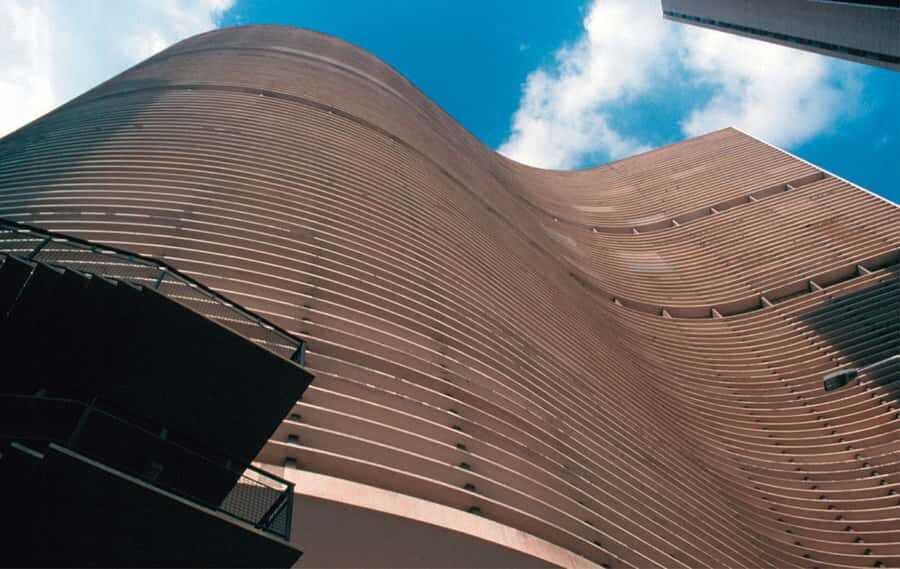
- Architect highlights like Lina Bo Bardi and Paulo Mendes da Rocha, plus names such as Oscar Niemeyer and Vilanova Artigas
- Hotel pickup and private vehicle, which saves time in a big, traffic-heavy city
- Wheels-friendly format for guests who need wheelchair accessibility
- 4 hours of concentrated viewing, with a strong focus on architecture rather than shopping or random stops
Why São Paulo’s architecture is so fun to see (and so hard to self-read)
São Paulo has a stacked architectural story. Instead of one dominant look, you’ll watch styles overlap: early construction influences, European trends that grew strong in Brazil from the mid-1800s, and then the major waves of 20th-century design moving toward modernism and beyond.
What makes this tour click is that it gives you a reading key. When you can name what you’re looking at, the street stops being random scenery and becomes a set of clues. You start noticing things like symmetry, ornament, the mood of materials, and how form changes as ideas change.
And because the tour is private, you’re not forced into a generic pace. If you care more about Brutalism or Contemporary work, you can steer the focus, and the guide can shape the time to match.
You can also read our reviews of more private tours in Sao Paulo


The 4-hour flow: how the best guides keep it logical
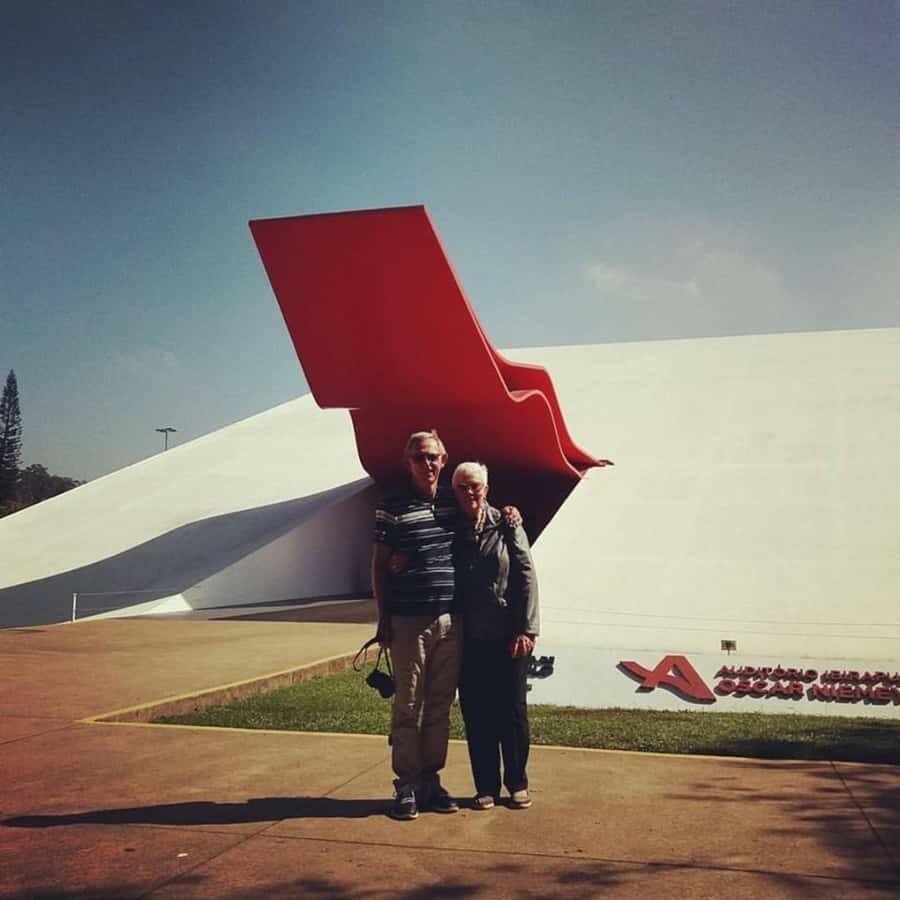
Even with only four hours, the tour aims to feel organized. The most effective guiding style here is a chronological walkthrough: it sets the stage with early foundations of the city, then moves forward in time so the styles make sense as you go.
Here’s the practical rhythm you should expect:
- Start with roots and origins: how São Paulo grew and how earlier construction set the tone for later building choices
- Move through European and hybrid periods: the tour points out how imported ideas developed locally
- Shift into 20th-century breakthroughs: modernist thinking, then more blunt, structural approaches, and why they mattered
- Finish with Contemporary work: the city’s present-day design language and how it differs from what came before
The timing works because architecture is easier to understand when you see cause and effect. If you jump randomly around the city, you might see impressive buildings but miss the why. This format is designed to help you connect dots while the examples are still fresh.
What you’ll actually see: a quick guide to the styles in the city
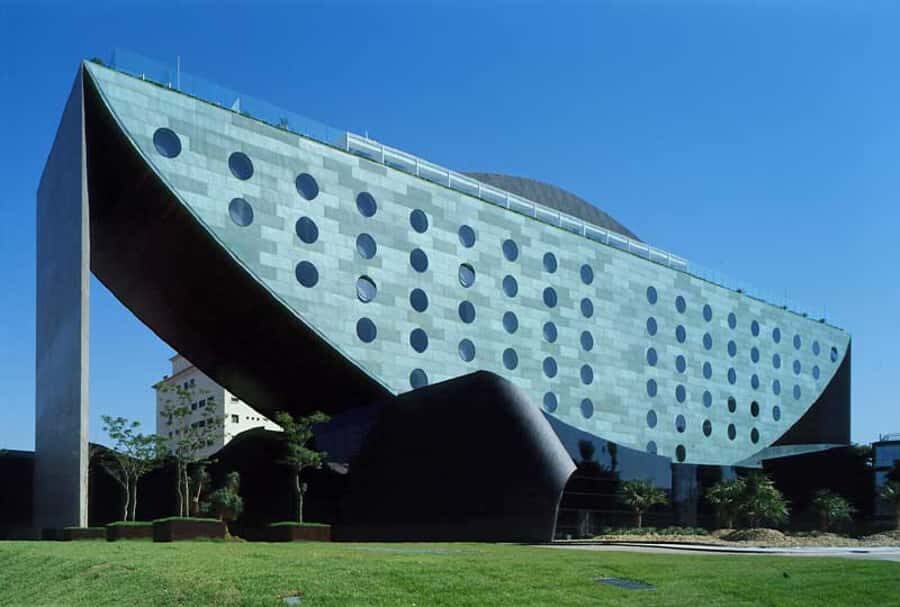
You’ll see samples across a wide set of styles that coexist in São Paulo. Even if you can’t identify every style instantly, the guide helps you learn the patterns quickly. Below is a cheat sheet for what to pay attention to as you go.
Colonial (and early influences)
Look for the simple logic of early forms and how practical materials shaped appearances. The key idea is that the city’s earliest phases weren’t built in a vacuum—they’re part of a larger Brazilian story of adaptation.
Neoclassic and Eclectic
These periods often feel more formal. Watch for order and references to older European design languages, sometimes mixed with other influences. Eclectic usually means there’s a choice-based mix: the building is borrowing ideas rather than following one strict rule.
Art Nouveau and Art Deco
These are easier to spot because they tend to show off. Art Nouveau often uses curves and decorative motion, while Art Deco leans toward geometric clarity and a more streamlined look.
Neocolonial
This style is basically São Paulo looking back—reinterpreting older colonial themes with a later-era mindset. The guide will usually help you notice the difference between imitation and revival.
Modernist, Brutalism, and Contemporary
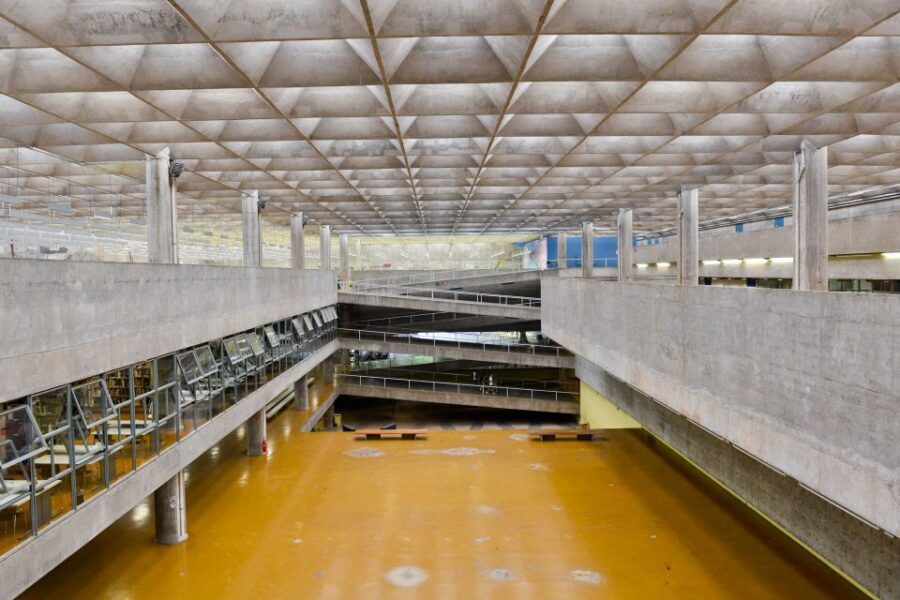
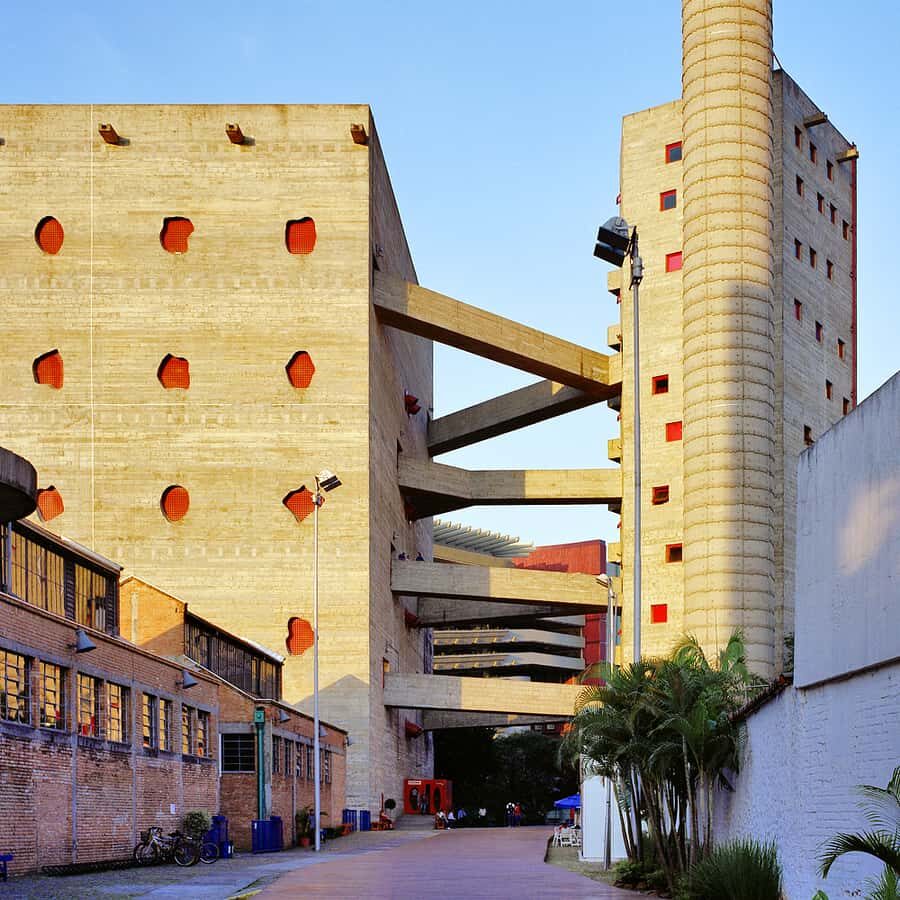
These later categories can feel like different ways of stating the same argument: buildings as ideas, not just shelter. Modernism focuses on function and new thinking, Brutalism emphasizes raw structure and mass, and Contemporary work reflects current design priorities and materials.
You don’t need to remember every label. Your real win is building an eye for what changes as the decades change: form, materials, decoration, and the attitude behind the design.
Architects to learn before the tour: names that act like shortcuts
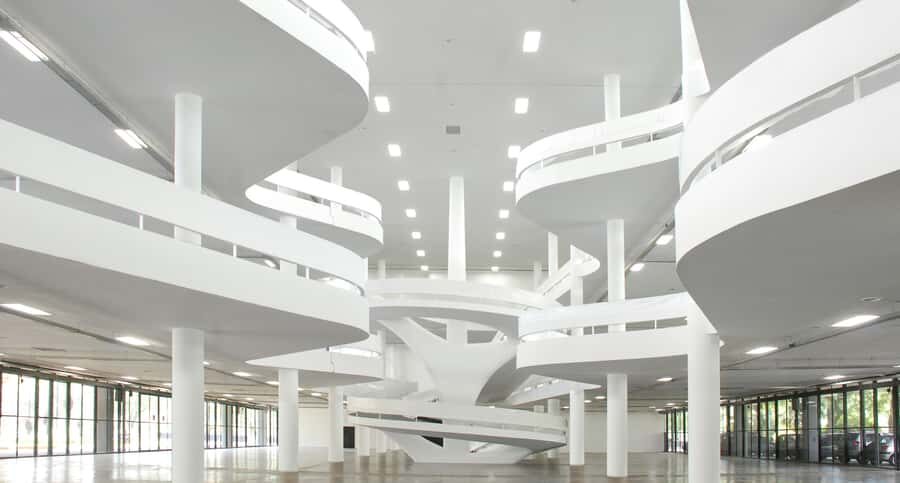
One of the best parts is the focus on architects whose work shaped São Paulo’s identity. Instead of treating buildings as isolated objects, you learn how designers influenced city character.
Here are the big names you’ll hear about during the tour:
- Ramos de Azevedo: linked with foundational urban development and major building activity
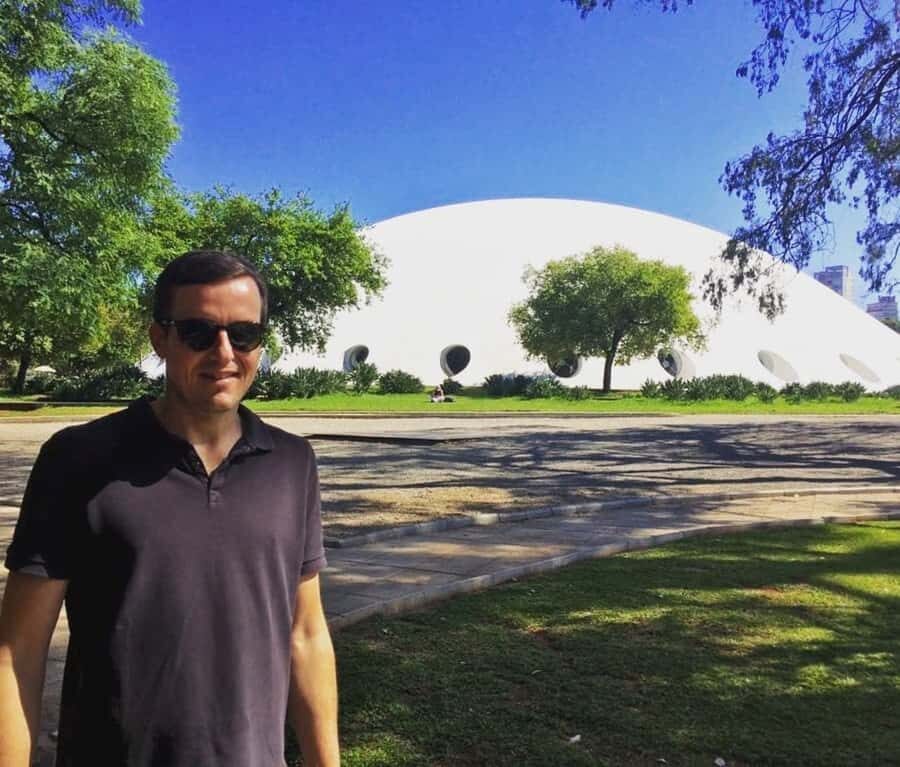
- Oscar Niemeyer: a major voice in Brazilian modern architecture
- Paulo Mendes da Rocha: strongly associated with modern and structural design thinking
- Vilanova Artigas: tied to Brazilian modernist ideas and the evolution of concrete-driven forms
- Lina Bo Bardi: known for projects that connect architecture with culture and public life
- Ruy Othake: another name used to show how modern ideas kept evolving
- Isay Weinfeld: helps illustrate later shifts and contemporary approaches
When a guide can connect a style to a creator, you start to see patterns. A building stops being just a photo opportunity and becomes evidence of a design philosophy. That’s also why this tour feels efficient: you’re learning a network of names while you’re standing in front of their visual descendants.
Your guide matters: why Doris, Danilo, and Bruno left an impression
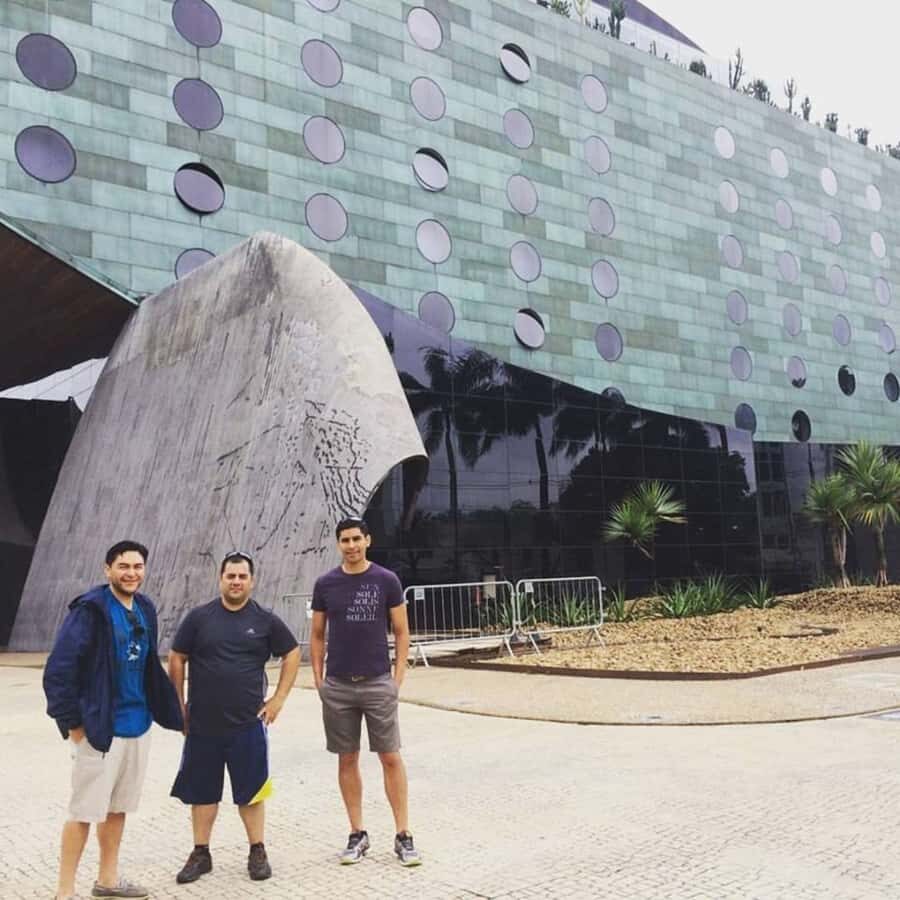
This kind of tour lives or dies on the person behind the narration. The guides here are presented as active drivers of the experience, not just passengers with a script.
Doris is highlighted for passion and a friendly, entertaining approach. Guests also note that she tailors the route to personal interests and may take you to favorite spots you likely wouldn’t pick on your own. If you want a tour that feels like a conversation—where you get to steer toward what you find coolest—Doris is the name to look for.
Danilo is especially associated with adjusting the plan toward modern and contemporary architecture, which is great if you’re more interested in today’s urbanism than the older chapters. That flexibility matters because São Paulo’s architecture covers such a wide range that a fixed plan can easily miss your favorite era.
Bruno comes up as a driver-guide who combines city history with building explanations and keeps things moving on schedule. For you, that means less stress about timing and more time looking closely at details.
Also keep in mind the tour runs with live guiding in Spanish, English, and Portuguese. That’s a big deal if you want to ask follow-up questions in the language you’re most comfortable with.




Logistics that keep you comfortable: private vehicle, pickup, and what to bring
This tour is built around convenience. You get hotel pickup and drop-off from the São Paulo center and travel by private vehicle. In a city where time can evaporate in traffic, that saves energy so you can actually focus on architecture.
For the physical side, it’s still street viewing. Bring:
- Comfortable shoes (you’ll be walking enough to need them)
- Sunglasses and a sun hat (São Paulo sun is no joke)
- A camera, because many of these styles look better in photos than they do in passing
Rules are straightforward. Pets aren’t allowed, smoking isn’t allowed, and unaccompanied minors aren’t permitted. If you’re traveling with kids, the tour has a specific note: children up to 10 years old need special seats to be transported, and you must inform the operator in advance or the tour may not be possible for your reservation.
Wheelchair accessibility is listed as supported, which is a reassuring baseline if you want to avoid guessing about ramps or step-heavy routes.
Price and value: what $290 buys you (and when it makes sense)
At $290 per group (for the private format shown), you’re paying for more than a guide. You’re paying for:
- A professional bilingual guide
- A private vehicle for transportation during the 4 hours
- Pickup and drop-off from central hotels
If you tried to do this solo, you’d need to solve two problems: figuring out where to go for the best variety of styles and finding a way to understand what you’re seeing. The tour compresses both into a single, timed experience, and that’s where value comes from.
This price tends to make the most sense if:
- You want depth without planning multiple stops
- You care about modernist/Brutalist/Contemporary design and want names tied to buildings
- You want a private setting where the route can shift toward your interests
One thing you should know upfront: food and drinks are not included. So if you’re the type who needs a meal to stay sharp, plan your timing before or after. Four hours is enough time to enjoy the city, but not enough to casually eat on the fly unless you plan for it.
Who this tour is best for (and who should think twice)
This tour is a strong fit if you enjoy visual patterns and want a guide to connect architecture to people and ideas. It’s especially good for you if you’re curious about how different eras coexist in one city, or if you want a practical way to learn major Brazilian architects without taking a class first.
It’s also a solid option if you’re traveling in a group that prefers flexibility. Because it’s private, you’re not locked into a pace that suits strangers better than you.
It may be less ideal if:
- You’re traveling with very small kids. It’s listed as not suitable for children under 5.
- You’re hoping for a relaxed, low-effort tour where you just hop from one photo to another. You’ll be doing meaningful looking and learning, which is great if you enjoy that style of trip.
Should you book this São Paulo architecture tour?
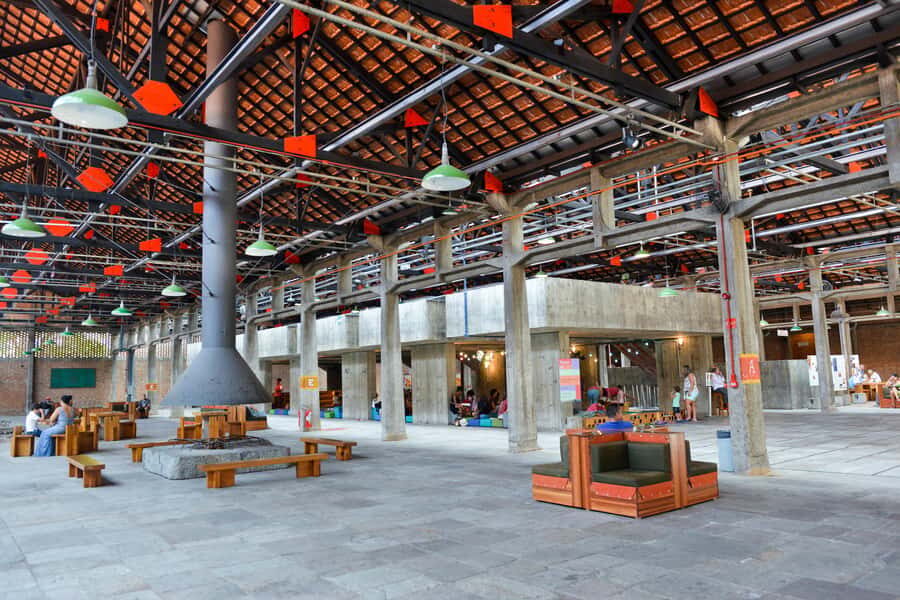
If you want São Paulo to make sense fast, I’d book it. The private format, hotel pickup, bilingual live guide, and the style-to-architect connections are exactly what turn architecture into a real experience rather than a random walk.
Book it if you care about seeing multiple architectural periods in one sweep, and especially if you want names like Lina Bo Bardi or Paulo Mendes da Rocha explained where the buildings can actually teach you. It’s also a good choice if you don’t want to gamble on what to find on your own.
Skip it only if you already have a strong plan for architecture sites and you’re comfortable reading styles without a guide. If that’s you, a self-guided route might feel cheaper. But if you want the convenience of a private vehicle and a route that can shift toward your interests, this tour is built for that.
FAQ
How long is the São Paulo private architecture tour?
It lasts 4 hours.
How much does it cost?
The price is $290 per group (up to 1).
What’s included in the price?
A professional bilingual tour guide, transportation by private vehicle, and hotel pickup and drop-off are included.
What languages are the live guides available in?
The live tour guide is offered in Spanish, English, and Portuguese.
Is food and drinks included?
No. Food and drinks are not included.
Is the tour wheelchair accessible?
Yes, wheelchair accessibility is listed.
Is the tour suitable for young children?
It is listed as not suitable for children under 5. For children up to 10 years old, special seats are required for transportation, and you need to inform in advance.
What should I bring?
Bring comfortable shoes, sunglasses, a sun hat, and a camera.
Is there free cancellation?
Yes. Free cancellation is available up to 24 hours in advance for a full refund.