REVIEW · MANAUS
Amazon Experience: Indigenous culture and nature phenomenon
Book on GetYourGuide →Operated by Gray Line Brazil · Bookable on GetYourGuide
Two rivers, one stunned skyline. This is one of those Amazon days where you see Meeting of the Waters and meet friendly river porpoises on the Negro River. I also like that the day includes indigenous culture time with a dance performance, not just sightseeing. The main watch-out is that the porpoise swim is never guaranteed, and the cultural segment can feel brief depending on timing.
The format is built for people who want big natural moments without a long, confusing itinerary. You’ll travel in a small group (limited to 10) with a bilingual guide (English and Portuguese), and the pace is set for a full day: boat time, a land stop, lunch, and more river cruising.
One more practical note: this is a long boat-heavy day, so if you have mobility or back issues, or if you’re not comfortable swimming, it may not be the right fit.
In This Review
- Key highlights worth caring about
- From Manaus to the Negro River: the speedboat start you’ll feel in your bones
- Floating platform porpoises: the best animal moment, with real rules
- Upstream culture time: indigenous community dance and craft shopping
- The view shifts: descending toward Janauary ecological park and the water lilies
- Regional lunch at the ecological park: simple and included, so manage expectations
- Pirarucu (Arapaima gigas) at the Catalan floating-houses area
- Back to the main event: cruise down to the Meeting of the Waters
- Price and value: what $90 buys in a 9-hour Amazon day
- Who should book this, and who should skip it
- Should you book this Amazon Experience tour?
- FAQ
- How long is the Amazon Experience tour?
- Where does pickup happen?
- Is swimming with the porpoises guaranteed?
- What happens if the water lilies lake visit is suspended?
- What language is the guide?
- What’s included in the price?
- What should I bring?
- Are drinks included?
Key highlights worth caring about
- Porpoises at a floating platform: docile animals are fed by a native; swimming is sometimes allowed, but not promised
- Two-river physics at Meeting of the Waters: black Rio Negro and muddy Amazon flow separately for a few miles
- Indigenous ritual + dance participation: you may be invited to take part, then you get time for photos and crafts
- Victoria regia water lilies (seasonal): in dry-season ebb (Sep–Dec), the water-lily stop may switch to a jungle walk instead
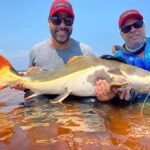
- Pirarucu (Arapaima gigas) at Janauary: see the sweet-water giant at the ecological park
- Value for a full day: shared transport, guide, fees, and lunch are included; drinks are not
From Manaus to the Negro River: the speedboat start you’ll feel in your bones
Most days begin with a hotel pickup in Manaus (either Centro or another Manaus pickup point). Plan to be ready early, because the tour asks you to wait in the lobby about 10 minutes before the scheduled time. Then you’ll head to the Port of Manaus to board a speedboat.
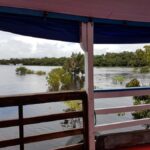
Right away, you’re on the Negro River, traveling toward the floating areas. On the way, you cross the Jornalista Phelippe Daou Bridge, also known as the Rio Negro Bridge. It’s a quick visual reminder that this trip isn’t just about animals and photos. It’s about being in a working river city where boats are the road system.
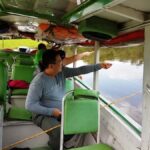
Boat travel is a big part of the experience. That matters because you should dress for it: light clothes, a hat, and comfortable footwear. You’ll also want a water bottle and a camera ready, since you’ll be moving and stopping rather than sitting in one place for hours.
You can also read our reviews of more tours and experiences in Manaus.
Floating platform porpoises: the best animal moment, with real rules
This is the part many people come for, and it’s also where expectations need the most tuning.
You arrive at the floating platform where porpoises are fed. The animals are described as docile, and the feeding is done by a native. Sometimes the tour allows guests to swim with the porpoises, but it’s not guaranteed. That means you should bring swimwear and a towel, because the day might give you the chance—or it might not.
One important heads-up: the tour specifically warns not to use sunscreen, repellent, body cream, or oil when in contact with the animals. The reason given is that certain products can affect the porpoises’ eyes and smell. So here’s the practical approach: follow the guide’s instructions on the day, and if you’re planning to get in the water, keep lotions and bug spray away from anything that could rinse into the river.
Also note that there are possibilities of not interacting with these animals. In other words, even with a spot reserved, nature decides. The floating-porpoise stop is worth it for the view and the feeding moment alone, but don’t treat the swim as a sure thing.
If you’re non-swimmer, this tour isn’t suitable. And if you’re pregnant, or you have back problems, plan carefully, because this is still a physical, boat-based outing with safety constraints.
Upstream culture time: indigenous community dance and craft shopping
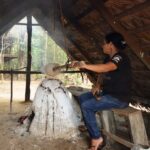
After the porpoise stop, you continue to the indigenous community of the upper Negro River. This is where different ethnic groups come together, and you see a traditional dance performance.
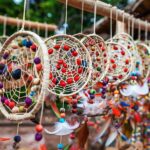
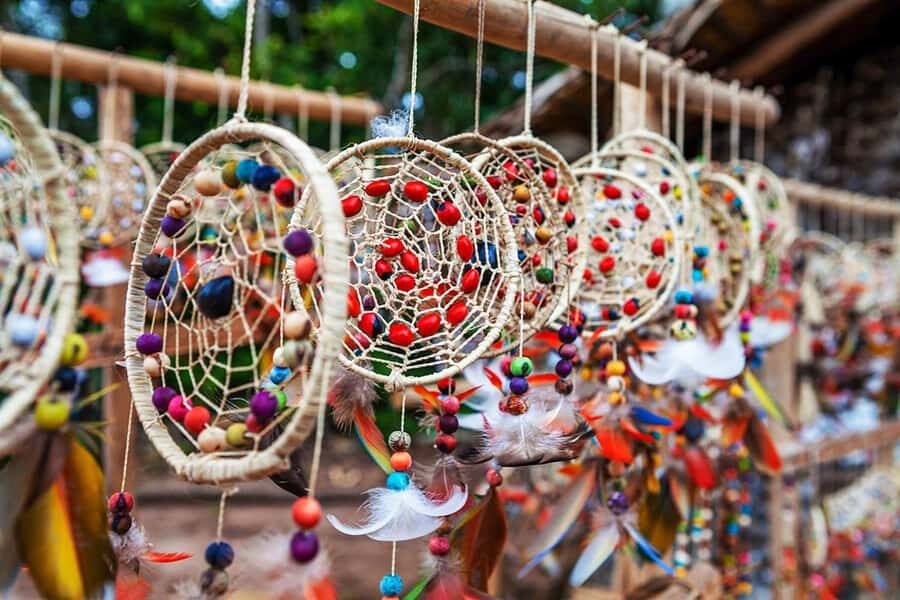
The tour includes a moment when tourists are invited to participate in a presentation ritual accompanied by joy and dance. After the performance, you’ll have time for photos and for purchasing local crafts. This is where the tour becomes more than a nature day, because it gives you a direct connection to culture and daily life along the river.
The key for you is to treat this time respectfully and realistically. The experience is structured and scheduled, and that means you may not get the same kind of slow, personal learning you’d find on a longer community stay. Still, even within a short performance format, it helps to watch closely and learn a few basics from your guide—about rhythms, meanings, and what’s shared with visitors.
A useful practical tip: bring some cash in local currency if you want crafts. The tour suggests cash for personal expenses, and it also helps if you want to buy something on the spot.
The view shifts: descending toward Janauary ecological park and the water lilies
Once you head downstream, you start to notice the “Amazon rhythm” in the details. You pass the edge of the city and you see the floating port of Manaus and regional boats. This is part of the charm. You’re not only chasing the big attractions; you’re traveling through the everyday river scene.
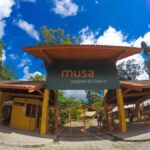
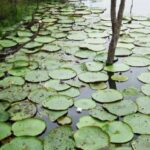
The next major stop is the ecological park Janauary, where you look for the Amazon’s iconic Victoria regia water lilies. These are famous for their size and presence, and the whole point of this part of the day is to see them in their natural setting rather than as a photo on a poster.
Timing matters here. During the period of the ebb (September to December), visits to the water lilies lake are likely to be suspended. When that happens, the tour replaces the water-lily stop with a walk in the jungle, focusing on Amazon plants. So if your travel dates fall in Sep–Dec, you should mentally shift from expecting a lily “lake moment” to expecting a plant-focused nature walk. Both can be worthwhile, but they feel different.
If you’re sensitive to heat and humidity, plan for that too. Light clothes help, and you’ll still want a hat. This is the point where you’ll feel like you’re really in the rainforest, not just on a boat.
Regional lunch at the ecological park: simple and included, so manage expectations
Lunch at the ecological park is regional and is served as a self-service buffet. The menu is described as fish, meat, or chicken, plus salads and accompaniments.
This matters for value: because lunch is included, you’re not forced to budget extra during the day. It also means the tour is designed as a full package—guide, transport, entrance/visits, and a meal.
That said, you should set a reasonable expectation. A buffet in a park setting is usually straightforward rather than fancy. If your goal is food like a destination restaurant, you may be disappointed. If your goal is fuel that’s convenient after a long boat and walking day, it hits the mark.
If you’re picky about seafood, it helps to arrive hungry but flexible. You’ll have options, and the self-service setup makes it easy to keep the tour moving.

Pirarucu (Arapaima gigas) at the Catalan floating-houses area
After lunch, the tour includes native craft stores and the community of floating houses of Catalan. This is a great area for slowing down. You’re in a place designed for living and working on the river, not just visiting for an hour.
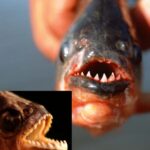
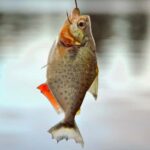
Then you get the highlight of this segment: seeing pirarucu, also called Arapaima gigas, described as the sweet-water giant native to the Amazon. The stop is at the ecological park area, where you can contemplate the fish.
Why this is special: pirarucu is one of those Amazon animals you hear about more than you actually see. Getting a structured viewing moment helps, and it adds variety to a day that already includes river porpoises and water lilies. It also rounds out your understanding of the Amazon as an ecosystem, not a theme park of individual photo moments.
This section is also a good time to pick up something small from craft stores if you like handmade work. Keep it practical, too. You’re on a boat later, so choose items that won’t be ruined by humidity and movement.
Back to the main event: cruise down to the Meeting of the Waters
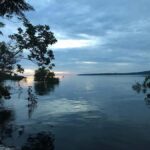
After the ecological park and Catalan floating-houses time, you cruise down the Rio Negro to the location where it meets the Amazon River. This is Meeting of the Waters—one of the most famous natural phenomenon stops in the region.
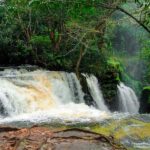
Here’s what you’re looking at: the Rio Negro carries black waters, while the Amazon carries muddy waters. The two rivers flow separately for a few miles, creating a visible boundary between them. It’s not an abstract concept. When you see it, you understand it fast: different water densities, different currents, and a clear visual line between two worlds.
This is also why the tour is shaped like it is. You end with this because your eyes are fresh and your brain has time to connect the earlier stops to the bigger ecological story. Porpoises, lilies, and fish all tie back to water chemistry and habitat. Meeting of the Waters is the clearest “cause-and-effect” moment of the day.
Then you return toward the pier, and the transportation brings you back to your hotel in air-conditioned comfort.
Price and value: what $90 buys in a 9-hour Amazon day
At $90 per person for about 9 hours, this tour sits in the mid-range for Manaus Amazon day trips. The reason it can feel like good value is that key costs are bundled: bilingual guide, shared transportation to most Manaus hotels, boarding and visitation fees, and a regional lunch.
Drinks are not included, so you’ll still want some spending money if you plan to buy beverages. But compared to “pay-as-you-go” tours, having lunch and entrance fees covered keeps you from getting surprised by add-ons mid-day.
The small-group setup (limited to 10) also supports value, because the tour can maintain a workable pace. Still, be aware that real-world river tours sometimes shift in practice. If you’re very sensitive to crowding or want the most time possible on each stop, it’s smart to check what the operator is planning for your specific departure.
Who should book this, and who should skip it
This tour is a good match if you want a single full-day hit list: big river scenery, animal viewing, indigenous culture, and multiple ecological stops (water lilies and pirarucu). If you like boat days and can handle long time in transit, you’ll likely enjoy the pacing.
You might want to skip if you:
- Can’t swim or don’t want to get in the water, since the tour is marked not suitable for non-swimmers
- Have significant back problems, since it’s a boat + movement day
- Have specific concerns about animal interactions and prefer tours that are strictly observation-based
Also, if you’re the type who wants long, unstructured time in communities, know that the indigenous segment is presented as a performance and ritual moment with photo/craft time afterward. It’s meaningful, but it’s not a multi-day cultural stay.
Should you book this Amazon Experience tour?
Yes, if you’re traveling with a realistic mindset and you want a compact Amazon education in one day. The Meeting of the Waters and the river porpoise platform are strong anchors, and the cultural performance plus the water lily and pirarucu stops make the day feel like more than a single gimmick.
No, if your top priority is guaranteed animal swimming or a long, slow cultural exchange. The porpoise interaction and swimming are not assured, and the schedule keeps everything moving. For some travelers, that’s exactly what they want. For others, it feels too structured.
If you book, show up ready: bring swimwear and towel, avoid the products the tour warns against near the animals, pack water and a hat, and keep cash for crafts. That’s how you get the best version of this day.
FAQ
How long is the Amazon Experience tour?
It runs about 9 hours from pickup in Manaus to return to your hotel.
Where does pickup happen?
Pickup options include Manaus, Centro and another Manaus pickup location. Your tour materials will tell you which hotel lobby to use.
Is swimming with the porpoises guaranteed?
No. You’ll view the porpoises being fed, and swimming is sometimes allowed, but it’s not guaranteed.
What happens if the water lilies lake visit is suspended?
During the ebb period (September to December), the water lilies lake is likely to be suspended. The tour replaces it with a jungle walk to glimpse Amazon plant species.
What language is the guide?
The guide is bilingual, with English and Portuguese.
What’s included in the price?
The tour includes a professional bilingual guide, shared round-trip transportation to most Manaus hotels, boarding and visitation fees, and regional lunch.
What should I bring?
Bring a hat, swimwear, camera, water, and comfortable clothes. The tour also suggests bringing a towel.
Are drinks included?
No. Drinks are not included.