REVIEW · MANAUS
Manaus: Museu do Seringal Rubber Museum
Book on GetYourGuide →Operated by Amazon Amazing Tours · Bookable on GetYourGuide
Amazon rubber tells a story the jungle explains, and the Rubber Museum makes it concrete. You’ll ride by speedboat out from Manaus to Vila Paraíso (the movie set of The Jungle), then step through the waterfront rubber-packing world and the rubber plantation buildings that show how the boom shaped Brazil. What I liked most: the way you see the work from latex to export (including collecting and the smoking process), and the hands-on, place-based look at daily life through tools, buildings, and the modest homes of extractors. One drawback to weigh: the overall value depends on smooth transport and how the indigenous-tribe portion runs, because interaction quality and even the exact tribe stop can vary.
This is a small-group tour (up to 10) with a local guide in English or Portuguese and hotel pickup in Manaus, lasting about 4 hours. It’s a good way to get beyond the Amazon sound-bite and understand the people who lived along the extraction frontier. If you’re expecting a polished, perfectly timed, fully English experience every time, you’ll want to think twice and set expectations.
In This Review
- Key highlights I’d plan around
- Vila Paraíso Sets the Mood Before You Even Step In
- Riverside Start: The Waterfront Warehouse and Export Flow
- Rubber Master House: Wealth, Architecture, and the Industry Boom
- Large Tent, Chapel, and Flour Warehouse: The Working World Behind the Romance
- The Short Jungle Trail: Collecting Latex From the Trees
- Rubber Balls and the Smoking Stage: Turning Latex Into Export Rubber
- Extractor Homes: Modest Houses and Daily Habits
- The Speedboat and Time Management: Comfortable, But Watch the Flow
- Indigenous-tribe Stop: Potentially Important, Sometimes Uneven
- Price and Value: When $160 Feels Fair and When It Doesn’t
- Who This Tour Fits Best (and Who Should Skip)
- Should You Book the Manaus Rubber Museum Tour?
- FAQ
- How long is the Manaus Rubber Museum tour?
- Where does the tour go from Manaus?
- What is the main transportation during the tour?
- How much does the tour cost?
- Is the tour a small group?
- Are hotel pick-up and drop-off included?
- What languages are offered for the host or greeter?
- What is included in the price?
- Are food and beverages included?
- Who is the tour not suitable for?
- FAQ
- When can I cancel for a full refund?
- Are there different starting times?
Key highlights I’d plan around
- Speedboat ride to Vila Paraíso for a real taste of how remote work was reached
- Rubber Master House showing plantation wealth tied to the industry boom
- Tool storage and working spaces like the large tent, chapel, and flour warehouse
- Jungle trail to rubber trees plus a clear look at collecting latex
- Smoking process details where rubber balls began the smoking stage
- Extractor homes that teach daily habits, not just industrial facts
Vila Paraíso Sets the Mood Before You Even Step In
The tour starts with a transfer from Manaus toward Vila Paraíso, a place already loaded with Amazon-era visual cues because it’s the set connected to The Jungle. That matters more than you’d think. When you’re surrounded by the right look and scale early on, the history doesn’t feel like a lecture. It feels like you’re walking through the environment where the industry happened.
Then you shift from movie-set atmosphere to the real point: the rubber extraction era. You’re not just looking at a display. You’re moving through the spaces that tell the story of labor, logistics, and how something soft and liquid (latex) became something marketable and durable (rubber).
You can also read our reviews of more museum experiences in Manaus
Riverside Start: The Waterfront Warehouse and Export Flow
Your visit begins at a waterfront warehouse tied to shipping rubber boards out into the world. You’ll get the sense of how this worked as an operation, not a hobby. Boats, storage, processing spaces, and shipping routes were the difference between local work and global demand.
This opening stop is also a nice reality check. A lot of Amazon tourism focuses on wildlife and scenery, but rubber extraction was about routes and repeatable steps—how to move bulky, fragile material from jungle edges to ports and eventually overseas markets.
If you’re the type who likes a clear chain of events, this is where it starts making sense: you see where rubber boards were positioned for shipment, then you step into the plantation buildings that explain the human side.
Rubber Master House: Wealth, Architecture, and the Industry Boom
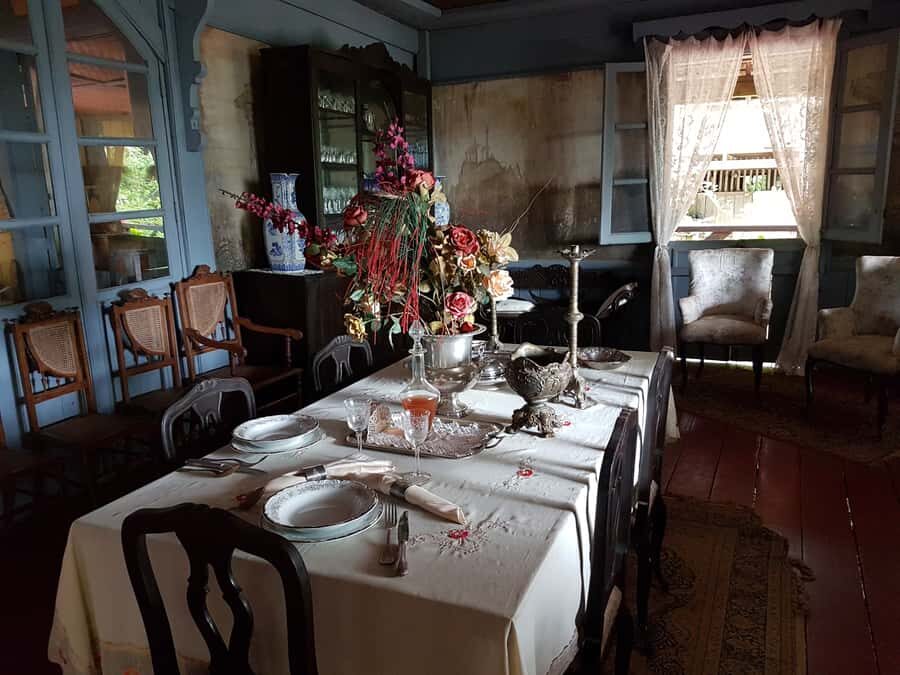
Next comes the Rubber Master House, and this is one of the anchors of the whole experience. The architecture is described as showing the wealth of Brazilian rubber plantations from the industry boom and the war effort. That’s a big claim, but you’ll feel the contrast immediately: you’re stepping into a building meant to impress, not to shelter tired workers.
I like this stop because it answers a hidden question many people have. Rubber wasn’t only “jungle work.” It was tied to money, influence, and national priorities. When you see a grand plantation house, you understand how profits traveled upward while labor pressure stayed closer to the ground.
Practical takeaway: if you want photos, this is a strong moment. If you want context, it’s even better—because once you’ve seen the grandeur, the quieter buildings that follow feel more meaningful.
Large Tent, Chapel, and Flour Warehouse: The Working World Behind the Romance
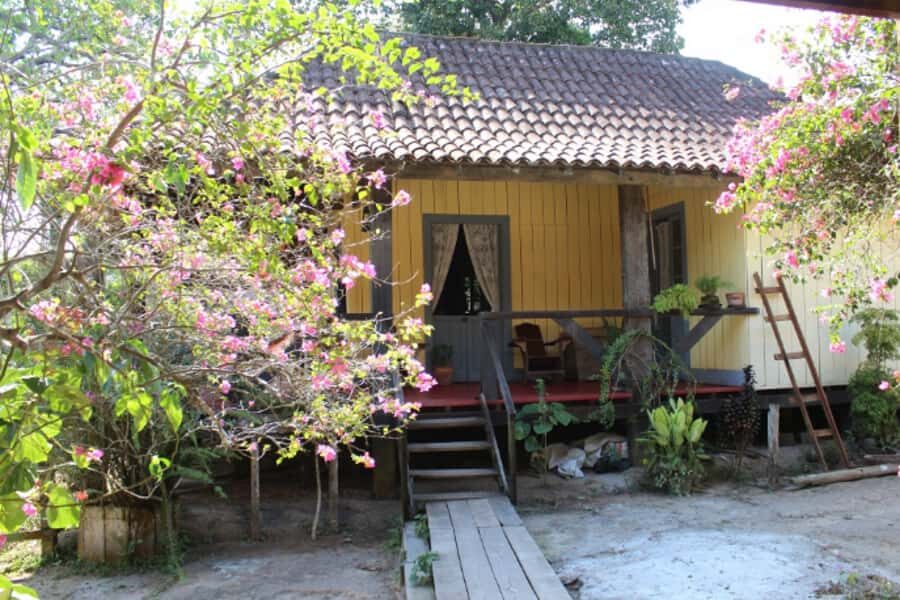
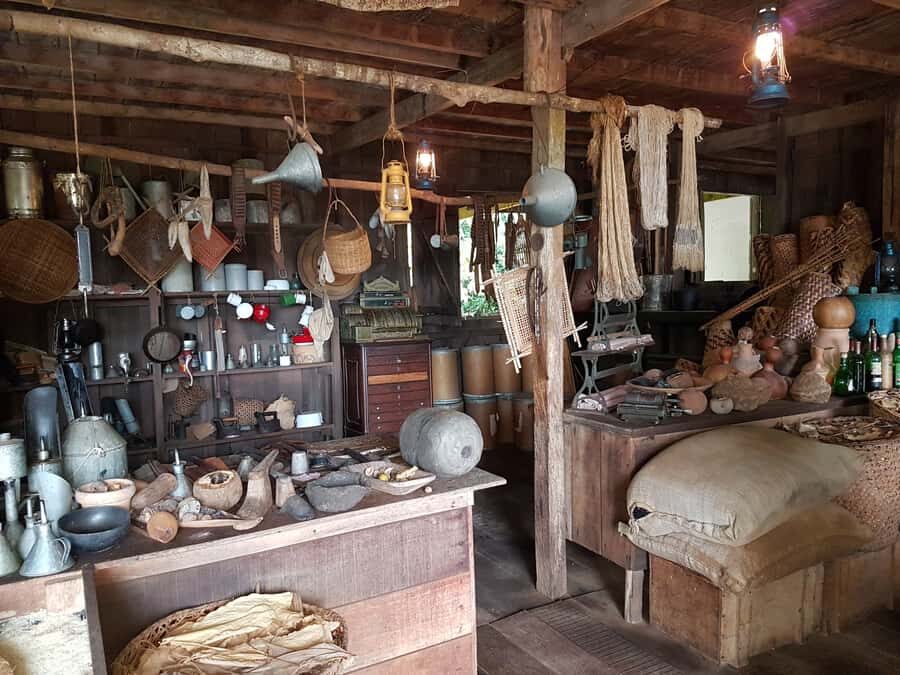
Inside the tour circuit, you’ll visit the large tent where rubber-making tools were kept. This is the “how it was done” part, and it’s usually where the details start sticking. Tools don’t feel abstract here. They look like the sort of equipment that lets workers keep repeating the process day after day.
Then you’ll see a chapel and a flour warehouse. Those two stops do more than add atmosphere. They show how communities were organized around work: food storage mattered, and religious space mattered. In other words, it was a workplace community with routine and structure, not just a remote extraction camp.
If your interest is anthropology or social history, this section is a good sign. It gives you everyday signals—tools and supply storage—so you can imagine what life was like between collection rounds.
The Short Jungle Trail: Collecting Latex From the Trees
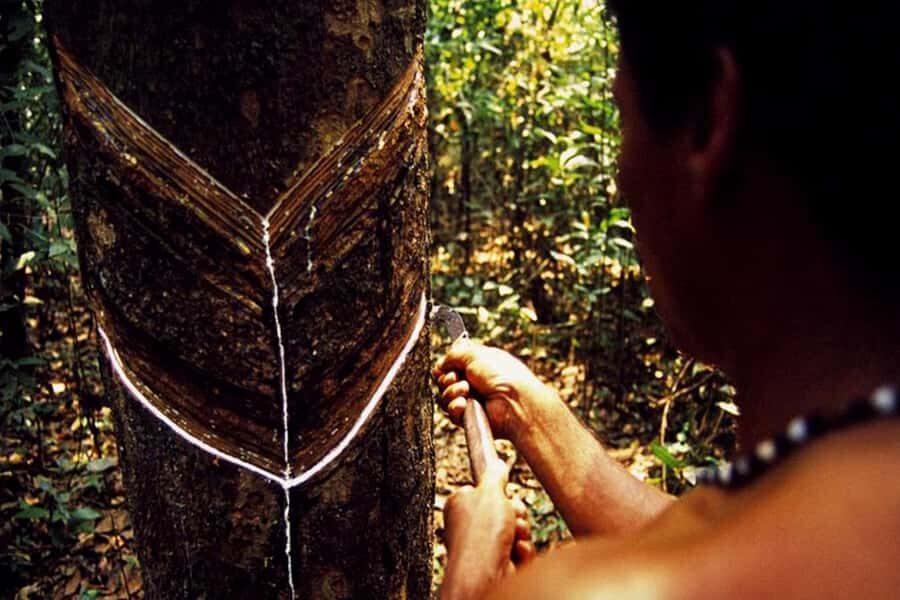
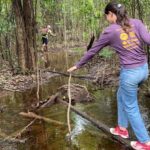
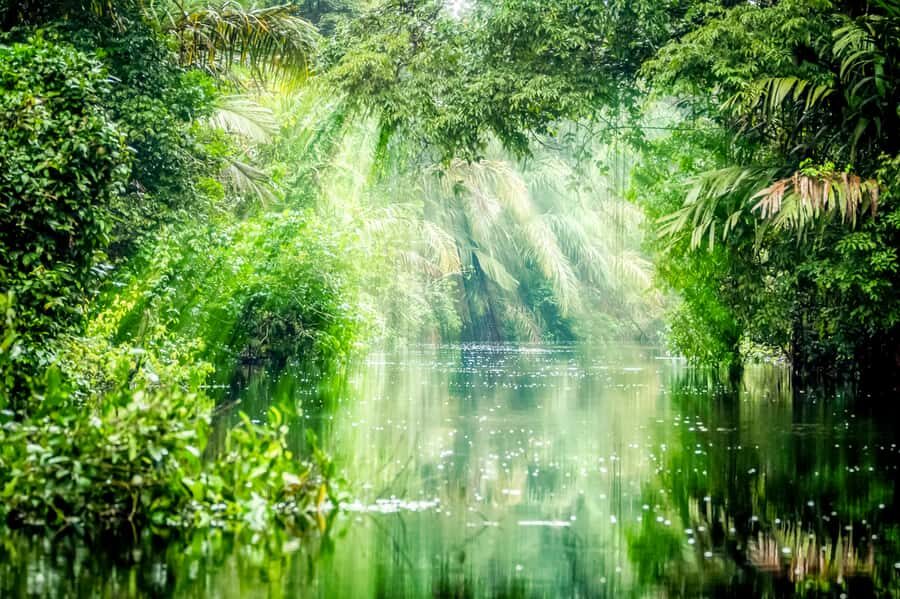
After the built spaces, the tour moves into a short trail into the jungle where rubber trees are visible, and you’ll witness the process of collecting rubber. This is where the story becomes physical.
You’ll see how the work connects directly to the tree. Even if you’ve read about latex before, seeing the process tied to living plants makes it feel real. It also helps you understand why geography mattered. The rubber tree wasn’t a prop. It was the source, so the workforce had to follow the trees and the workflow they enabled.
This part can be a highlight for people who don’t just want “Amazon pictures.” If you like practical, cause-and-effect learning—how you get from nature to a product—this is the portion that delivers.



Rubber Balls and the Smoking Stage: Turning Latex Into Export Rubber
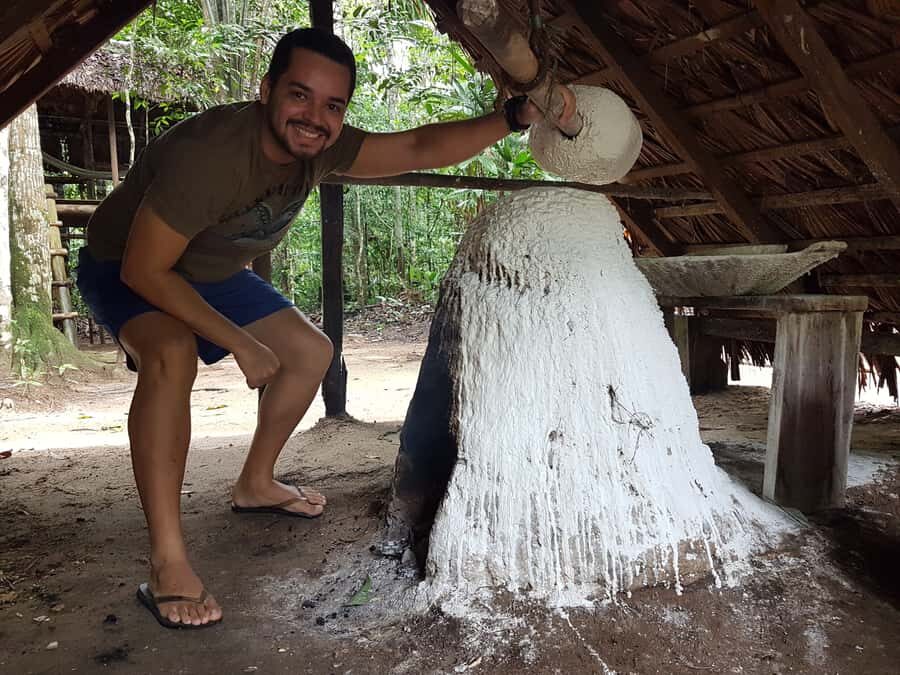
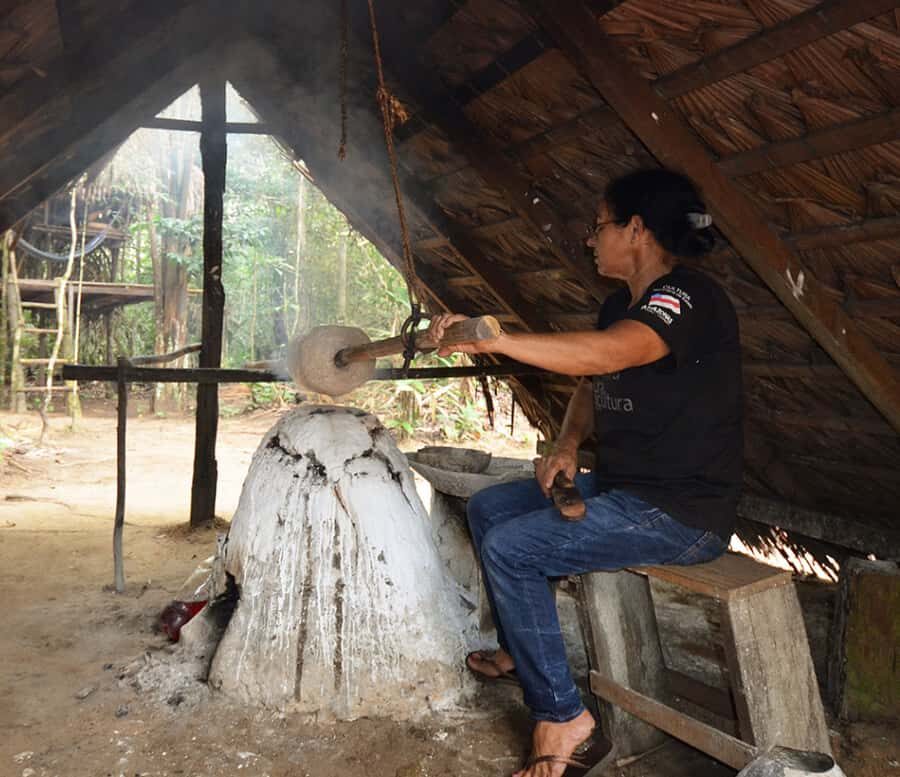
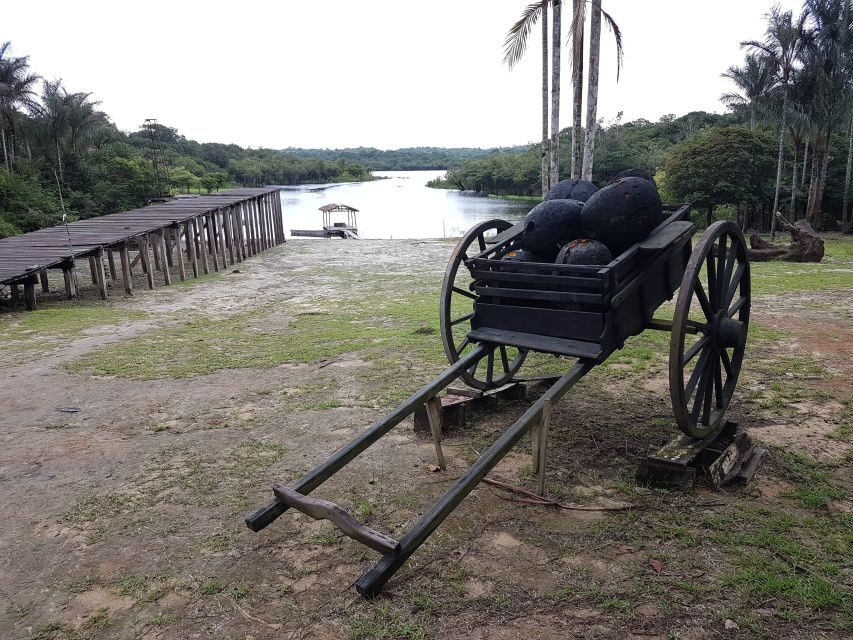
The tour includes a look at where rubber balls were placed to begin the smoking process. That’s a key step in the transformation from raw latex to usable rubber. It’s also one of the most memorable explanations, because it shows that the rubber wasn’t “collected and shipped as-is.” It needed preparation and controlled treatment.
If you care about craft or process, you’ll appreciate how this stop clarifies the timeline. You can connect it back to the warehouse and the shipping logic you saw earlier. Once you understand smoking as a step in quality and durability, everything else clicks.
One caution: since the tour time is limited (about 4 hours total), this is not an all-day workshop. You’ll get a clear overview, not a deep technical seminar. That’s fine for most people, but set that expectation if you’re the type who wants details like temperature, durations, or equipment specs.
Extractor Homes: Modest Houses and Daily Habits
You’ll also visit modest houses where rubber extraction employees lived. This is the emotional part of the route. Plantation buildings tell you about wealth. Home spaces tell you about the people who powered the system.
Even without a formal “story of a single person,” the layout and modest scale help you grasp the everyday reality of work camps: a place to sleep, live, and reset between collection tasks. If you’re paying attention, you’ll start building a mental map of how the day worked—work near the trees, returns to processing areas, and life inside the community spaces.
This is also where the tour can become more than a history lesson. It’s a reminder that behind every industrial story there’s a human routine—and a cost.
The Speedboat and Time Management: Comfortable, But Watch the Flow
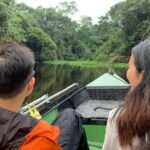
The tour uses a speedboat to head deep enough into the Amazon rainforest experience to make the journey feel like part of the story. Even on a shorter outing, the ride helps you shift from city pace to river pace.
That said, there’s a practical risk you should know before you go: some people have reported delays and an inefficient transfer rhythm, including waiting for a regular boat after arriving at an official harbor. The effect isn’t just “annoying.” It can eat into the time you hoped to spend inside the main museum spaces.
My advice is simple:
- Aim to be early at pickup and keep your schedule flexible.
- Don’t plan a tight same-day connection right after the tour ends.
Also, your experience depends on who’s guiding you and how English is handled. The tour host or greeter is listed as English and Portuguese, but real-world language support can vary. If English-only explanations are your priority, you should confirm before you depart.
Indigenous-tribe Stop: Potentially Important, Sometimes Uneven
A big attraction for this tour is learning about the life and habits of people who lived and worked during the rubber extraction era, including an indigenous component. This is where expectations need careful tuning.
The provided tour flow includes an indigenous visit within the experience, but quality can vary. In some cases, access can take extra effort, and you might end up visiting a tribe near Manaus rather than the one you expected. In other situations, the interaction can skew toward selling rather than sharing culture and daily life—meaning you get less conversation and more transaction.
So here’s what you should do: go in with an open mind and a question-ready approach. If culture-sharing feels thin, gently steer the conversation toward daily routines and traditional knowledge. If that still doesn’t happen, at least you’ll have gotten the main strength of the tour: the rubber history, tools, trees, and the homes.
Price and Value: When $160 Feels Fair and When It Doesn’t
At $160 per person for about 4 hours, this tour isn’t priced like a casual museum ticket. The value only really shows if you get:
- enough time inside the plantation buildings (especially the Rubber Master House and tool areas),
- a smooth, not-time-wasting transfer, and
- a guided explanation that ties everything together.
When the operation runs well, the museum section is the kind of experience you can’t replicate with a simple walk around town. You’re seeing specific steps: tools, chapel and storage spaces, a jungle trail to rubber trees, latex collection, rubber balls and smoking, plus extractor homes. That’s a full story arc in one outing.
When things don’t run smoothly, the $160 can feel steep because the parts that are easiest to “lose” are the museum time and the quality of guiding. If you show up to a transfer delay or end up with an indigenous interaction that doesn’t match what you hoped for, the price-to-experience ratio drops fast.
My bottom line: I think it can be worth it if you’re prioritizing rubber history and process details over a guaranteed cultural-tribe showcase. If you want a perfectly controlled, high-English, consistently timed itinerary, you should weigh the risk carefully.
Who This Tour Fits Best (and Who Should Skip)
This tour makes the most sense if you:
- like practical history (how something was produced and moved),
- want a structured look at the rubber extraction era rather than only “Amazon scenery,”
- enjoy small-group tours with a local guide and a fast, organized route.
It may not fit you if you:
- need mobility accommodations (people with mobility impairments are listed as not suitable),
- are pregnant (also listed as not suitable),
- want a long, slow, in-depth cultural exchange with indigenous communities.
If you’re an Amazon first-timer, this can complement a separate wildlife or river-boat plan. If you’re already deep into Brazil travel and want a unique theme day in Manaus, this one gives you a different story than the usual rainforest focus.
Should You Book the Manaus Rubber Museum Tour?
Yes—if your priority is the rubber extraction story and you’re comfortable with the fact that timing and the indigenous interaction can be variable. I’d book it when you want the Rubber Museum’s core strengths: the Rubber Master House, the working-tool spaces, the jungle trail to rubber trees, and the smoking-stage explanation, plus the extractor homes that add the human layer.
I’d think twice if you’re booking as your one big cultural hit and you strongly need a guaranteed, in-depth, English-heavy indigenous cultural experience on a precise timetable.
If you do book, pack patience. Ask clear questions early in the tour, and let the museum part be the reason you’re going.
FAQ
How long is the Manaus Rubber Museum tour?
The duration is 4 hours.
Where does the tour go from Manaus?
You depart Manaus to Vila Paraíso, which is connected to The Jungle movie set.
What is the main transportation during the tour?
You travel by speedboat deep into the Amazon rainforest experience.
How much does the tour cost?
The price listed is $160 per person.
Is the tour a small group?
Yes. It is limited to 10 participants.
Are hotel pick-up and drop-off included?
Yes. Pickup is available from hotels in Manaus, and drop-off is included.
What languages are offered for the host or greeter?
English and Portuguese.
What is included in the price?
Entrance fees, a local guide, hotel pick-up and drop-off, and a small-group tour.
Are food and beverages included?
No. Food and beverages are not included.
Who is the tour not suitable for?
It is not suitable for pregnant women and people with mobility impairments.
FAQ
When can I cancel for a full refund?
You can cancel up to 24 hours in advance for a full refund.
Are there different starting times?
Starting times depend on availability, so you’ll need to check what’s offered.