REVIEW · MANAUS
Manaus: MUSA and INPA Museums with Observation Tower Tour
Book on GetYourGuide →Operated by Amazon Amazing Tours · Bookable on GetYourGuide
Tower views beat any city skyline. This one-day stop inside the Adolpho Duck Forest Reserve pairs a guided look at Amazon science at MUSA with a climb to a 42-meter canopy tower. I like that the education is practical, not just dramatic jungle talk.
I also like the way the tour turns research into something you can point at: orchid and bromeliad nursery areas, lake and aquarium exhibits, and the museum’s lab-style displays tied to INPA’s work in the region. One drawback to plan for is logistics can be messy on some days—especially around pickup timing and rainy-season delays—so I’d confirm details early and bring gear for wet, muddy paths.
In This Review
- Key highlights worth planning around
- Where the day starts: MUSA inside the Adolpho Duck Forest Reserve
- What you’ll do at MUSA: orchids, aquariums, and INPA-linked exhibits
- The 42-meter observation tower: canopy views and practical stair reality
- Forest trails and wildlife chances: it’s not a zoo tour
- Price and logistics: where the value is, and where it can get messy
- Rainy-season mud and what to pack for the MUSA day
- Who should book this tour (and who should skip it)
- Should you book the Manaus MUSA and INPA museums tour with the tower?
- FAQ
- What’s included in the tour price?
- Do I need to buy museum tickets?
- How long is the tour?
- Is food and drinks included?
- How high is the observation tower?
- How big is the group?
- What languages will the guide speak?
- What should I bring?
- What’s not allowed during the tour?
- Is the tour suitable for mobility issues?
- What’s the cancellation policy?
Key highlights worth planning around
- 42-meter observation tower with serious stairs and a big forest-canopy viewpoint
- MUSA museum inside a 100-hectare reserve, linked to INPA research over 60+ years
- Small group size (up to 10), which usually makes Q&A more realistic
- Hands-on style exhibits like aquariums and lab displays for snakes, insects, and butterflies
- Hotel pickup and drop-off in Manaus, but you should still double-check timing
Where the day starts: MUSA inside the Adolpho Duck Forest Reserve
Manaus is a gateway city, but this tour doesn’t feel like a quick drive-by. You head to a preserved patch of forest right near town: the Adolpho Duck Forest Reserve, a 100-hectare area where you can walk under living canopy instead of just reading about it. It’s a smart way to get your bearings for the Amazon without committing to a multi-day jungle expedition.
Your day is built around a simple flow: you’re picked up in Manaus, taken to the museum area, and then the tour finishes with drop-off back at your hotel. That structure is good value if you want the benefit of local transport and guide support, especially since the reserve involves walking and a tower climb.
The big thing to know up front is that the museum entrance ticket is not included in the tour price. You buy it when you arrive—about 30 BRL—so go in expecting a small cash/transaction step before the walking begins.
You can also read our reviews of more museum experiences in Manaus
What you’ll do at MUSA: orchids, aquariums, and INPA-linked exhibits
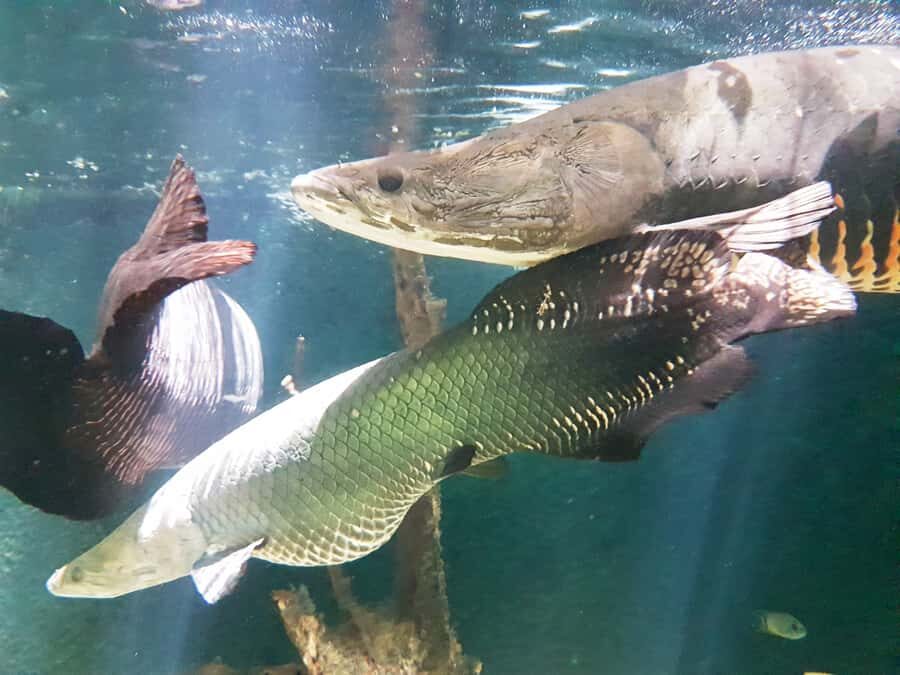
The core of your visit is Museu da Amazônia (MUSA), where the goal is to explain the Amazon ecosystem in a way you can actually visualize. After you arrive and purchase your entrance ticket, you walk through the museum with a bilingual guide in English and Portuguese (the guide may switch languages based on the group).
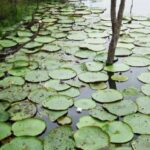
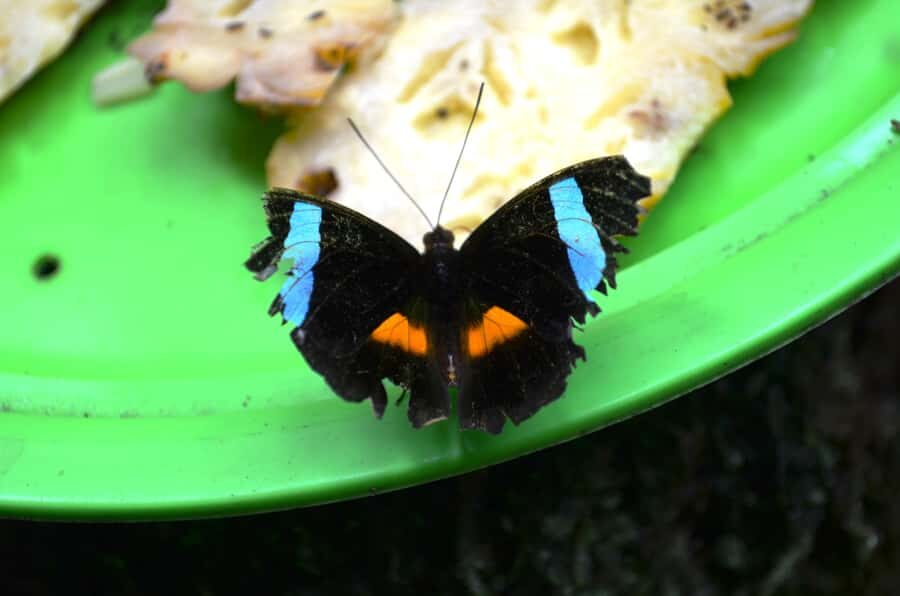
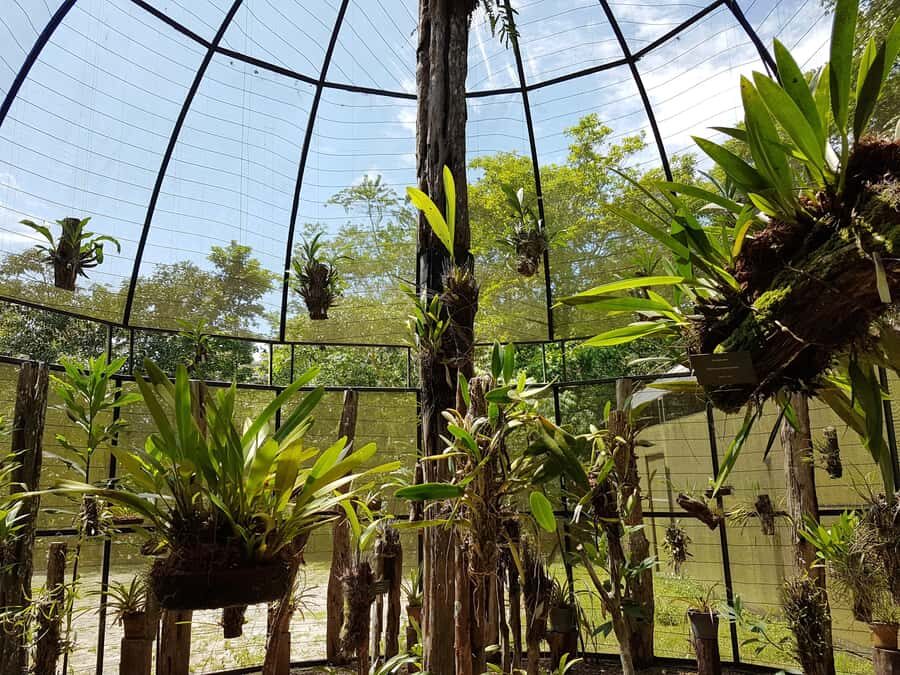
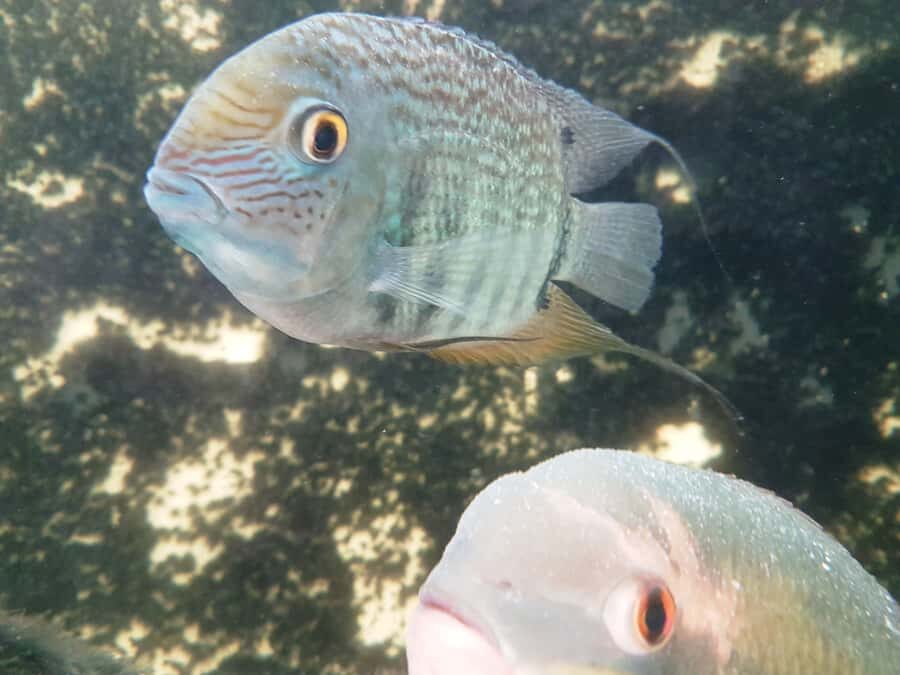
Inside, the museum experience is split between nature-themed displays and research-style areas. You’ll find an orchid and bromeliad nursery setting—plants that fit the Amazon’s “the forest is layered” story. There’s also a lake and aquariums, which help you understand that Amazon life is not only on land; it’s also in water systems that connect to the forest.
Then come the more lab-like, hands-on style spaces where you might see displays connected to snakes, insects, and butterflies. This is where a guide really matters, because the exhibits become less about looking and more about learning how the pieces fit together.
A real advantage here is that the tour is often run by guides who can explain what you’re seeing in plain language. One guide name that came up in excellent service experiences is Felix—the kind of guide who ties MUSA to a bigger picture of Manaus and Amazonia, not just the walls and labels.
If you’re the type who likes to ask questions, the small group size (limited to 10) helps. You’re less likely to get swept along like a museum conveyor belt.
The 42-meter observation tower: canopy views and practical stair reality
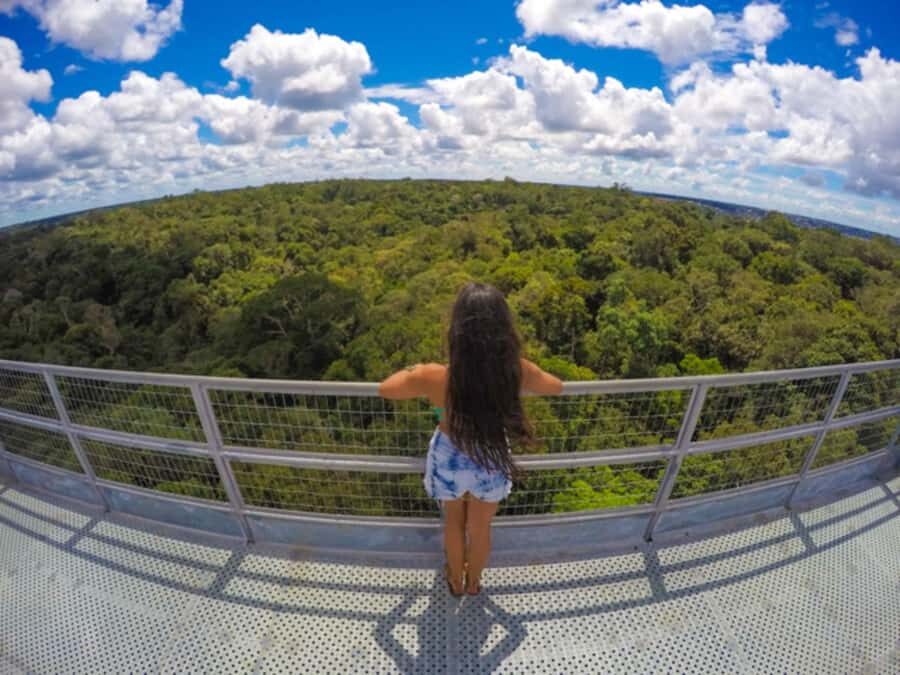
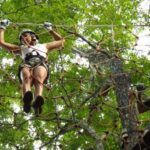
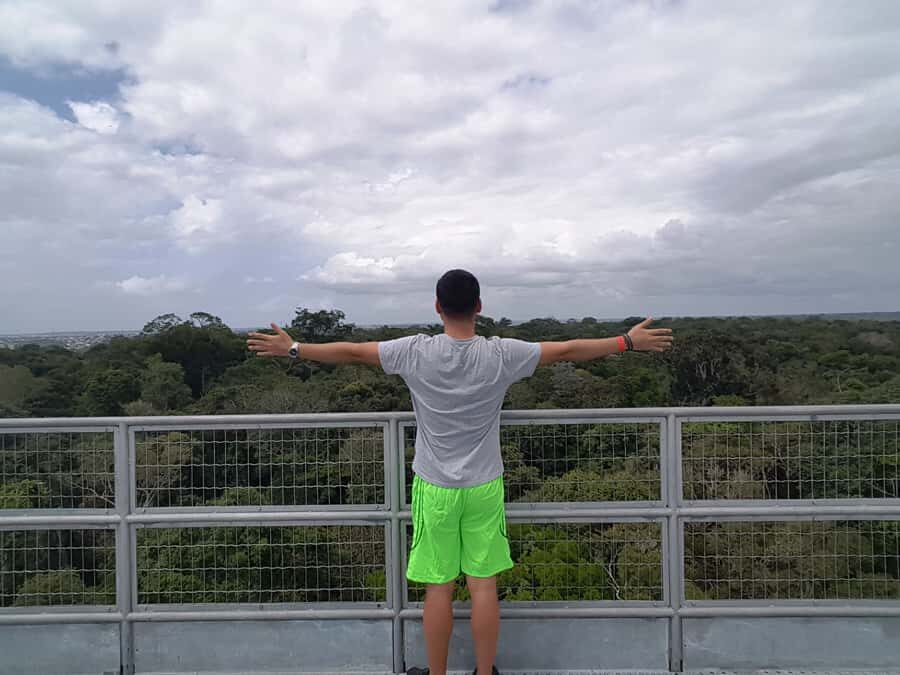
The headline moment is the 42-meter (138 foot) observation tower climb. This isn’t a casual “peek from a platform” stop. You’re going up high enough that you start to see forest patterns—how the canopy layers form a textured ceiling and how the reserve’s structure shows up from above.
This part of the day is also where your body matters. The information provided for the tour is clear that it isn’t recommended for people with mobility limitations or who have difficulty with stairs and longer walking routes. Even if you’re fine on uneven ground, think about the tower as a steady uphill climb rather than a quick photo op.
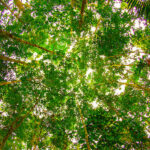
What makes the tower worth it is the shift in perspective. Up close, the forest can look chaotic. From above, it becomes readable: patches, layers, and the overall density of the canopy. It’s the kind of viewpoint that helps everything else you saw at MUSA click into place.
Forest trails and wildlife chances: it’s not a zoo tour
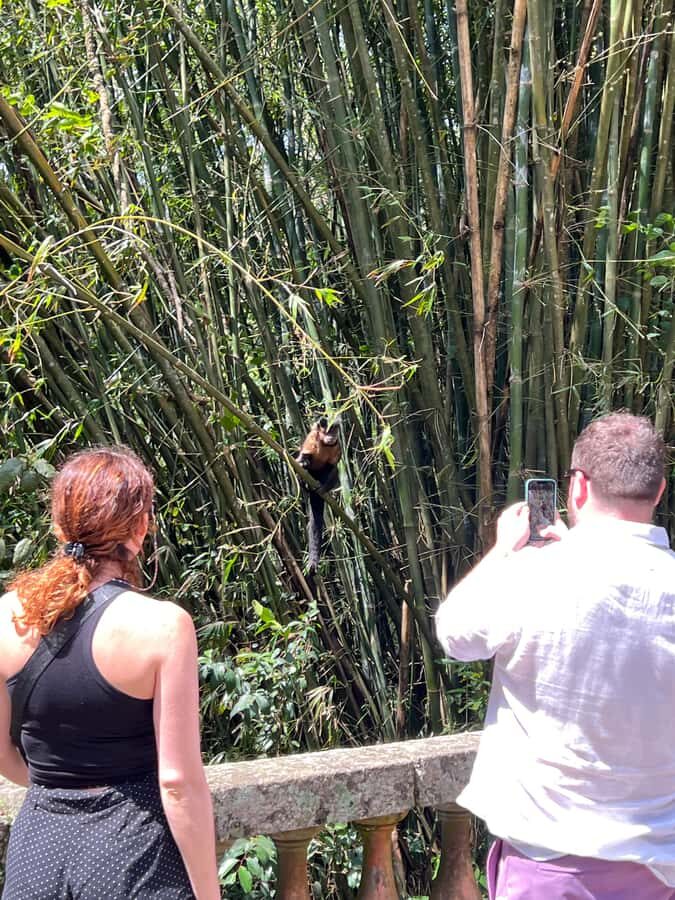
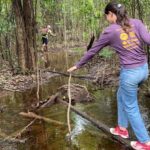
After the museum and tower, you spend time on forest trails around the property. This is where the day becomes more “walk and notice” than “watch and wait.” You’re not promised guaranteed animal sightings, but the experience is built for the chance to spot wildlife activity in a natural setting.
How you feel here depends on your expectations. If you want guaranteed wildlife viewing, this kind of reserve visit can disappoint on a quiet day. If you enjoy the Amazon as a sensory experience—humidity, bird calls, leaf textures, and the constant sense that life is moving—you’ll likely enjoy the slower pace.
I like this structure for one main reason: it keeps you outdoors long enough to feel like you’re in the Amazon, not just inside a museum. The walking routes are part of how you understand why the museum is located inside the reserve in the first place.
One practical note: the tour is not set up for big-bag travelers. There are restrictions on large bags and even oversize luggage, so travel light. Your comfort on the trails matters more than what you packed.
Price and logistics: where the value is, and where it can get messy
At about $50 per person for a one-day tour, the value comes from what’s included: round-trip transportation plus hotel pickup and drop-off in Manaus, and a bilingual guide. If you’d otherwise be juggling taxis, meeting points, or basic navigation to the reserve, that’s real convenience.
But you also have two costs/variables to keep in mind:
- Museum entrance tickets aren’t included (about 30 BRL, bought on arrival).
- Food and drinks aren’t included, so you’ll want a plan for water and a snack or meal timing.
The bigger issue isn’t the price—it’s how consistently the day runs. Some real-world problems show up around timing and communication. Examples include:
- confusion about meeting times and late starts,
- waiting for additional group members that don’t show up,
- rainy-season disruptions where arrivals become delayed,
- and, on at least one occasion, a situation where the start was off enough that the guide connection failed and people had to move around without full support.
I’ll put this plainly: if you only have one day in Manaus, you don’t want your schedule burned by a shaky pickup plan. So I recommend you treat the confirmed pickup time as fragile. Reconfirm with the operator the day before, and again the morning of pickup—especially if rain is in the forecast.
There’s another practical angle. The tour includes pickup, but you still have to manage the reserve day itself: walking paths, a high tower, and an indoor/outdoor mix. That means even a perfect day can still feel physically demanding. Budget extra time for getting settled, using the restroom, and buying your ticket on arrival.
Rainy-season mud and what to pack for the MUSA day
This is Amazon Brazil. Rain can turn the ground into something your shoes hate. The tour guidance is clear on what to bring: comfortable shoes, sunglasses, a sun hat, and sunscreen.
Also read the rules for your footwear: open-toed shoes aren’t allowed. That’s smart for safety on trails and around museum areas with displays. If you’re wearing sneakers, keep in mind that heavy rain can mean mud splatter on the ground and your footwear could get soaked fast.
One detail worth acting on: even when raincoats are available at a shop area, you may still want waterproof backup. If you’re arriving during the wet season, I’d ask what protective options exist right when you get there, so you’re not stuck improvising once the mud starts.
If you get motion sickness easily, know that the day involves transport by vehicle around Manaus, plus indoor museum time. The walking is not described as extreme hiking, but it does include multiple paths and the tower.
Who should book this tour (and who should skip it)
This is a good fit for travelers who want Amazon education plus a memorable viewpoint, without spending days in the jungle. The small group and bilingual guide are especially helpful if you want explanations in English and not just photos.
It’s also a strong choice if you value structure: pickup, museum time, tower climb, trails, then back to your hotel. That rhythm makes it easier to fit into a tight Manaus schedule.
But it’s not a match for everyone. The tour specifically states it’s not recommended for:
- people with mobility impairments,
- wheelchair users,
- those with back problems,
- people with heart problems,
- pregnant women.
Even if you don’t have those issues, consider the tower stairs and walking as the limiting factors. This is also why comfortable, enclosed shoes matter so much.
For photography lovers, the tower is the natural win. For kids or teens, it depends on their comfort with stairs and walking time. For older adults, the decision should hinge on whether they can handle the 42-meter climb and the trail portions.
Should you book the Manaus MUSA and INPA museums tour with the tower?
I’d book it if you want a one-day Amazon-focused experience that combines MUSA museum exhibits with the 42-meter canopy tower and a bilingual guide in a small group. The included transport and hotel pickup make it easy to do right, and the INPA-linked content gives the day more meaning than a simple sightseeing circuit.
I wouldn’t book it if your schedule is tight and you cannot absorb delays, or if stairs and longer walking are deal-breakers for you. And if rain is expected, plan for wet conditions from the start.
If you go, go smart: confirm pickup timing, travel light, wear closed comfortable shoes, and treat the ticket purchase on arrival as part of the plan.
FAQ
What’s included in the tour price?
Round-trip transportation plus pickup and drop-off in Manaus hotels, and a bilingual tour guide in English and Portuguese. Museum entrance tickets and food/drinks are not included.
Do I need to buy museum tickets?
Yes. The entrance tickets to the museum must be bought on the spot when you arrive (about 30 BRL).
How long is the tour?
This experience runs for 1 day. Starting times depend on availability.
Is food and drinks included?
No. Food and drinks aren’t included, so plan accordingly for water and a meal or snack timing.
How high is the observation tower?
The observation tower is 42 meters (138 feet) tall.
How big is the group?
It’s a small group, limited to 10 participants.
What languages will the guide speak?
The tour includes a guide in Portuguese and English.
What should I bring?
Bring comfortable shoes, sunglasses, a sun hat, and sunscreen.
What’s not allowed during the tour?
Pets aren’t allowed, and there are restrictions on oversize luggage and large bags. Open-toed shoes are not allowed.
Is the tour suitable for mobility issues?
It’s not recommended for people with mobility problems, wheelchair users, people with back problems, heart problems, or pregnant women.
What’s the cancellation policy?
There’s free cancellation up to 24 hours in advance for a full refund.