REVIEW · MANAUS
Manaus : Visit to MUSA (Amazon Museum)
Book on GetYourGuide →Operated by OLIMPIO CARNEIRO TURISMO · Bookable on GetYourGuide
Amazon forest time, inside Manaus. This MUSA visit lets you learn about the Amazon through exhibitions and then walk into real habitat in the Adolpho Ducke Forest Reserve. I love how it’s not just indoor displays; you get museum-to-forest pacing that makes the subject feel tangible.
I especially like the hands-on feel of the nurseries, where you can study animals like snakes, fish, and butterflies (plus fungi and bromeliads) at close range. The trails round it out with sensory details, so you notice how light, leaves, and smells shift as you move through the forest.
One watch-out: the price can feel sharp if you expect every possible trail or every paid garden area to be included. The botanical garden ticket isn’t listed as included, so I’d confirm what’s covered versus what’s extra.
In This Review
- Key highlights you’ll care about
- Entering MUSA: an Amazon museum that doesn’t stop at the walls
- MUSA exhibitions: how the museum explains habitats and human food traditions
- Nurseries for snakes, fish, butterflies, fungi, and bromeliads
- Adolpho Ducke Forest Reserve trails: primary forest in a city
- Observation tower sunset: your last look at the Amazon from within
- Price and logistics: what $80 buys you in a 6-hour outing
- What kind of guide experience you can expect
- Who should book this MUSA + forest reserve visit
- Should you book MUSA (Amazon Museum) in Manaus?
- FAQ
- How long is the MUSA (Amazon Museum) visit?
- What’s included in the price?
- Is food included?
- Are MUSA Botanical Garden tickets included?
- What should I bring?
- What languages are the live guides available in?
Key highlights you’ll care about
- Largest preserved urban forest fragment in Manaus, right inside the city
- Adolpho Ducke Forest Reserve trails on primary-forest paths in an urban area
- Nurseries for snakes, fish, butterflies, arachnids, fungi, bromeliads, and more
- Observation tower at sunset for a final look over the canopy from within the reserve
- Live multi-language guide (Spanish, English, French, German) who helps you connect the exhibits to what you see outside
Entering MUSA: an Amazon museum that doesn’t stop at the walls
MUSA is set up for people who want more than photos and facts. It’s described as the largest fragment of preserved forest within Manaus, and that matters because you’re learning in the same ecosystem you’re walking through. The whole outing is designed as a bridge between museum knowledge and living nature.
I like that the experience is structured around themed learning. You start by understanding Amazon life and habitats, then you shift toward specific plants and animals you can observe in the nurseries, and finally you move into the forest reserve trails.
Because it’s a collective tour, you’ll be guided through the same core stops in a shared rhythm. That’s a plus if you like direction and hate guessing your way around, but it’s less ideal if you want total freedom to linger wherever you choose.
You can also read our reviews of more museum experiences in Manaus
MUSA exhibitions: how the museum explains habitats and human food traditions
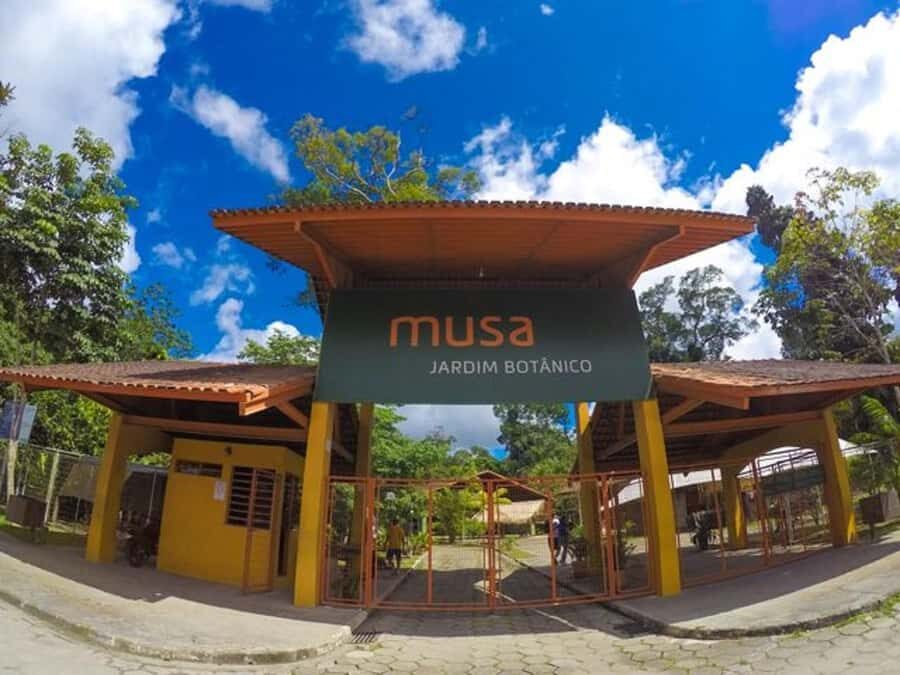
Your first big block is the exhibition area, built to show both the socio-cultural and the biological diversity of the Amazon. You’ll move through themed displays and forest trails, with explanations that connect environments, species interactions, and traditional flavors.
In practice, that opening section gives you a mental map. Before you step onto the trail system, you’re already thinking in terms of habitats, roles in the ecosystem, and how animals and plants relate to each other. It’s also a good time to ask questions, because your guide can connect what you’re seeing on the walls to what you’ll encounter outside.
A small consideration: some content is shown in the original language. Since the tour offers guides in Spanish, English, French, and German, you should have support in your language, but the room signage or certain labels may not fully switch over.
Nurseries for snakes, fish, butterflies, fungi, and bromeliads
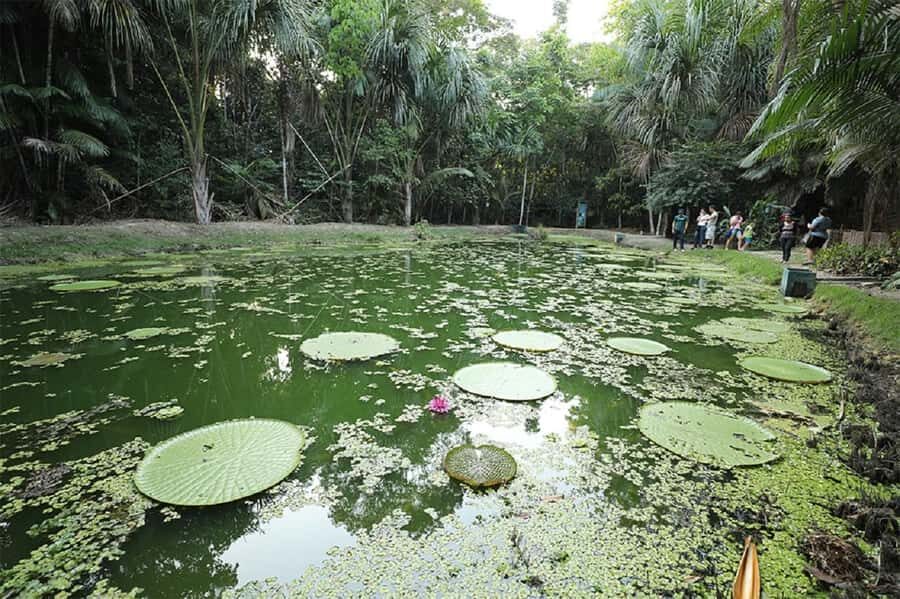
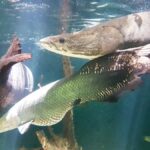
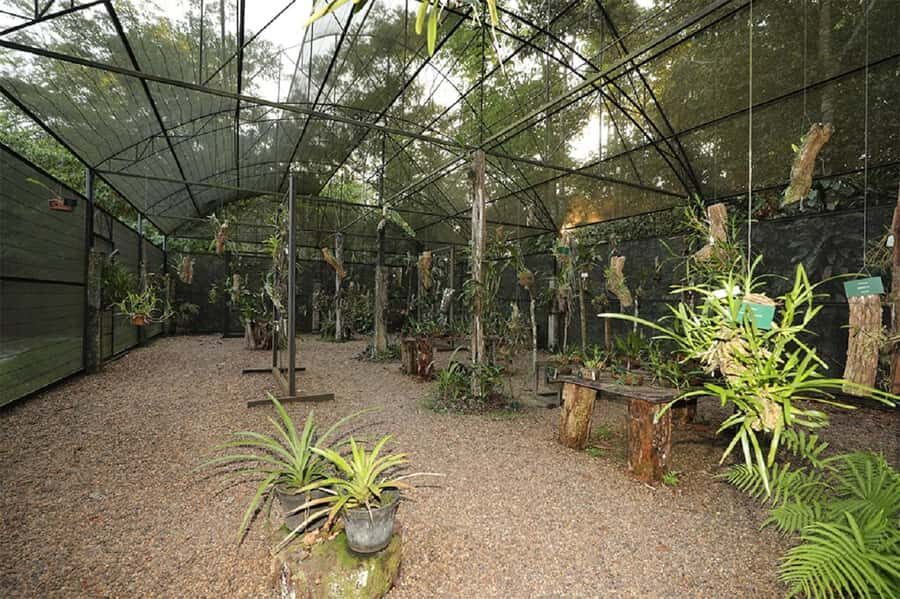
After the exhibitions, the experience shifts into observation mode with nurseries and contemplation spaces. This part is designed to slow you down and look closely—shapes, colors, and sizes—rather than just moving past animals as silhouettes.
Here’s what you can expect to encounter in the nursery setup: snakes, fish, butterflies, arachnids, fungi, bromeliads, and the items listed as Amazon victories. The point isn’t just that they’re there; it’s that the exhibits help you notice details that are easy to miss in the wild.
I like that this section makes the forest feel less mysterious. When you later walk the reserve trails, you’re already primed to recognize patterns—leaf shapes, growth forms, and how different species occupy different niches. Even if you’re not a “bug person,” this portion gives you a reason to look.
If you’re going with kids or family, this is often the moment where interest clicks. It’s easier to stay focused when you’re studying something specific and visible, with a guide there to translate what it means.
Adolpho Ducke Forest Reserve trails: primary forest in a city
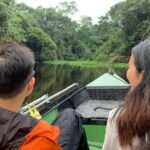
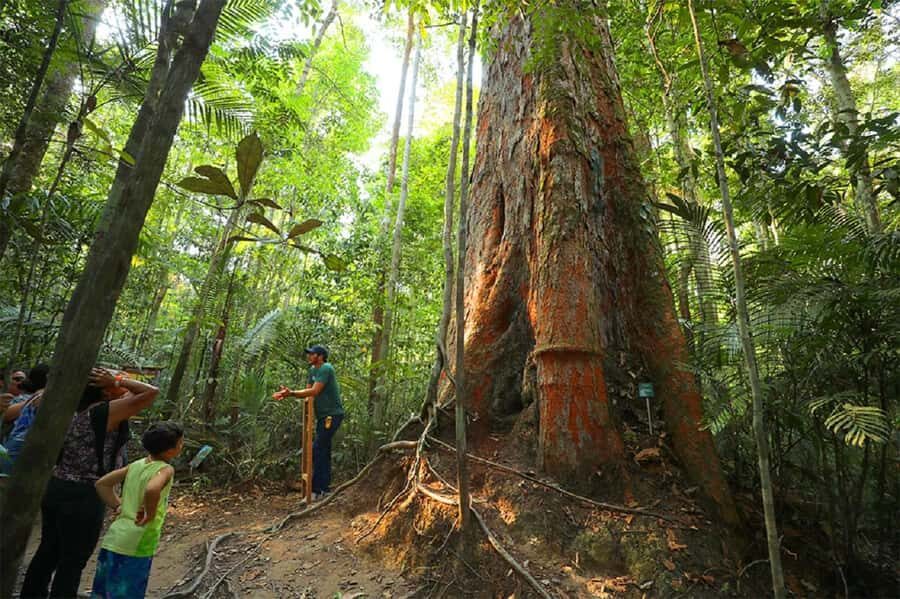
Then you step into the Adolpho Ducke Forest Reserve trails, described as one of the few primary forests in an urban area in the world. This is the heart of the experience for me, because it’s where the Amazon stops being a concept and becomes your surroundings.
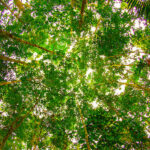
Your walking time is framed as close-up observation: birds and insects, leaves, vines, and the changing way the canopy filters light. The description also leans hard into sensory learning—perfumes, resin smells, and the scent of compound and decomposed wood, plus light and shadows.
That last bit is practical, not poetic. When you know what to pay attention to—resin smells, decomposing wood, and how sound changes—you start noticing forest health signals that most people miss. You also tend to walk more slowly, which makes the trail more rewarding.
Two practical notes matter here:
- Closed-toe shoes are required, and you’ll be happier with good traction.
- Expect a damp, uneven environment vibe typical of rainforest settings, even if the tour doesn’t spell it out.
The reserve walk is also where the guide’s skill shows. A few guides have been called out as excellent explainers—Nathan is specifically mentioned for strong guidance—so if you get someone like that, you’ll get more meaning out of each stop.
Observation tower sunset: your last look at the Amazon from within
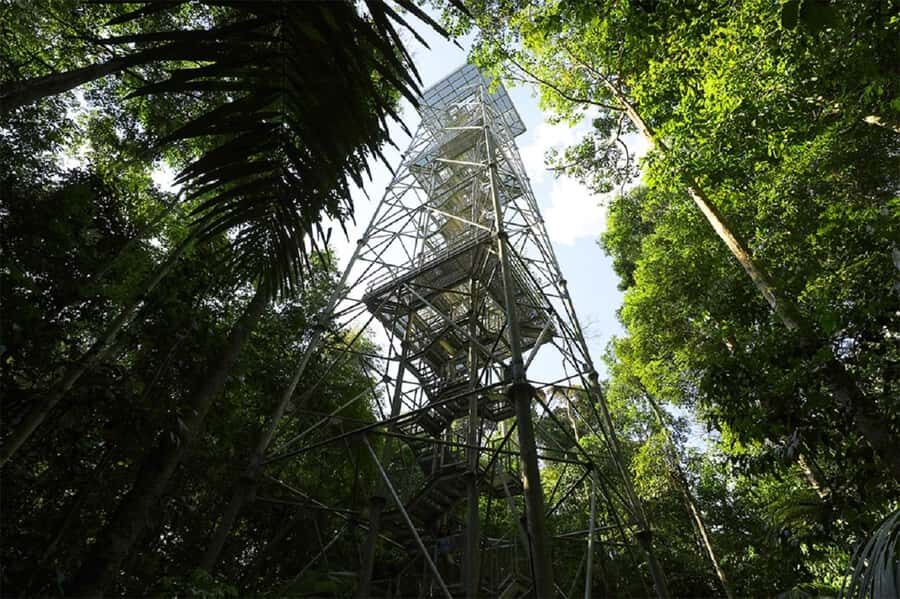
At the end of the afternoon, the tour brings you to the observation tower inside the reserve. This is your “pause and absorb” moment, where you climb for a view and then watch the change in conditions as the sun drops.
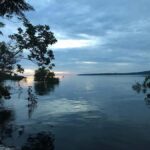
The experience is presented as a unique moment: witnessing an Amazonian sunset from a perspective you don’t usually get. In a place like this, sunset isn’t just pretty sky—it’s when animal activity and lighting shift, which changes how the forest looks and sounds.
I think this stop also serves a smart purpose. After hours of learning, nursery observation, and trail walking, you’re ready to take it in as a whole system again. The tower gives your brain a final wider-angle picture.
It’s also a good time to check how your guide is handling the group. Since it’s collectively run, you’ll likely stay together, but a good guide will help you time the climb and the best viewing moments without making it feel rushed.
Price and logistics: what $80 buys you in a 6-hour outing
The listed price is $80 per person for a total duration of 6 hours. What you get for that price is more than just a ticket-less entry: you have transportation and a licensed guide included.
Transportation is handled by a car/van/bus run by professional drivers, licensed by the tourism office. That’s a real value add in Manaus, where crossing town efficiently can eat time. It also reduces decision fatigue: you don’t have to arrange your own rides or worry about finding the right meeting spot.
You also get a skip the ticket line benefit. That helps if you’re squeezing the experience into a short itinerary.
Here’s the part to be smart about: food and drinks are not included. A 6-hour half-day can easily turn snack-less, especially with walking involved, so you’ll want to plan accordingly.
Also, tickets to the MUSA Botanical Garden are not included. If botanical garden access is on your must-do list, treat it as separate value rather than assuming it’s bundled.
Finally, there’s a key “value fairness” point based on what some visitors found frustrating: if your expectations are that your guide leads you onto every possible optional path with no extras, you could feel disappointed. I can’t confirm how every specific trail decision works day-to-day, but the safest approach is simple: before you book, confirm exactly what’s included inside the reserve walk and whether anything beyond the core route could require additional payment.
What kind of guide experience you can expect
The tour offers live guides in Spanish, English, French, and German, and the guide is licensed. That matters because the learning is tied to what you physically see: exhibitions connect to nurseries, nurseries connect to trail attention, and the tower caps it.
Specific guide names have shown up in bookings. Lorenzo has been mentioned with French language support, and Nathan has been praised for being an excellent guide. That’s not a guarantee for your date, but it’s a useful signal: when the guide clicks, the whole day clicks.
So how do you spot whether you’ll like the guide format? Look at the style of the tour itself: it’s collectively run, with a set sequence. If you want someone to explain the “why” behind the forest details rather than just escort you from A to B, you’ll likely enjoy the structure.
If you prefer total self-direction, you might feel constrained by a group pace. In that case, you’d consider going independently and letting your curiosity drive longer stops.
Who should book this MUSA + forest reserve visit
This is a great choice if you:
- Want a half-day Amazon experience without needing complicated planning
- Like guided context for both wildlife and the human side of the Amazon
- Enjoy walking a real forest trail where birds and insects are part of the show
- Want a sunset viewpoint without having to figure out tower timing yourself
It’s also family-friendly in the sense that the nursery stage gives people something concrete to look at. Snakes, butterflies, fungi, and bromeliads are the kind of subjects that keep attention longer than general “look at the jungle” tours.
It may be less ideal if:
- You’re extremely budget-focused and want to minimize any chance of add-ons beyond the stated route
- You don’t like group pacing and would rather wander on your own schedule
Should you book MUSA (Amazon Museum) in Manaus?
Yes, book this if you want an efficient, guided, and structured introduction to Manaus’s preserved Amazon ecosystem. The mix of exhibitions, nurseries, primary-forest trails, and the observation tower sunset is a strong value pattern for a 6-hour outing, especially with transportation and a licensed guide included.
Before you confirm, do two quick checks to protect your wallet: verify whether your ticket includes the specific garden you care about (the botanical garden is listed as not included), and make sure you understand what trails are part of the core tour versus anything optional that could cost extra.
If you like learning by combining indoors and outside, this is one of the more practical ways to spend a half-day in Manaus.
FAQ
How long is the MUSA (Amazon Museum) visit?
The duration is 6 hours, with multiple parts that move from museum spaces to nurseries, then into forest trails, ending with the observation tower at sunset.
What’s included in the price?
Transportation is included, along with a licensed live guide. The tour is described as a group experience, and there is also skip-the-ticket-line service.
Is food included?
No. Food and drinks are not included, so you’ll want to plan for that during your 6-hour time block.
Are MUSA Botanical Garden tickets included?
No. Tickets to the MUSA Botanical Garden are listed as not included.
What should I bring?
Bring closed-toe shoes.
What languages are the live guides available in?
The live tour guide is available in Spanish, English, French, and German.