REVIEW · MANAUS
Manaus: City Tour
Book on GetYourGuide →Operated by Amazon Wild Cabana Jungle Tours · Bookable on GetYourGuide
Rubber-boom Manaus has surprises. This 3-hour guided walk helps you connect the colonial buildings you see in town with the bigger story of how Manaus grew around the jungle—then it backs that up with real Amazon ecosystem talk from local hosts. I especially like the focus on architecture (so you can actually read the city with your eyes) and the hands-on feel of learning from people who live here.
One thing to keep in mind: language availability can depend on who’s scheduled. One booking experience reported a start about 1 hour later and no German guide, even though German was expected—so if language matters a lot to you, plan with a little flexibility.
In This Review
- Key highlights at a glance
- Getting your bearings with Teatro Amazonas as the anchor
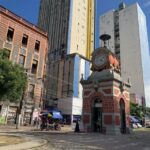
- Portuguese and Spanish colonization: reading the city’s architecture
- The rubber boom story and how a jungle city grew
- Municipal Market stop: a practical taste of local life
- Local food, crafts, and the value of being guided to good choices
- Learning about the Amazon ecosystem from hosts, not textbooks
- Night in Manaus: where to go after the walking ends
- Price and value for an $80, 3-hour city tour
- Who should book this tour
- Should you book this Manaus City Tour?
- FAQ
- How long is the Manaus City Tour?
- Where does the tour start?
- Where does the tour finish?
- What does the tour cost?
- What languages are available for the live guide?
- What’s included in the price?
- Is free cancellation available?
Key highlights at a glance
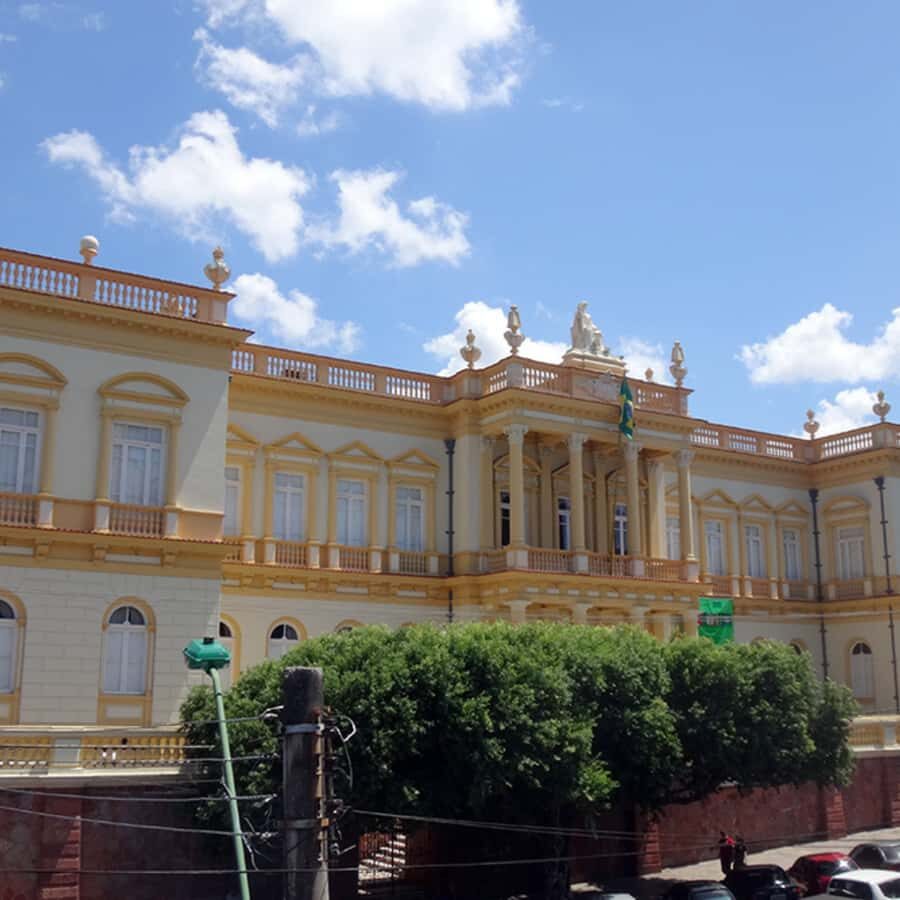
- Teatro Amazonas start and finish: you begin in the most famous landmark and end there, so it feels like a loop back to the city’s “big stage.”
- Portuguese and Spanish colonization themes: you’ll learn how those European influences shaped buildings and city life.
- Rubber-era architecture and history: you connect “why this exists” to the growth of Manaus during the rubber boom.
- Municipal Market stop: you’ll use the market area to ground the tour in day-to-day local culture.
- Local food recommendations with where to eat: you don’t just hear names—you get direction on what to try and where.
- Family-style hosting: the tour is designed so you feel comfortable asking questions and settling into the story.
Getting your bearings with Teatro Amazonas as the anchor
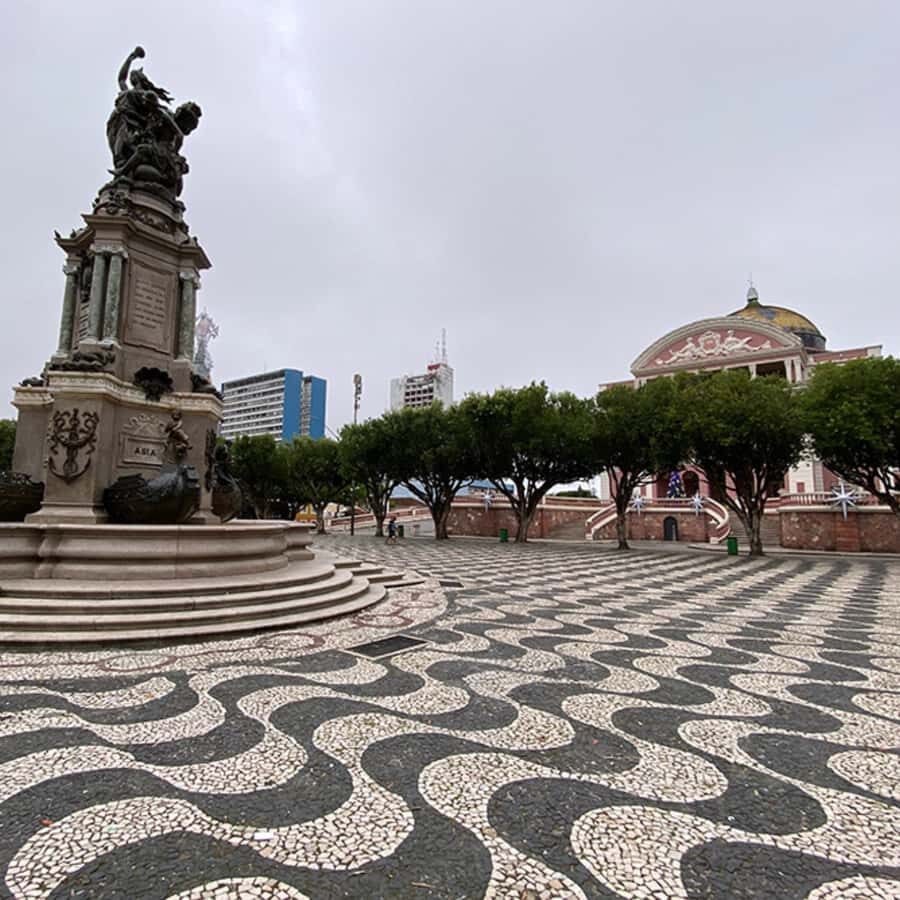
Manaus can feel like a city that grew fast and far from everything. What helps most on this tour is that it uses Teatro Amazonas as your reference point from start to finish. You meet at Rua 10 de Julho, 679, then the outing is structured to make the city’s identity click: the grand theater, the colonial-era streets, and the market area all become parts of the same explanation.
I like tours that don’t send you wandering without a spine. Here, you’re guided through the “how Manaus formed” storyline in a short timeframe, so even if you have only a bit of time in town, you’ll leave with a clearer map in your head—where the history is visible and where local life carries on.
You can also read our reviews of more city tours in Manaus
Portuguese and Spanish colonization: reading the city’s architecture
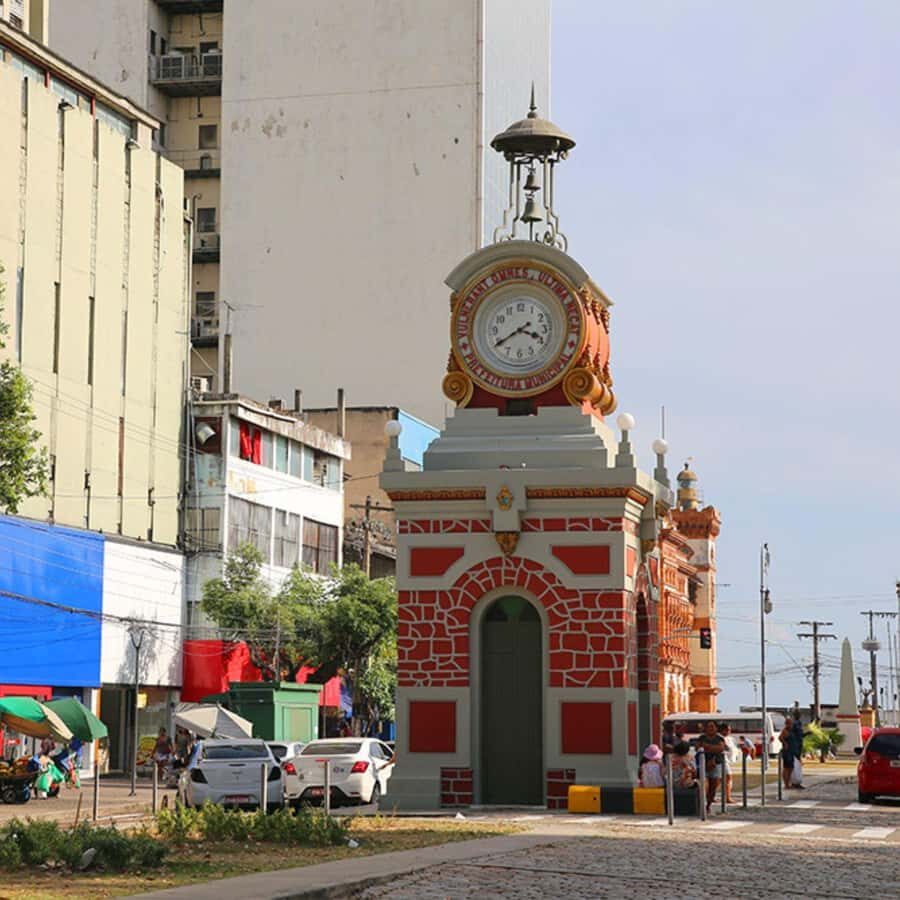
This tour doesn’t treat colonial-era influence like trivia. You start with the idea of how Portuguese people lived during colonization, then you walk toward the areas where you can spot colonial buildings and talk architecture with your guide.
That matters because Manaus is easy to misunderstand if you only think in terms of jungle nature. The city also has a human-built layer—materials, styles, proportions, and civic spaces—that were shaped by colonization and trade. When your guide points out what to notice (and why certain forms ended up where they did), you stop seeing random old facades and start seeing a pattern.
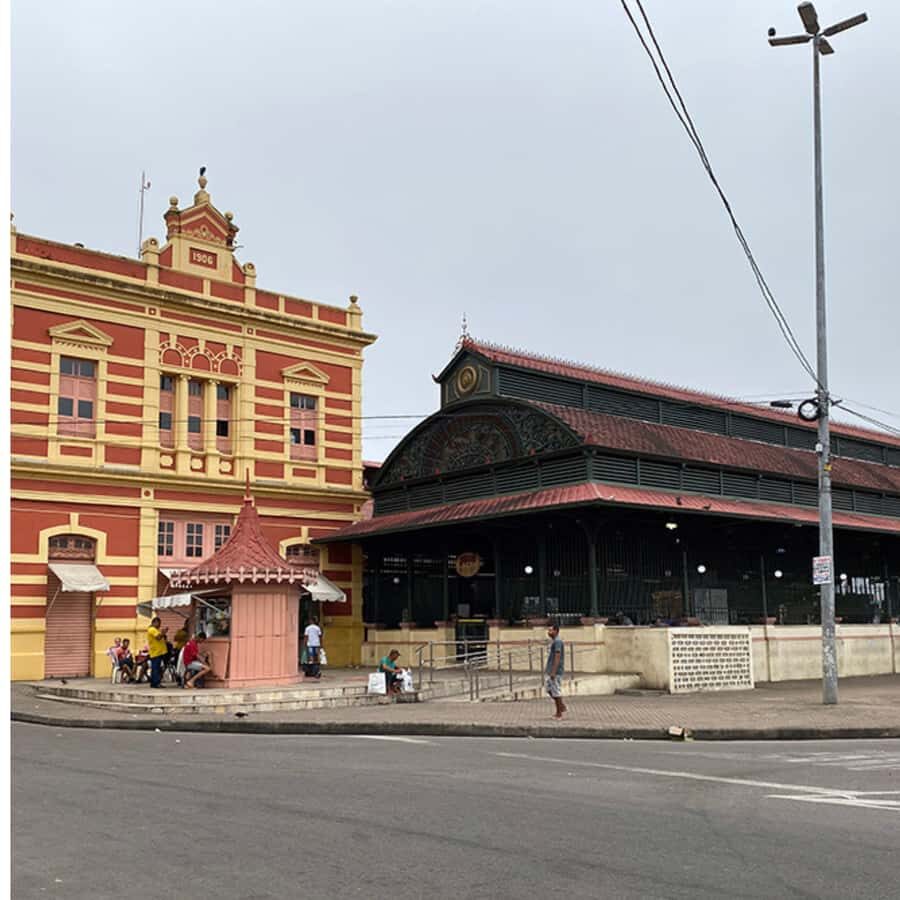
As you move toward the municipal market zone, the tour connects architecture to context: who had influence, how the city was planned (at least in part), and how a place inside the Amazon ecosystem could still develop “urban” landmarks. Even if your Spanish, Italian, German, Portuguese, or English level varies, the story structure is meant to keep you oriented.
The rubber boom story and how a jungle city grew
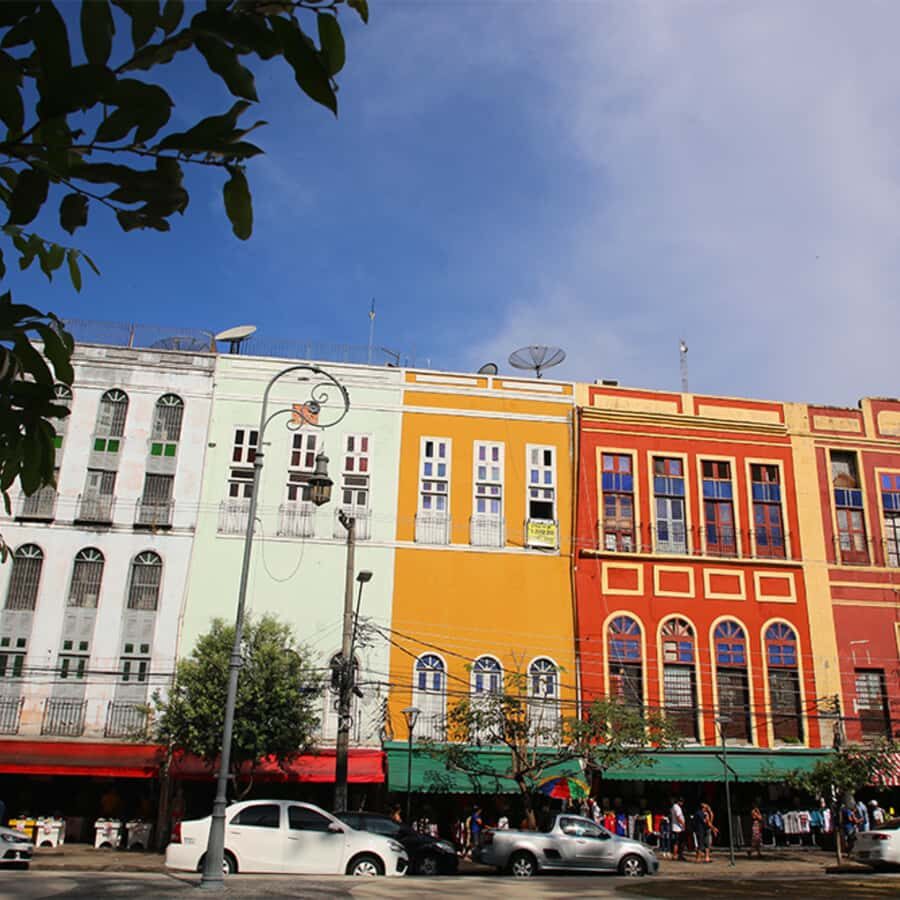
One of the tour’s most useful sections is the talk about the history of the rubber era and how different colonization waves helped build a city inside the jungle. Rubber is one of those topics that can sound abstract—until you realize it affected labor, wealth, migration, and the kind of buildings that got financed.
I like this approach because it turns history into something you can connect to what you’re standing near. The idea isn’t just that rubber made money. It’s that rubber-era demand helped define the pace and direction of Manaus’s urban development. When your guide explains that, you understand why the city has its big contrasts: grand structures alongside the practical realities of life in the Amazon region.
If you’ve got even a small interest in economic history or how boom-and-bust periods reshape cities, this portion is likely to be a highlight. It gives you language to talk about what you’re seeing beyond “pretty buildings.”
Municipal Market stop: a practical taste of local life
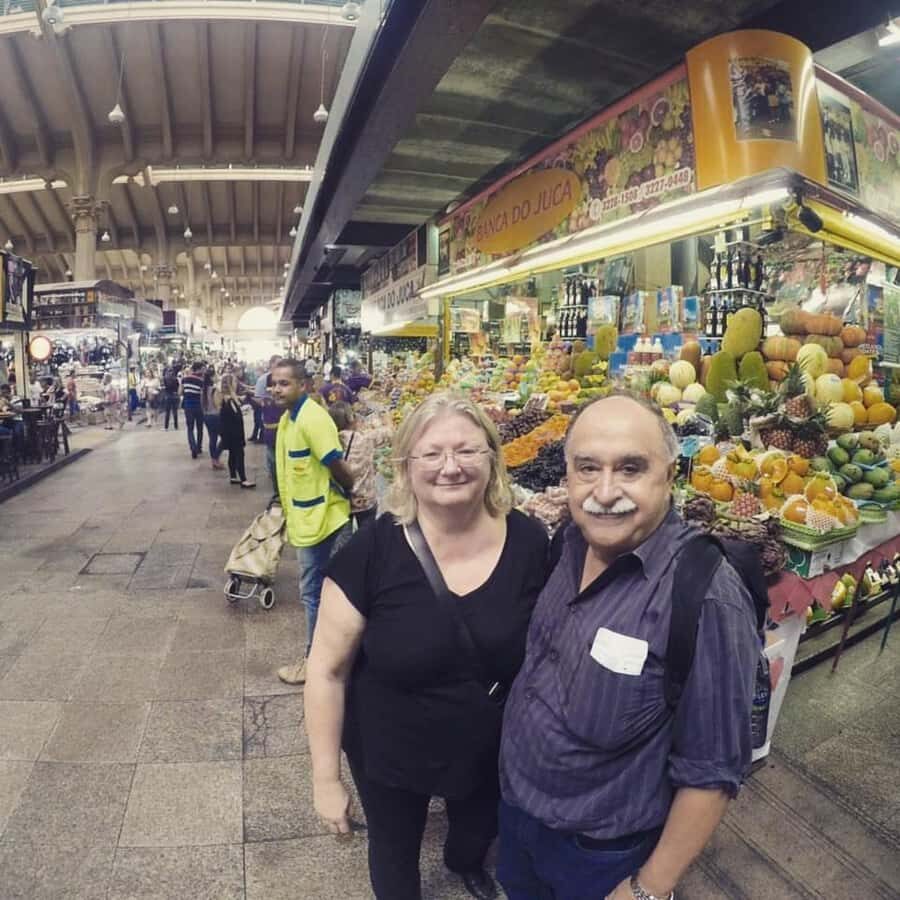
The tour includes a visit to the municipal market, which is a smart choice for a city experience. Markets are where you see a city’s everyday rhythm: food, goods, and the kind of small exchanges that don’t show up in postcard views.
I find market stops especially valuable on short tours because they keep the story grounded. Instead of only talking about Europe-to-Amazon influence in theory, you also get a sense of how daily life works now. And since the tour includes local food recommendations (plus where to eat it), the market is more than scenery—it’s part of your “what to do next” plan.
Tip for getting the most from the food part: don’t wait until the end to ask what you should try. If there’s anything you can’t eat (vegetarian needs, allergies, or foods you simply don’t want), say it early. Guides usually tailor recommendations on the fly when you give them constraints.
Local food, crafts, and the value of being guided to good choices
A lot of tours promise food, then give you vague advice. This one aims to do better: you’ll get local food recommendations and guidance on where to eat it. That’s real value in Manaus, because “best place” often depends on what’s fresh, what’s popular with locals, and what’s nearby for your schedule.
The tour also includes crafts and curious places, which can mean different things depending on the route and day. The key is that you’re not left to figure it out alone. You get direction on what’s worth your time and how to interpret what you’re seeing.
One of the best aspects here is the host-style approach. The tour is described as helping you feel at home with your hosts, almost like family. In practice, that usually means you’ll get more conversation and fewer awkward silences—so you can ask follow-up questions about food, materials, and what daily life feels like in the Amazon region.


Learning about the Amazon ecosystem from hosts, not textbooks
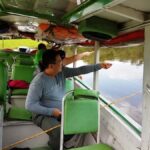
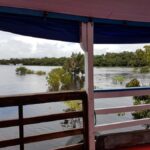
Another highlight is learning about the Amazon ecosystem from local hosts. That’s important because it’s easy for city tours to become purely architectural or purely historical. Here, the ecosystem connection helps you understand why Manaus isn’t just a city in the Amazon—it’s a city shaped by Amazon conditions.
You’ll hear the ecosystem story in a way meant for real people in real time. Instead of flooding you with science terms, your hosts focus on what matters for living and for seeing. It’s the kind of context that can change how you experience the region afterward, especially if you plan to add a jungle day later.
Also, the tour includes extra recommendations if you haven’t booked a jungle immersion yet: you can ask for the best lodges for a personalized stay. Even if you don’t book anything immediately, this is useful. It saves you from random guesswork later.
Night in Manaus: where to go after the walking ends
The tour also provides recommendations on where to go out at night so you have an incredible experience in Manaus. In a city that can feel confusing at first, that kind of inside direction is gold.
You’ll likely walk away with a shortlist of options based on what you want to do: a casual evening plan versus something livelier. Since the guide is already shaping your understanding of the city, night recommendations feel like the “next chapter,” not a separate tourist add-on.
My practical advice: tell your guide what pace you want. If you’d rather be in places where it’s easy to talk and stay comfortable, say that. If you want more energy, say that too. You’ll usually get better suggestions when expectations are clear.
Price and value for an $80, 3-hour city tour
At $80 per person for about 3 hours, you’re paying for a guided storyline plus practical recommendations. This isn’t a long excursion, so the value depends on what you want most: history + city context + food direction in a compact format.
Here’s why the pricing can make sense:
- You get a guide with multiple language options (Spanish, Italian, German, Portuguese, English).
- You cover several meaningful city elements: colonial architecture, rubber-era history, and a market stop.
- You leave with local food guidance and night-out recommendations, which can easily save you time and prevent wasted meals.
- You can ask about lodge options if you want to add jungle time later.
One caution: the tour’s language experience can vary. If you specifically want German (or another language), be ready for schedules to affect availability. That doesn’t mean the tour won’t be good—it just means you should avoid treating language choice like a guaranteed lock.
Who should book this tour
This is a good fit if you want:
- A fast, high-impact orientation to Manaus in a short window.
- A guided connection between architecture, colonization influences, and rubber-era growth.
- Practical “what to do next” help: where to eat, crafts to notice, and where to go at night.
- A more personal vibe—since the hosts aim for that feel-like-family comfort.
It may be less ideal if you want a super specialized academic approach or if you’re extremely strict about language. When language availability matters, ask questions early and confirm what you’re expecting.
Should you book this Manaus City Tour?
If you’re in Manaus for a short stay and want a guided story that links the grand landmarks to the city’s Amazon setting, I’d book it. The mix of colonial buildings, rubber history, market culture, and ecosystem context is a strong package for the time, and the extra help with food, lodges, and night plans can pay off immediately.
I’d only hesitate if language precision is non-negotiable for your trip or if you have a tight schedule where a possible delay would ruin the rest of your day. Otherwise, this is the kind of city tour that helps you understand what you’re seeing, not just what you’re passing.
FAQ
How long is the Manaus City Tour?
The tour lasts 3 hours.
Where does the tour start?
The starting location is Rua 10 de Julho, 679.
Where does the tour finish?
It finishes at Teatro Amazonas.
What does the tour cost?
The price is $80 per person.
What languages are available for the live guide?
The live guide is listed in Spanish, Italian, German, Portuguese, and English.
What’s included in the price?
The tour includes a guide.
Is free cancellation available?
Yes, there is free cancellation up to 24 hours in advance for a full refund.