REVIEW · SAO PAULO
Companionship of a bilingual guide in São Paulo
Book on GetYourGuide →Operated by Black Knightess · Bookable on GetYourGuide
São Paulo feels easier with a local friend beside you. This service pairs you with bilingual companionship so you’re not stuck translating, guessing, or walking in circles. What I like most is the vibe: you’re spending time with a guide-friend, not ticking boxes. You’ll also get real help navigating the city, with an English/Portuguese guide plus practical local direction. One thing to consider is that the plan is not fully “locked” until your guide confirms the exact meeting time and spot in direct messages, so you’ll want to stay alert.
I like that the tone is openly welcoming. It’s black, gay friendly, and anti-discrimination, which matters in a city as big and varied as São Paulo. You’ll meet at a subway location, then move through public areas at a pace that can match your comfort level.
In This Review
- Key things that make this companionship service work
- What you’re actually booking: time with a guide-friend
- The best part: that calm, friend-like pace
- Your meeting point: subway start, ticket gate finish
- How the day flows: public places, neighborhood context, and breathing room
- When paid entrances matter: what’s included, what’s optional
- English/Portuguese help in real life (not just “translation”)
- Who this fits best (and who might not love it)
- Price and value: why $80 can be more useful than it sounds
- Practical tips before you go
- Should you book this São Paulo guide-friend day?
- FAQ
- How long is the São Paulo guide-friend companionship?
- What languages does the guide-friend speak?
- Where do we meet?
- Is this a private experience or shared group?
- What’s included in the price?
- Are paid entrances included?
Key things that make this companionship service work
- A guide-friend, not a rigid tour: think conversation, choices, and time to ask questions.
- English/Portuguese support: you get interpretation plus friendly translation help when you need it.
- Meet at the ticketing gate: you start with a clear point, right where you enter the subway system.
- Gay-friendly, anti-discrimination focus: the service is built to feel safe and normal.
- Examples of real guides: you might be paired with people like Nina or Aline, known for warmth and adapting to your style.
- Public-places style: entrances to paid stops aren’t included, so you can decide on the spot.
What you’re actually booking: time with a guide-friend
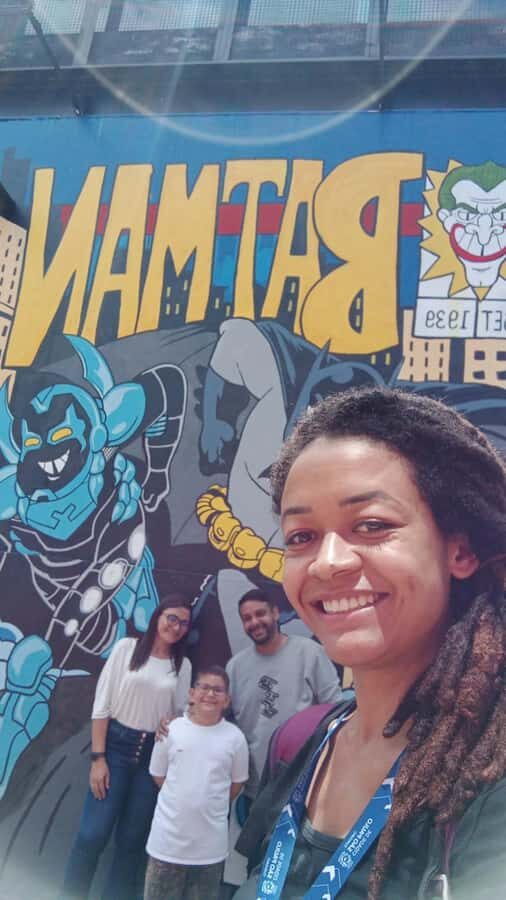
This isn’t a standard “see these 10 sights” tour. You’re booking companionship in São Paulo: you request an English-speaker guide-friend to hang out with you during activities in public places. The guide is described as an official tour guide, but the heart of the experience is the relationship. You’re not just collecting facts. You’re getting comfortable, and you’re getting oriented.
For me, the big win is emotional and practical at the same time. In a place as complex as São Paulo, a friendly local presence reduces stress fast. You can ask questions in the moment. You can change your mind without feeling like you’re breaking a schedule. And you’re less likely to misread street situations when you have someone who knows how to handle the day.
The second win is language. You’re traveling in a city where most signage and conversations will be in Portuguese. Here, you’re not left alone to guess your way through. You get interpretation services and real-time help, which is especially useful when you’re ordering food, asking for directions, or trying to understand neighborhood context.
You can also read our reviews of more guided tours in Sao Paulo



The best part: that calm, friend-like pace
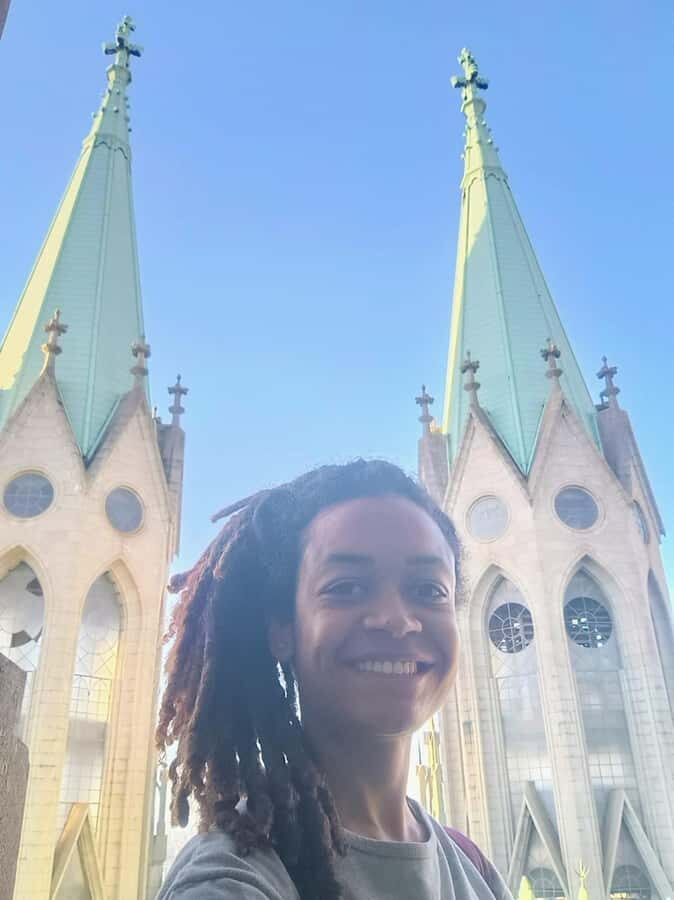
The most praised aspect across guide-friend experiences here is the tone. People describe tours that feel relaxed, not rushed. You’ll get time to talk. You’ll get patience with questions. If you want to slow down for photos, stops for conversation, or just wandering, the vibe tends to support it.
That matters because São Paulo is not a “quick hit” city. It rewards curiosity and walking. When a guide keeps momentum only because it’s time-based, you end up tired and slightly disconnected from what you’re seeing. When a guide keeps momentum because it matches your interest, you remember more and stress less.
Examples from named guides include warmth and humor from Nina, plus customization and flexibility with Aline. What sticks is how easily they adapt: you choose what you care about, then the day bends around you. That’s the difference between a tour and a companionship day.
Your meeting point: subway start, ticket gate finish
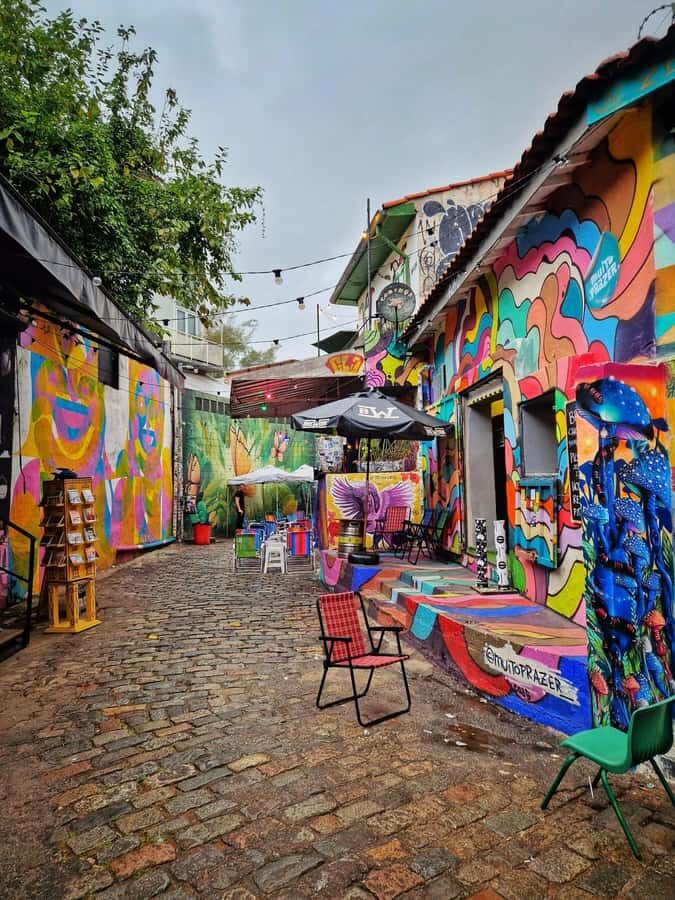
You’ll meet at a subway station. More specifically, you’re told the guide will be waiting at the ticketing gate of the chosen station. After you book, you pick from a list of subway options. Then your guide confirms the final meeting details by direct message.
This is a small logistics detail, but it’s a big comfort detail. If you’ve ever arrived somewhere new and stared at an unmanned platform, you know the feeling. Here, you start with a tangible meeting spot, right where you enter the transit area.
One practical note: the day is not fully confirmed until the guide sends that direct confirmation message. So plan to check your messages once you book and keep your phone handy. It prevents that annoying uncertainty loop.
How the day flows: public places, neighborhood context, and breathing room
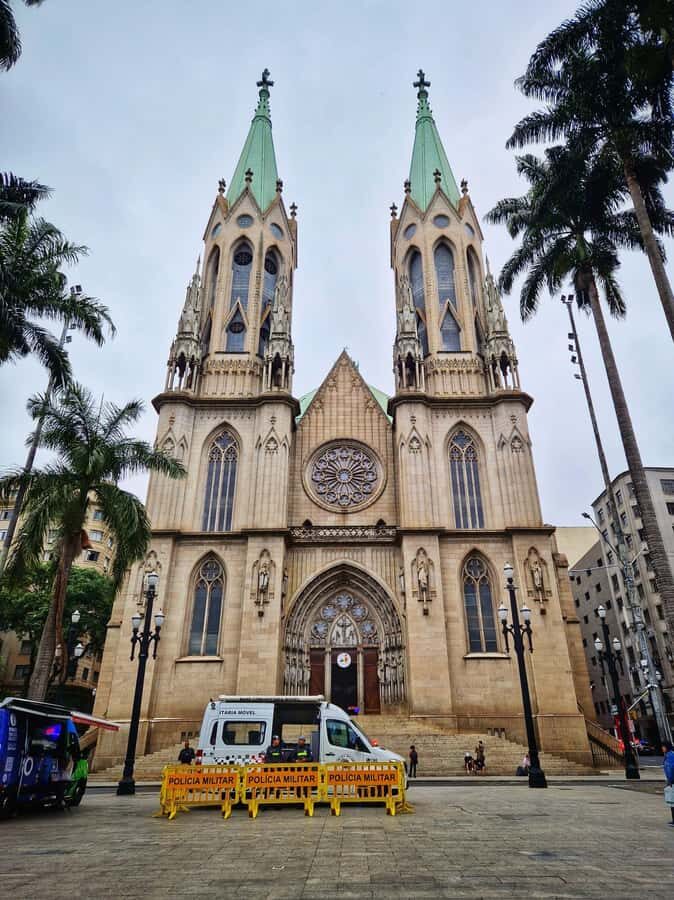
Because the service is companionship-based, the itinerary is not presented as a single universal route. Still, the structure is consistent: you start in transit, then move through public areas while your guide interprets and navigates.
Here’s the kind of rhythm you can expect:
1) Orientation and getting your bearings
The first part of the day is usually about helping you feel grounded in the city. That can mean practical advice for how to get around, what to pay attention to in a neighborhood, and how to move safely without feeling paranoid.
2) A park or green space break
A park stop shows up in the experience style people describe here. Parks give you a calmer pace. They also help you see São Paulo’s scale and daily life beyond shopping streets and landmark crowds.
3) Important districts and off-the-beaten-track streets
You’ll likely visit major areas as well as places a visitor might miss. The “off” part matters. São Paulo’s identity lives in everyday streets: the mix of architecture, street activity, and local routines. A guide-friend helps connect those details into something you can actually understand.
4) Food guidance that feels doable
Food is where visitors often get stuck: the menus are Portuguese, the prices vary by area, and portions can surprise you. Here, the guide’s tips can take the guesswork out of lunch and snacks. One helpful example from a named guide experience: guidance about sharing portions when it comes to lunch, which can save money and reduce waste.
5) Translation and conversation as you go
Even when you’re just walking, the interpretation support can be the whole point. You can ask about history, culture, neighborhood meaning, and practical travel questions without needing a museum-like stop.
The overall effect is that the day doesn’t feel like a checklist. It feels like a guided walk with someone who treats you like a person.
When paid entrances matter: what’s included, what’s optional

Your guide-friend helps you with navigation and interpretation, but entrances in paid places are not included. Also, the guide’s entrances at some paid spaces are not included either.
What does that mean for you? It means you’re in control. If the day naturally leads to a ticketed location, you can decide whether it’s worth paying on that day. If you prefer to stay focused on free public areas, you can do that too. The guide can either wait around or you can pay additional entrance fees, depending on the situation.
This keeps the experience from turning into an expensive admission-based day. It’s also why comfortable shoes matter; you’re likely moving through streets and public spaces more than you’re sitting inside ticketed attractions.





English/Portuguese help in real life (not just “translation”)
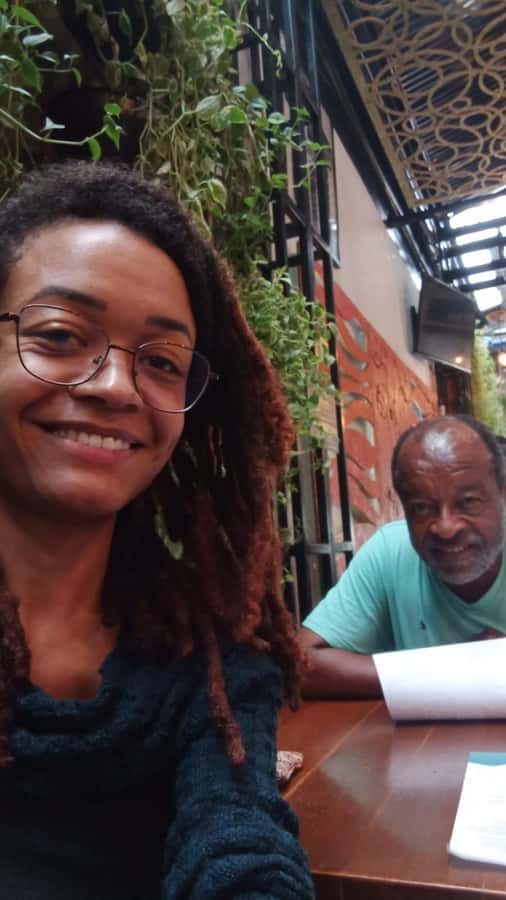
Bilingual support sounds good on paper. In practice, it changes how you move through a city.
Here’s how it tends to play out for you:
- You can ask follow-up questions instead of nodding politely.
- You can understand directions, prices, and simple local instructions.
- You can talk to your guide like a friend, not like a script.
This is where the “companion” idea becomes more than a label. When a guide is warm and easy to chat with, translation feels natural, not mechanical. People describe this as spending an afternoon with a friend in a new city, and that is the point.
Who this fits best (and who might not love it)
This companionship service is best if you’re the type of traveler who wants:
- local conversation and neighborhood context
- help navigating and translating on the fly
- a flexible day that doesn’t rush you through sights
It’s also a strong match for solo travelers who want company and safety support without committing to a formal tour format. People describe it as a standout experience for feeling welcome and prepared early in their stay, since the orientation element helps you plan the rest of your time.
You might like it less if you want a highly structured, pre-planned route with fixed stops. Since you’re working with a companion style, the day can shift based on your interests and comfort.
It’s not suitable for people with epilepsy, so if that applies, you’ll want to choose a different type of activity.
Price and value: why $80 can be more useful than it sounds

At $80 per person for up to 270 minutes (about 7 hours), you’re paying for more than guiding. You’re paying for:
- bilingual companionship
- interpretation services
- local navigation help and local tips
In big cities, the value of someone who can interpret and help you move confidently is hard to overstate. You avoid the time cost of getting stuck. You also avoid the money cost of incorrect turns, repeated transport mistakes, and overpriced tourist detours.
Most visitors don’t realize how much energy a language barrier steals. This service reduces that. And because it’s private, you don’t share time with strangers who set the pace.
Still, keep the paid-entrance rule in mind. If you plan on lots of ticketed attractions, your total cost may rise. If you’re happy with public places plus optional paid stops, the price stays easier to manage.
Practical tips before you go
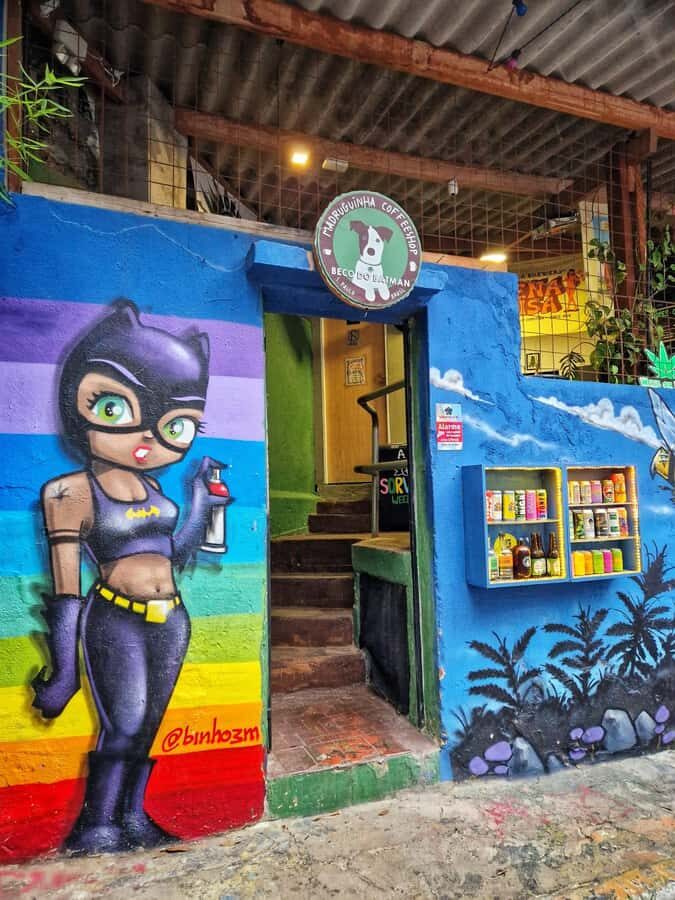
These are the small things that make the day go smoothly:
- Bring comfortable shoes. You’re doing real walking.
- Be ready to communicate with your guide directly to confirm the meeting time and exact subway station details.
- Decide what matters to you most: districts, a park pause, food advice, conversation, or translation-heavy support.
- If you’re not sure about a paid stop, treat it as optional. The day can still be satisfying without tickets.
Also, set your expectations: this is companionship and orientation in public spaces. If you want a deep museum-heavy program, you might end up paying extra entrances to match that style.
Should you book this São Paulo guide-friend day?
Book it if you want São Paulo with less stress and more human connection. If you’re traveling solo, care about feeling welcomed, and appreciate flexibility, this service is built for you. It’s also a smart choice early in your trip, since orientation plus local food and neighborhood guidance can shape the rest of your days.
Skip it if you need a strict, pre-set itinerary with guaranteed ticketed attractions. Also, if epilepsy applies, it’s not suitable.
If you want a city experience that feels like you’ve got a friendly local standing next to you, this is one of the better ways to do it in São Paulo—especially with the bilingual support and the clear anti-discrimination focus.
FAQ
How long is the São Paulo guide-friend companionship?
The duration is 270 minutes, which is about 7 hours. Starting times depend on availability.
What languages does the guide-friend speak?
The host or greeter provides English and Portuguese support.
Where do we meet?
You meet at the ticketing gate of the chosen subway station. The exact station is selected from options after booking.
Is this a private experience or shared group?
It’s a private group.
What’s included in the price?
Included items are the English-speaker guide-friend, interpretation services, and tips from a local to help you navigate the city.
Are paid entrances included?
No. Entrances in paid places are not included, and the guide’s entrances at some paid spaces aren’t included either.