REVIEW · SAO PAULO
São Paulo : Must-See Sites Walking Tour With A Guide
Book on GetYourGuide →Operated by Guydeez Tours · Bookable on GetYourGuide
Historic São Paulo starts right at the beginning. In just two hours, you’ll walk from the city’s origin point at Pátio do Colégio to major architectural icons like Catedral da Sé, guided by someone who can explain what you’re seeing in plain language. What I like most is the mix of landmark photos and story-driven context, plus the private and customizable feel that helps you focus on what you care about. The main drawback to plan for: entrance fees for monuments and museums aren’t included, so a few stops may depend on tickets if you want more than exterior viewing.
I especially liked the guide experience when you get Roberto. In English, he shared lots of historical building context and also gave practical ideas after the walk, so you leave with a short list of what to do next rather than just a photo set. If you prefer a strict checklist where every moment is the same for everyone, this won’t be your best fit, since the tour can flex.
Because it’s a walking tour with some public transport involved, you’ll want comfortable shoes and a phone charged for quick photo stops. Good news: it’s wheelchair accessible, and the guide can work in English, French, Portuguese, or Spanish depending on what you book.
In This Review
- Key highlights you’ll feel on the ground
- Starting at Novotel Jaraguá: easy meeting point, smart orientation
- Pátio do Colégio: São Paulo’s origin point in a walkable context
- The Manor of the Marquesa of Santos: power and architecture in one pause
- Martinelli Building: Latin America’s first skyscraper moment
- Catedral da Sé: the square, the scale, and the city’s attitude
- Centro Cultural Banco do Brasil: when architecture meets culture
- Theatro Municipal: the finale that shows São Paulo’s cultural growth
- How a private, customizable guide changes what you notice
- Walking pace, public transport, and what to wear
- Price and value: $29 for a guide plus smart routing
- Who should book this São Paulo historic center walk?
- Should you book this walking tour? My practical take
- FAQ
- How long is the São Paulo walking tour?
- Where does the tour meet?
- Is this tour private?
- What’s included in the price?
- Are monument or museum entrances included?
- Does the tour include food or drinks?
- What languages are available for the guide?
- Is the tour wheelchair accessible?
Key highlights you’ll feel on the ground
- Pátio do Colégio origin story: where São Paulo began, explained as you look around.
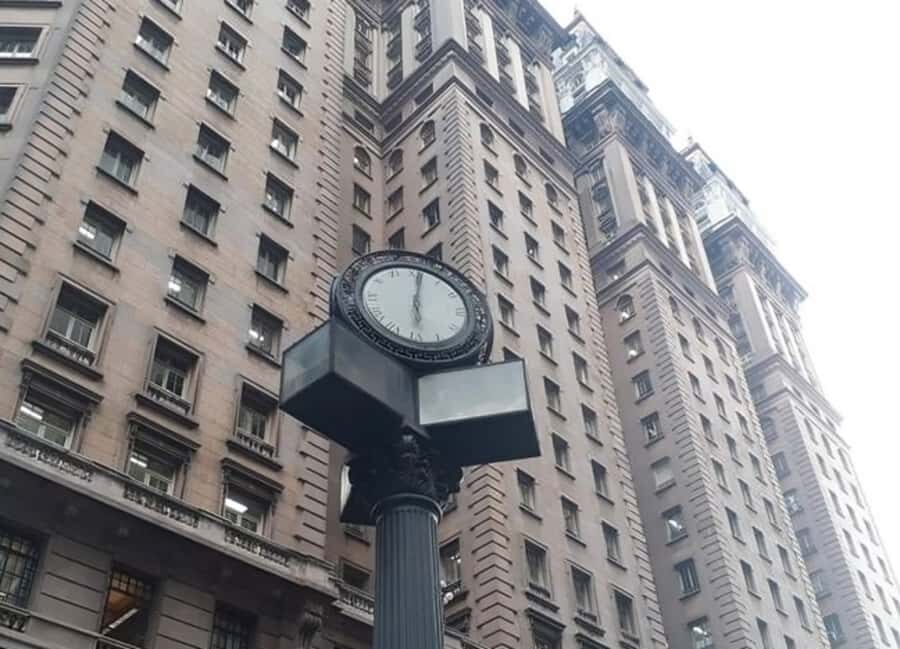
- Martinelli Building stop: Latin America’s first skyscraper, seen at street level with context.
- Catedral da Sé viewpoint: photo stop plus guided interpretation of the space.
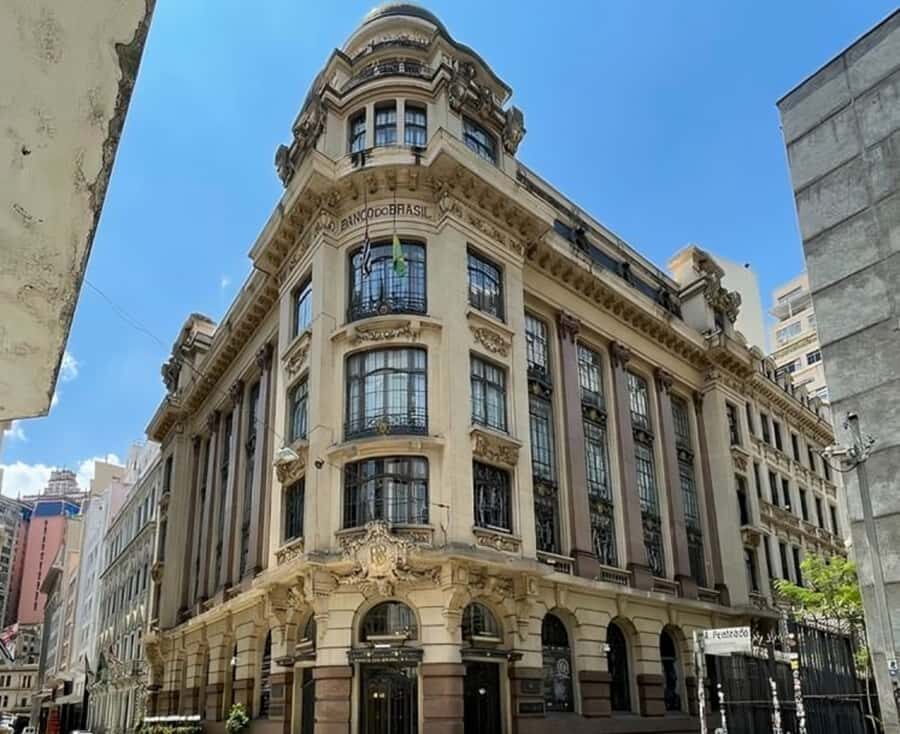
- Centro Cultural Banco do Brasil: architecture and cultural role tied together in one visit.
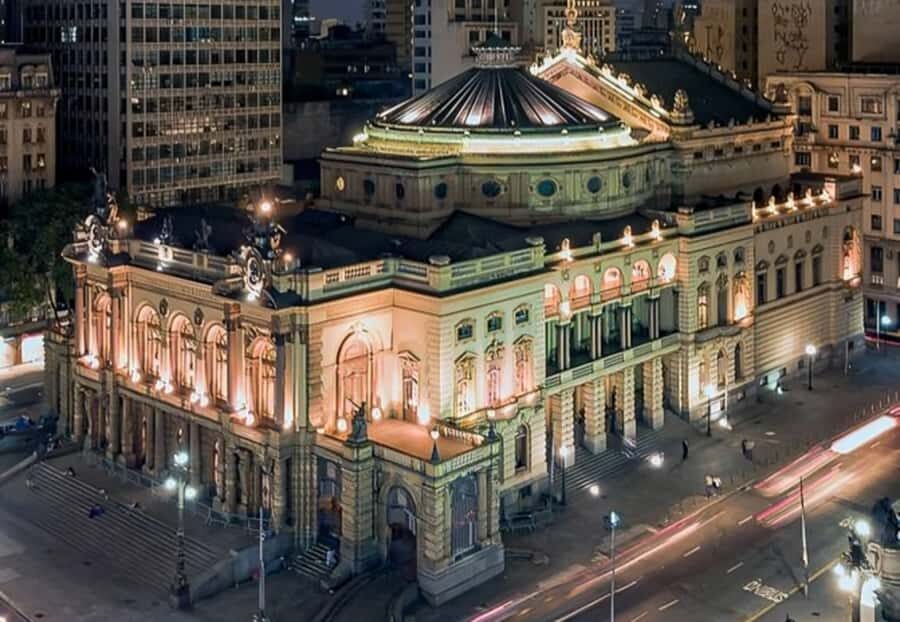
- Theatro Municipal finale: a cultural landmark that shows how São Paulo grew up.
- Guide-led customization: the walk can adjust to your interests while keeping the core sights.
Starting at Novotel Jaraguá: easy meeting point, smart orientation
The tour starts in front of the Novotel São Paulo Jaraguá Conventions. That matters more than it sounds. A clear meeting point means you spend less time hunting and more time walking, and in the historic center that speed helps.
From the start, your guide’s job is to do two things at once: help you get your bearings and set expectations for what you’ll see. You’re moving through major architectural layers of the city, so it helps when someone points out what changes across centuries—materials, style, and even the way public space is used.
Another practical win: the tour is designed as a two-hour experience, not a half-day commitment. That makes it a good add-on even if you’re only in São Paulo for a short trip or you’ve got another plan later in the day.
You can also read our reviews of more walking tours in Sao Paulo


Pátio do Colégio: São Paulo’s origin point in a walkable context

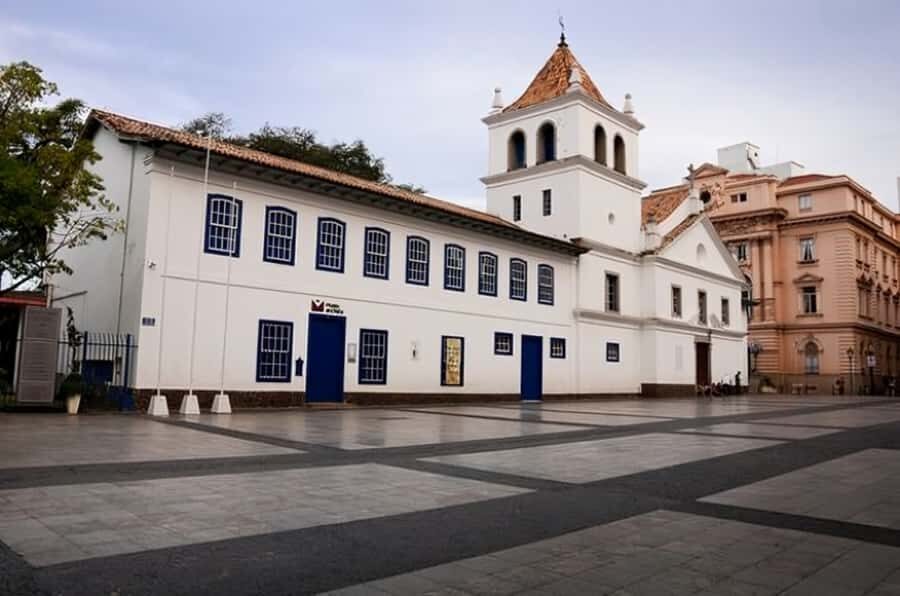
Your first big stop is Pátio do Colégio, tied to the birthplace of São Paulo. Expect a photo moment, then a guided walk-and-look segment that slows you down just enough to notice details you’d miss if you were speed-scrolling through photos.
What makes this stop valuable isn’t only the historical claim. It’s that you can connect the idea of beginnings to real geography. When your guide explains how the city grew from there, the later stops start to feel connected instead of like random monuments on a map.
What to watch for while you’re there
- Notice how the space feels at ground level: where people gather, how paths guide movement.
- Listen for the story thread your guide keeps repeating across later stops. It usually clicks by the time you reach Catedral da Sé.
The Manor of the Marquesa of Santos: power and architecture in one pause
Next comes the Manor of the Marquesa of Santos. This stop is built for a quick visual break plus guided tour time—enough to register the building without rushing past it like a blur.
Even if you’re not the type to read every plaque, this is where a good guide earns their pay. You’re seeing architecture tied to social history: who had influence, how property looked, and what kind of prestige the city wanted to project.
A practical tip
If you like architecture, ask your guide what to compare here versus the later buildings. The city’s historic center often rewards “spot the pattern” thinking—style changes, but the logic of prominence stays.
Martinelli Building: Latin America’s first skyscraper moment
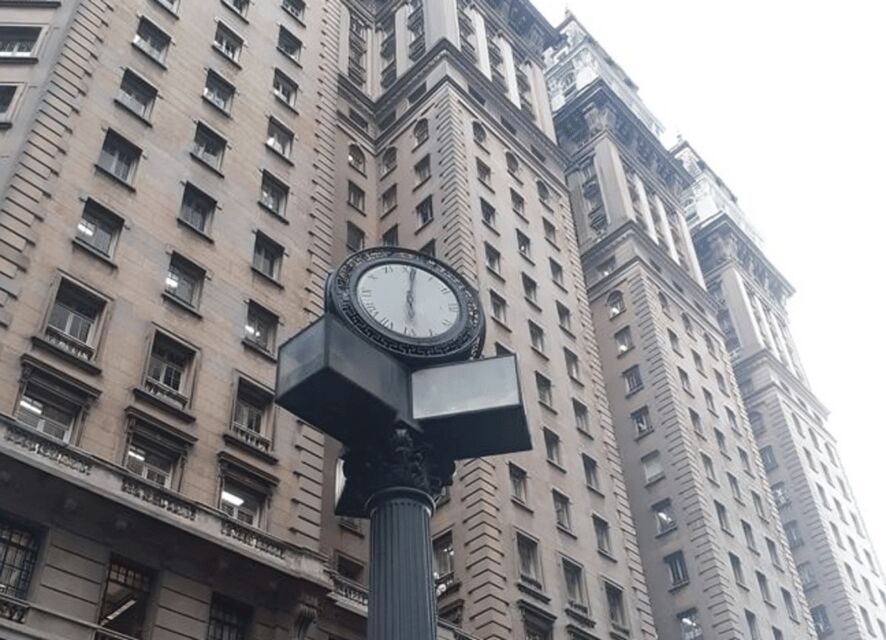
Then you reach the Martinelli Building—often described as Latin America’s first skyscraper. This is the kind of stop where your reaction might be simple at first: wow, that’s tall for the era. But the real value is what your guide adds right after you notice the height.
You’ll get a photo stop, visit time, and guided context. The point isn’t to treat it like a standalone postcard. It’s to show how São Paulo’s ambition shifted toward modernity, and how early “sky-reaching” design still shapes what the streets feel like today.
Why this stop works well on a 2-hour tour
It’s quick to see and easy to understand, but it also opens the door to bigger questions about growth and identity in the city.
Catedral da Sé: the square, the scale, and the city’s attitude
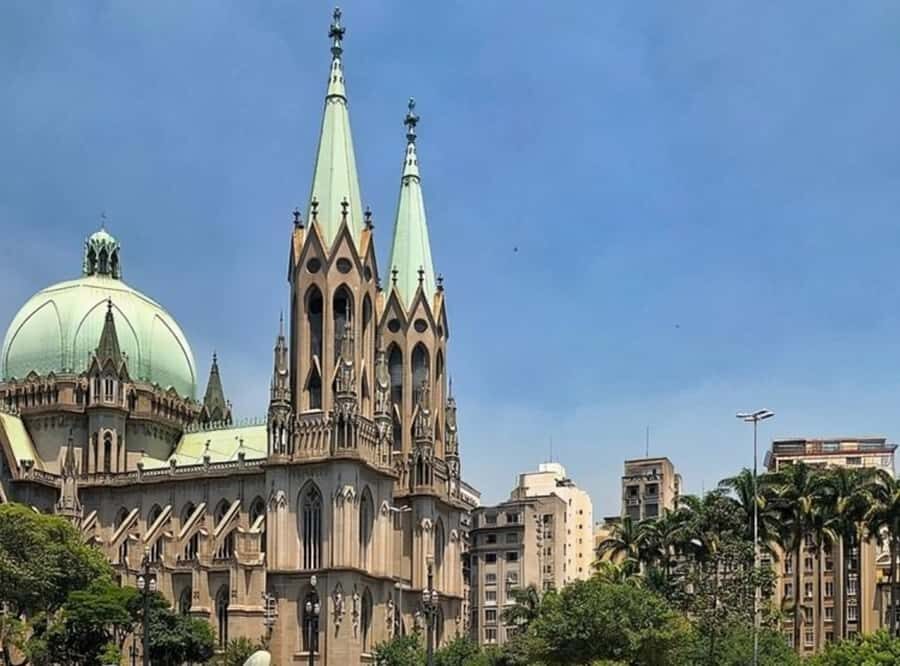
Your next major anchor is the São Paulo Cathedral, Catedral da Sé. Expect another photo stop and guided sightseeing walk. The cathedral area is one of those places where the building’s scale changes your sense of the street.
Even without going deep into museum-style details, you’ll learn how to read a church space in terms of urban importance. You can also pick up why this location is often used as a focal point for the city’s public life, not just religious life.
Potential drawback to keep in mind
If you want to go inside for a fuller visit, remember that entrance to monuments and museums isn’t included. You’ll either need to plan tickets separately or accept that your tour experience here is mainly exterior and around-the-area interpretation.
You can also read our reviews of more guided tours in Sao Paulo





Centro Cultural Banco do Brasil: when architecture meets culture

The Centro Cultural Banco do Brasil is a standout stop because it’s both a building and a cultural hub. You’ll have time for a photo stop and guided tour sightseeing segment focused on what you’re looking at and why it matters in the city’s story.
This stop is especially useful if you like the “how the city functions now” side of travel. The historic center isn’t only about old buildings. It’s also about what those buildings became over time and how people use them today.
What to do with your guide’s advice
Ask what you should see there if you have extra time. Since ticketed entry isn’t included, your guide’s suggestions can help you decide what’s worth the additional stop versus what’s fine to admire from outside.
Theatro Municipal: the finale that shows São Paulo’s cultural growth
You end at Theatro Municipal of São Paulo. This is a big finish: photo stop, visit time, and guided sightseeing walk. Theatro Municipal tends to feel like a culmination because it connects architecture, performance, and the city’s self-image.
What makes it a smart ending for a walking tour is pacing. By the time you reach it, you’ve already visited older anchors (origin and historic mansions), a modern breakthrough (Martinelli), and major civic-religious space (Sé). So the theatre doesn’t feel random. It feels like the city showing off its cultural ambitions.
If you’re the type who enjoys great facades from the outside, you’ll probably be happy with the stop as-is. If you’re hoping for a deeper inside visit, plan for the fact that tickets and entries aren’t included on the tour price.
How a private, customizable guide changes what you notice
The tour is private and exclusive for your group, with the option for a private group available. That’s a big deal in a place where street scenes can blur together fast. When it’s just you and your guide, you can ask better questions and move at a pace that matches your energy.
This is also where the guide’s personality shows. When Roberto leads, the common theme is tailoring. He’s described as open to what you want to focus on, and that flexibility helps you trade generic “look left, look right” guidance for stories that actually match your interests.
I also like that the tour doesn’t end when the walk ends. Roberto gave practical suggestions for what to explore next afterward, which is exactly what you need if you want to make your day feel planned rather than accidental.
Language is another real value point
You can book the English-speaking guide, with options for French, Portuguese, and Spanish as well. If you’ve struggled with limited English on other city walks, this matters.
Walking pace, public transport, and what to wear
This tour is two hours of walking, with short timed stops that let you see each major landmark area without turning it into a full-day marathon. The structure is built around photo stops plus guided sightseeing walks—so you’ll get a lot of visual variety without spending hours between far-apart sites.
Public transport is included as part of the experience, except if you select an option that changes that part. Translation for you: you’re not stuck walking every single meter, which helps if you want to keep your energy for the rest of your day.
What I recommend you do
- Wear comfortable shoes. Historic-center sidewalks aren’t built for high heels or thin-soled sandals.
- Bring a light layer. You’re outside most of the time, and weather can shift.
- Have your camera ready. You’re doing multiple photo stops in a short window, so don’t wait until the final location.
Price and value: $29 for a guide plus smart routing
At $29 per person for a two-hour guided walking tour, this is priced like a budget-friendly way to get oriented. The key value isn’t only the guide—it’s the way the guide helps you avoid “I saw it, but I didn’t get it.”
Here’s what you’re really buying:
- A private/exclusive experience (so you’re not stuck with a one-size-fits-all tempo).
- An English-speaking guide plus flexibility to match your interests.
- Help from the team to book tickets for the desired visits, even though entry fees themselves are not included.
What’s not included is also important: entry to monuments and museums, food and drinks, and tickets to attractions. That means the tour works best if you treat it as your orientation + interpretation session, then decide what deserves extra time and paid entry.
If you’re trying to squeeze the most meaning out of a short stay in São Paulo, this can be good value. If you want everything included with no ticket decisions, you’ll likely find the add-ons necessary.
Who should book this São Paulo historic center walk?
This tour fits best if you:
- Want a quick, structured way to see major historic-center landmarks in a short window.
- Like architecture and want context as you look at buildings, not just a list of stops.
- Prefer a guided plan where you can ask questions and steer the pace a bit.
It’s less ideal if you:
- Need a long sitting pace with lots of indoor time at museums or monuments.
- Don’t want to think about ticketed entry at all, since entries aren’t included.
Also, it’s a solid choice for anyone who wants good guide-led tips after the tour. The best walking tours don’t just show you what’s there. They tell you what’s next and why.
Should you book this walking tour? My practical take
If you have limited time in São Paulo and you want your visit to the historic center to feel organized and meaningful, I’d book it. The tour hits major landmarks in a way that helps the stories connect, and the private, customizable guide format makes the experience feel personal without turning it into a complicated planning project.
Book it especially if you’re hoping for strong interpretation from an English-speaking guide like Roberto—someone who’s willing to tailor the walk to your interests and share practical next steps afterward. Just go in knowing that entries to monuments and museums aren’t included, so you may want to budget extra time (or tickets) if you want more than exterior viewing at a few stops.
FAQ
How long is the São Paulo walking tour?
The tour lasts 2 hours.
Where does the tour meet?
Meet your guide in front of Novotel São Paulo Jaraguá Conventions.
Is this tour private?
The tour is described as private and exclusive, and private group options are available.
What’s included in the price?
You get a walking tour with an English-speaking guide, and public transport is included unless you choose an option that changes it. There’s also help from the team to book tickets for desired visits.
Are monument or museum entrances included?
No. Entry to monuments and museums, as well as tickets to attractions, are not included.
Does the tour include food or drinks?
No. Drink or food isn’t included.
What languages are available for the guide?
English, French, Portuguese, and Spanish are available.
Is the tour wheelchair accessible?
Yes, it’s listed as wheelchair accessible.