REVIEW · SAO PAULO
São Paulo: Downtown Walking Tour with Farol Santander Entry
Book on GetYourGuide →Operated by Gregtur Tourism · Bookable on GetYourGuide
Downtown São Paulo moves fast, but this tour helps you track it. You’ll get a guided loop through major landmarks like Sé Cathedral and end at the Farol Santander observation deck, all while learning how communities and coffee shaped the city’s growth. I also like that the route is built for getting your bearings quickly, but the trade-off is steady walking over uneven sidewalks, so you’ll want solid shoes.
What makes it click is the way the guide ties the buildings to the big story: São Paulo’s rise as the largest city in the Southern Hemisphere and how coffee fueled economic momentum. You’ll also pick up context for why different groups mattered to the city’s development, not just the famous monuments. One drawback to plan for: there’s no meals included, so if you get hungry, you’ll need to manage snacks and water on your own.
In This Review
- Key highlights worth knowing before you go
- 3 Hours to Reboot Your Sense of Downtown São Paulo
- Starting at Pátio do Colégio: The São Paulo Origin Point
- Manor of the Marchioness of Santos: A Detour That Adds Context
- Sé Cathedral and Sé Square: The Main Centerline
- Largo São Francisco Law School: Where Power and Ideas Collide
- FECAP – Fundação Escola de Comércio Álvares Penteado: Commerce Education in Action
- Brazil Bank Cultural Center: A Useful Break and a Real-World Reset
- Stock Exchange Area: Watching São Paulo’s Business Pulse
- Altino Arantes Building and Farol Santander: The View That Locks It In
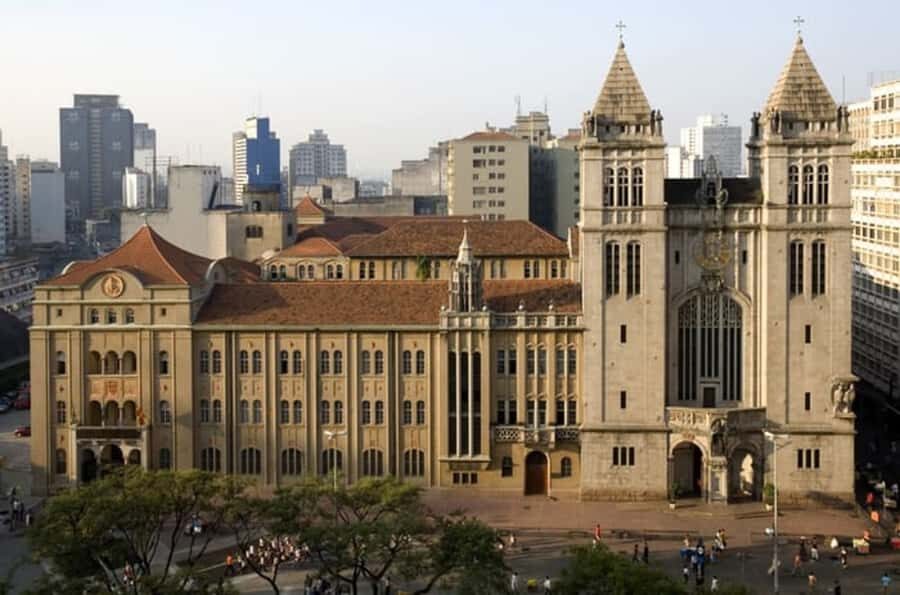
- Passing Landmarks on the Way: Martinelli, Saint Benedict, Sampaio Moreira, City Hall
- Ending at the Municipal Theater: A Beautiful Finish for Your Last Photos
- Price and Value: Is $115 Worth It?
- What You’ll Be Walking Through (and How to Prep)
- Should You Book This Downtown Walking Tour?
- FAQ
- What is the duration of the São Paulo downtown walking tour?
- Where does the tour start?
- What does the tour include?
- Is Farol Santander entry included?
- What languages is the live guide available in?
- Does the tour run in bad weather?
- Is the tour wheelchair accessible?
- Are meals included in the price?
Key highlights worth knowing before you go
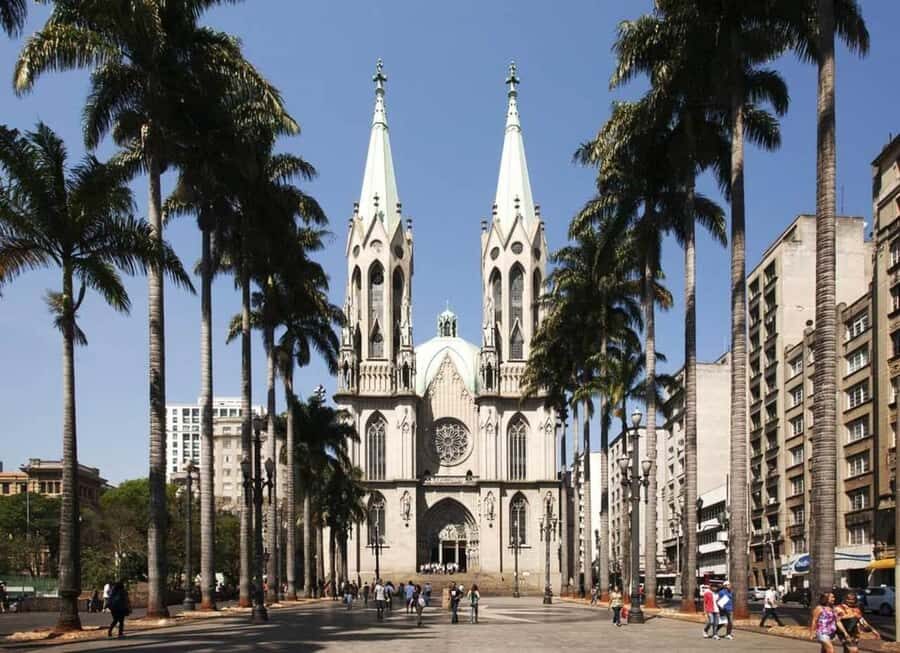
- Sé Cathedral + Sé Square: see the historic center’s spiritual and civic core in one stretch
- Farol Santander observation deck: included entry, plus a clear way to orient yourself
- Coffee and city growth story: the tour explains why commerce changed São Paulo’s trajectory
- Major downtown landmarks in a short time: you’ll cover a lot without a full-day commitment
- Toilet/refresh stop: a practical pause at the Brazil Bank Cultural Center
- Private group + multilingual live guide: English, Spanish, or Portuguese throughout
3 Hours to Reboot Your Sense of Downtown São Paulo
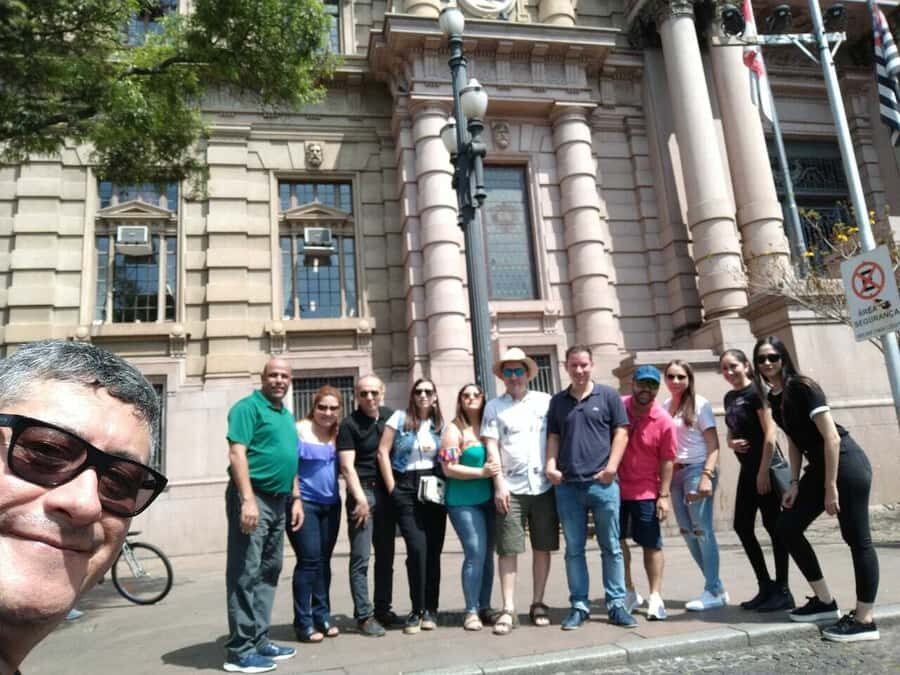
This is the kind of walking tour that helps you stop seeing São Paulo as just streets and start seeing it as a timeline. In 3 hours, you cover the historic core and major downtown sights, plus you get a high viewpoint at Farol Santander to connect the dots.
For me, the sweet spot is how the guide frames what you’re seeing. You’re not only looking at landmarks—you’re learning how São Paulo grew and why so many communities left a mark, including the role coffee played in the city’s economic rise.
The route also works well if you’re not trying to “museum-hop.” You’re outdoors, mostly on foot, and the itinerary is designed for photo stops and quick exploration along the way.
You can also read our reviews of more walking tours in Sao Paulo
Starting at Pátio do Colégio: The São Paulo Origin Point
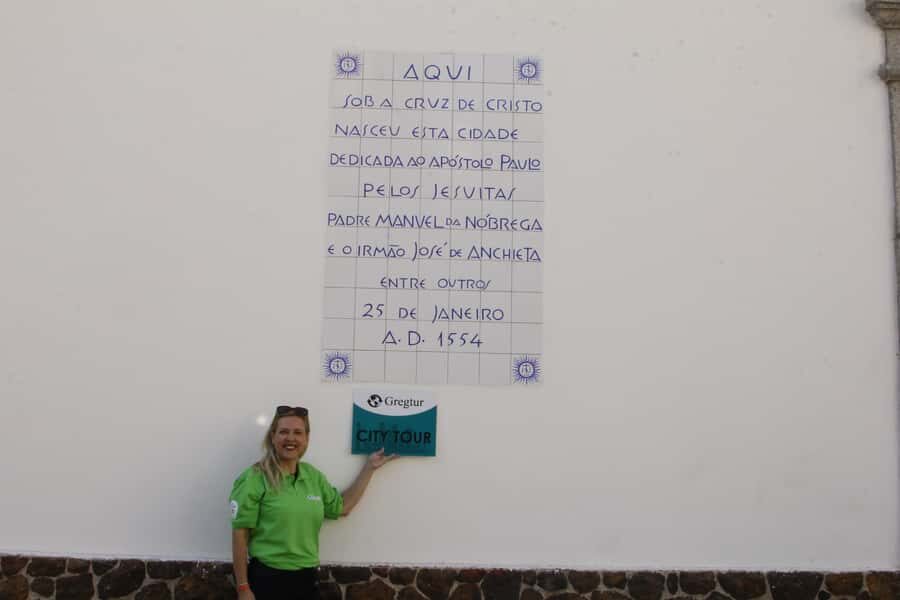
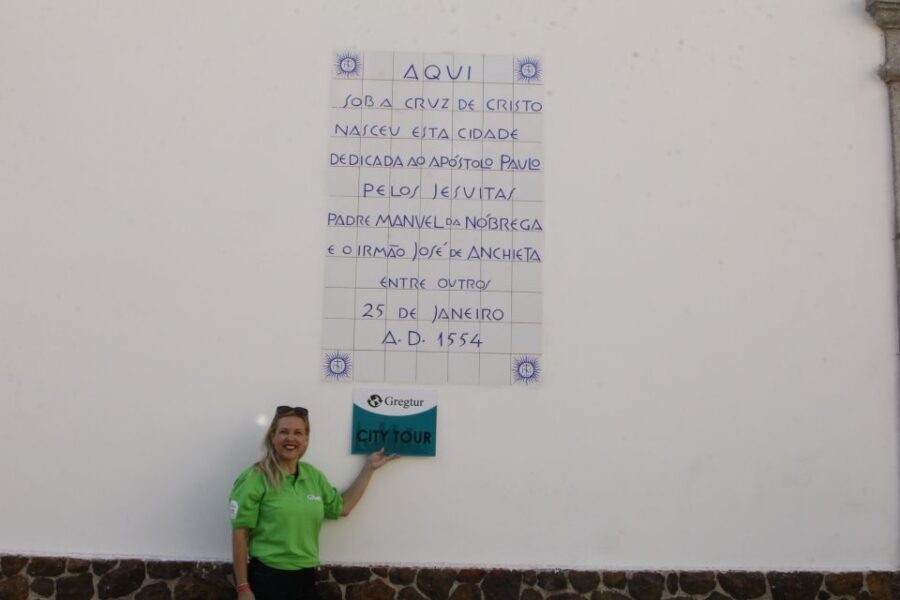
You begin at Pátio do Colégio, at Praça Pateo do Colégio, 2 in the Centro Histórico area. The guide starts you with background on why this area matters, which is a big help before you move into the heavy-hitter landmarks.
This start point matters because the historic center can feel like a wall of buildings if you don’t have a story. With the overview first, the later stops make more sense—especially the parts tied to São Paulo’s growth and the communities that shaped it.
Since the meeting point is a walkable distance from the Sé and São Bento subway/metro stations, you can also arrive without stress and still make the start time.
Manor of the Marchioness of Santos: A Detour That Adds Context
From Pátio do Colégio, you move on to the Manor of the Marchioness of Santos. This stop gives you a sense of the kind of power and influence that helped define early São Paulo’s built environment.
Even when you’re standing just outside a landmark, these “context” stops change your perspective. You begin noticing patterns: where important people lived, what neighborhoods rose around, and how the city’s center became a magnet.
If you love architecture and want history that connects to real streets, you’ll appreciate this kind of stop. If you only care about the biggest “wow” monuments, you might treat it as a short but useful piece of the puzzle.
Sé Cathedral and Sé Square: The Main Centerline
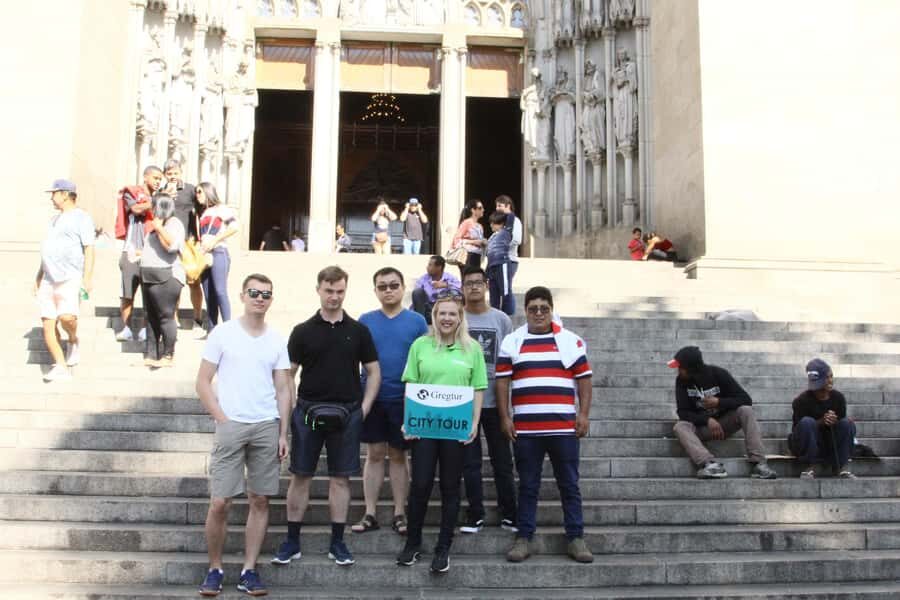
Next up is Sé Cathedral and then Sé Square. These are the kinds of spaces that naturally pull your attention because they’re tied to the spiritual and civic heart of downtown.
The guide’s interpretation adds value here. Instead of you just looking at stone and scale, you understand why this area is meaningful to the city’s identity and development.
Practical note: squares like this can be busy in any weather. The tour runs in all conditions, so if it’s rainy, plan for wet pavement and keep your phone protected.
Largo São Francisco Law School: Where Power and Ideas Collide
You’ll visit Largo São Francisco Law School, another stop that helps explain how institutions shaped São Paulo’s direction. Schools like this don’t just educate; they create networks, influence careers, and feed into the city’s leadership.
What I like about this part of the tour is that it shifts the focus from just commerce to how knowledge and authority connect to growth. It’s a good counterbalance as you move toward the business side of downtown later.
This is also a great moment to slow down and look around. Watch how the streets channel people through the area, because that flow is part of what makes a city work.




FECAP – Fundação Escola de Comércio Álvares Penteado: Commerce Education in Action
The tour then includes FECAP – Fundação Escola de Comércio Álvares Penteado. It fits the story the guide is building: São Paulo’s rise wasn’t random—it was tied to trade, industry, and a growing economy.
Since the tour highlights the role of coffee in driving economic progress, this stop feels like a bridge. You see the education side of commerce right in the center of where it all mattered.
If your interests lean toward how cities develop systems (not just monuments), this is one of the more satisfying stops.
Brazil Bank Cultural Center: A Useful Break and a Real-World Reset
After that, you’ll see the Brazil Bank Cultural Center. The stop is quick, but it’s there for a reason: use the toilets, grab a drink, and get your bearings before continuing.
I’m always grateful for a planned pause on a walking tour—especially in a city center where you might otherwise be hunting for basic comforts. This is also a moment to check the sky and adjust your plan if weather changes.
If you want photos, this is often a good time to take them without sprinting. Keep it quick, but don’t skip it if you need a bathroom break.
Stock Exchange Area: Watching São Paulo’s Business Pulse
You’ll walk toward the Stock Exchange next. This section helps you see the shift from historic landmarks to the financial district energy.
What makes it valuable isn’t a single building—it’s how the city changes as you go. The guide’s storyline about growth and economic momentum makes this leg feel connected, not like a random route.
Wear shoes that handle long sidewalks. This is the point where fatigue can creep in, and downtown surfaces don’t always cooperate.
Altino Arantes Building and Farol Santander: The View That Locks It In
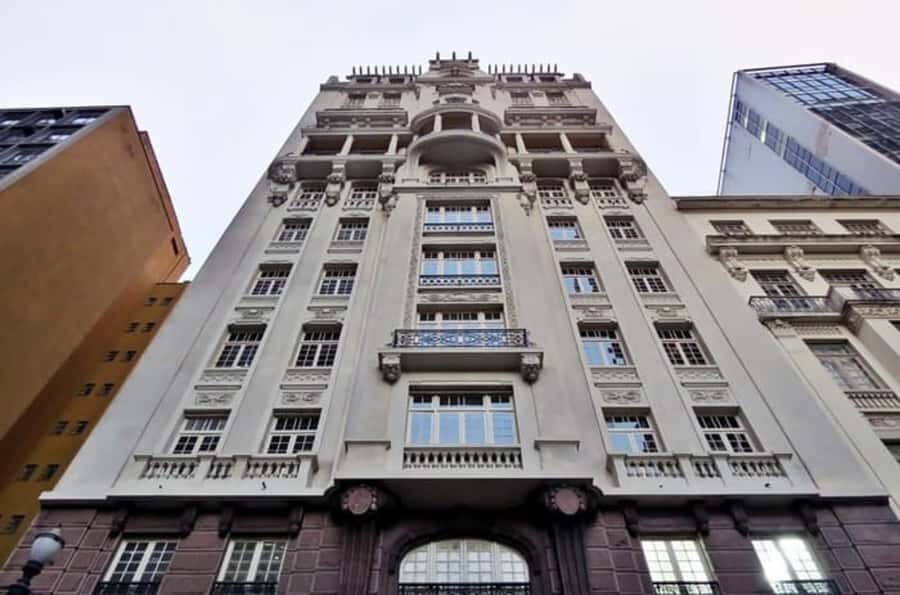
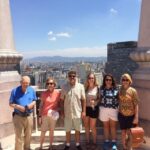
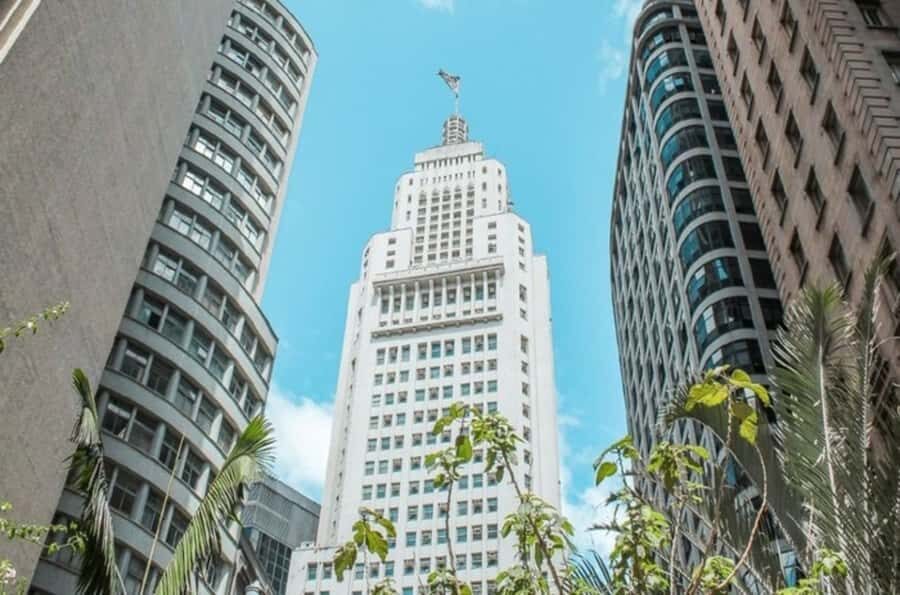
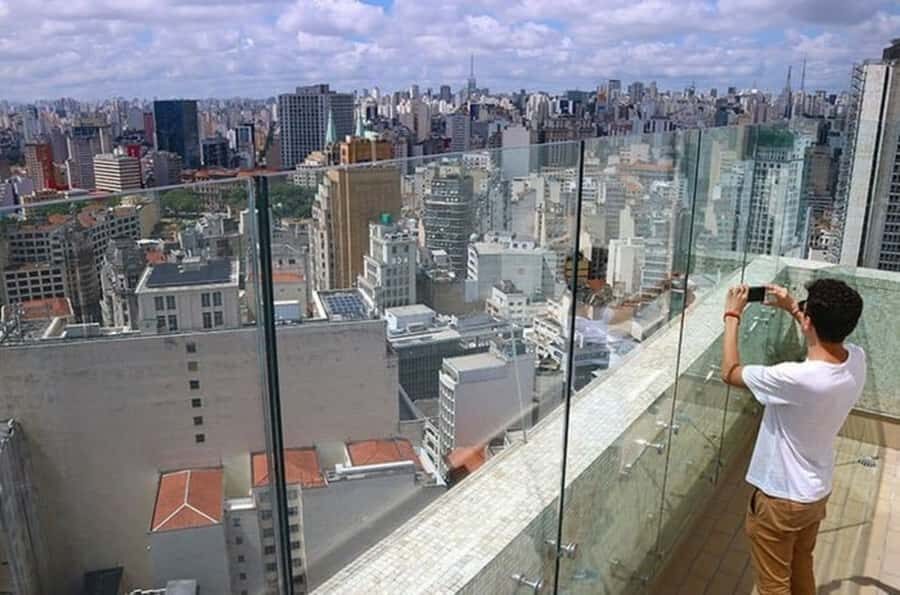
One of the best parts of the tour is the combination of the Altino Arantes building and the included entry to Farol Santander for the observation deck. If you’ve ever walked through a city and later wondered how it all fits together, the viewpoint fixes that.
Standing at the top gives you a way to map the landmarks you just walked past. You can look outward and connect the historic center to the wider sprawl, which reinforces the tour’s big theme: São Paulo’s scale and growth.
This is where the tour earns its ticket value. Farol Santander entry is included, so you’re not paying extra just to see the city from above.
Passing Landmarks on the Way: Martinelli, Saint Benedict, Sampaio Moreira, City Hall
You’ll also pass several notable downtown sights:
- Martinelli building
- Monastery of Saint Benedict
- Sampaio Moreira building
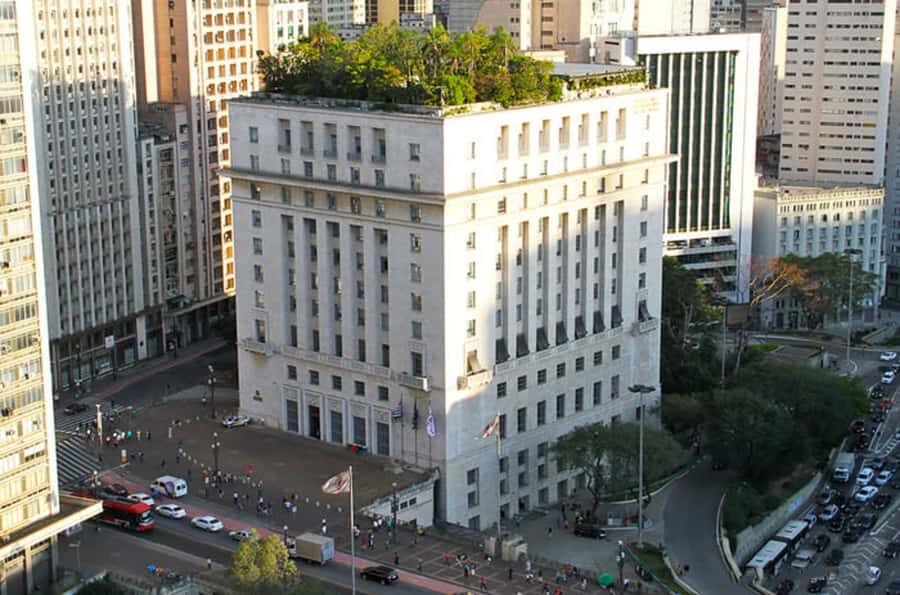
- City Hall
I like this kind of “through-the-window” viewing because it keeps the walk moving while still showing you the variety of downtown. Religious architecture, civic spaces, and older iconic buildings sit next to newer urban power centers.
The drawback is simple: you won’t linger at every one of these. The tour is designed for a compact 3-hour overview, so treat these as fast impressions that deepen later exploration when you return on your own.
Ending at the Municipal Theater: A Beautiful Finish for Your Last Photos
The tour finishes at the Municipal Theater, where you can admire its architecture. Ending here works because it gives you a final visual reward that feels grand and carefully designed.
If you still have energy, take your time with the details. This is a good moment to remember what you learned about the city’s development and see how cultural landmarks fit into the larger São Paulo story.
And if you’re heading out afterward, you’ve ended in a spot that’s easy to use as a launching point for your next plan.
Price and Value: Is $115 Worth It?
At $115 per person for a 3-hour guided walk, the value comes from three things you get together: interpretation, a focused route, and the included Farol Santander observation deck entry.
A self-guided stroll can cover landmarks, but it won’t explain why São Paulo became the largest city in the Southern Hemisphere or how coffee drove economic progress. The guide’s storytelling makes the architecture feel like evidence, not just scenery.
You’re also paying for efficiency. The itinerary hits a lot of key downtown points in a short window, which is ideal if you’re on a tight schedule and want a high-quality orientation before you explore independently.
Meals aren’t included, so you should budget for snacks or water—especially if you know you get hungry mid-walk.
What You’ll Be Walking Through (and How to Prep)
This is an outdoor walking tour that operates in all weather conditions. That means your plan should include rain protection and weather-appropriate clothing.
Bring comfortable walking shoes, plus sunscreen and sunglasses. The route includes multiple stops for pictures, exploration, snacks, and a little souvenir shopping, so you’ll want to stay comfortable throughout.
Also, it’s a private group, with the guide working in English, Spanish, or Portuguese. That’s a plus if you want the flexibility to ask questions or if you prefer a smaller, calmer experience versus large group tours.
Should You Book This Downtown Walking Tour?
I’d book it if you want a strong first look at São Paulo’s historic center without spending an entire day figuring out where everything fits. The included Farol Santander entry and the way the guide connects landmarks to the city’s growth story are the main reasons it’s worth your time.
Skip it if you hate walking or need a low-footprint plan. Also, if you want deep museum time or long indoor visits, this is more of a city-walk orientation than a slow, inside-the-details kind of day.
If you’re short on time and want the city to make sense fast, this is a solid choice.
FAQ
What is the duration of the São Paulo downtown walking tour?
The tour lasts 3 hours.
Where does the tour start?
The meeting point is Pateo do Colégio (Praça Pateo do Colégio, 2 – Centro Histórico de São Paulo), which is walkable from the Sé and São Bento metro stations.
What does the tour include?
It includes a guide and an entry ticket to Farol Santander for the observation deck.
Is Farol Santander entry included?
Yes. The ticket to the Farol Santander observation deck is included.
What languages is the live guide available in?
The live guide offers English, Spanish, and Portuguese.
Does the tour run in bad weather?
Yes. The tour operates in all weather conditions, so you should dress appropriately.
Is the tour wheelchair accessible?
Yes. The tour is wheelchair accessible.
Are meals included in the price?
No. Meals and drinks are not included.