REVIEW · RIO DE JANEIRO
Explore Santa Teresa: Walking Tour
Book on GetYourGuide →Operated by RJ TURISMO · Bookable on GetYourGuide
Rio slows down in Santa Teresa. This 3-hour walk mixes the 1897 tram ride with street art and historic mansions, so you get Rio’s old-and-new personality without rushing. I like how the pace gives you time to actually look: doorways, facades, and the small creative details you’d miss if you just took a photo and kept moving.
One heads-up: three hours goes fast in a neighborhood where you’ll naturally want to stop for murals, shops, and viewpoints.
In This Review
- Key things that make this tour worth your time
- Santa Teresa by foot: what the neighborhood feels like
- How the 3 hours are paced (and why it matters)
- The 1897 historic tram ride: the view portion you actually remember
- Parque das Ruínas: an easy stop that connects art and architecture
- Chácara do Céu Museum: where creativity shows up in a focused way
- Largo dos Guimarães: squares are where the neighborhood breathes
- Museu do Bonde: why the tram matters beyond one ride
- Rua Laurinda Santos Lôbo: murals and art you can walk past
- Shopping for souvenirs without getting stuck in tourist clutter
- Price and value: is $106 per person a fair deal?
- About the guides: Thiago, Renato, and Leo in the mix
- Should you book this Santa Teresa walking tour?
- FAQ
- How long is the Explore Santa Teresa walking tour?
- What’s included in the price?
- Are food and drinks included?
- Is a cable car ride included?
- Where do pickup and drop-off happen?
- What if I don’t provide a pickup address?
- What languages are the guides?
- Is the tour wheelchair accessible?
Key things that make this tour worth your time
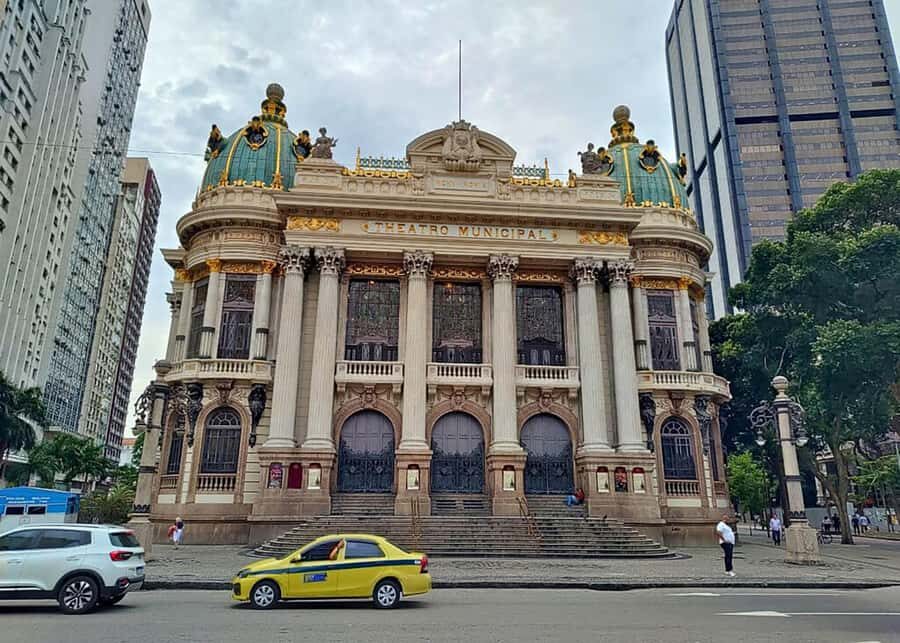
- 1897 tram ride for classic Rio views from an old-school car, not a modern cable or bus
- Art-first Santa Teresa stops that include museums and public spaces you can see on foot
- Hotel pickup in major areas like Copacabana, Ipanema, Flamengo, Botafogo, and Leblon
- Guide quality you can feel with recent guides praised by name, including Thiago, Renato, and Leo
- Boutique time to shop locally made items (handcrafted jewelry and more)
Santa Teresa by foot: what the neighborhood feels like
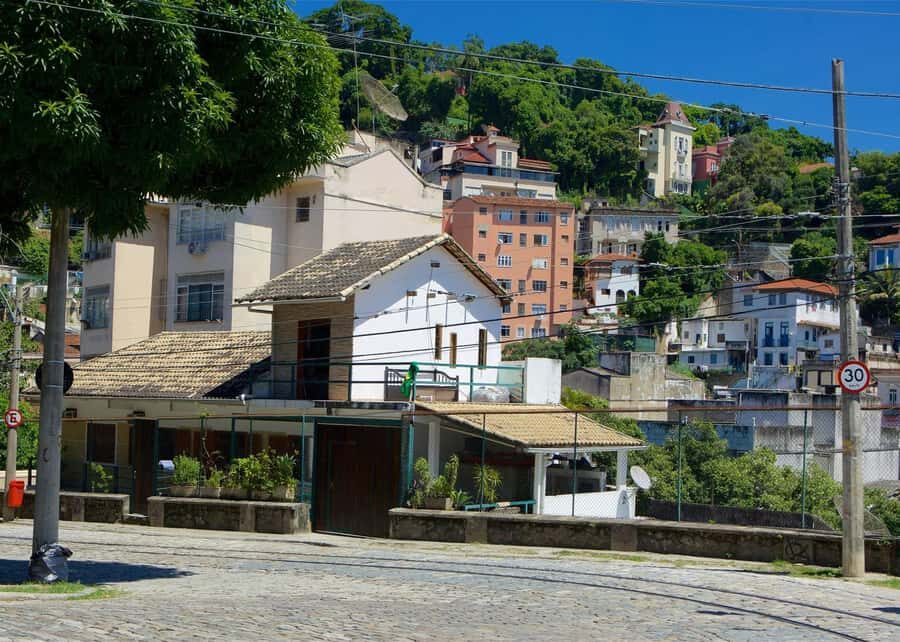
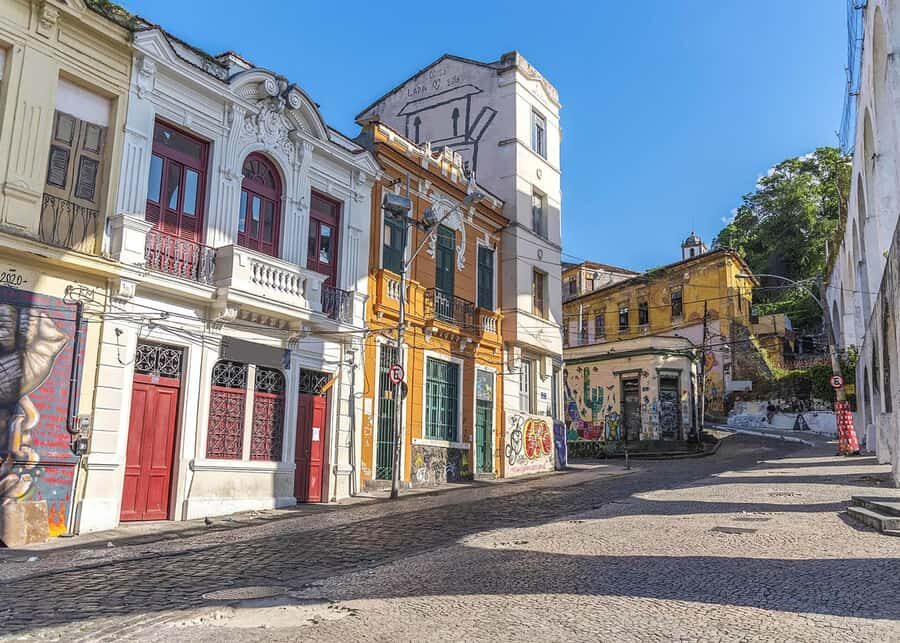
Santa Teresa is one of those Rio areas where the streets tell the story. You’ll move through narrow, winding lanes lined with early 20th-century mansions, which gives you an immediate sense of how the neighborhood grew and why people still come here for culture and creativity.
What I like best is that this is a walking tour, so you don’t just “pass through” Santa Teresa. You slow down, look up, and connect the art, the buildings, and the viewpoints into one coherent place.
Also, the tour is shared, so you’re not running your own private agenda. That can be a plus if you like meeting fellow visitors, but it also means you’ll follow the guide’s timing.
You can also read our reviews of more walking tours in Rio De Janeiro



How the 3 hours are paced (and why it matters)
This tour runs for about 3 hours, with departures available twice daily (morning and afternoon). In practice, that time window is perfect for covering the core sights without turning your day into a long logistics project.
You’ll start with pickup from one of five areas: Leblon, Ipanema, Copacabana, Flamengo, or Botafogo. If you don’t provide a pickup address, the default meeting point is Socialtel Lapa on Rua Visconde de Maranguape, 9—so check that detail before you go, especially if you’re staying outside the listed neighborhoods.
Since food and drinks aren’t included, plan to handle snacks on your own if you need them. And because the tour goes rain or shine, bring something small for weather protection so you can keep enjoying the streets instead of thinking about mud and wet sleeves.
The 1897 historic tram ride: the view portion you actually remember
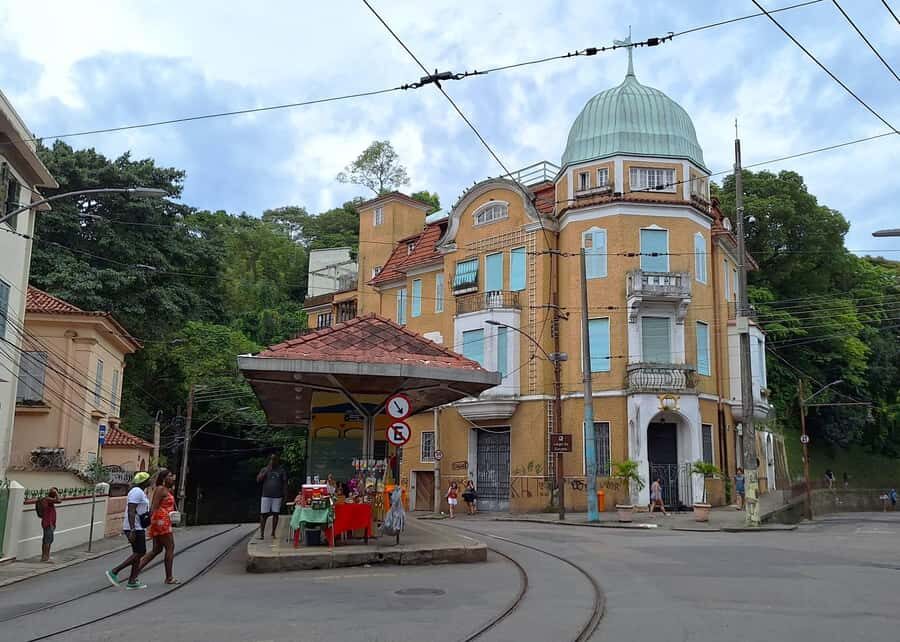
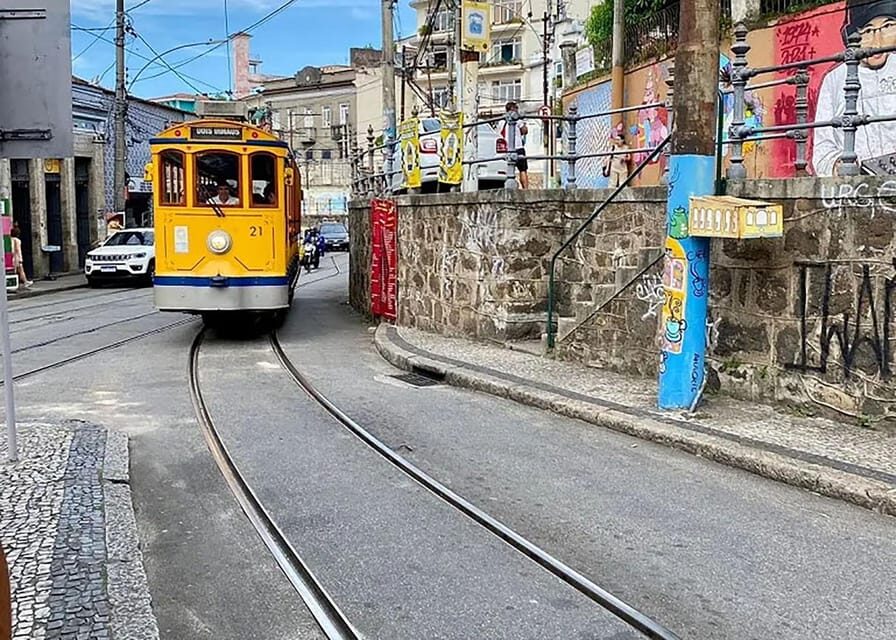
The highlight for most people is the famous historic tram in operation since 1897. It’s not just a novelty ride. The tram’s clatter and old-time setup make the route feel like part of Santa Teresa itself, and the panoramic views from the car help you understand how the neighborhood sits above Rio.
This is one of those moments where you’ll want to position yourself smartly. If you prefer photos, you’ll likely get more usable angles by choosing a side that matches the view direction your guide signals. If you just want the experience, take a seat and enjoy the slow scan across the hills and city below.
Also note what’s not included: there’s no cable car ride on this tour. So if you were hoping for the newer aerial option, you’ll want to plan that separately.
Parque das Ruínas: an easy stop that connects art and architecture
You’ll visit Parque das Ruínas with a guided visit. Even without getting stuck in heavy details, this kind of stop matters because it gives you context for what makes Santa Teresa so visually distinctive—buildings that feel like they were made for art, not just for living.
Look for how the space shapes what you see. When you walk through places like this, you start noticing how Santa Teresa’s creativity isn’t only in paintings and murals. It’s also in how the neighborhood uses walls, openings, and room-like outdoor spaces.
A practical note: this isn’t a long meal break or a long museum marathon. It’s timed to keep you moving, so if you love taking your time inside exhibits, you may wish you had extra hours after the tour ends.
Chácara do Céu Museum: where creativity shows up in a focused way
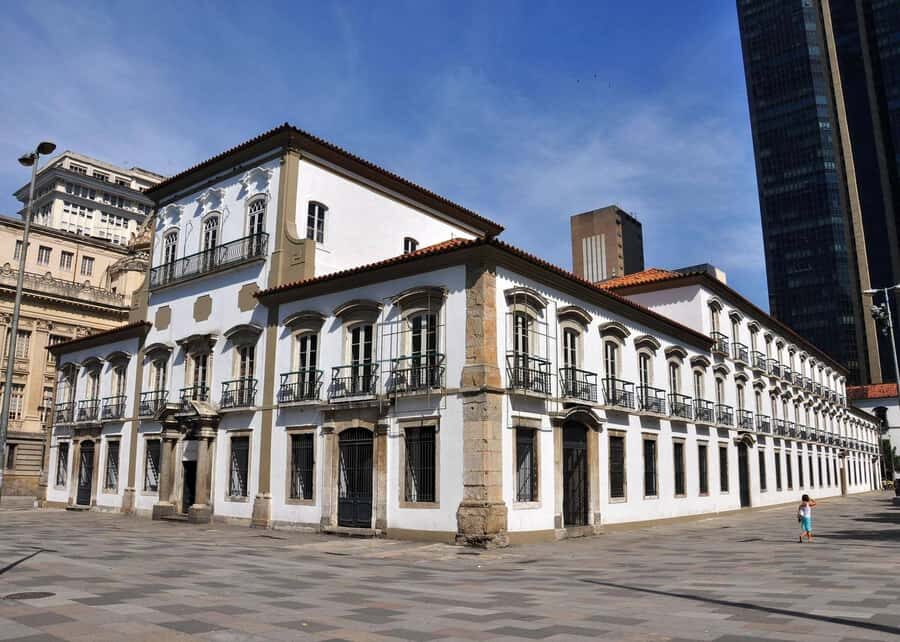
Next you’ll go to Chácara do Céu Museum, also guided. This stop works well because it gives you a structured introduction to the area’s artistic side instead of relying only on what you spot outside on the street.
Museums like this are especially useful when your goal is to leave with more than just photos. You’ll come away understanding why Santa Teresa attracts artists, and how local creativity became part of the neighborhood’s identity.
Because the tour is shared, the visit style is likely group-paced. That’s fine—just know you’re getting the highlights, not a full self-guided session where you linger at every room.





Largo dos Guimarães: squares are where the neighborhood breathes
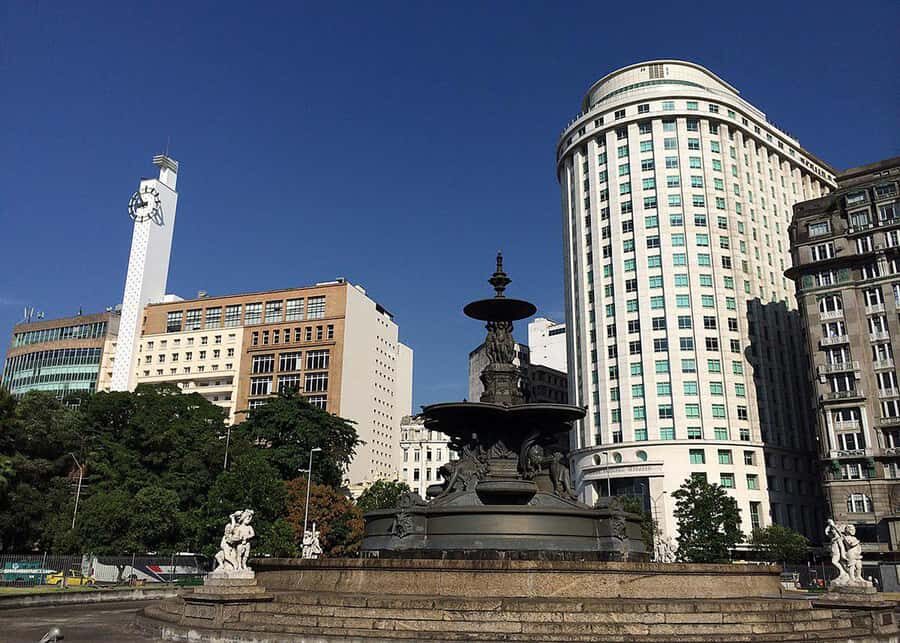
At Largo dos Guimarães, you’ll get another guided stop in a public square setting. Squares are where Santa Teresa’s daily rhythm becomes visible—where you can see how people actually use the space, not only how it’s described in a guidebook.
This kind of stop also balances the day. After museums and a tram ride, a square is a good place to reset: you can watch, compare architecture around you, and catch small street details.
If you’re the type who likes to orient yourself visually, squares are a cheat code. They help you understand the neighborhood’s geometry, so the rest of the walk feels more connected.
Museu do Bonde: why the tram matters beyond one ride
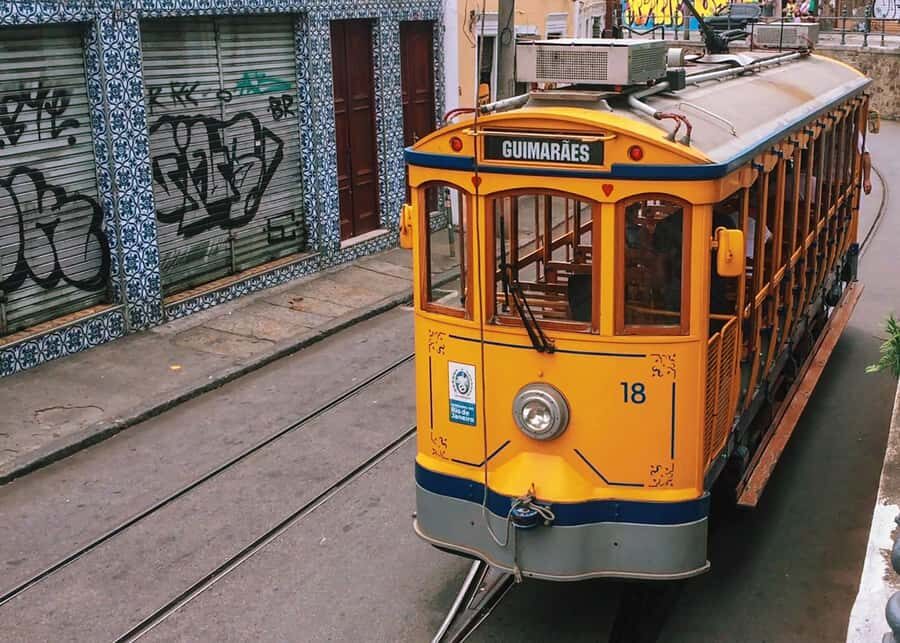
Then you’ll visit Museu do Bonde, with a guided tour. A museum stop like this is smart because it turns a single tram ride into a bigger story. Instead of thinking of the tram only as a ticketed experience, you start seeing it as a thread in Santa Teresa’s past and development.
This is also a good point in the tour to ask questions. Your guide can connect what you’re looking at to what you just experienced on the tram—why the line exists, what it meant for moving through the area, and how the neighborhood kept that identity.
Tip: bring your ID or passport along. The tour specifically notes you should have passport or ID card, so don’t assume it’s optional.
Rua Laurinda Santos Lôbo: murals and art you can walk past
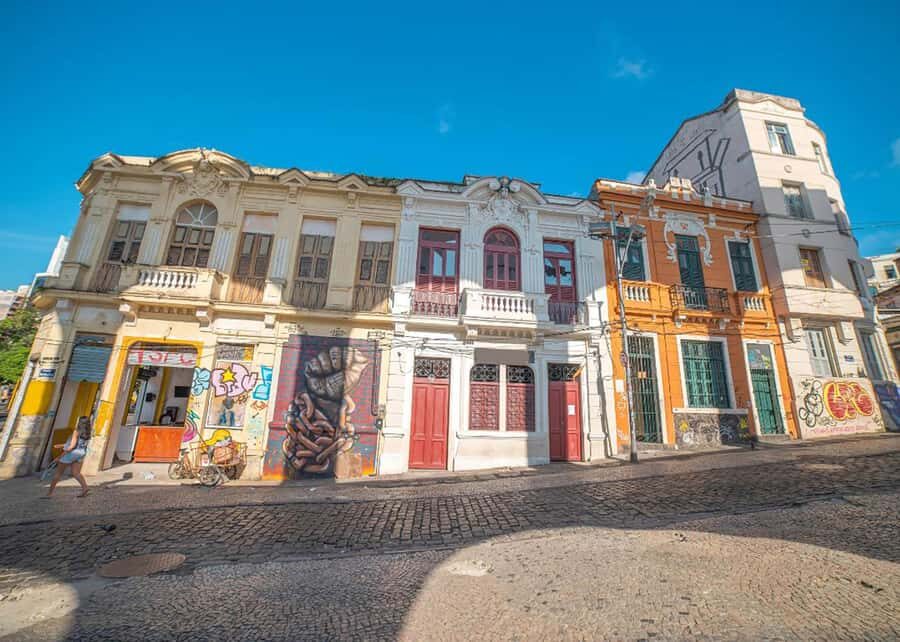
You’ll end up on Rua Laurinda Santos Lôbo, guided. This street moment is about letting the art meet you where you are. When you walk a street like this with a guide, you don’t just see color—you understand what the art is doing in the neighborhood’s public space.
Santa Teresa’s creative scene shows up everywhere, and this kind of stop helps you spot patterns. You’ll be more likely to notice how murals and murals-adjacent details relate to the nearby cultural stops you’ve already visited.
And yes, this is also the part of the day where your “one more photo” habit may kick in.
Shopping for souvenirs without getting stuck in tourist clutter

You’ll have time to browse art boutiques and locally owned shops. The tour framing here is practical: you’re looking for unique items rather than mass-produced souvenirs, and the shopping time is built into the experience.
You might find things like handcrafted jewelry, clothing, and artisanal goods. That’s exactly the type of souvenir that feels like it came from the place, not from a shipping container.
My advice: set a small budget in your head before you shop. With so much visible creativity, it’s easy to end up with more than you planned—fun, but not always helpful when you’re carrying it home.
Price and value: is $106 per person a fair deal?
At $106 per person for a 3-hour tour, you’re paying for three things that many “walk and look” tours don’t include: a bilingual professional guide, transportation/pickup, and key experiences tied to Santa Teresa’s identity.
The tram ride and the museum/square stops are what justify the price. If you were doing this on your own, you’d spend time figuring out routes, timing, and how to connect the right places in a short window. Here, the guide does that sequencing for you, and you get context while you’re moving.
Two things that aren’t included are food/drinks and the cable car ride. That’s not a deal-breaker, but it’s why I’d plan to eat before or after the tour, and treat this as a cultural-and-viewing block in your day.
About the guides: Thiago, Renato, and Leo in the mix
This tour’s vibe really depends on the guide, and recent bookings highlighted that. Names that came up include Thiago, Renato, and Leo, with feedback praising friendliness and strong English skills for at least some groups.
That matters because Santa Teresa rewards observation, and a good guide helps you connect what you see to why it’s there. When the guide explains the tram stops, the museum context, and the creative street elements clearly, you leave with a lot more than a checklist of pretty spots.
Language coverage is English, Portuguese, and Spanish, and the guide is bilingual professional. So even if your Portuguese is rusty, you’re still set up to follow along.
Should you book this Santa Teresa walking tour?
Book it if you want a compact, guided way to experience Santa Teresa’s art and views—especially if the 1897 tram ride is high on your list. It’s a smart choice for first-timers in Rio who want a real slice of neighborhood character without spending a whole day coordinating transit.
Consider skipping (or pairing it with extra independent time) if you’re the kind of person who needs long museum sessions, or if you’re sensitive to weather and don’t like tours that run rain or shine. Also, it’s noted as not suitable for wheelchair users, so plan accordingly.
If you like neighborhoods where walking makes the story clearer, this is a solid value. You’ll get history, creativity, and viewpoints in one tidy block—no cable car needed.
FAQ
How long is the Explore Santa Teresa walking tour?
The tour lasts 3 hours.
What’s included in the price?
You get a bilingual professional tour guide and hotel pickup. The experience also includes the sightseeing stops described for the tour.
Are food and drinks included?
No, food and drinks are not included.
Is a cable car ride included?
No, the cable car ride is not included.
Where do pickup and drop-off happen?
Pickup is offered from Leblon, Ipanema, Copacabana, Flamengo, and Botafogo. Drop-off is also available at those same areas (Leblon, Copacabana, Flamengo, Ipanema, Botafogo).
What if I don’t provide a pickup address?
If no pickup address is provided, the default meeting point is Socialtel Lapa – Rua Visconde de Maranguape, 9.
What languages are the guides?
The live guide speaks English, Portuguese, and Spanish.
Is the tour wheelchair accessible?
No, the tour is not suitable for wheelchair users.