REVIEW · RIO DE JANEIRO
Historical Downtown and Lapa – Walking Tour
Book on Viator →Operated by Rio by Foot - Tours · Bookable on Viator
Rio’s center gets real fast. This walking tour strings together landmark buildings and street-level details that explain how modern Brazil took shape. Two things I especially like are the up-close route on foot and the way your guide turns what you see into clear political and social context.
The big tradeoff: it’s still a walking tour, so comfortable shoes matter. Also, food and drinks aren’t included, so plan to grab water and a bite on your own during the day.
In This Review
- Key points to know before you go
- Why this Rio walk beats the usual postcard route
- Price and logistics: what $40 really buys you
- Meeting at Praça Floriano: start with a map in your head
- Biblioteca Nacional: why a library stop works in a walking tour
- Museu Nacional de Belas Artes and the WWII memorial area
- Avenida Rio Branco: Rio’s grand boulevard with real context
- Escadaria Selarón: the photo stop with a point
- Praça XV and the Feira atmosphere you can time your day around
- Pace, comfort, and how to not hate a walking tour
- Guides matter: Rafael, Juliana, and the value of good storytelling
- Who this tour is best for (and who may want a different option)
- Should you book this Historical Downtown and Lapa walking tour?
- FAQ
- How long is the walking tour?
- Where does the tour start and end?
- Are admission tickets included?
- Is food or drinks included?
- Is hotel pickup and drop-off included?
- How big are the groups?
Key points to know before you go
- A 3-hour route with a small group (up to 20 people) keeps things interactive.
- Major stops include Biblioteca Nacional and the Museu Nacional de Belas Artes area, with admission included.
- Avenida Rio Branco plus big public squares helps you understand how Rio’s city power works.
- Escadaria Selarón is a signature photo stop, and you’ll reach it with a story in mind.
- Practical breaks and Q&A time are built into the experience so questions don’t get swallowed.
Why this Rio walk beats the usual postcard route

Most Rio tours try to cover everything with quick snapshots. This one takes a different approach: you walk through the historic spine of the city and let the guide connect the dots. You’ll spend the morning learning how public buildings, monuments, and streets reflect political change—without feeling like you’re trapped in a lecture.
I also like the pace. Three hours sounds short, but you cover enough ground to get oriented in Centro and understand why people keep coming back to these neighborhoods. And because the group is capped at 20, it stays lively instead of chaotic.
You can also read our reviews of more walking tours in Rio de Janeiro



Price and logistics: what $40 really buys you
At $40 per person for about three hours, you’re paying for a guide’s time plus admission where it’s included. This matters because the highlights aren’t just outside-photo stops—you get inside access for key places, including Biblioteca Nacional and the Museu Nacional de Belas Artes stop.
A note on pricing expectations: the experience is often described as tip-based in some contexts, where you tip at the end if you want. Either way, the value comes from the combination of guided storytelling and the included entry tickets—not from rushing through photo spots.
What’s not included is also simple: no food or drinks, and no hotel pickup or drop-off unless you choose a separate option. Plan to bring a bottle or budget for refills, and eat before or after if you want more control over your day.
Meeting at Praça Floriano: start with a map in your head

The tour begins at Praça Floriano, 1 – Centro. That’s a smart starting point because Centro is where Rio’s civic story becomes visible: government-era architecture, busy streets, and major pedestrian corridors all sit close together.
You’ll end at Praça Quinze de Novembro – Centro. That finish is handy because it helps you transition into your next plan without doubling back.
If you’re trying to spot your guide quickly, look for recognizable clothing. One guide named Rafael has been noted wearing green shirts, which can make meeting up easier.
Biblioteca Nacional: why a library stop works in a walking tour

Stop one is Biblioteca Nacional (around 25 minutes), and admission is included. On paper, a library stop might sound quiet. In practice, it’s a powerful way to understand how Brazil built its public identity: access to books, archives, and knowledge often goes hand-in-hand with nation-building.
In this setting, you don’t just look at doors and facades. Your guide connects what you’re seeing to the broader idea of institutions—who ran them, what they preserved, and how public culture developed over time.
Time is limited here (about 25 minutes), so come with a light mindset: this isn’t a long study visit. It’s a quick, guided orientation that helps you notice details you would probably miss on your own.
Museu Nacional de Belas Artes and the WWII memorial area
Next comes Museu Nacional de Belas Artes (about 15 minutes), with admission included, plus time near a national monument connected to the dead of the Second World War. This combination can feel like two worlds—art and war—but the point is how public space keeps memory visible.
A walking tour like this is great for mixing themes. You’ll get visual cues from the museum stop, then your guide ties the surrounding memorial context back into larger political and historical threads. It’s the kind of stop that makes you look up and around instead of only watching where you step.
If you care about how countries remember conflict, you’ll likely enjoy this part. If you’re more focused on scenery, you still get value because it’s not random: the guide’s explanations make the buildings feel connected.
You can also read our reviews of more historical tours in Rio de Janeiro





Avenida Rio Branco: Rio’s grand boulevard with real context
From there, you walk along Avenida Rio Branco (about 20 minutes). This is one of those “big street” experiences where the city feels official. It’s wide, it’s central, and it’s designed for public movement—perfect for learning how power shows itself in urban planning.
On a typical walking tour, a boulevard stop can become background noise. Here, the guide uses it as a timeline—explaining how streets and civic space reflect political shifts and changing priorities.
This is also a good moment to ask questions. If you want to understand Brazil beyond the headlines, this is when the guide’s Q&A time usually feels most natural: you’re in the middle of the material, not just hearing theory at a bench.
Escadaria Selarón: the photo stop with a point
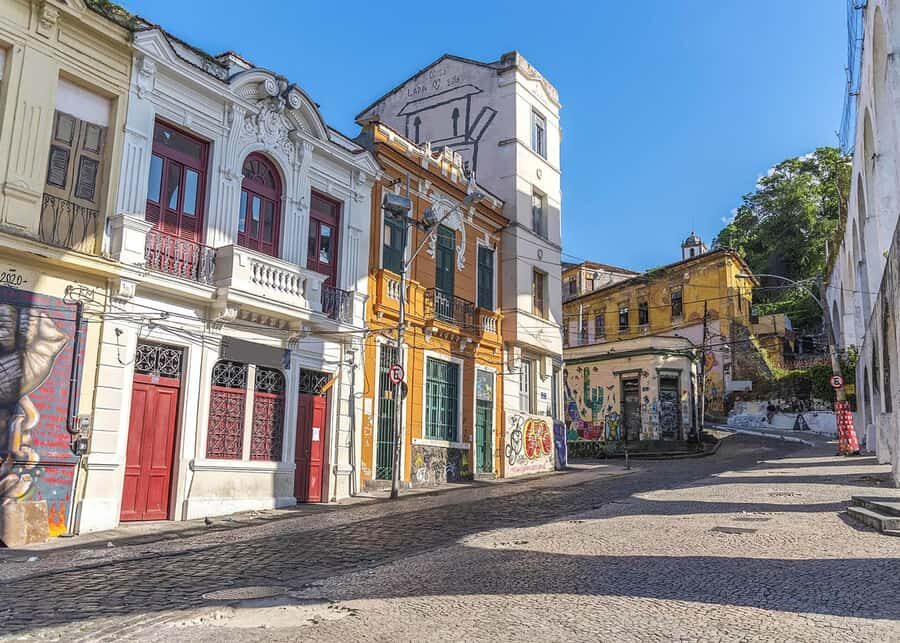
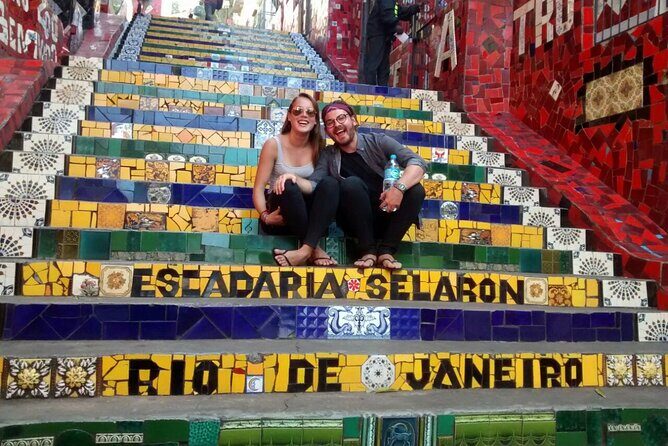
Then you reach Escadaria Selarón. This is the kind of place that’s famous for a reason: colorful tiles, strong visuals, and an atmosphere that feels personal even when lots of people are around.
But the best part is the way it lands after the earlier civic and institutional stops. By the time you get here, you’ve already learned enough about the city’s historical logic that the steps feel like a statement—not just street art.
Expect to slow down for photos and to take in the scale. One guide-led route has you finishing at the steps, and that can be a relief after walking. If you’re shooting pictures, consider bringing your phone camera battery charger if you’ll be out for multiple hours in the sun.
Praça XV and the Feira atmosphere you can time your day around
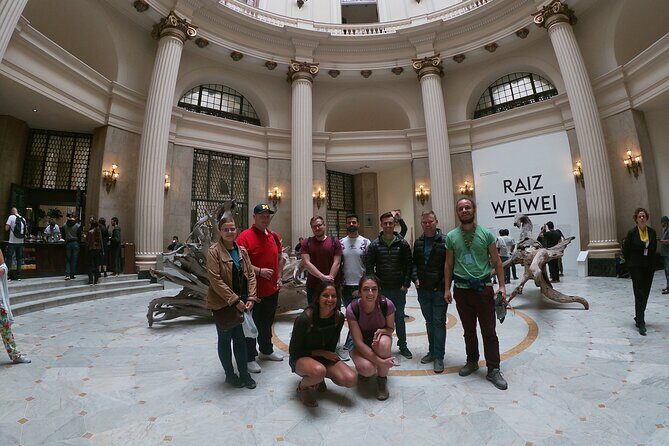
The tour finishes with Feira da Praca XV (about 15 minutes, viewed externally), and admission isn’t included. Even in a short window, you can get a real sense of how daily life mixes with history here.
This is the part where planning matters. You might catch market activity depending on timing, and that can make the area feel more alive. If you’re there on a day when stalls are operating, the market energy makes the walk feel less like sightseeing and more like being in the city.
Also, this is a practical stop for resetting. In some runs of the tour, there’s time for a quick toilet break and to refill drinks. That kind of pause is small but important, especially in warmer or sunnier weather.
Pace, comfort, and how to not hate a walking tour
This is a walking tour, and the best way to enjoy it is to dress for Rio street life. One run described the walk as around three miles at an average pace, cool enough that it felt manageable, and the group stayed together.
A quick reality check: three miles in flip-flops is not three miles in good walking shoes. If the day is very hot, you may wish there were more shaded stretches. The guide can only do so much about sun, so plan like it’s summer every day.
Also, bring a light layer. Even when it’s warm, Rio can swing in feel with ocean air and changing cloud cover. If you’re the type who gets uncomfortable fast, you’ll appreciate a small buffer.
Guides matter: Rafael, Juliana, and the value of good storytelling
The experience really depends on your guide. Some guides keep the energy high and treat the tour like a friendly history lesson with movement.
Two guide names you may see in English-Portuguese runs are Rafael and Juliana. Rafael has been described as energetic, strong on historical context, and great at answering questions while helping people feel safe. Juliana has been noted for high energy and for speaking in both English and Portuguese, plus sharing personal context from living in Rio.
If you want to learn how Brazil’s political history shapes the city streets, ask questions early. The tour is built for Q&A, so don’t wait until the end if something feels confusing.
Who this tour is best for (and who may want a different option)
This walking tour is ideal if you like history that you can see. If you want more than just a view—if you want the why behind the buildings—this route helps you connect major locations in a way that feels useful.
It’s also a strong budget choice because part of what you’re paying for is admission to specific sites. With no food included, it works well if you enjoy exploring on your own afterward rather than needing a meal built into the tour.
It may not be the best fit if you want a super relaxed, minimal-walking experience. It’s about movement and context, not lounging. And if your travel day is tightly scheduled for mobility reasons, you’ll want to choose clothing and shoes that make walking easy.
Should you book this Historical Downtown and Lapa walking tour?
Book it if you want a guided way to understand Rio’s civic story without spending a whole day on buses. The mix of included admissions, a route through central monuments and boulevards, and a signature stop at Escadaria Selarón gives you both learning and great photos.
Skip it (or consider a different style) if you hate walking or if your schedule needs heavy flexibility. Also, remember you’ll need to handle your own snacks and water.
If you’re visiting Centro for the first time, this tour is one of the easiest ways to get your bearings fast—then you can wander smarter for the rest of your trip.
FAQ
How long is the walking tour?
It’s listed at about 3 hours.
Where does the tour start and end?
It starts at Praça Floriano, 1 – Centro (Rio de Janeiro) and ends at Praça Quinze de Novembro – Centro.
Are admission tickets included?
Yes. Admission is included for Biblioteca Nacional and the Museu Nacional de Belas Artes stop. The Feira da Praca XV stop is external and admission is not included.
Is food or drinks included?
No. Food and drinks aren’t included, though there may be time to refill drinks during the tour.
Is hotel pickup and drop-off included?
Hotel pickup and drop-off aren’t included unless you selected that option.
How big are the groups?
The tour has a maximum of 20 travelers, and it’s near public transportation.