REVIEW · RIO DE JANEIRO
Pedra do Sal: Live Samba Night with Local Guide & Drink
Book on GetYourGuide →Operated by RIO AS A LOCAL TURISMO LTDA · Bookable on GetYourGuide
Samba has a street address here. At Pedra do Sal, you’ll pair live music with the story of Rio’s Little Africa, including the rock, the staircase, and why this spot matters after dark. I especially like how the night isn’t treated like a show from a distance, and how guides keep things human—history, drinks, and real neighborhood energy in one plan.
Two things I really like: a local guide who connects the samba to the place (not just to an idea), and the chance to meet other people while you’re still moving through the scene together. One drawback to consider: it can get crowded, loud, and chaotic, so if you dislike crushes or tight spaces, you’ll want to skip it (or choose a calmer Rio option).
In This Review
- Quick hits before you go
- Why Pedra do Sal is the start of Rio’s samba night
- Getting there: the yellow booth meet-up by Angu do Gomes
- The guided walk into Little Africa: what you learn before the music starts
- Pedra do Sal after dark: live samba and street-level Rio
- Drinks, street-food hints, and pacing a 150-minute night
- Safety and comfort: how guides help you handle crowds
- Price and value: is $41 worth a live samba night?
- What your itinerary feels like in real time
- Should you book Pedra do Sal for your Rio itinerary?
- FAQ
- How long is the Pedra do Sal live samba night?
- Where is the meeting point?
- What does the tour include?
- Is food included?
- Is transportation included?
- What language is the guide?
- What should I bring?
- Who is the tour not suitable for?
- What are the cancellation terms?
Quick hits before you go
- Pedra do Sal is the cradle of Carioca samba, tied to dock workers and the port-era rhythms of Rio
- Little Africa (Porto Maravilha) connects samba to the slave trade and quilombo history
- Live samba in the street, not a sit-down performance for your convenience
- English-speaking guide support, including direction and keeping the group together
- One welcome drink gets the night rolling (often beer or caipirinha style)
- Bring closed-toe shoes—you’re on uneven ground with big crowds around
Why Pedra do Sal is the start of Rio’s samba night
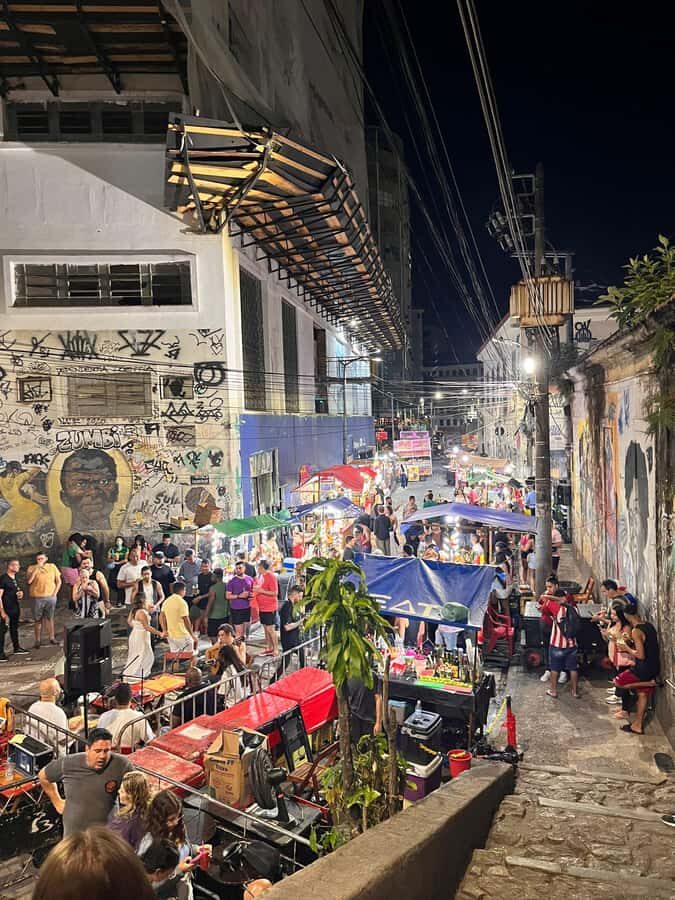
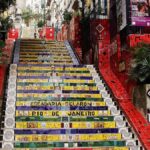
Pedra do Sal is one of those Rio places where the music and the geography talk to each other. The whole experience circles around a large rock—Pedra do Sal—with a carved staircase leading toward Morro da Conceição. It’s heritage-listed (since 1984), so it isn’t just a “cool spot.” This is a meaningful landmark in the story of Carioca identity.
What makes it more than a photo stop is the framing. You’re guided through why this area became known as Little Africa—a point where the port’s economic engine met forced migration and community life. The description explains how ships brought salt, it was unloaded here, and that work-and-wait rhythm helped create the meeting place where dockers and sambistas crossed paths. Add the quilombos and the mix of Afro-Brazilian culture, and samba stops being a generic genre. It becomes a living social practice.
For you, that means the night makes more sense. Even if you’re not a samba expert, you’ll understand why people treat the gathering like something worth showing up for. And you’ll likely feel less like a spectator and more like someone who’s been taught the “why” before the “what.”
You can also read our reviews of more guided tours in Rio De Janeiro



Getting there: the yellow booth meet-up by Angu do Gomes
You’ll start at R. Sacadura Cabral, 75 and meet at a clearly marked point: a yellow booth in front of Angu do Gomes restaurant. Look for Helena or Gustavo. It’s the kind of meet-up that matters in Rio—easy for you to find, and less time wandering while the evening gets going.
If you’re solo, this sort of organized beginning is a big deal. You get to join a group before the night gets loud. And because the plan includes guide-led movement, you’re not left figuring out the safest route through crowds on your own.
Practical tip: keep your smartphone charged. You may want it for maps, messages, or quick check-ins, especially if your Uber or ride plans depend on accurate pickup points.
The guided walk into Little Africa: what you learn before the music starts
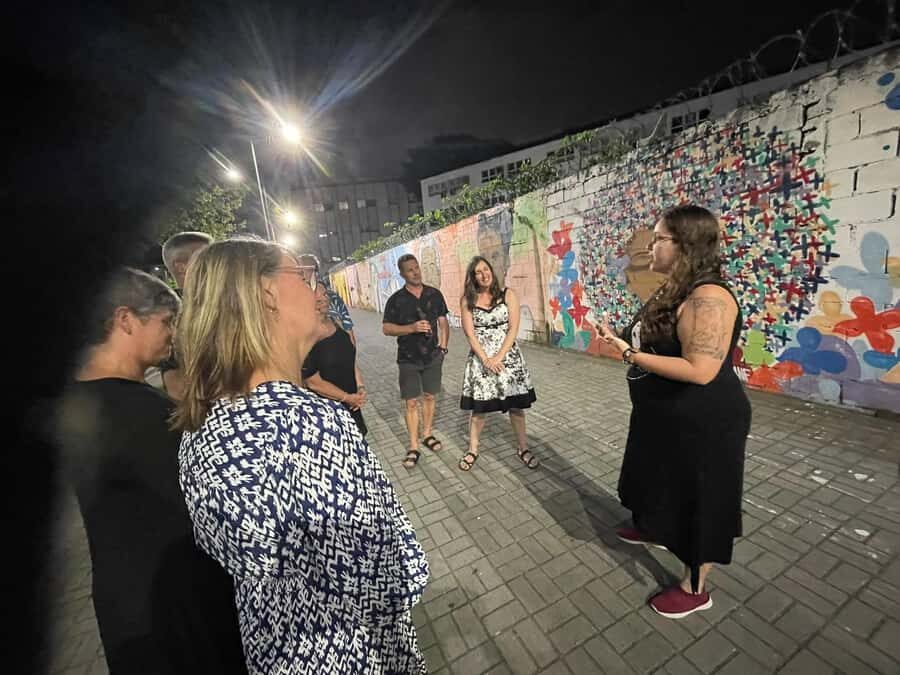
The heart of this experience is Pedrа do Sal and the immediate area around it, but the guide-led portion matters. You don’t just arrive and hope for the best. You get a story first—about the port area, the connections to enslaved Africans and quilombos, and how this helped shape samba as Carioca culture.
This is where the tour becomes useful for your brain. Lots of Rio nightlife is fun, but you can leave feeling like you caught flashes of energy with no context. Here, the guide ties the place to the rhythm: why people gather, why samba took root, and why the rock and staircase aren’t random landmarks. When you understand that, the live music hits differently. You stop treating it like background noise.
Guides in this experience have different names, but the consistent vibe is care and clarity. People have mentioned guides like Evan, Lina, Yan, Matheus, and Vitoria for their energy and their way of keeping the group informed. You can expect English support and a plan that keeps you from getting lost in the shuffle.
Pedra do Sal after dark: live samba and street-level Rio
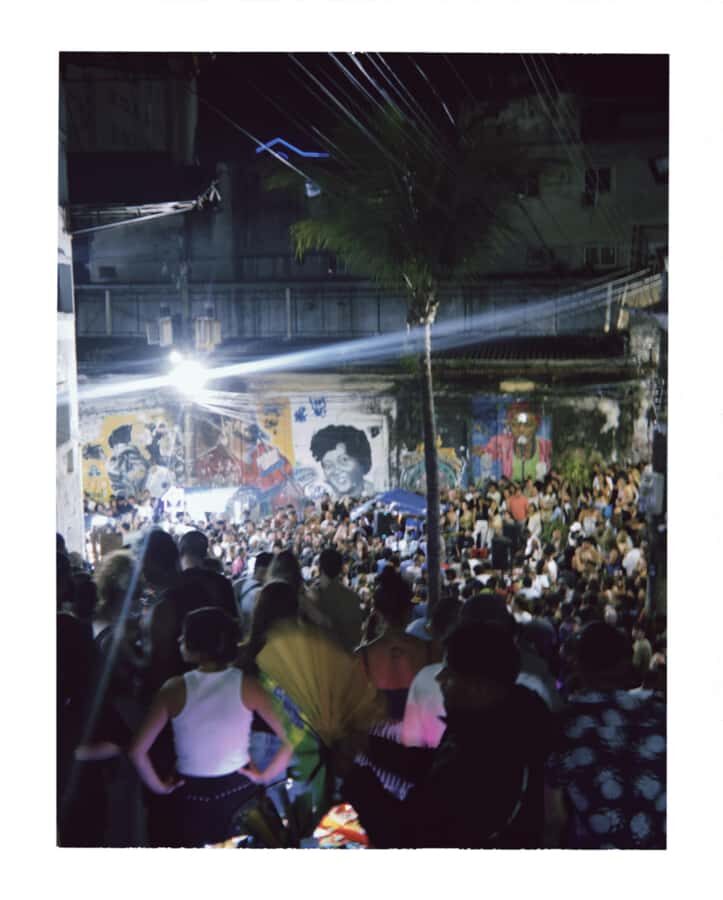
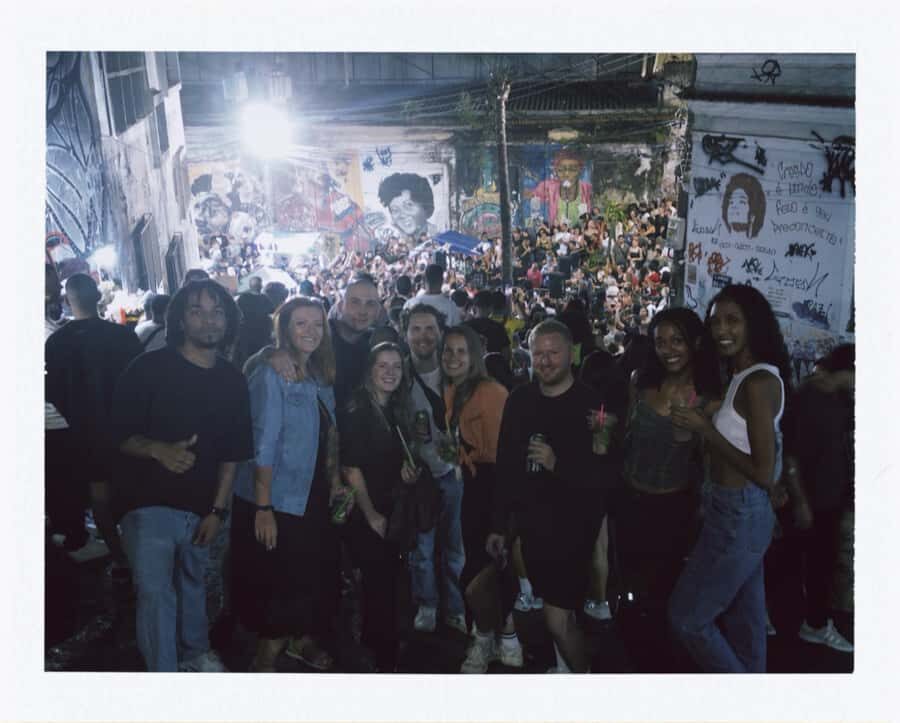
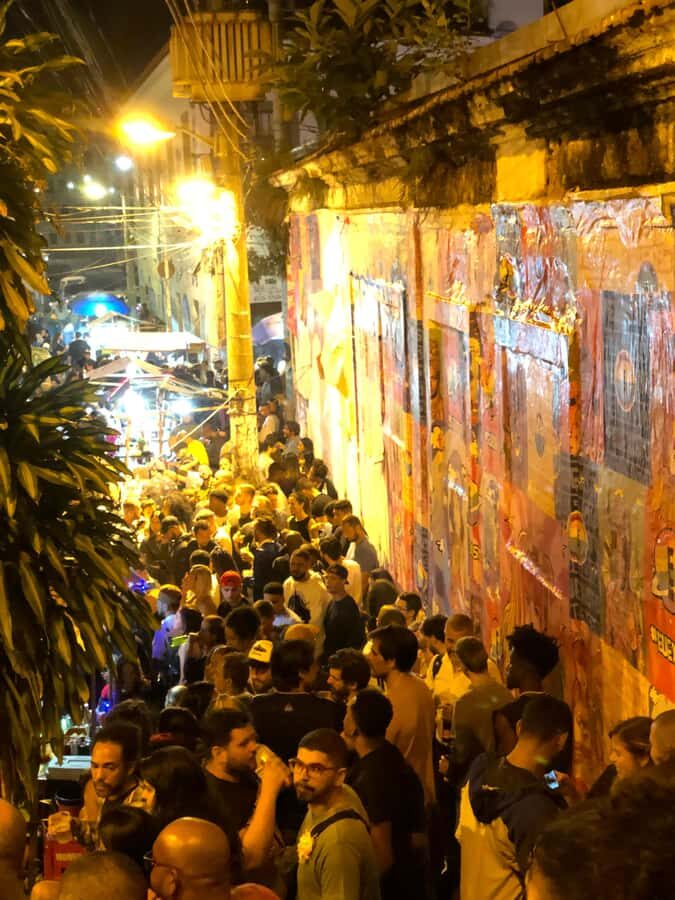
Once you’re at the core spot, the experience shifts from explanation to full-on night energy. The event centers on live samba happening right where people are standing and dancing. This is not a “watch from a safe seat” situation. It’s a social scene—beer and caipirinhas floating around, people singing and moving, and the kind of crowd where you feel the neighborhood’s pulse.
A useful expectation to set: this is not framed as a staged performance. It’s more like joining a neighborhood party where music is part of daily identity. That’s why the guide’s presence matters. They help you understand what you’re seeing and they help the group stay together when things get busy.
The famous part of Pedra do Sal is that large rock with its carved staircase. In the evening, that rock becomes a backdrop for dancing and conversation. And because the staircase connects toward Morro da Conceição, you’re reminded that this is a literal crossroads of Rio geography, not just a single street corner.
If you’re the type of traveler who wants to “collect” shows, you might find this less neat than a ticketed venue. If you want to feel how Rio’s samba culture actually operates—through gathering, call-and-response, and movement—this is exactly the point.
Drinks, street-food hints, and pacing a 150-minute night
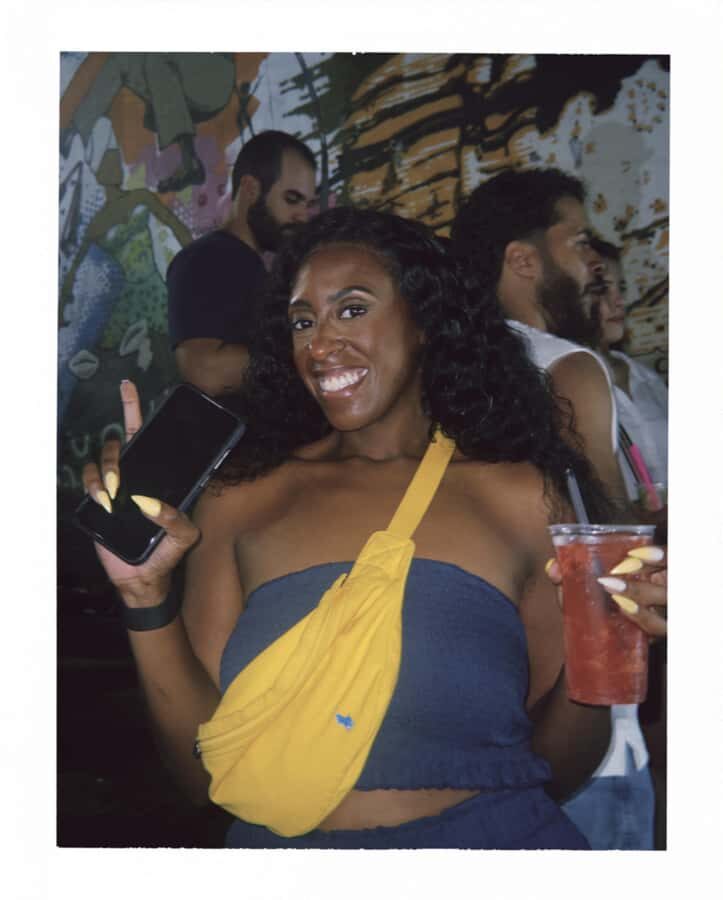
The tour includes one welcome drink, which is part of why the price feels reasonable. In a city where nightlife costs add up fast, having a drink built into the start helps you budget. Based on what people describe, the welcome drink is commonly in the beer or caipirinha direction, and the guide may help with what to try next.
What’s not included is food. That’s fine, because you’re guided with practical tips about what to look for in the street-food and drink scene. The goal isn’t to spoon-feed you meals—it’s to help you avoid guesswork and focus on snacks that fit the night.
Timing-wise, the experience is listed as 150 minutes, so it’s long enough to get the full arc (meet, learn, arrive, enjoy music, then head back), but short enough that you’re not trapped for hours in one place if the crowd isn’t your style. In this kind of Rio night, comfort often comes from pacing. Closed-toe shoes help, water helps, and staying mentally flexible helps most.
If you’re planning your evening around this, think of it as the main event. You’ll get more out of it if you’re not trying to squeeze in multiple long stops right after.
You can also read our reviews of more evening experiences in Rio De Janeiro



Safety and comfort: how guides help you handle crowds
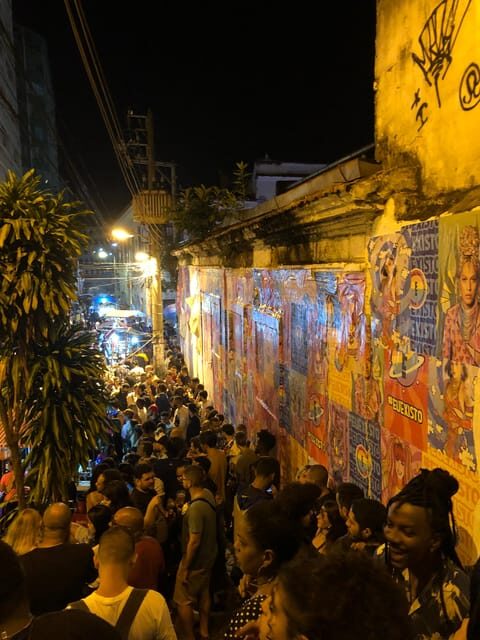
Rio can be intense at night, and this area gets busy. The activity also lists two clear “don’t” categories: it’s not suitable for pregnant women and not suitable for people with claustrophobia. That’s a straight-up warning about crowd conditions and how the experience functions socially.
Even with that, many people highlight feeling safe specifically because the guide manages the flow. The pattern is: stay together, follow the plan, and get help getting in and out of the area. Some guides have even been described as helping people with the ride at the end—so you’re not stuck trying to coordinate transportation while everyone else is leaving.
My practical advice to you:
- Wear closed-toe shoes. You’re dealing with pavement, crowds, and street-level movement.
- Plan for noise. Live samba is part of the point, and volume is normal.
- If you’re uncomfortable with tightly packed scenes, go on a night where you feel mentally ready—or skip this one.
This isn’t about being fearful. It’s about respecting the reality of a popular neighborhood gathering. A good guide turns that reality into a smoother experience.
Price and value: is $41 worth a live samba night?
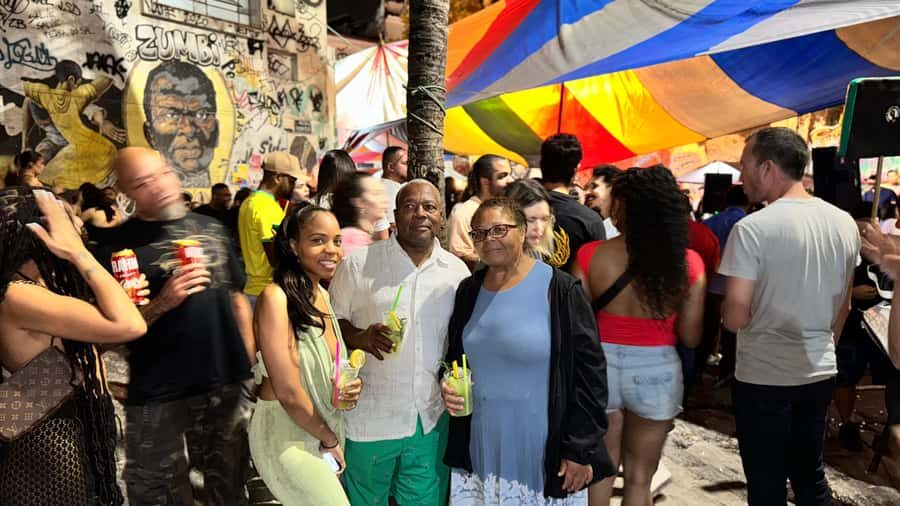
At $41 per person for 150 minutes, this sits in the “nightlife value” zone, mainly because the tour isn’t only about the samba music. You’re paying for three practical things:
1) a local guide in English who explains why the place matters,
2) one welcome drink included, and
3) the reduced stress of navigating a high-energy area with a group and a plan.
Food and transportation are not included, so you still need a small buffer for snacks and getting home. But compared with paying for a private guide plus buying drinks separately, the bundled value is solid—especially if you’d otherwise hesitate about joining a local scene on your own.
There’s also the social value. The group format helps you meet other people during the night, which can make a difference in a city where being alone can feel awkward in crowded nightlife zones.
What your itinerary feels like in real time
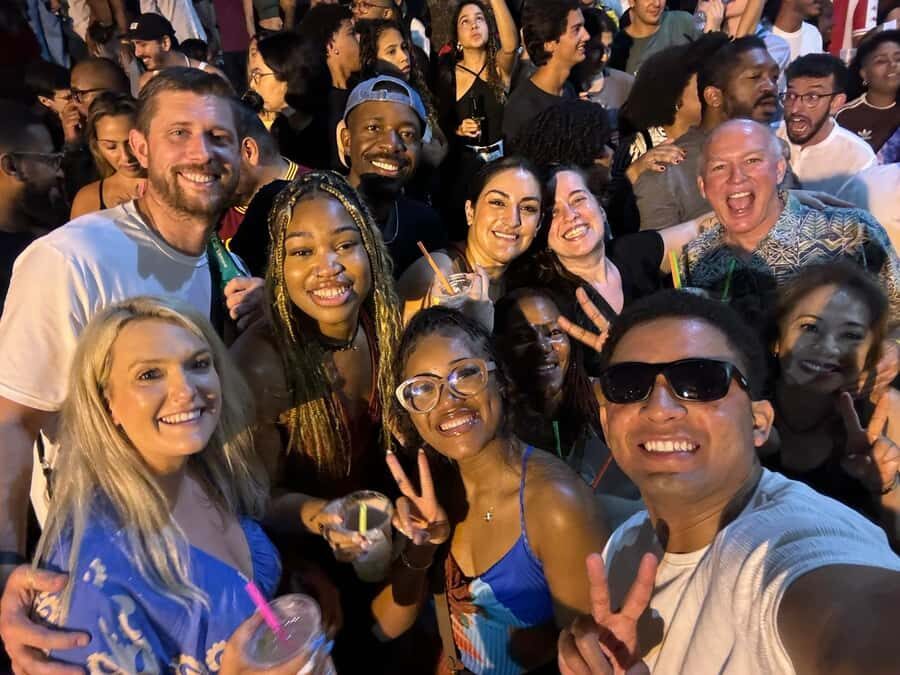
The structure is simple. You meet at the booth in front of Angu do Gomes, then head into the Pedra do Sal area where the guided portion centers on history and context. After that, you spend time at the core samba scene—listening, watching, and letting the music pull you into the rhythm.
Then you return to R. Sacadura Cabral, 75. It’s a closed loop, which is one of the reasons this works well for first-timers in Rio: you get a night experience with an end point, not a free-floating plan.
The main “draw” is that the guides don’t treat the night as a museum lesson or a club event. It’s both. The history changes how the samba lands in your ears, and the samba changes how the history sits in your mind.
Should you book Pedra do Sal for your Rio itinerary?
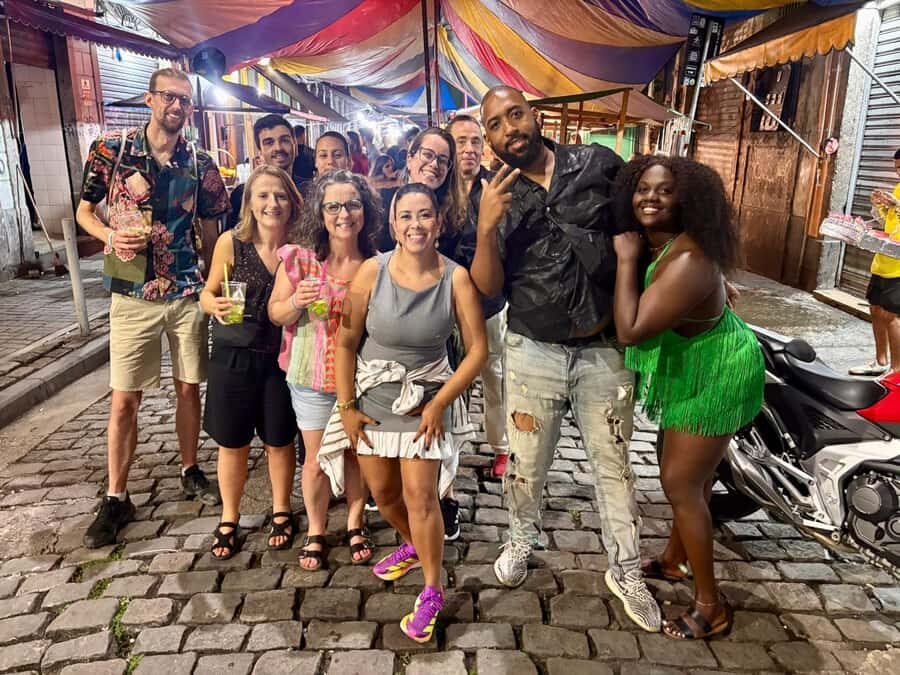
I think you should book this if you want a Rio night that’s social and grounded in place. Pedra do Sal is for you if you care about context—why the samba exists here, not just that samba is playing somewhere nearby. It’s also a good option for solo travelers who want the support of a group and a guide who helps keep you oriented.
Skip it if crowd pressure sounds like a deal-breaker. This isn’t a quiet cultural walk. It’s a lively local gathering, and the experience itself flags claustrophobia as a no. Also, if you’re only interested in a polished show, you’ll probably feel let down. The point here is street-level participation, not a staged performance.
If you choose to go, take the experience on its terms. Bring the right shoes, keep your phone charged, and show up ready to learn and move with the night.
FAQ
How long is the Pedra do Sal live samba night?
The experience is listed as 150 minutes.
Where is the meeting point?
You meet at a yellow booth in front of Angu do Gomes restaurant. Look for Helena or Gustavo.
What does the tour include?
You get one welcome drink and a live English tour guide.
Is food included?
No. Food is not included.
Is transportation included?
No. Transportation is not included.
What language is the guide?
The guide operates in English.
What should I bring?
Bring a charged smartphone, closed-toe shoes, and passport or ID card (a copy is accepted).
Who is the tour not suitable for?
It’s not suitable for pregnant women and not suitable for people with claustrophobia.
What are the cancellation terms?
You can cancel up to 24 hours in advance for a full refund.