REVIEW · PARATY
Private walk tour of Paraty’s historical center – BY PARATY TOURS
Book on Viator →Operated by Paraty Tours · Bookable on Viator
Paraty’s old streets make history walkable. This private 2-hour walk with BY Paraty Tours takes you through the colonial-era core at a human pace, with an English-speaking guide and flexible meet-up options. You’ll also leave with a historic center map so you can keep exploring on your own.
I especially like how the tour is built for your group—no squeezing in with strangers, no waiting on everyone else, and you can start from a spot that works for you in the historic center. I also like that the guide connects the visible stuff (churches and buildings) with the less-obvious details, like Freemasonry history and the symbols you can spot around town.
One thing to keep in mind: visitation fees aren’t included, so a church, museum, or door you want might cost extra or be closed when you arrive. It won’t ruin the walk, but it’s smart to plan for a little pay-as-you-go.
In This Review
- Key highlights to know before you go
- Entering Paraty’s historic center without the crowd chaos
- Who’s leading the walk: English support and CADASTUR credentials
- What the tour actually covers: churches, culture, and Freemasonry clues
- Stop-by-stop: the walk from Remedies to the Rosary and Saint Benedict
- Stop 1: First Church of Our Lady of the Remedies
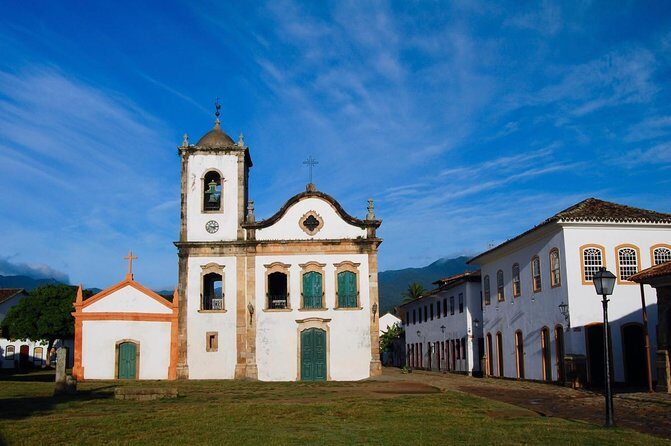
- Stop 2: Igreja de Santa Rita
- Stop 3: Paraty Religious Arts Museum
- Stop 4: Capela Nossa Senhora das Dores
- Stop 5: Casa da Cultura de Paraty
- Stop 6: Church of Our Lady of the Rosary and Saint Benedict
- Stop 7: Centro Historico de Paraty
- A practical bonus: hill-and-fort context for understanding the town
- Price and value: when $80 per group makes sense
- Choosing the right day: short, flexible, and not overcommitted
- The one drawback to plan around: guide tone and door access
- Should you book this Paraty historical center private walk?
Key highlights to know before you go
- Private group experience (up to 15 people) so you can move comfortably through tight streets
- English-speaking, CADASTUR-legalized guide to cut through language and help you understand what you see
- Freemasonry symbols in Paraty explained in context as you walk between major landmarks
- A tight 2-hour circuit that covers multiple churches and cultural stops without eating your whole day
- Historic center map included so you can turn the walk into an ongoing self-guided itinerary
- Meet at your hotel reception or the agency at Roberto Silveira 479
Entering Paraty’s historic center without the crowd chaos
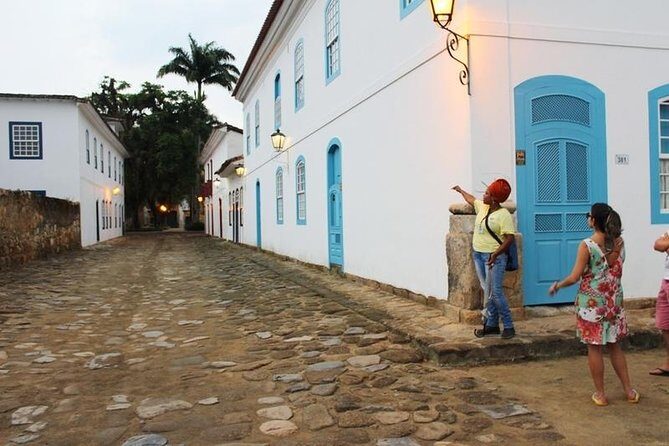
Paraty works best on foot, but the historic center can get busy—especially when cruise-day timing lines up. This is a private walking tour for just your group, which changes everything. The pace stays calm. Questions don’t get rushed. And you don’t have to stand aside while other groups shuffle around you like a moving puzzle.
The tour also feels practical because it’s only about 2 hours. That’s long enough to understand the layout and pick up meaningful stories, but short enough that you’re not forced to “tour all day” if you’re also planning beach time or a boat trip. You’ll be walking through the older streets and stopping along the way, so you get that face-to-face feeling for the architecture instead of just passing it.
And yes, you’ll get a historic center map to take home. I love tours that hand you something usable, not just a PDF you never open again. With the map, you’ll be able to point at where you were standing and repeat the route later.
The flip side? This is a walking experience in a compact area. If you’re hoping for a fully seated, indoor-only tour, this won’t match that mood. Also, expect weather to matter. Paraty’s center is beautiful, but you’ll feel it on a hot day.
You can also read our reviews of more walking tours in Paraty



Who’s leading the walk: English support and CADASTUR credentials
The guide is billed as bilingual and CADASTUR-legalized, which is exactly what you want for a place full of religious terms, historic references, and those cryptic-looking symbols you might otherwise ignore. Having an English-speaking guide means you won’t waste your limited time sorting translations on the fly.
You also get an easy start. You can meet your guide at the reception of your hotel in the historic center of Paraty, or at the Paraty Tours agency located at Roberto Silveira 479. That flexibility is more than convenience—it can save you time and stress, especially if you’re staying a bit farther from the main square.
One detail I’m glad to see included: you’re not just touring landmarks. You’re learning how to read the town. That matters in Paraty, where the most interesting parts aren’t always the biggest buildings. Small marks, symbols, and why something was built where it is can be the difference between seeing Paraty and understanding it.
What the tour actually covers: churches, culture, and Freemasonry clues
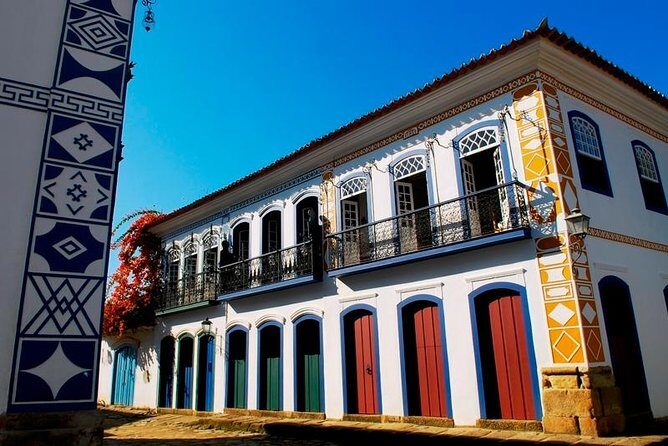
Paraty’s historical center is thick with religious architecture, and this walk leans into that. You’ll visit a sequence of churches and cultural sites, and your guide will explain what you’re seeing while you connect it to broader stories about the town.
A standout element is the Freemasonry history piece. Instead of treating Freemasonry like a random trivia topic, the tour focuses on hidden symbols with historical significance in Paraty. That gives you a reason to slow down and look closely at details on walls and facades, not just snap photos and move on.
You’ll also cover culture beyond church doors. Stops include places tied to religious arts and local culture, so the walking route doesn’t feel like a nonstop sermon tour. It’s more like: religion, art, local identity, then back to understanding the street-level layout of the center.
From what you’re shown, you can expect the guide to tie daily life in the colonial-era town back to the physical buildings around you. One common theme from guide styles in this area is the effort to translate the past into something you can picture—what the town looked like, how people used the streets, and why the design choices mattered.
Stop-by-stop: the walk from Remedies to the Rosary and Saint Benedict
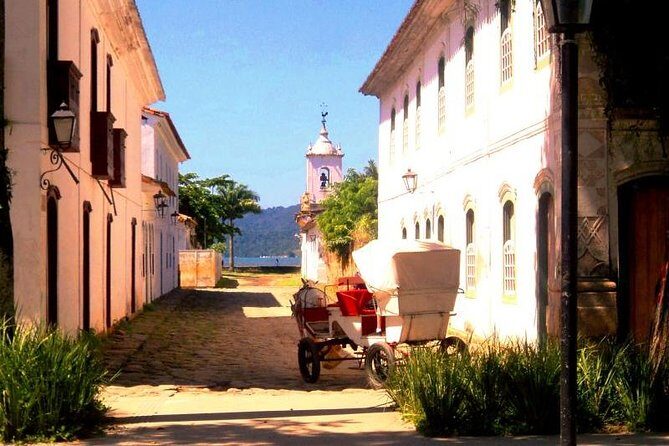
This tour follows a clear order of landmarks. Here’s what to look for at each stop, and what tends to make each one worthwhile.
Stop 1: First Church of Our Lady of the Remedies
This first stop is a good “set the tone” moment. You’ll start with a major dedication and get oriented to the way Paraty’s religious culture shows up in the urban fabric. Pay attention to how the church relates to the surrounding streets—Paraty’s older center often feels like the town was shaped around these places, not just built near them.
Practical note: arrive ready to look up and around. Church visits in this part of Brazil often reward curiosity more than speed.
You can also read our reviews of more private tours in Paraty





Stop 2: Igreja de Santa Rita
Next comes Igreja de Santa Rita, another stop that reinforces the town’s layered religious identity. I like this part of the tour because you’re learning patterns: how different churches are positioned, how the architecture signals status or function, and how the guide connects it to the story of Paraty as a colonial port community.
If you’re someone who worries you’ll get church-fatigued, this is where a good guide makes it feel like a conversation. The talking points usually shift from structure to meaning.
Stop 3: Paraty Religious Arts Museum
This is one of the stops where the walk can feel extra valuable, because it moves from exterior architecture into cultural content. The museum stop helps explain religious art in a way that makes the earlier churches easier to interpret later.
One consideration: since visitation rates for sights are not included, keep an eye on whether you’ll need to pay entry here (or elsewhere). If you’re budgeting, treat museum/church entry as a separate line item.
Stop 4: Capela Nossa Senhora das Dores
Capela Nossa Senhora das Dores adds another layer to the “map of beliefs” you’re building. Chapels in smaller settings can feel more intimate than big churches, and they’re often where you’ll notice finer details.
This is a good place to slow down. Symbols and small architectural cues often show up here. If your guide points something out as a meaningful sign, this is where you’ll want to look at it carefully rather than just moving to the next photo.
Stop 5: Casa da Cultura de Paraty
Now you pivot toward local culture. Casa da Cultura de Paraty is the kind of stop that helps you understand the town as more than a museum piece. It’s also the segment where guides often connect the historic streets to how people lived—what the town looked like when it was still a working colonial port, and why buildings got painted and arranged the way they did.
If you’re hoping to learn practical travel tips for Paraty, this is the kind of moment when a guide can naturally share “how to think about the town” advice—what to do next, where to eat, what kind of museum visit fits your time.
Stop 6: Church of Our Lady of the Rosary and Saint Benedict
This is a major-name church stop: Our Lady of the Rosary and Saint Benedict. Stops like this tend to be where scale becomes part of the story. Your guide can help you read why certain churches carried weight in the community and how they fit into the larger network of faith and daily life.
If you want a photographic stop, this is usually where you’ll spend a little more time looking for angles that show both the church and the street context around it.
Stop 7: Centro Historico de Paraty
The final stop is less about a single building and more about pulling everything back together in the Centro Historico de Paraty. This is where you get your bearings and connect the route you just walked to the bigger layout of the neighborhood.
I also think this is the right kind of ending for a short tour. You leave with a mental map, not just a list of places. And since you take home the historic center map, you can immediately compare what’s on paper with what you just saw in person.
A practical bonus: hill-and-fort context for understanding the town
Some guides in Paraty’s historic area start by giving broader context—like taking you up toward the hill where the Portuguese built a fort to protect the settlement from invasion. Even if your walk is centered on the core landmarks, that kind of orientation helps you understand why the town sits where it does and how defense, trade, and religion shaped its layout.
That same orientation approach can also lead to helpful “what to do next” advice—like pointing out a local beach to check out, or explaining why houses in Paraty are painted in different colors and what that tells you about everyday life in earlier times.
If you want more than church stories and Freemasonry trivia, look for a guide style like that. It makes Paraty feel like a living place instead of a photo set.
Price and value: when $80 per group makes sense
The price is $80 per group, up to 15 people, for about 2 hours. On paper, that sounds straightforward. In practice, the value depends on your group size and how you like to travel.
Here’s the math mindset: if you’re traveling as a small group, you’ll likely pay closer to the full amount in total. If you’re traveling with several people who can split the cost, the per-person value can get surprisingly good fast. Either way, you’re paying for two main things:
1) a private guide who can tailor the pace, and
2) clarity—especially in a historic center where labels and symbolism don’t always make sense on first glance.
Also, since visitation fees aren’t included, your final spending might be a bit higher if you choose to enter museums or pay for church access. I treat that as normal in walking historic centers, but it’s smart to budget a little extra so you’re not surprised.
Bottom line: this tour is a strong value when you want a guided historical walk without turning the day into a full expedition.
Choosing the right day: short, flexible, and not overcommitted
The tour’s schedule is listed as flexible, with a start time at 9:00am. Morning helps. Streets tend to be easier to navigate, and you get better light for photos before the center heats up.
It’s also a nice option if you’re balancing Paraty with other plans. A 2-hour timeline is easy to plug into a day:
- morning historical walk,
- lunch,
- then beach or boat time.
If you’re the type who likes to keep afternoons open for wandering, this tour fits that style.
The one drawback to plan around: guide tone and door access
Most of what people like here is the guide experience. Names that come up positively include Christ, Christiano, and Ramon, with comments praising a fun, informative approach and a charming, knowledgeable way of connecting Paraty’s past to everyday details.
But I’ll be fair: one group reported a negative guide attitude, with comments that didn’t land well (including negative generalizations about nationalities and religion). That’s not the typical vibe you want. It’s also the kind of issue you can reduce by booking with a provider that can assign or reassign if needed, and by setting expectations for respectful, informative storytelling.
The other issue is more practical. Some stops may have doors closed or require payment. Since visitation rates aren’t included, you might want to decide in advance which places matter most to you so you don’t feel stuck paying last-minute fees you weren’t expecting.
Should you book this Paraty historical center private walk?
I’d book it if you want to:
- learn Paraty’s story in a short 2-hour window,
- avoid the stress of crowds with a private group setup,
- get an English explanation of both major landmarks and Freemasonry symbols,
- leave with a map that helps you keep exploring.
I might skip or adjust expectations if your priority is strictly “ticketed museum time,” because visitation fees are not included and some places may not be accessible every day. And if you’re sensitive to guide tone, choose your booking carefully and be ready to ask for a better fit if something feels off.
If you’re staying in or near the historic center and you want a smart first orientation, this is one of the easier ways to turn Paraty from pretty streets into a place you can actually read.