REVIEW · RIO DE JANEIRO
Rio: African Culture Walking Tour
Book on GetYourGuide →Operated by Tour by Foot · Bookable on GetYourGuide
Rio is loud, but this walk is thoughtful. This African culture experience takes you beyond Rio’s usual postcard loop, with a guided focus on black resistance, the fight against slavery, and Afro-Brazilian traditions—before ending at Cidade do Samba for a backstage look at how Carnaval actually gets made.
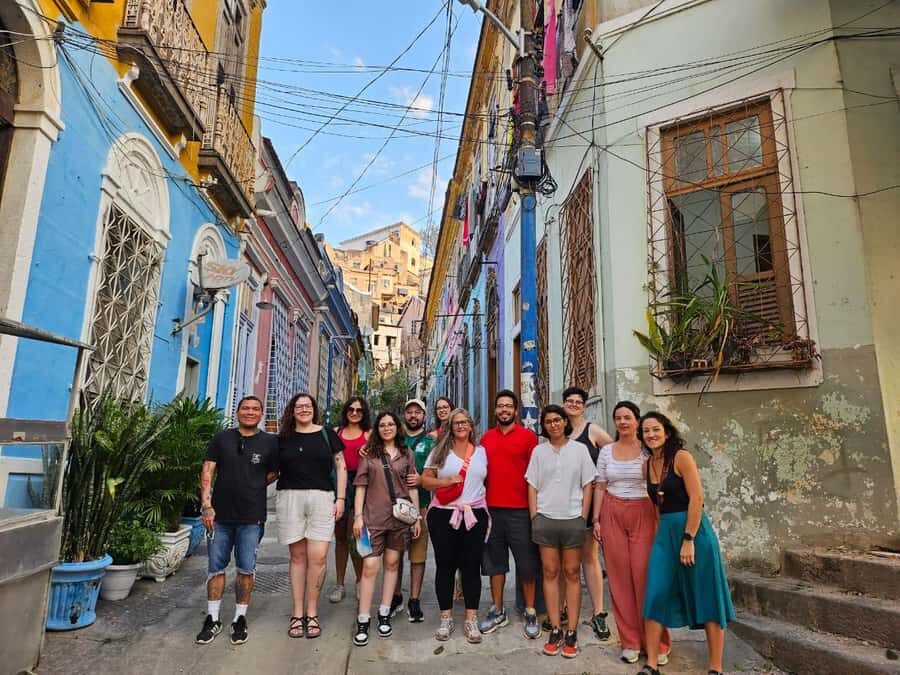
Two things I like a lot: the way the guide turns street corners into context you can use, and the small-group size that keeps the conversation going. If you’re lucky enough to get Rafael, you’ll see the same attentive, considerate energy described by other groups—and you’ll likely get time for questions, not just a lecture.
One consideration: the final stop at Cidade do Samba is the most “behind-the-scenes production” part of the day, so it can feel a bit more structured than the walking segments. If you’re chasing pure street authenticity the whole time, that warehouse-style view may feel less spontaneous.
In This Review
- Key highlights to know before you go
- Why Little Africa and Pedra do Sal changes how you see Rio
- 3 hours, a small group, and a guide who actually talks
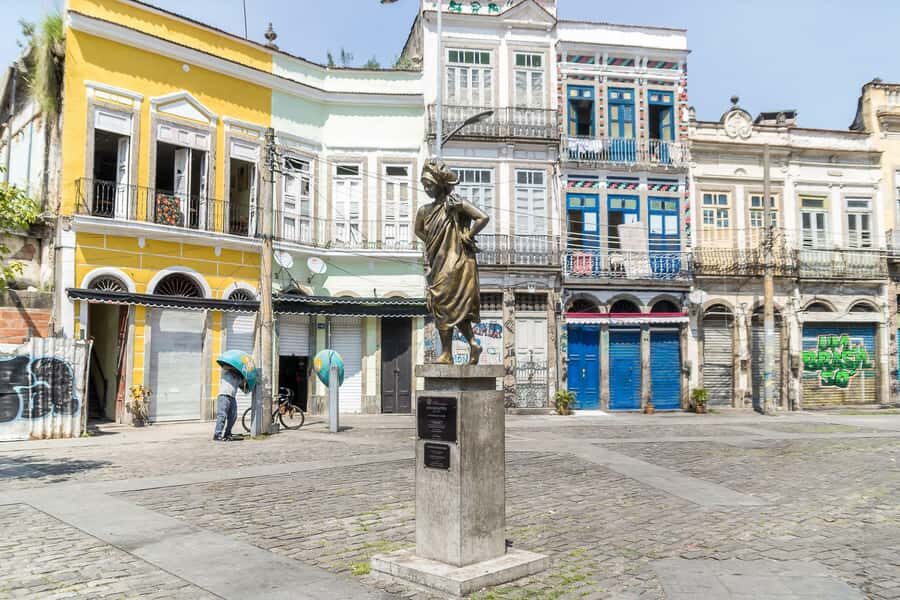
- Starting in Pequena África: street-level history you can feel
- Pedra do Sal: where the fight for freedom meets cultural identity
- The City of Samba stop: backstage access to how Carnaval is built
- Carnaval isn’t just music here; it’s a social system
- What the tour gets right (and where it may feel less authentic)
- Price and value: what $100 buys for 3 hours
- Practical tips so you get the most out of it
- Who this tour is best for
- Should you book the Rio African Culture Walking Tour?
- FAQ
- How long is the Rio African Culture Walking Tour?
- What’s included in the tour price?
- What languages are available for the live guide?
- How big is the group?
- Is the tour wheelchair accessible?
- Do I need to contact them before the tour?
Key highlights to know before you go
- Pequena África + Pedra do Sal context: you get the meaning behind the neighborhood, not just locations
- History of black resistance and abolition tied to what you see now in Rio
- Small group (max 15) makes it easier to ask questions and compare notes
- Cidade do Samba entrance included plus a backstage peek at samba school production
- Carnaval is explained, not just performed so you understand the parade origins
- No food or drinks included, so plan a snack or timing around the 3-hour window
Why Little Africa and Pedra do Sal changes how you see Rio
Rio’s reputation is sun, beaches, and big musical nights. But this tour asks a different question: what happened in Rio when people fought to be free, and how does that still show up in culture today?
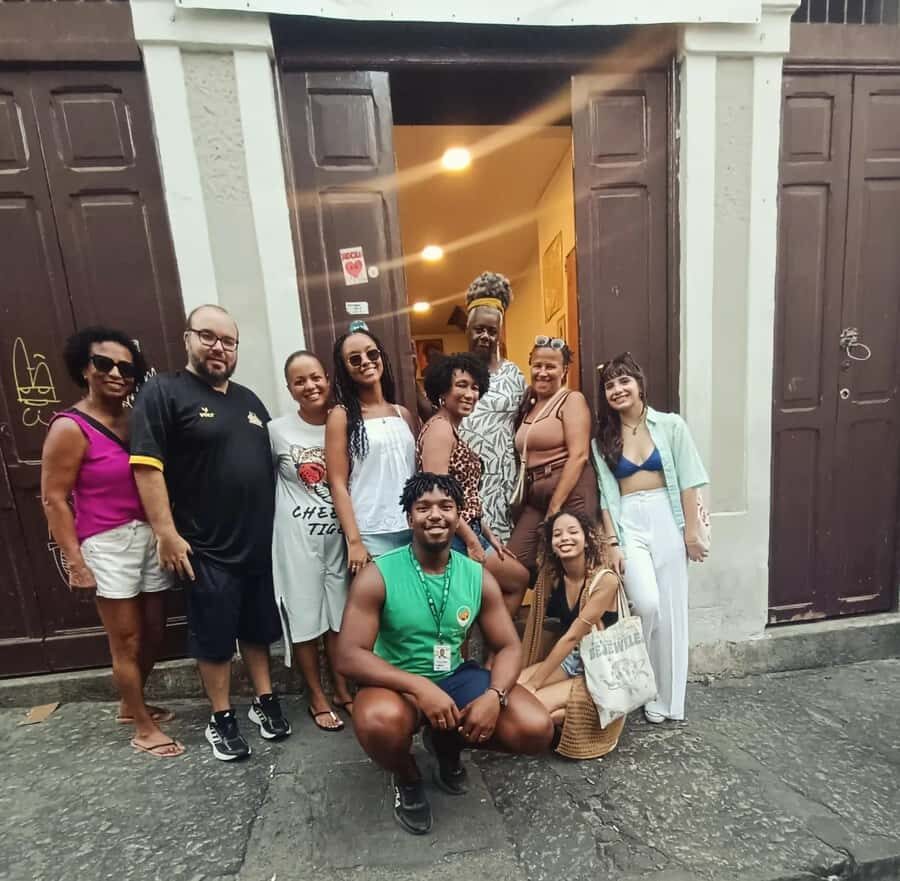
You’ll walk through the Little Africa and Pedra do Sal area with a guide who keeps the story grounded. The focus isn’t abstract. It’s about people, power, and community—then it connects to Afro-Brazilian culture in the present.
And the timing helps. You don’t just arrive at Carnaval at the finale. You learn the historical and cultural logic that Carnaval is built on, so the whole “why” clicks while you’re still in the neighborhood.
You can also read our reviews of more walking tours in Rio De Janeiro



3 hours, a small group, and a guide who actually talks
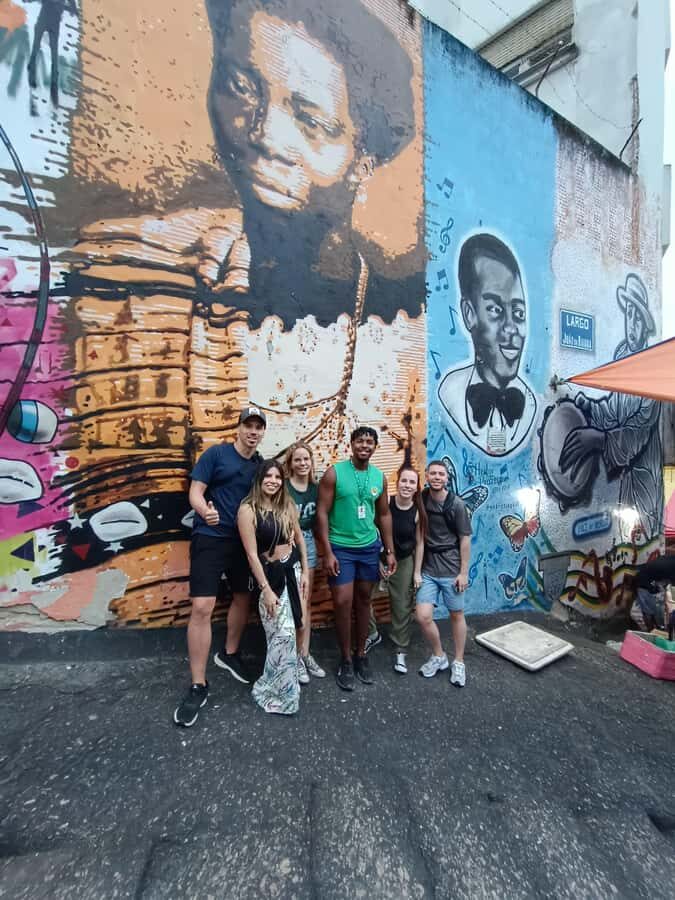
This is a 3-hour walking tour with a small group size (maximum 15). That matters more than it sounds. In a city like Rio, big group tours can turn into a moving queue. Here, the setup makes it realistic to ask follow-ups and get clear explanations.
The guide leads the experience in English, Spanish, or Portuguese. Based on group feedback, they also tend to be open to discussion rather than sticking only to a script. That makes the tour feel more like a serious conversation with local guidance than a rushed checklist.
You’ll also have a straightforward pace: it’s a walk, but it isn’t described as a punishing slog. It’s the kind of route where you’re looking around, not just getting through it.
Starting in Pequena África: street-level history you can feel
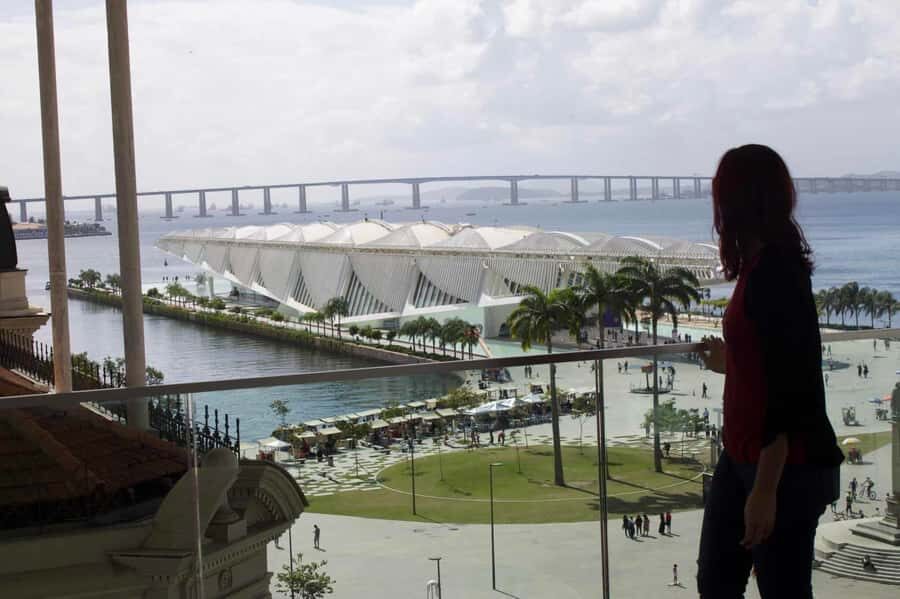
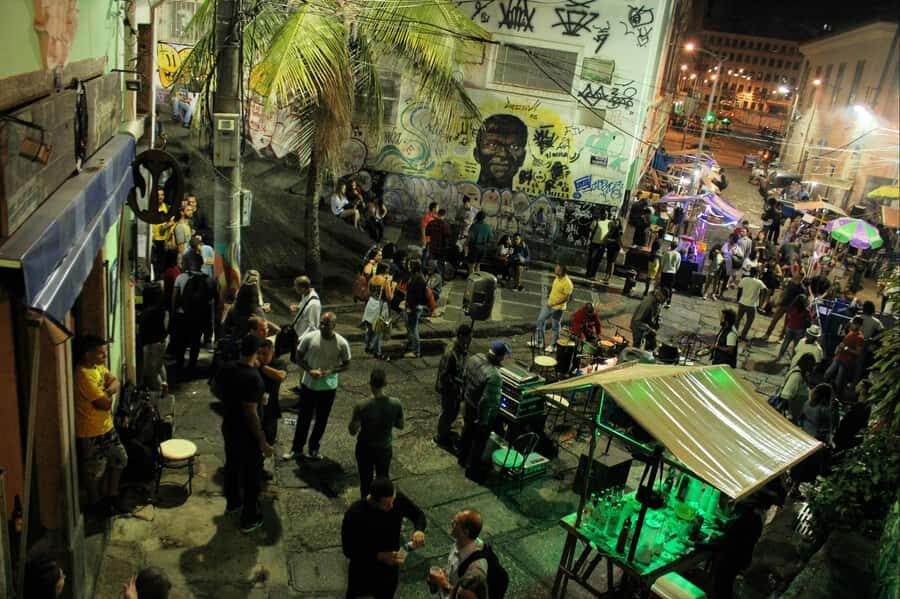
Your tour kicks off with a walking segment through Little Africa and into the broader Pedra do Sal region. The goal here is simple: learn Rio’s history of black resistance from the street level.
In practice, that means the guide is constantly tying what you see to how Afro-Brazilian communities formed, adapted, and resisted oppression. You’ll get explanations about traditions, social life, and the long struggle around slavery and freedom in Brazil. The tone is educational, but it stays connected to everyday reality.
Why this is valuable: most visitors see Rio as a set of scenes. This tour helps you see Rio as a set of stories. Once you understand the pressure, the creativity, and the community strategies that shaped Afro-Brazilian life, you start noticing cultural details differently—especially the rhythm and pride behind samba traditions.
Pedra do Sal: where the fight for freedom meets cultural identity

Pedra do Sal is part of the day for a reason. The tour’s thread runs through the struggle for abolition of slavery in Brazil and the lasting legacy of resistance in Afro-Brazilian culture.
Expect the guide to describe how resistance communities used music, social gatherings, and cultural expression to keep identity strong in the face of oppression. You’ll also learn how these histories show up in Rio’s cultural life today—so it doesn’t feel like a closed chapter in a textbook.
A practical note: this is still a walking tour, so you’ll want comfortable shoes and patience for stops. The pace is meant to let you absorb explanations while staying mobile. If you’re the type who likes to take photos every two seconds, you’ll do fine—you just may want to pause after a key explanation so you don’t lose the thread.
The City of Samba stop: backstage access to how Carnaval is built
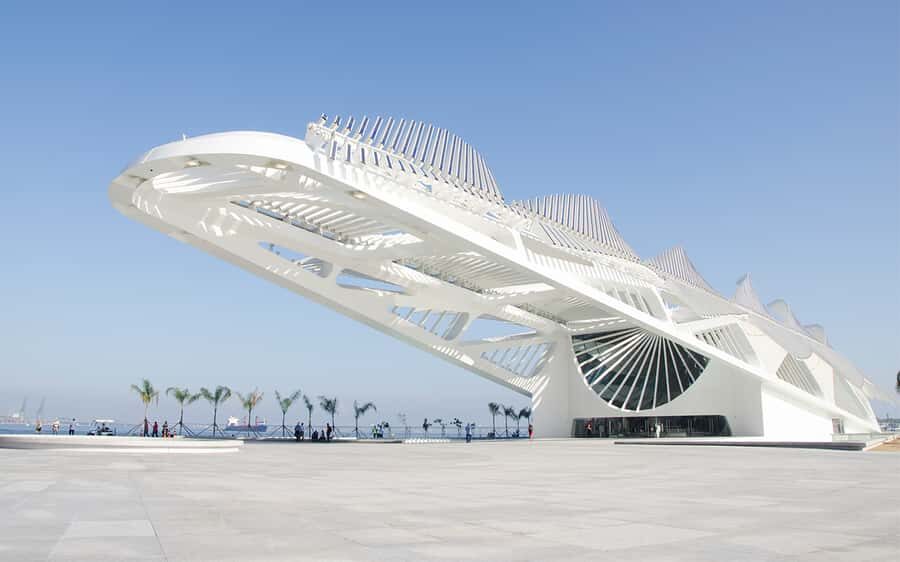
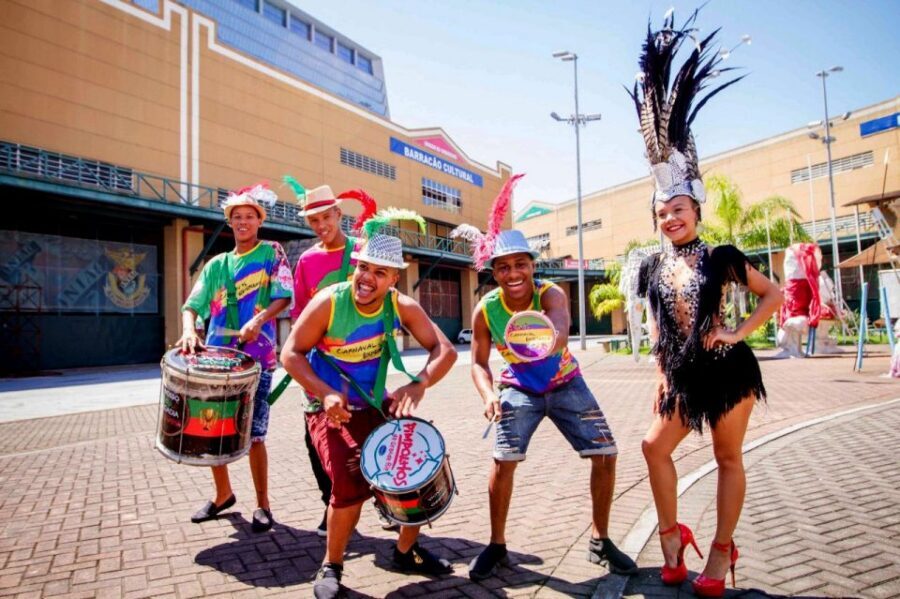
The tour concludes at Cidade do Samba, and this part is a big deal. You’re not just standing outside imagining the parade. You get entrance and a behind-the-scenes look at how samba school culture becomes Carnaval spectacle.
At Cidade do Samba, you’ll learn about the origins of the samba schools parades and get a peek behind the curtains of the Carnaval process. In other words, the tour explains the system—how samba schools organize, create, and bring performance to life.
One highlight from feedback: the visit to a large samba school warehouse area, where materials and elements for Carnaval are created. That sort of access is usually invisible to regular tourists. It turns the parade float and choreography from something you watch into something you understand as craft work and planning.





Carnaval isn’t just music here; it’s a social system
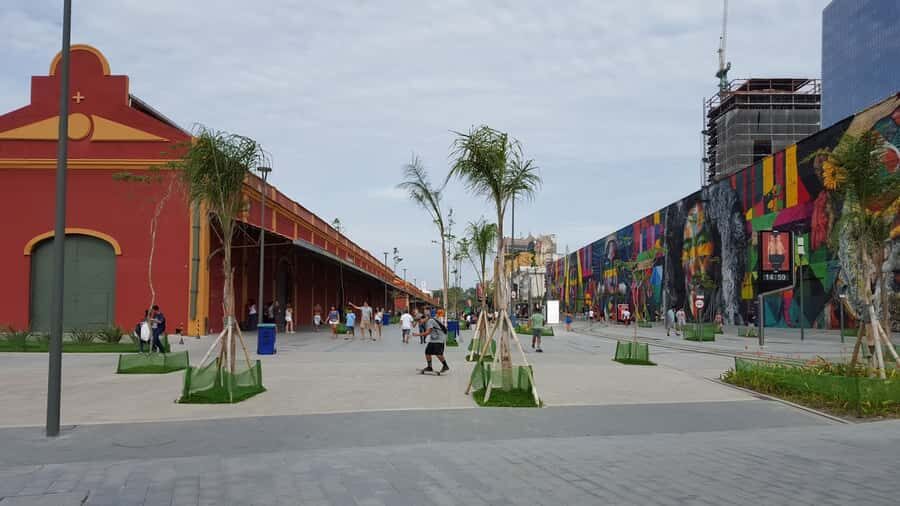
What makes the Carnaval portion more than a “cool tour stop” is the framing. You’ll connect parade origins to cultural and historical roots, so the event feels less like entertainment-only and more like a community language.
I like that this tour doesn’t treat Carnaval like a single moment. It treats it like a long process with deep meaning. When you understand that, your experience of the city shifts. You stop thinking of samba schools as just bands and start seeing them as cultural institutions shaped by history.
And if you like asking questions, this is the moment to do it. The tour’s format gives you the chance to talk through what you’re seeing—especially if you have background interest or you’re comparing cultural systems across countries.
What the tour gets right (and where it may feel less authentic)
The big strengths are consistent: the guide knowledge and the way the walking portion anchors you in local history, plus the Cidade do Samba access that many visitors never get.
The walking part gives you the “why.” It’s not only about what happened, but about what that history means in Afro-Brazilian cultural traditions you can still see.
The end stop gives you the “how.” You learn the parade structure and see the production side, including the warehouse-style creation process.
The only mild drawback is tonal. One part of the day is street-and-story. The other is production-and-venue. That can make the final section feel a bit less raw than the neighborhood walking. Still, it’s a trade I think most people will accept quickly, because the backstage access is genuinely rare.
Price and value: what $100 buys for 3 hours
At $100 per person for a 3-hour tour, you’re paying for two main things: expert guiding and included access. The tour includes the walking experience plus entrance to Cidade do Samba, plus a behind-the-scenes visit.
That access is the key value driver. Without it, you’d likely pay separately for museum-like entries or miss the production areas altogether. With it included, the price feels more like a packaged day of meaning rather than a standard guided walk.
Also, the group size matters. A maximum 15 setup tends to improve the quality of interaction. You’re not paying for a theater of chatter; you’re paying for a guide who can hold your questions in the room.
Food and drinks aren’t included. That’s not a deal-breaker, but it’s part of the value equation. Plan to eat before or after, and bring water if it suits your routine.
Practical tips so you get the most out of it
Here’s how to make the day feel smooth instead of rushed:
- Wear comfortable shoes. This is walking plus guided stops.
- Keep one open question ready for your guide. If you’re curious about abolition, resistance, or how samba traditions connect to history, ask early.
- Set your expectations for the ending. Cidade do Samba is more structured than the street walk, and that’s normal.
- Plan your timing for meals since food and drinks aren’t included.
- If you’re coordinating through WhatsApp, send your contact as requested so communication doesn’t stall.
If you’re someone who likes history explained through real places, this tour style fits you. If you prefer only scenic highlights with minimal context, you might want to temper expectations.
Who this tour is best for
I think this tour works especially well if you:
- Want Afro-Brazilian culture explained with historical context, not just performance facts
- Prefer small-group guiding where you can ask questions
- Care about understanding how samba schools and Carnaval operate behind the scenes
- Like walking tours that connect neighborhoods to social history
It’s also a solid choice if you’ve already seen Rio’s classic viewpoints and you want something that changes your understanding of the city.
If you’re traveling with kids or you hate walking, the tour may still work because reports describe it as not overly demanding—but it’s still a focused cultural/history route. So use your judgment based on your group’s energy.
Should you book the Rio African Culture Walking Tour?
Yes—if you want your Rio trip to include more than scenery. This is a meaning-forward experience: you get local history of black resistance, you learn about the struggle for abolition, and you end with Cidade do Samba access that shows how Carnaval gets made.
Book it if you like guides who explain clearly and stick to questions as well as facts. Book it even if you’re new to the topic, because the tour’s structure makes the story understandable and connected to what you see.
Skip it only if you’re mainly after beaches, views, and low-effort sightseeing, or if you’re uncomfortable with a history-and-culture focus.
FAQ
How long is the Rio African Culture Walking Tour?
It lasts 3 hours.
What’s included in the tour price?
The tour includes the walking tour in Little Africa and the Pedra do Sal region, a behind-the-scenes visit at Cidade do Samba, entrance to Cidade do Samba, and all taxes, fees, and handling charges. Food and drinks are not included.
What languages are available for the live guide?
The live tour guide is available in English, Spanish, and Portuguese.
How big is the group?
The tour is described as a private group with a maximum of 15 people.
Is the tour wheelchair accessible?
Yes, the tour is wheelchair accessible.
Do I need to contact them before the tour?
You’re asked to send your WhatsApp contact so they can coordinate details.