REVIEW · RIO DE JANEIRO
Rio de Janeiro: Afrobrazilian Heritage & Black History Walk
Book on GetYourGuide →Operated by Rio Encantos Experiences · Bookable on GetYourGuide
Rio has a second heartbeat downtown. This heritage walking tour connects the slave trade story in Rio to the African descendants who shaped music, religion, and daily life. One of the best parts is how you visit the UNESCO Valongo Wharf with context, not just a plaque.
I also love the way the walk ties Pedra do Sal to real samba origins, right in the neighborhood people still use today. One possible drawback: the subject matter centers on human trafficking and slavery, so it can feel heavy even when it’s told with care.
In This Review
- Key things you’ll get from this Black history walk
- Entering downtown Rio the right way: starting near Praça Mauá
- UNESCO Valongo Wharf: the transatlantic slave trade, in plain sight
- Largo São Francisco da Prainha and the port-city connections
- Pedra do Sal: where Little Africa’s music story starts
- Candomblé, umbanda, and syncretism: how faith carried people
- Samba isn’t only music here: it’s a social map
- Price and value: is $64 for 150 minutes worth it?
- What to expect day-of: pace, weather, and what to bring
- Who this walk fits best (and who might want a different option)
- Should you book Rio’s Afrobrazilian Heritage & Black History Walk?
- FAQ
- How long is the Rio Afrobrazilian Heritage & Black History Walk?
- Where do I meet the guide?
- Is the tour only in English?
- Is food included?
- Is the tour canceled if it rains?
- Can the tour be arranged for a private group on another date?
Key things you’ll get from this Black history walk
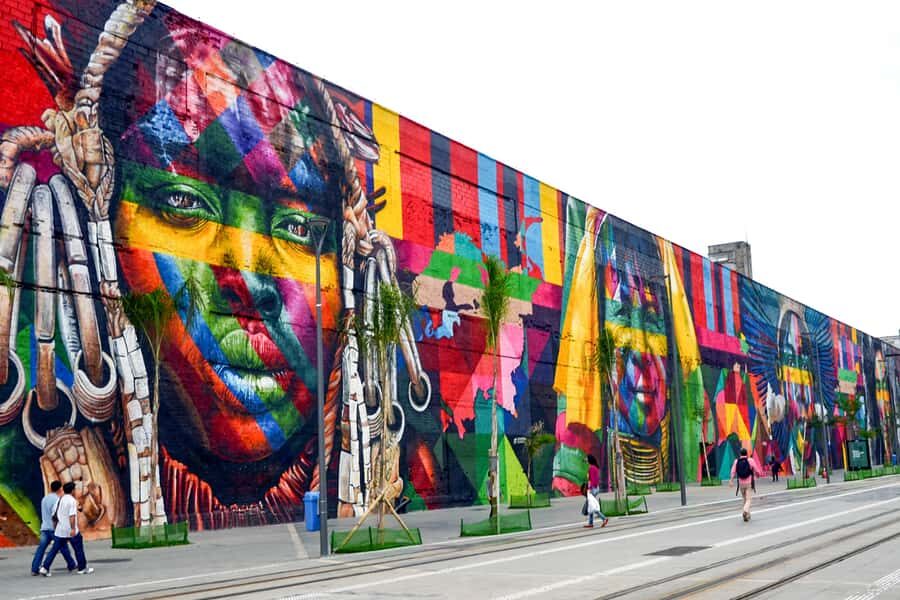
- UNESCO Valongo Wharf: learn what happened when millions of Africans arrived and were sold at the biggest Atlantic slave market
- Pedra do Sal (Little Africa): connect the rock, the neighborhood, and samba’s earliest gatherings
- Afro-Brazilian religions explained: how candomblé and umbanda grew, including syncretism with Christianity
- Orishas and African spiritual traditions: hear about ancestral deities tied to nature and community memory
- A guide with lived cultural ties: history told in a direct, personal way by an expert from Rio
Entering downtown Rio the right way: starting near Praça Mauá
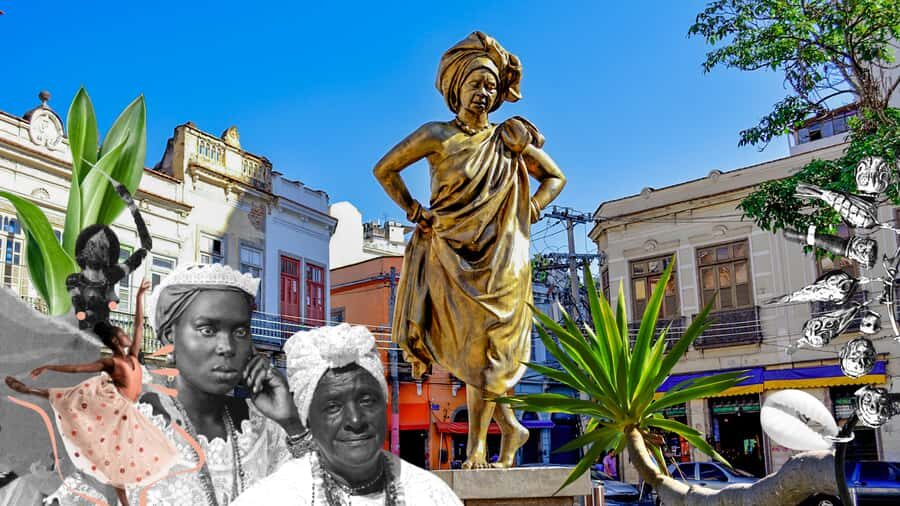
This walk is built around downtown Rio, where the story isn’t theoretical. You meet under the trees in front of the MAR Museum (Rio Art Museum) in Praça Mauá, then you move through key points on foot. It’s a practical start: you get your bearings quickly in the port area, where so much of Rio’s modern identity has roots.
What I like most is that you’re not sent sightseeing “to check a box.” You’re meant to connect places to people—how the city was shaped by forced migration, resistance, and culture that survived and evolved. The tour runs about 150 minutes, so it’s long enough to make sense of the route without feeling like a slog.
If you’re hoping for a gentle stroll with zero discomfort, this isn’t that kind of tour. The route is focused, and the guide’s job is to keep the human stakes in view while you learn.
You can also read our reviews of more walking tours in Rio De Janeiro



UNESCO Valongo Wharf: the transatlantic slave trade, in plain sight
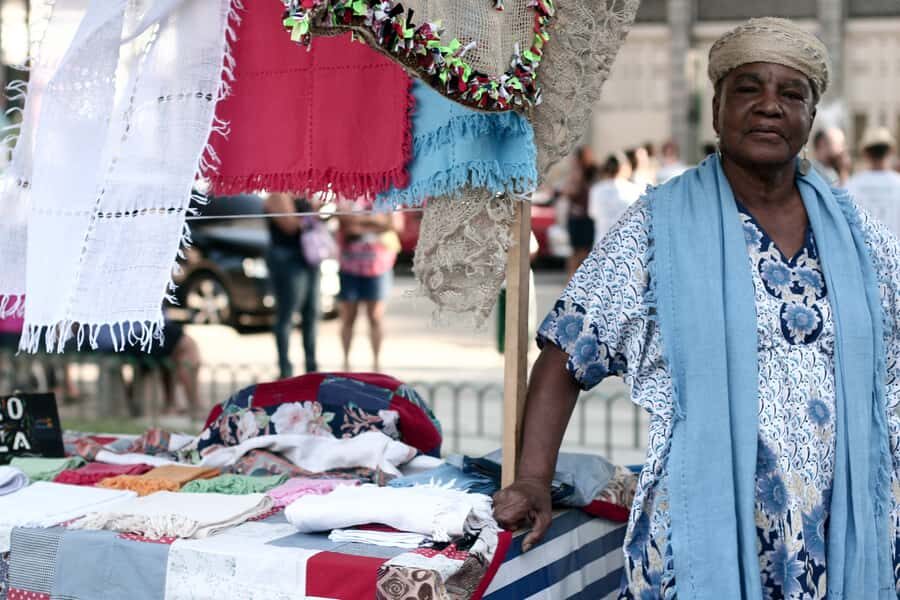
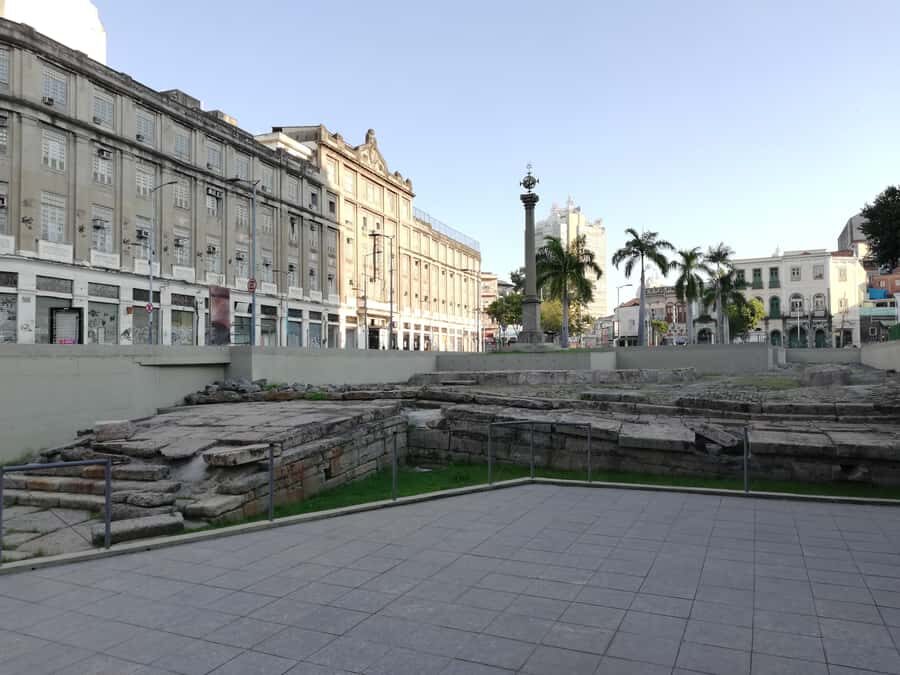
The headline moment is the visit to the Valongo Wharf UNESCO World Heritage Site for the memory of the transatlantic slave trade. This is where the tour earns its weight. You’re not just shown a location; you learn how the Portuguese role lasted over 380 years, and how that long system shaped lives in Rio.
At Valongo, the story turns from history page to geography. You learn about the arrival of enslaved Africans to the city and the fact that the market here handled arrivals on a massive scale—described as millions—before people were sold. It helps to have a guide who can explain the sequence and why Rio’s port became such a central node in the Atlantic network.
Even if you already know the general outline, this stop is still worth it because it places the story where it happened. You leave understanding that a city can be built on movement, suffering, and profit, and that memory doesn’t fade just because streets get busy.
Largo São Francisco da Prainha and the port-city connections
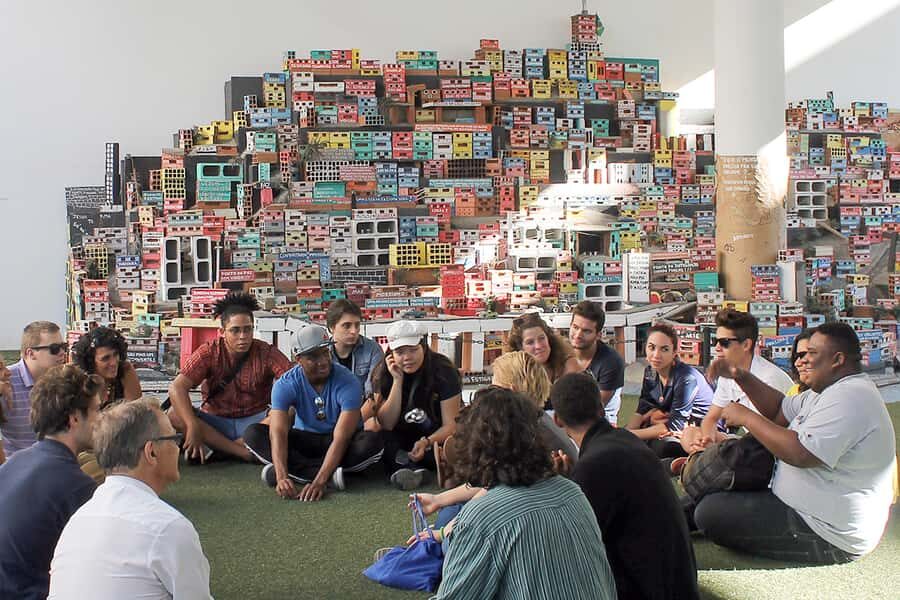
You also cover other historically relevant downtown sites, including Largo São Francisco da Prainha and the route around Praça Mauá. These stops matter because they help you see Rio as more than one landmark. The guide links the port zone to what came next: the arrival, the circulation of people through the city, and the cultural legacies that took root afterward.
A small but important detail: the tour is designed to keep the story coherent as you walk. You don’t bounce randomly between spots. The pacing helps you follow the logic—how African descendants became communities with names, traditions, and social networks, even after violence and control.
You’ll also hear about the neighborhood as a living space, not a museum set. That’s part of the value: it stops the “old times” feeling and brings the present into the conversation, especially when samba and faith traditions come up later.
Pedra do Sal: where Little Africa’s music story starts
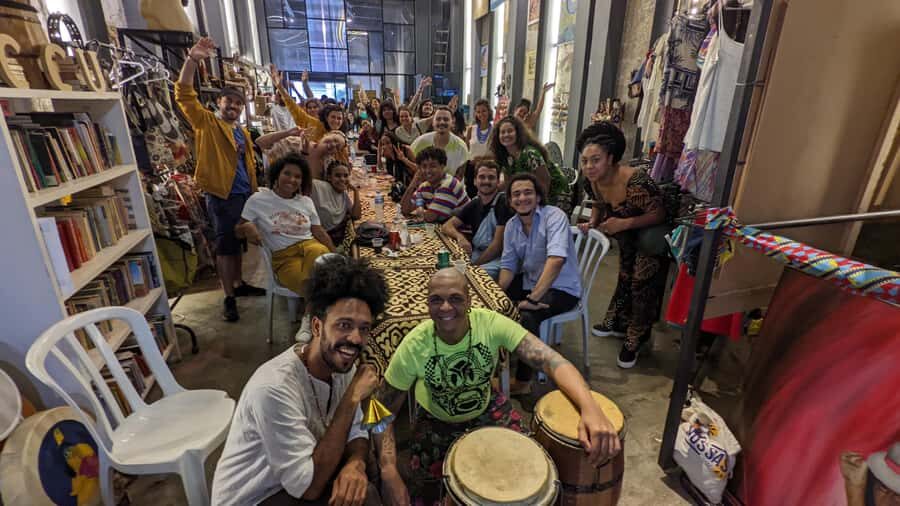
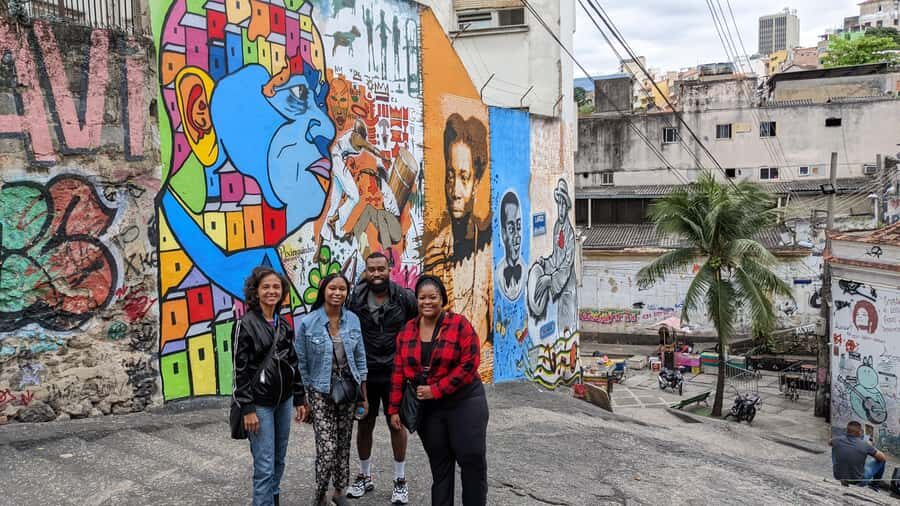
Then comes one of the most powerful shifts in the whole experience: Pedra do Sal—the Rock of Salt—at the center of what’s often called Little Africa. The tour frames Pedra do Sal as a birthplace of samba, tied to the musicians who gathered to sing and dance. That matters because you’re learning music origins through place, not just through dates and recordings.
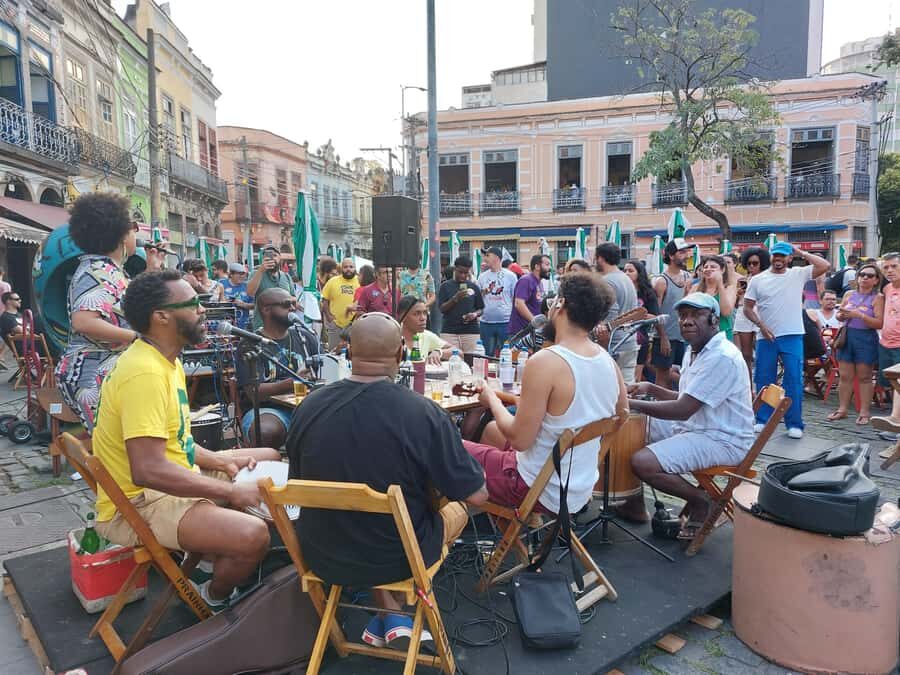
The guide also connects Pedra do Sal to early Carnival life. You’ll hear that the area hosted some of the earliest Carnival bloco parties and parades, and that the tradition continues through weekly gatherings known as rodas de sambas.
This section is where the tour’s emotional tone can lighten without denying the past. You get a sense of cultural continuity: community gatherings, music as memory, and rhythm as identity. Even if you’re not a samba expert, the logic is easy to grasp. Samba wasn’t just entertainment—it was also survival, communication, and belonging.
Practical note: you’re still walking through real city streets. Comfortable shoes help, because history moves at human speed.
Candomblé, umbanda, and syncretism: how faith carried people
One of the most talked-about parts of Afro-Brazilian heritage is religion—and this tour treats it seriously. You’ll learn about the origins of candomblé and umbanda, including how they developed through sincretism with Christian religions. The guide explains that syncretism wasn’t random mixing; it was also a strategy for endurance under pressure.
You’ll also learn about Brazilian ancestral gods and goddesses of nature and how the spiritual traditions connect to community and daily life. The tour includes discussion of legacy connected to Orishas’ deities and related spiritual categories, including terms like nkisis and voduns, depending on the tradition being referenced by the guide.
This part is especially valuable if you’ve ever wondered why certain elements of Afro-Brazilian faith feel both familiar and distinct. In this tour, the guide helps you connect the dots: African spiritual systems adapted, survived, and kept their meaning even as they interacted with Christianity.
It’s also where respect matters most. You’re walking and learning in real cultural context, so you’ll want to listen closely and avoid treating religion like a curiosity.
You can also read our reviews of more historical tours in Rio De Janeiro





Samba isn’t only music here: it’s a social map
A walking tour that ends at a stage or museum would be easier. This one is smarter because it keeps returning to people and community. The tour is also designed to give you practical next steps: you get tips on local programming like music, art, museums, restaurants, and the broader local scene.
Some guides on this walk are known for pairing the history with direct community experiences afterward. For example, one guide named Stephanie was highlighted for inspiring a plan to dine at an authentic samba jam session in the town square. That’s exactly the kind of payoff you might hope for: not just facts, but a way to keep learning after the walk ends.
Food gets handled in a simple, honest way. The route includes a stop connected to regional food, but food itself is not listed as included. In other words, you can use this as a moment to grab something locally, then keep going with your evening plans.
If you like tours that help you become a better city navigator—where to go, what to look for, and what to ask—this part delivers.
Price and value: is $64 for 150 minutes worth it?
At $64 per person for about 150 minutes, this tour isn’t the cheapest option in Rio. But it’s also not priced like a generic “downtown overview.”
You’re paying for a few specific value points that matter in real travel terms:
- Time with an expert guide of African descent from Rio, focused on this exact heritage topic
- The UNESCO Valongo Wharf visit, which anchors the whole story
- A route that connects multiple meaningful places, from the port zone to Pedra do Sal
- Added usefulness: tips on local music, art, museums, and restaurants so you can extend the experience
If you already know a lot of Brazilian history and you prefer to self-guide, you could arguably patch together the story on your own. But if you want the context explained clearly while you’re standing where events happened, the guide time is the difference.
Also, the tour includes guided walking (not just entry), so you get interpretation. That’s what turns a site list into understanding.
What to expect day-of: pace, weather, and what to bring
This is a rain-or-shine tour. Bring what makes a difference outdoors: a reusable water bottle, comfortable clothes, a hat, and rain gear if the forecast looks uncertain. You’ll want to move through downtown on foot, so plan for some walking between stops.
The tour is wheelchair accessible, and it runs with a live guide in English, Spanish, and Portuguese. That’s helpful if you’re traveling with someone who prefers a different language, or if your group has a mix.
Two more quick rules that affect your comfort: pets are not allowed (assistance dogs are allowed), and you’ll want to stay flexible if the route timing shifts due to the day’s conditions.
Who this walk fits best (and who might want a different option)
This tour is a strong fit if you care about:
- Black history and human migration told through real places
- How culture keeps living after trauma—through music and faith
- Understanding Afro-Brazilian religions and why syncretism matters
It’s also a good match if you like walking tours that give you “then what?” guidance for the rest of your trip. The included tips help you find music and arts programming without guessing.
It may feel less suitable if you want a purely light, entertainment-focused Rio experience. The focus is on slavery and trafficking history, and even when handled carefully, it can be emotionally intense.
If you’re the type who processes best by asking questions, bring your curiosity. The guide’s job is to explain, and the subject is complex enough that a good conversation can change how you see the city.
Should you book Rio’s Afrobrazilian Heritage & Black History Walk?
If you want to understand Rio beyond beaches and skyline photos, I’d book this. The UNESCO Valongo Wharf visit gives you real anchoring context, and the move to Pedra do Sal shows the cultural outcome—how communities built samba and social life around survival and memory.
Choose it especially if you value a guide who explains the “why” behind places, from port arrivals to religion and music traditions. The price feels fair for the content and the time, and the added local recommendations help you keep the story going after the walk.
Skip it only if you’re looking for a lightweight, purely cheerful outing. This walk aims for understanding first. That’s exactly what makes it memorable.
FAQ
How long is the Rio Afrobrazilian Heritage & Black History Walk?
It lasts about 150 minutes.
Where do I meet the guide?
Meet under the trees in front of the MAR Museum (Rio Art Museum) at Praça Mauá.
Is the tour only in English?
No. The live guide offers English, Spanish, and Portuguese.
Is food included?
Food isn’t listed as included. The route includes a stop connected to regional food where you can buy something locally.
Is the tour canceled if it rains?
No. The tour takes place rain or shine.
Can the tour be arranged for a private group on another date?
Private groups may be arranged for another date with usual 24 hours prior notice. Transfer fees may apply depending on vehicle availability.