REVIEW · RIO DE JANEIRO
Rio de Janeiro: Sugarloaf Mountain Hike and Climb
Book on GetYourGuide →Operated by Nattrip Brasil · Bookable on GetYourGuide
Sugarloaf is Rio’s classic skyline, but this version is hands-on. You’ll hike up Pão de Açúcar along the same trail used since 1817, then tackle a 20-meter vertical rock wall with certified climbing equipment and a guide who keeps you moving safely. The payoff is a chain of viewpoints, from early bay views to the wide-open lookouts over Copacabana and beyond.
Quick heads-up: this is not a stroll. If you’re not comfortable with steep scrambling and heights, and especially if you have heart issues, this won’t be a good match.
In This Review
- Key Highlights You’ll Actually Care About
- Sugarloaf Mountain, But With Hands On: What Makes This Hike Different
- From Praça Gen. Tibúrcio to Pista Claudio Coutinho: How the Day Starts
- The Fast Payoff: A 20-Minute Lookout Over Guanabára Bay
- Stone Ramps, Belvederes, and the Technical Trail Section
- Learning the Basics on a 20-Meter Vertical Wall
- Pedra Filosofal and the Summit: The Views That Feel Like a Reward
- Cable Car Down, Urca Hill, and Monkey Sightings in the Wild
- How Hard Is It Really? Fitness, Heights, and First-Time Climbing
- Price and Value: Is $68 Worth It?
- What to Bring (and What Will Make You Regret It)
- Guides, Languages, and the Support That Changes Everything
- Who Should Book This, and Who Should Skip It
- Should You Book This Sugarloaf Hike and Climb?
- FAQ
- What is the duration of the Sugarloaf Mountain hike and climb?
- Where do I meet the guide?
- Are hotel pickups available?
- What languages does the guide speak?
- What climbing and hiking is included?
- What should I bring?
- What footwear or items are not allowed?
- Is this activity suitable for everyone?
- How flexible is cancellation?
- Can I book without paying immediately?
Key Highlights You’ll Actually Care About

- Certified climbing gear + instruction so first-timers aren’t left guessing
- A true 20-meter vertical wall that turns the hike into a real adventure
- Panoramic lookouts including Pedra Filosofal for Copacabana and major landmarks
- A smart, scenic pace with time at multiple belvederes for photos and breathing room
- Wild monkeys you can spot on the trails around Urca
- A loop feel: hike up, climb, then cable car back down Urca Hill
Sugarloaf Mountain, But With Hands On: What Makes This Hike Different
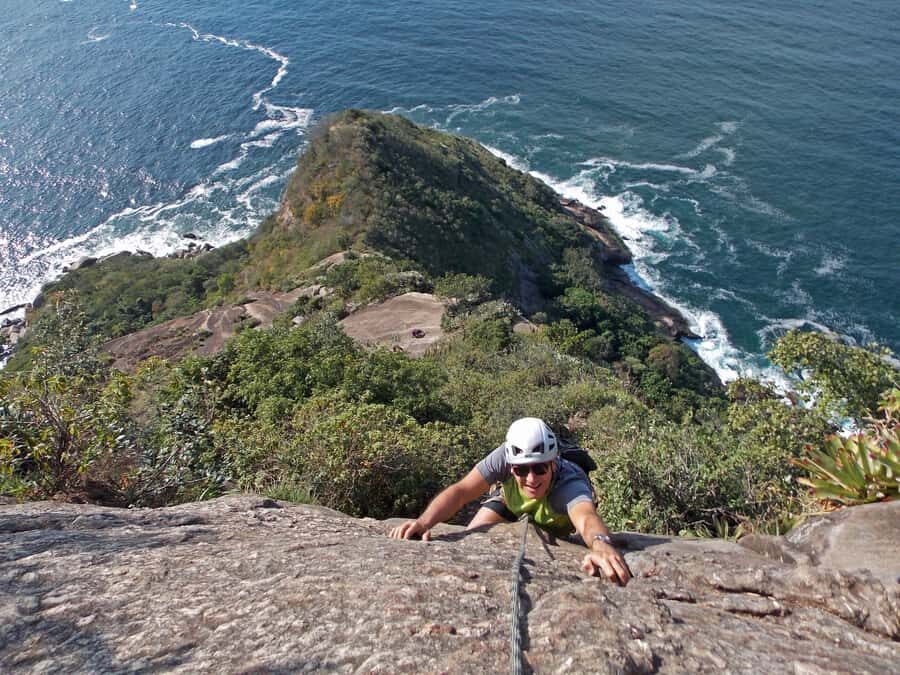
Sugarloaf Mountain is famous for a reason. The cable car gets you there fast, and the views are wow-worthy on a clear day. What makes this experience special is that you earn those views on foot, and then add climbing to the mix.
You’re not just walking a path to a viewpoint. You follow a route that traces the way people first climbed the mountain in 1817, then you hit a more technical section with stone ramps and natural scrambling. After that comes the star move: a 20-meter tall vertical wall, climbed with the right hardware and a guide close by.
The other big win is variety. You get sea-and-city views at multiple stages, and you also get the small stuff: trail textures underfoot, the feel of controlled climbing, and the thrill of seeing wild monkeys on the way down.
You can also read our reviews of more hiking tours in Rio De Janeiro



From Praça Gen. Tibúrcio to Pista Claudio Coutinho: How the Day Starts
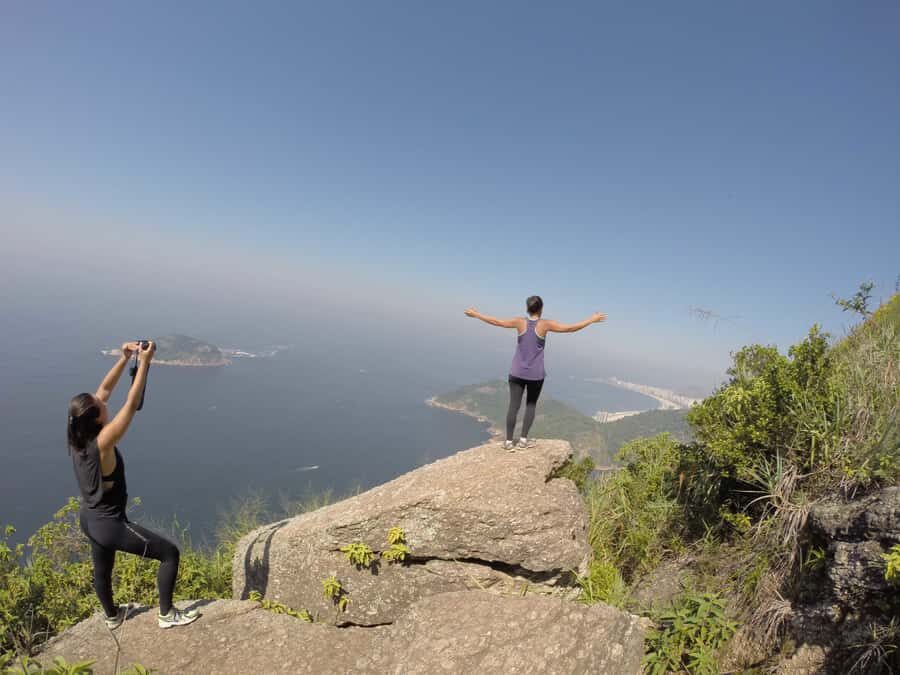
The meeting point is Praça Gen. Tibúrcio, 75 in Urca, right near the obelisk. If you booked pickup, you’ll likely be picked up from many hotels in Rio’s South Zone and Downtown. Pick-up isn’t available for Barra da Tijuca, Recreio, São Conrado, or Santa Tereza. If your hotel isn’t on the pickup list, you’ll be redirected to the nearest available spot.
Once you’re together, you start toward Pista Claudio Coutinho. This matters because it sets the tone: you’re not burning energy rushing to the first view. You’re walking into the route with a plan, which helps when the day is four hours total.
It’s also the kind of tour where a guide’s energy really shows. In past group experiences, guides like Didi, Sergio, and Thomas have stood out for pacing, encouragement, and plain explanations of where to place hands and feet.
The Fast Payoff: A 20-Minute Lookout Over Guanabára Bay

One of the nicest tricks in the schedule is the early viewpoint. In just about 20 minutes, you reach a lookout with spectacular views of Guanabára Bay’s entrance and the city of Niterói.
This is more than a pretty stop. It’s a morale boost before the technical parts start. You get to orient yourself to Rio’s scale: the water, the coastline shapes, and the way the city stretches out. If the weather is clear, this is also when you understand what you’re working toward on the climb and later at Pedra Filosofal.
If the day is hazy, don’t panic. The route still feels good because you’re moving through it step by step, not just waiting for one big payoff later.
Stone Ramps, Belvederes, and the Technical Trail Section
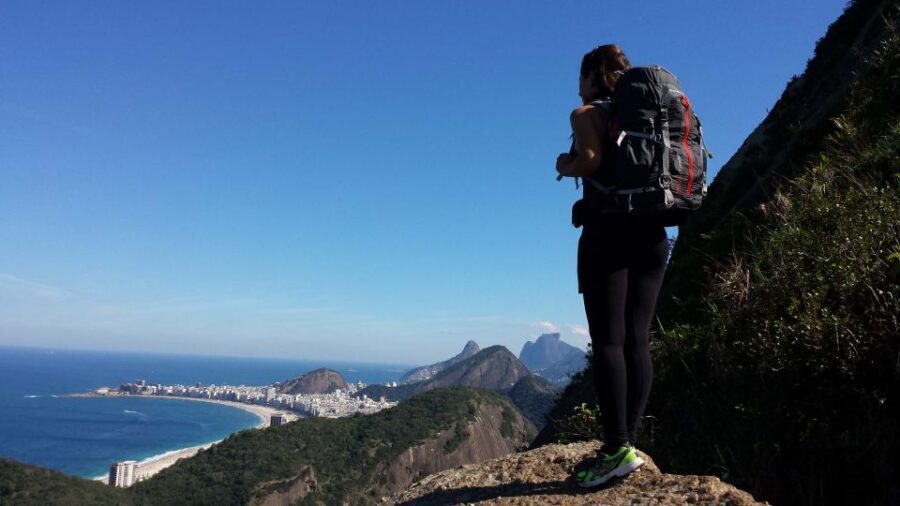
After the first lookout, the route gets more serious. You’ll face a more technical trail and hike across stone ramps to reach additional belvederes.
Here’s what that typically feels like for you:
- More scrambling and uneven footing than a standard nature walk
- Spots where balance matters more than speed
- A few stretches where you’ll stop, look, and then keep going
This is also where good guidance pays off. Guides in the past tours, like Sergio, have been noted for pointing out hand and foot holds. If you’ve never climbed before, that kind of coaching reduces guesswork fast.
The belvederes are worth it because they give variety in the views while you’re working. Instead of one long grind with no rewards, you get intermittent moments of perspective. It keeps the effort from feeling endless.
Learning the Basics on a 20-Meter Vertical Wall
Then you reach the highlight: the climbing section with a 20-meter high vertical wall.
This part is the reason many people call it the best adventure on a Rio trip. It’s not a stunt. It’s a structured way to learn how climbing works on real rock—using the certified equipment provided by the operator and the support of your bilingual guide.
What I like about this setup for you is that it’s beginner-friendly in approach, even if the physical effort is real. One thing that shows up in multiple experiences is encouragement and step-by-step support. Guides such as Thomas and Tommy have been praised for keeping people safe and steady, including those with no prior climbing background.
Still, let’s be honest: this is the part where you’ll feel the challenge. You’ll want:
- Comfortable footwear with grip
- A calm head if you’re a bit uneasy with heights
- Willingness to follow instructions closely
If you’re expecting something easy because Rio is hot and the hike sounds short on paper, don’t make that mistake. The wall is vertical. That changes everything.






Pedra Filosofal and the Summit: The Views That Feel Like a Reward

After the climbing challenge, you reach the viewpoint of Pedra Filosofal. This is where the scenery broadens in a big way: you can soak up vistas of Copacabana Beach, Pedra da Gávea, and Morro Dois Irmãos.
These aren’t random landmarks. They’re the kind you’ll recognize from photos, TV, and skyline conversations—but seeing them from above turns them into a map you can understand. You start connecting neighborhoods to coastline shapes. You also get a clearer sense of where the city meets the water.
From there, you continue to the summit of Sugarloaf Mountain, then you begin the descent by cable car back down Urca Hill. That cable car element is a smart contrast. After hands-on effort, you get a smoother ending and time to breathe without scrambling.
Cable Car Down, Urca Hill, and Monkey Sightings in the Wild
The descent via cable car is a nice way to balance the day. Your legs will likely be tired from scrambling and climbing, and cable car time lets you reset without losing the momentum of the tour.
And then there’s the wildlife bonus. You may encounter monkeys on the hike, including on the descent. This is one of those moments that makes the experience feel alive and not just scenic.
A practical tip: don’t treat the monkeys like a zoo photo-op. Keep your distance and follow your guide’s lead. The goal is respectful wildlife watching, not chasing.
How Hard Is It Really? Fitness, Heights, and First-Time Climbing
This tour has a four-hour duration, which sounds manageable. The real question is effort type:
- You’ll hike uphill with elevation gain
- You’ll scramble on uneven rock and stone ramps
- You’ll do two climbing sections (including the vertical wall)
- You’ll spend time looking out over Rio, which is great but not a substitute for fitness
From guidance notes and how people describe their experience, it helps to think of this as advanced hiking rather than casual sightseeing. One person even noted it can take around 2.5 to 3 hours to reach the top, depending on pace and how the group handles the technical parts.
If you’re generally fit and comfortable with steep terrain, it’s a very doable adventure. If you’re only used to flat walks, you’ll probably struggle.
Heights are another factor. Even if you’re strong physically, vertigo can steal your confidence. If you’re nervous around drop-offs, choose carefully and tell your guide early.
Also: the activity is not recommended for people with heart complaints or other serious medical conditions. That’s not something to gamble with.
Price and Value: Is $68 Worth It?
At $68 per person for a 4-hour guided hike and climb, this is priced like an activity, not a sightseeing ticket. The value comes from the combo:
- A bilingual guide
- Guided hike up Sugarloaf
- Certified climbing equipment
- Personal accident insurance
- (Optional) hotel pickup where available
If you only cared about viewpoints, the cable car alone would be cheaper. But you wouldn’t get the rock skills, the vertical-wall moment, or the trail experience that brings you to multiple lookouts on the way up.
In other words, you’re paying for instruction and gear as much as views. When you factor in safety support and the fact you’re doing an actual climb, it starts to feel like a fair exchange. The main thing to make sure is that you match the physical difficulty to your comfort level.
What to Bring (and What Will Make You Regret It)
The list is simple, but it’s not optional. Bring:
- Water (the guidance recommends 3 liters)
- A daypack
- A light snack and sunscreen are also recommended
Wear comfortable footwear with good grip. Sandals or flip-flops are not allowed. Also, no luggage or large bags.
This matters because you’ll need secure footing on rock and ramps. Slippery soles are how good days turn annoying fast.
Guides, Languages, and the Support That Changes Everything
Your guide is available in Spanish, English, and Portuguese. That’s a big deal because climbing instruction needs clarity, not hand-waving.
The strongest common thread from guide experiences is confidence and encouragement. People have specifically highlighted guides like:
- Didi: enthusiastic, safety-focused, good pacing, and helpful explanations
- Sergio: encouraging, hands-and-feet coaching, and lots of local context
- Thomas and Tommy: motivating early starts, steady safety, and clear guidance
- Eduardo: excellent support for fitness-challenged climbers
Even if you’re the calm type, that kind of guidance makes the technical parts feel less scary and more learnable. And you’ll likely enjoy the viewpoints more when you’re not second-guessing every move.
Who Should Book This, and Who Should Skip It
This is a great fit if:
- You like active tours over passive ones
- You’re comfortable hiking uphill and scrambling on uneven ground
- You want a real challenge but still with safety structure
- You’d enjoy learning basic climbing technique and getting coached
This is not a good fit if:
- You have heart complaints or serious medical conditions
- You’re unwilling to handle steep terrain and exposure
- You rely on sandals/flip-flops (they’re not allowed)
- You need to bring large luggage or pets (not permitted)
If you’re traveling with limited time but want the Sugarloaf experience to feel different, this is one of the better ways to do it.
Should You Book This Sugarloaf Hike and Climb?
I’d book it if you want more than a skyline photo. The 20-meter wall, the multi-stop viewpoints (especially at Pedra Filosofal), and the guided support with certified gear are a strong combo for your money and your time.
I’d think twice if you’re injury-prone, uncomfortable with heights, or not ready for steep scrambling. The tour isn’t long, but it’s active.
If you go, aim for a clear dry day when possible. The views over Copacabana and the surrounding landmarks are the payoff, and good weather is what makes them feel like the trip poster you imagined.
FAQ
What is the duration of the Sugarloaf Mountain hike and climb?
The activity lasts about 4 hours.
Where do I meet the guide?
Meet at Praça Gen. Tibúrcio, 75 – Urca, Rio de Janeiro – RJ, 22290-270, Brazil, near to the obelisk.
Are hotel pickups available?
Pickup is optional. It’s available from most hotels in the South Zone and Downtown Rio. Hotels in Barra da Tijuca, Recreio, São Conrado and Santa Tereza are not eligible, and you’ll be redirected to the nearest available pick-up location if your accommodation isn’t collected.
What languages does the guide speak?
The live tour guide is available in Spanish, English, and Portuguese.
What climbing and hiking is included?
You get a guided hike and climb up Sugarloaf Mountain, plus certified climbing equipment for the climbing portions.
What should I bring?
Bring water and a daypack. A light snack, 3 liters of water (recommended), and sunscreen are also advised.
What footwear or items are not allowed?
Sandals or flip flops are not allowed. Pets are not allowed. Luggage or large bags are not allowed.
Is this activity suitable for everyone?
It is not recommended for people with heart complaints or other serious medical conditions.
How flexible is cancellation?
Free cancellation is available up to 24 hours in advance for a full refund.
Can I book without paying immediately?
Yes. You can reserve now and pay later, meaning you pay nothing today.