REVIEW · RIO DE JANEIRO
Rio De Janeiro: SUGARLOAF MOUNTAIN HIKE & CLIMB
Book on GetYourGuide →Operated by Andre Rio Climbing Instructor · Bookable on GetYourGuide
Sugarloaf feels close when you climb it. This Sugarloaf Mountain hike-and-climb turns Rio’s famous view into real effort, starting in Urca and ending high above Copacabana and Guanabara. With certified equipment and André, even a first-timer can tackle the steep rock.
I love the 20-meter wall challenge because it’s short but memorable, and the coaching helps you move from guesswork to technique. I also love the chance to see little monkeys while the trail stays wild enough to feel like nature, not a theme park.
The main thing to weigh is the effort. This isn’t a gentle stroll, so you’ll want good fitness and a head for heights, especially on rocky, steep sections.
In This Review
- Key highlights to know before you go
- What you do on the Sugarloaf Mountain hike and climb
- Starting in Urca: the hike that sets your rhythm
- The narrow, rocky build-up before the 20-meter wall
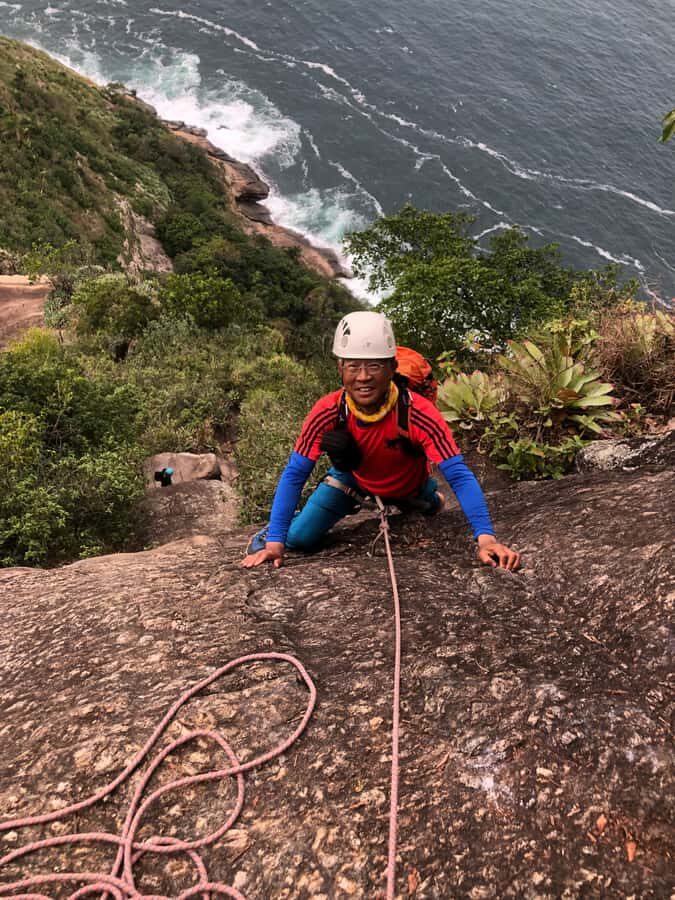
- The 20-meter vertical section: rope help and real technique
- Summit payoff: Copacabana and Guanabara in full view
- Rocky steps, heights, and how to prepare your feet
- Small group size (5 max) and how that changes the day
- Price and value: what $60 buys you in Rio
- The way back: hiking downhill and possible cable car support
- Who this Sugarloaf climb fits best
- Should you book this Sugarloaf Mountain hike and climb?
- FAQ
- How long is the Sugarloaf Mountain hike and climb?
- Is prior climbing experience required?
- What is the hardest part of the route?
- What language is the guide able to speak?
- How big is the group?
- Do I need a cable car ticket for the way back?
- What should I bring?
- What footwear is recommended?
- Is hotel pickup included?
- Who should not book this tour?
Key highlights to know before you go
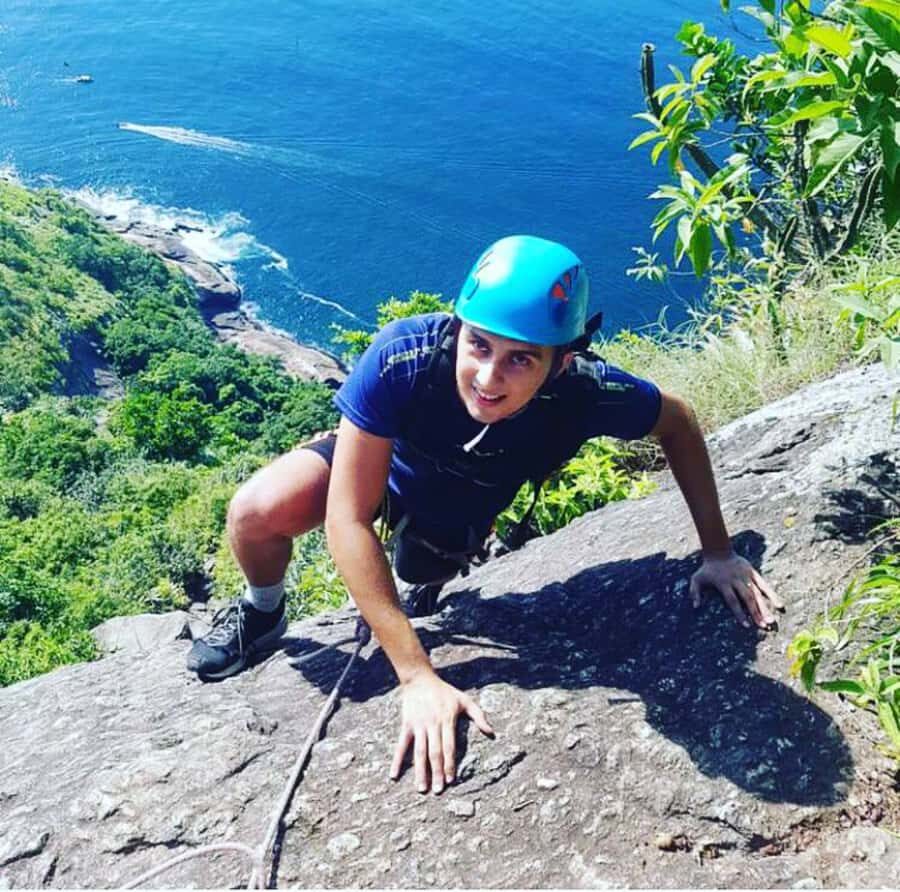
- First-timer friendly, safety-first climbing with certified gear and an instructor who focuses on control
- A clear “big moment” at the top: a roughly 20-meter vertical wall section
- Urca trail before the climb, so you warm up on foot and earn the summit
- Copacabana and Guanabara views that feel like you’re reading the whole map at once
- Small group (max 5), so you get real attention instead of a herd pace
- Bring grippy shoes and water; the route can be steep and some parts can feel slick
What you do on the Sugarloaf Mountain hike and climb
This experience is built around one goal: you don’t just reach Sugarloaf Mountain, you climb it. The day mixes hiking on rocky paths with one standout climbing section, then ends with summit views that make the work feel worth it.
It’s priced at $60 per person for a reason. You’re paying for a real local guide, certified climbing equipment, and the time to teach you how to move safely on rock. That’s very different from “walk up and figure it out.”
You also get something subtle but important: the route is designed to feel like a nature reserve journey, not a straight line to a cable car. Expect tropical plants, narrow steps, and plenty of moments where the trail makes you pay attention.
You can also read our reviews of more hiking tours in Rio De Janeiro



Starting in Urca: the hike that sets your rhythm
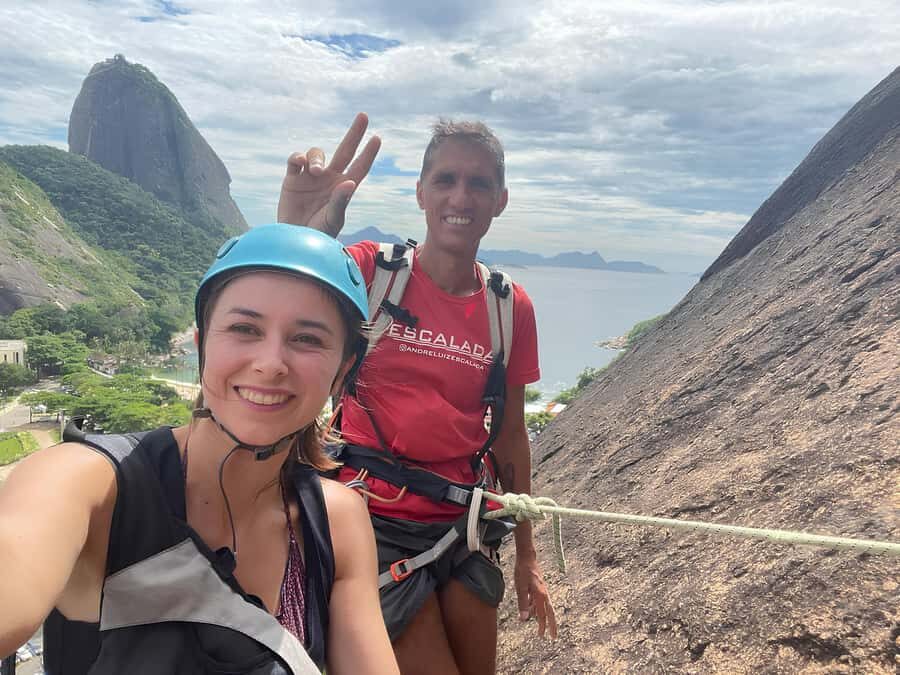
The tour begins with a short hike in Urca, at the foot of Sugarloaf Mountain. That opening is helpful. You’re not thrown immediately onto technical rock, so you can get your legs under you and your breathing under control.
From there, you head through the nature reserve on a narrow path. The path includes down-and-over sections, which sounds simple until you’re stepping on uneven rock while keeping your balance. The good news is you’re guided closely, so you don’t have to “search” for the safe way.
Along the way, you pass tropical plants and reach rocky spots where you’ll take careful steps. This is where your footwear matters. Sturdy shoes with real grip will make the difference between confident footing and constant worry.
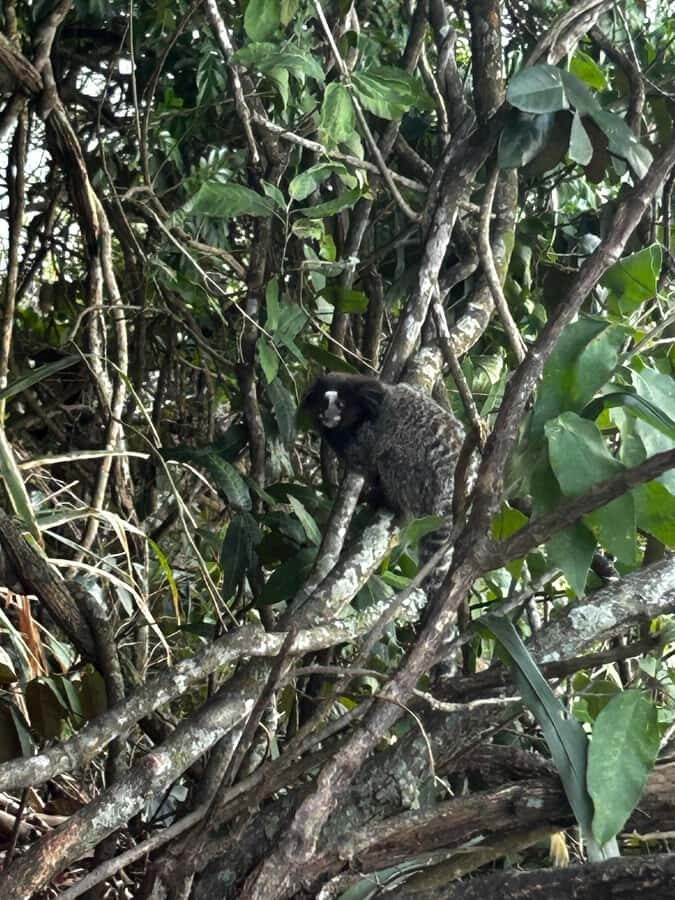
Also, keep your eyes up. The route is scenic enough to spot wildlife, and monkeys can show up during the walk and near the more natural patches of the reserve.
The narrow, rocky build-up before the 20-meter wall

After the initial trail work, the hike starts turning more vertical. You’ll climb upward through rocky passages where your hands might help, even before the main climbing section.
This build-up matters because it prepares you for the day’s hardest moment. By the time you reach the climbing, your muscles have warmed up, and your brain has already started switching from “hiking mode” to “climbing mode.”
The biggest challenge is a roughly 20-meter vertical wall. That’s the moment that turns Sugarloaf from a view destination into a real adventure.
And you don’t need climbing experience to handle it, but you do need the right mindset. Think: slow, steady movement; listening carefully; and trusting the rope and your instructor’s instructions.
The 20-meter vertical section: rope help and real technique
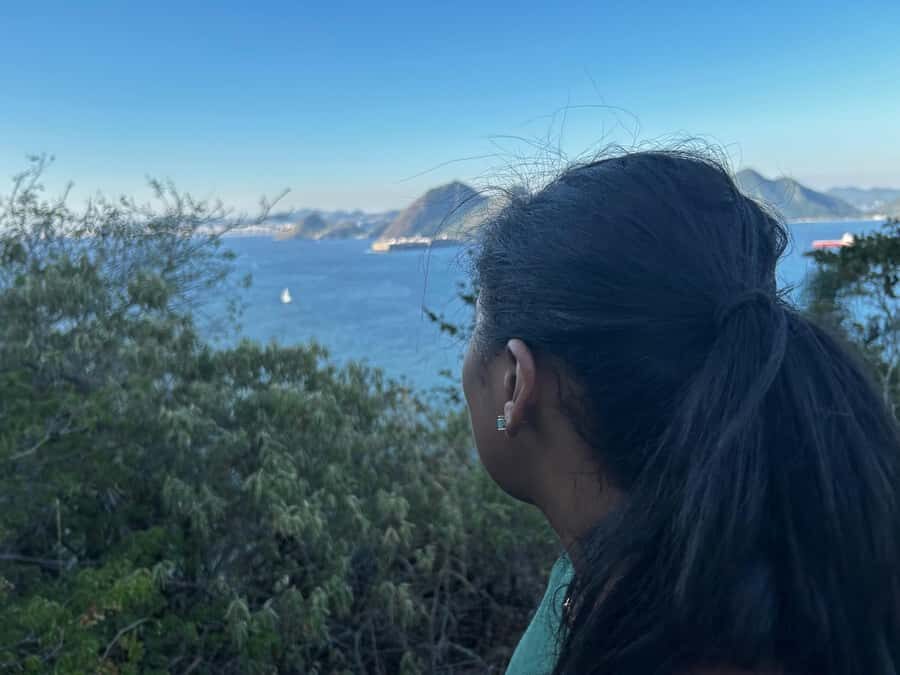
Here’s the good part: you’re not left alone on that wall. You climb with climbing equipment and an experienced instructor who shows you how to place hands and feet on the rock.
The wall is described as the main test of the route, but it’s not a “drop and pray” situation. The safety system is built in, and the instructor provides hands-on guidance when you’re getting nervous or stuck.
What I especially like about this setup is how it’s structured for first-timers. You’ll get coaching for basic movement, not a lecture you forget five minutes later. One review highlights how André supports you if you’re afraid, even if you’re tired at that point.
That’s a key point for your expectations. The climbing piece may be only around 20 meters, but it arrives after a steep hike. If you’re arriving already worn out, that vertical section can feel bigger. So pace yourself early, drink water, and save your energy.
If rain hits at night, don’t panic. There’s evidence the guide can assess conditions and keep going when the rock is dry enough to climb without taking unnecessary risks.
Summit payoff: Copacabana and Guanabara in full view
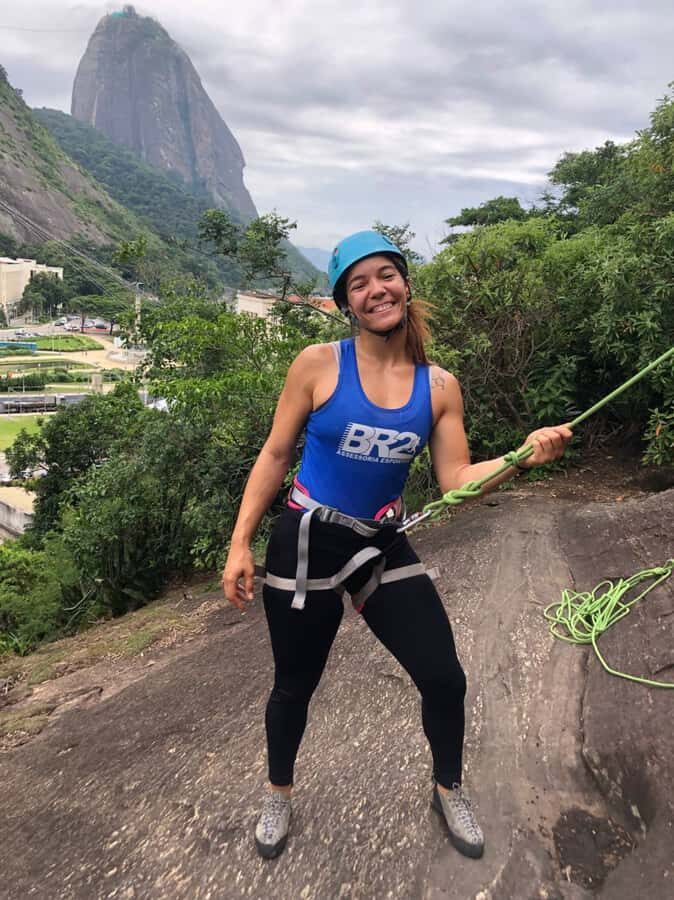
Once you make it past the main wall, the summit becomes the reward phase. You’ll cover the last stretch to the top and then get the view.
The big targets are Copacabana and the Bay of Guanabara. From up there, the city looks organized and unreal. You get that aerial feeling where you can finally understand how the coastline and bays fit together.
Another plus: timing can reduce crowd stress. Some departures start early enough that you may reach the top before the biggest crowds form, which makes photos and breathing easier.
This is also where the day stops feeling like effort and starts feeling like a memory. The rock climbing is the headline, but the summit is where it lands.






Rocky steps, heights, and how to prepare your feet
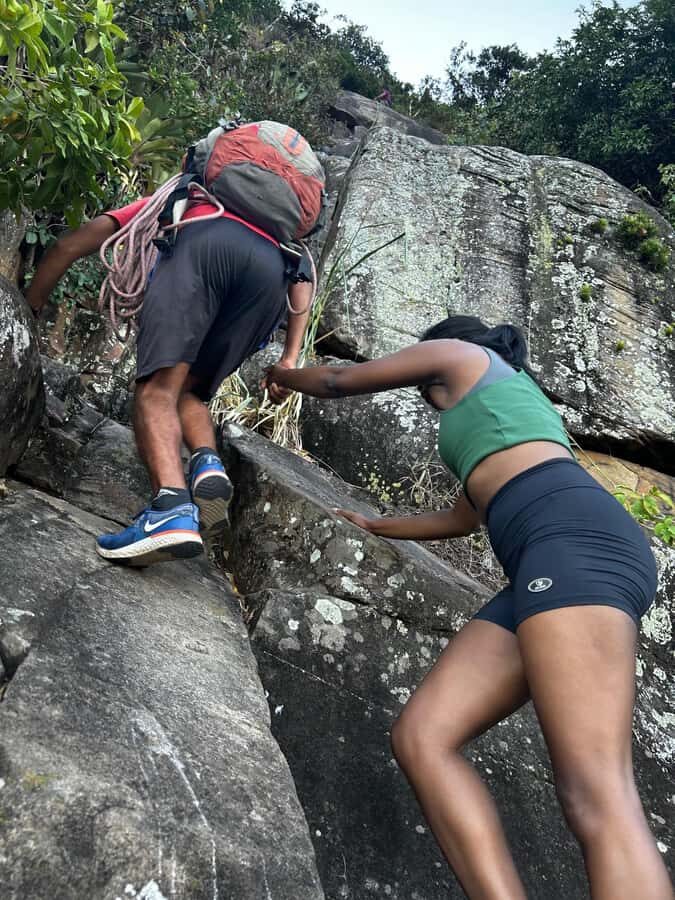
This tour is straightforward, but it’s not casual. There are steep sections, rocky passages, and moments where you’re stepping carefully on uneven ground. If you’ve got low fitness or shaky balance, you’ll feel it.
The best preparation is simple and practical:
- Wear sports shoes with solid grip. Even good tread can feel slippery if the rock is slick.
- Bring sturdy, breathable clothing for a climb that can get sweaty.
- Bring your own water and a small energy snack so you don’t start making bad decisions halfway up.
You’ll want sunglasses and sunscreen too. Rio sun and exposed steps can add up fast, especially if the clouds roll in and out.
One more safety note: this route includes heights. If you freeze when you look down, tell your instructor. A calm guide can help you reset and move step-by-step.
And no sandals or flip-flops. The rules are clear, and the terrain agrees with them.
Small group size (5 max) and how that changes the day

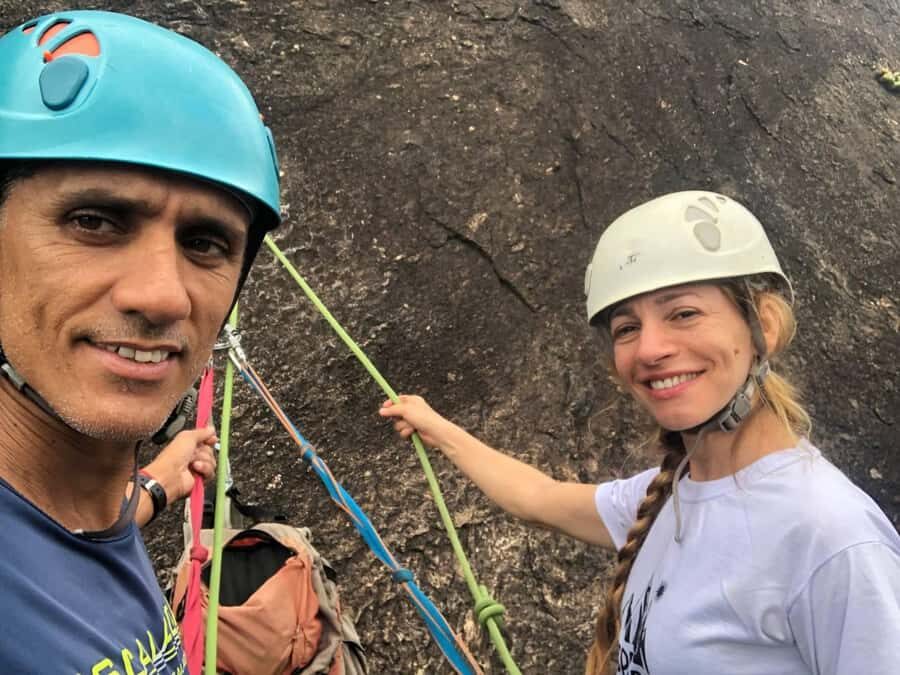
The tour limits groups to 5 participants, and that’s a big deal on a climb like this. With fewer people, you get a pace that matches your ability instead of a rigid “line up and go” system.
It also means the guide can watch everyone closely during the trickier portions. When you’re learning hand and foot placements, small-group attention matters.
You’ll also likely feel more comfortable asking for help. On a steep, narrow path, asking sooner is better than trying to power through alone.
For languages, the instructor can work in Portuguese, Spanish, and English. So if your fitness plan includes communicating clearly when you’re unsure, you’re covered.
Price and value: what $60 buys you in Rio
At $60 per person for about 4 hours, this isn’t “cheap,” but it also isn’t trying to be a luxury show. You’re paying for specific, physical guidance.
Here’s what your money supports:
- Guided hiking and climbing
- Certified climbing equipment
- An experienced instructor who runs the wall section safely
- Taxes, fees, and processing fees included in the listed price
The main extra costs to plan for are your own beverages and snacks. Bring them. The tour gives you time and effort, not food.
Cable car costs are the other question. The tour information says a cable car ticket is not included for a back-up option if you don’t want to walk. In practice, some guides handle parts of the descent with their own access, but you should still be prepared to pay if your specific day uses a cable-car plan.
Value-wise, this hike-and-climb is a strong pick if you’re comparing it to the simple cable car ride. A cable car gives you views. This gives you ownership of the views.
The way back: hiking downhill and possible cable car support
The climb ends at the summit, but your legs still have work to do. The descent is done by hiking downhill through the return route.
You might also get cable car help part of the way down, depending on how your group and timing line up that day. Some experiences describe the guide covering the first cable car down, while the remaining portion is hiked downhill.
There’s also a route described as a cable-car segment followed by about 20–25 minutes of walking down to Praia Vermelha. So even if you get some transport support, expect to walk.
The takeaway: pack for a day that includes descent, not just ascent. Grippy shoes still matter on the way down because steep footing doesn’t magically become easy just because you’re headed back.
Who this Sugarloaf climb fits best
This tour is a great fit if you want a real challenge with structure. It’s especially good for:
- Adults who can handle steep hiking
- People who want no prior climbing experience but are willing to learn
- Travelers who like guided outdoors time instead of a crowd-heavy shortcut
- Anyone who gets joy from seeing a famous place from the inside, not from behind glass
It’s not the right match if you:
- Have altitude sickness concerns
- Have low fitness
- Prefer flat, low-stakes walking
- Need a fully stroller-friendly itinerary
Age matters too. It’s listed as not suitable for children under 18.
If any of these apply to you, you’ll likely feel stressed instead of excited. And on a wall climb, stress is the last thing you want.
Should you book this Sugarloaf Mountain hike and climb?
Book it if you want the Sugarloaf experience to feel active and earned. For $60, you’re buying a guided hike plus a guided climbing moment, with equipment and an instructor focused on keeping you safe. The summit views over Copacabana and Guanabara feel like a payoff you can’t get from the lazy route.
Skip it if you don’t want heights or steep rock, even with a guide. If you know you struggle on uneven ground, or you get panicky looking down, this route will test you.
My practical recommendation: go if you can commit to steady effort for about four hours and bring the basics (water, snack, sunscreen, and grippy shoes). If you do, this is the kind of Rio activity that stays in your head long after the photos are downloaded.
FAQ
How long is the Sugarloaf Mountain hike and climb?
The tour duration is listed as 4 hours.
Is prior climbing experience required?
No climbing knowledge is needed, but you do need a good level of fitness and a head for heights.
What is the hardest part of the route?
The biggest challenge is a roughly 20-meter vertical wall that you tackle with the help of climbing equipment and the instructor.
What language is the guide able to speak?
The instructor can guide in Portuguese, Spanish, and English.
How big is the group?
It’s a small group limited to 5 participants.
Do I need a cable car ticket for the way back?
The tour information says a cable car ticket is not included for the way back if you prefer not to walk. Some days may include cable car support handled by the guide, but you should plan as if you might need a ticket.
What should I bring?
Bring sunglasses, food and drinks, sunscreen, comfortable clothes, and sports shoes/sportswear.
What footwear is recommended?
Wear sturdy sports shoes. Sandals or flip-flops are not allowed.
Is hotel pickup included?
Hotel pickup is not included, but it can be arranged on request.
Who should not book this tour?
It’s not suitable for children under 18, people with altitude sickness, or people with low fitness. Pets are not allowed (assistance dogs are allowed). Alcohol and drugs are not allowed.