REVIEW · RIO DE JANEIRO
Rio de Janeiro: Tijuca Forest Waterfall of Souls Hike
Book on GetYourGuide →Operated by Rio Encantos Experiences · Bookable on GetYourGuide
Cold water, hot peace.
If you want a hike in Rio that feels like more than cardio, this Tijuca Forest Waterfall of Souls experience is built for that. I love the blend of nature + spiritual ritual, and the fact that the walk is led in a way that makes you pay attention to small things, from birdsong to butterflies. I also like that you get real payoff views, including the Cascata Taunay area and the stop where you can enter the Waterfall of Souls (also called Baronesa Falls). One thing to consider: this is a moving, outdoors-first tour, so if you hate cool water or have any mobility limits, you’ll need to think carefully.
The vibe is calm and guided, with a local focus on ancestral knowledge and nature spirits—often led by English/Spanish/Portuguese speaker Kelly, who stands out in feedback for being thoughtful and tuned in. The one possible drawback is that you won’t be chasing every single corner of Tijuca National Park; it’s a set circuit with a clear spiritual sequence, so if you’re hoping for extra detours like caves, you may find it less flexible than an unguided hike.
In This Review
- Key things that make this hike worth your time
- Tijuca Forest Waterfall of Souls: what this experience really is
- Meeting at Estr. da Cascatinha: how to start without chaos
- A 210-minute flow: breathing, walking, cleansing, then the falls
- Cascata Taunay views: why the overlook feels worth the effort
- Waterfall of Souls (Baronesa Falls): cold water, spiritual focus, and photos
- Wildlife encounters in Tijuca: how to spot quatis, monkeys, and birds
- The spiritual teaching moment: nature spirits and ancestral knowledge
- The circuit finish: painters’ escape garden, lake, and Mayrink Chapel
- What happens after: grabbing a traditional afro Brazilian dish
- Price and value: is $60 worth it?
- What to pack (and what to skip) for a comfortable cold-water hike
- Who should book this hike, and who should think twice
- Should you book the Rio Tijuca Forest Waterfall of Souls hike?
- FAQ
- How long is the Rio de Janeiro Tijuca Forest Waterfall of Souls hike?
- How much does the Waterfall of Souls hike cost?
- What’s included in the price?
- Where do I meet the guide?
- What languages are the guides available in?
- Is the group small?
- What should I bring?
- Is it okay if it rains?
- Are pets allowed?
Key things that make this hike worth your time
- A guided cleansing moment in the forest right at the stream stop, not just a photo stop.
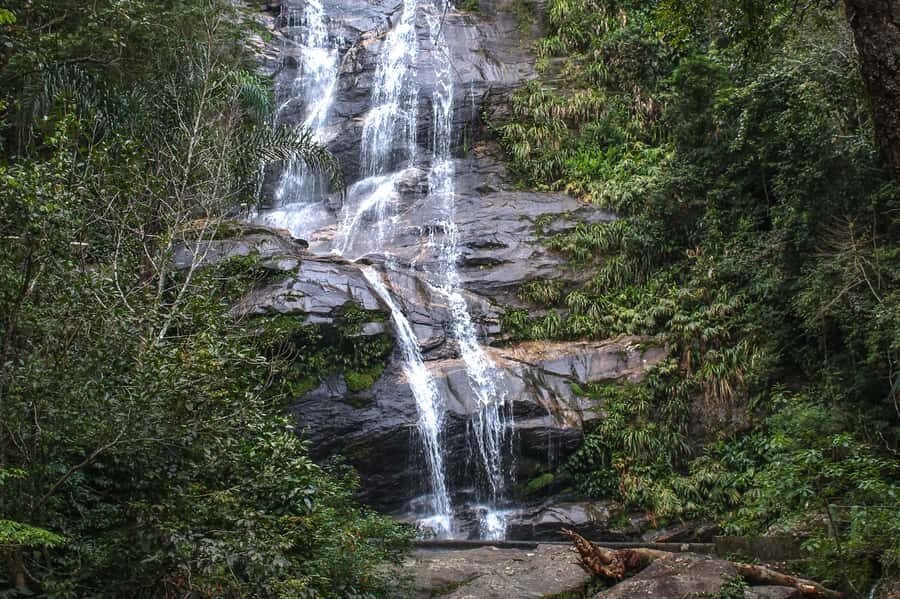
- Cascata Taunay and the Waterfall of Souls circuit, so you get both a big view and the ritual water.
- Mind-body basics early: breathing, stretching, and a guided opening before you start walking.
- Wild Rio wildlife encounters built into the route, including quatis, monkeys, lizards, birds, and butterflies.
- Ancestral nature themes explained by a local guide drawing from Afro-indigenous beliefs and orishas/nature spirits.
Tijuca Forest Waterfall of Souls: what this experience really is
This hike sits in Tijuca National Park, the green lung above Rio de Janeiro. But the point isn’t only the waterfall. The real structure is how you move through the forest: guided breathing, stretches, a short spiritual framing, then walking as a form of attention—almost like you’re training your brain to slow down.
The spiritual content is rooted in Afro-indigenous belief systems that many Brazilians carry in everyday life, and it’s connected to nature spirits and ancestral gods/goddesses of the forest. Practically, that means the guide isn’t just telling you plant names. You’ll get explanations meant to help you connect—through symbolism, natural elements, and the idea of faith in nature.
And yes, it still includes the fun stuff: jungle movement, viewpoints, and time at the falls. You’re not stuck in a ceremony with no scenery. You get both.
You can also read our reviews of more hiking tours in Rio De Janeiro


Meeting at Estr. da Cascatinha: how to start without chaos
You meet at the park gate area, in front of the green sign, at Estr. da Cascatinha, 300. This matters because this tour has a bit of a transport handoff. After you meet the guide, you’ll handle getting up toward the trail start by Uber or taxi, or you’ll follow the arrangement at the entrance so the group can reach the forest area where hiking begins.
Here’s the simple way to plan it: arrive early enough to find the green sign, get your bearings, and confirm you’re with your guide before you leave the meeting point. Once everyone is together, the car can go up to the mountain area, drop you off in the forest, and then the hike portion starts.
Small-group setup is part of the appeal here—limited to 10 participants—and that helps with timing at the stream and waterfall stops. You’re not wrestling for space in the photo line.
A 210-minute flow: breathing, walking, cleansing, then the falls
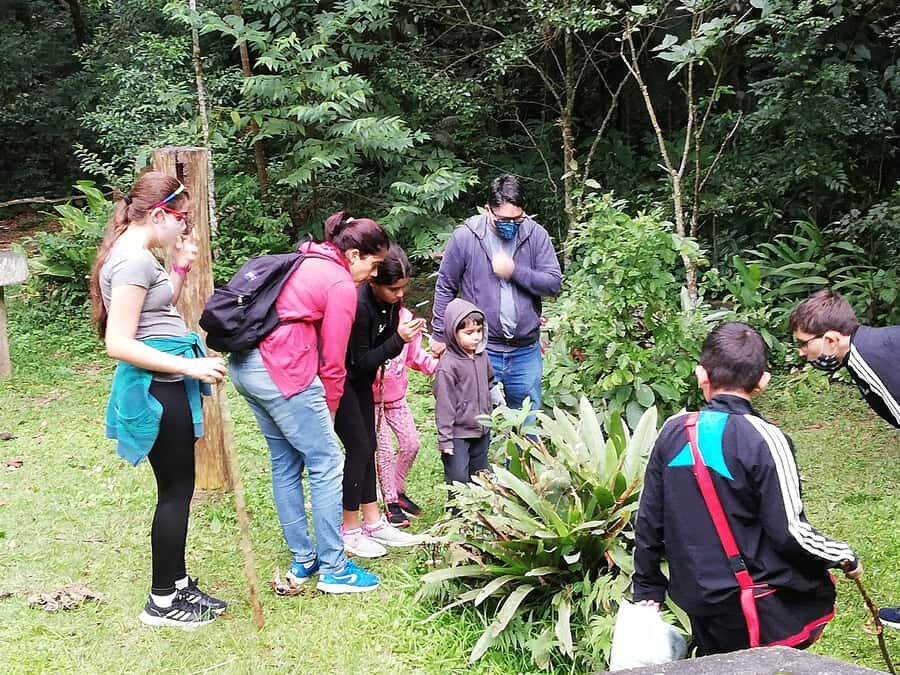
The total time is about 210 minutes (around three and a half hours), and the pacing is designed as a circuit. You’ll begin with an introduction to the forest and the spiritual healing focus. The guide typically leads a breathing exercise and stretching, then a short moment that sets the tone before you head onto the trail.
After that, you’re walking through the forest as a group, with stops timed to change what you notice. One key moment is the first stream entry/cleansing stop early in the hike. It’s not a huge spectacle, but it’s a strong “switch” in the experience: you go from sightseeing mode to a more reflective, sensory mode—cool water on skin, forest sounds around you, and time to reset.
From there, you move toward the main waterfall segment, with a break for snacks near the waterfall stop. You’ll also have time for photos and just… chilling. This tour isn’t trying to make you race the clock.
Then the hike loops back via a different route, finishing with a couple of calmer stops—more on those next.
Cascata Taunay views: why the overlook feels worth the effort
Tijuca can be misty and unpredictable, but this route includes the payoff view at Cascata Taunay. What I like about this kind of itinerary is that it gives you a “big view” moment, which helps break up the walk. You’re not only thinking about the next step or the next splash point.
Even if you’re not obsessed with waterfalls, a good overlook changes the whole mood of the hike. It’s also useful for photos because the frame usually has enough depth to show the forest layers rather than only a flat wall of greenery.
Bring realistic expectations: on a tropical day, visibility depends on cloud cover and light. But that’s part of Tijuca’s charm. The best time to appreciate the view is when the guide slows you down and points out what’s in front of you.
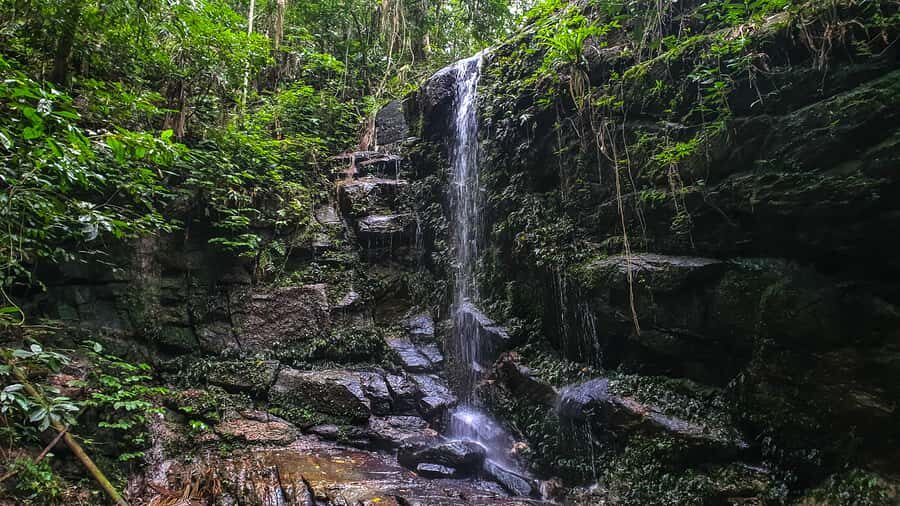
Waterfall of Souls (Baronesa Falls): cold water, spiritual focus, and photos
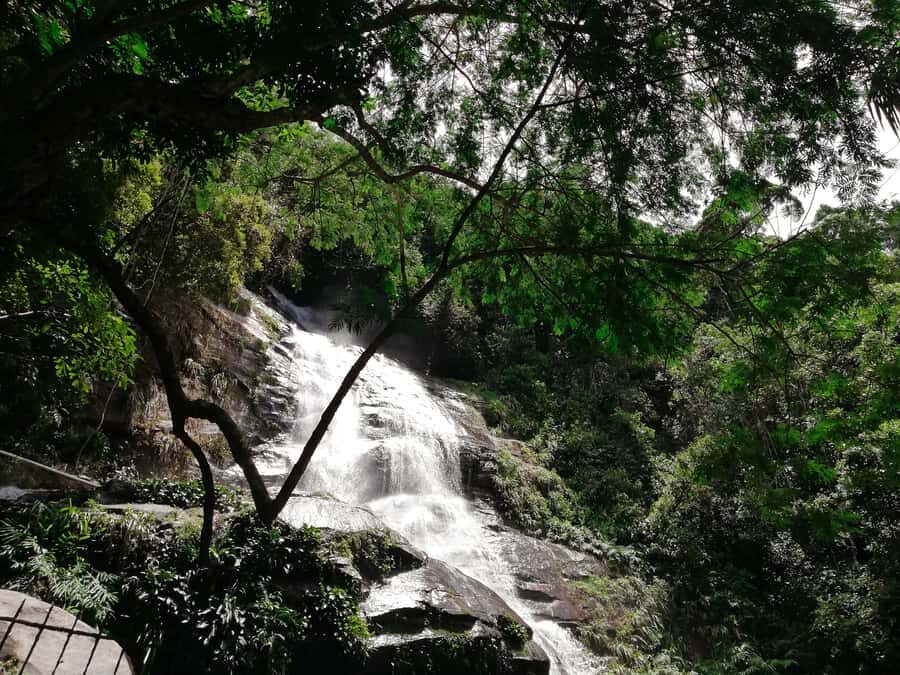
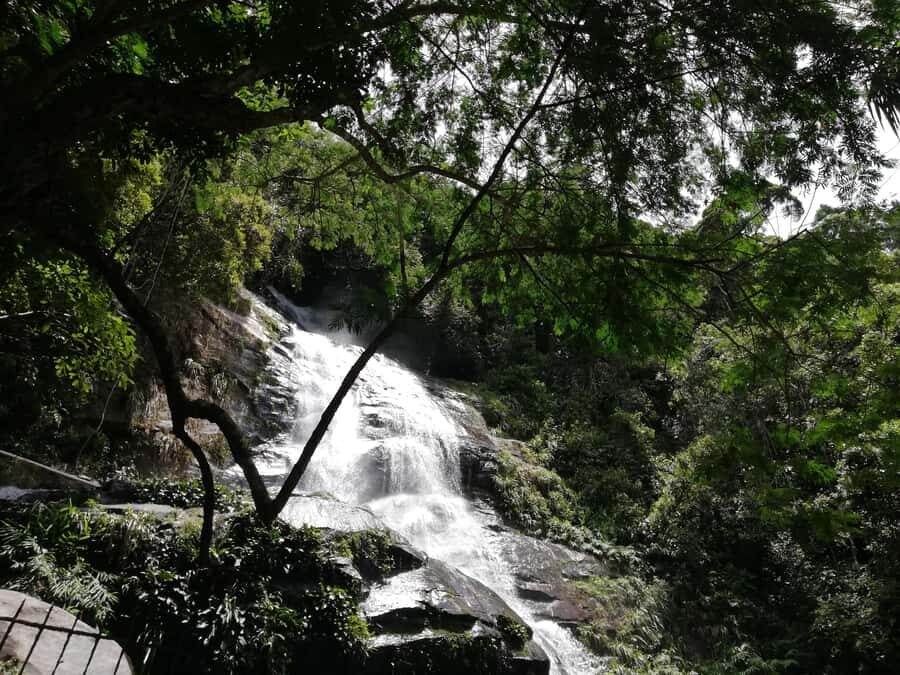
The centerpiece is the Waterfall of Souls, also referred to as Baronesa Falls. This is where the experience leans hardest into the spiritual framing. You don’t just stand near the falls. You’re guided to enter the falls and bathe, which can be exhilarating and also a little intimidating if you hate cold water.
The way this is handled matters. The guide’s job isn’t only to lead you to the spot—it’s to set expectations so you don’t panic when the temperature hits. It’s also the moment where the “healing powers” theme becomes physical. You’re connecting with the natural element in a direct way, not just hearing about it.
Practical tip: wear clothes and shoes that can handle water, or at least that you can change out of later. If you’re wearing delicate fabrics, the forest will remind you quickly that it’s not a museum.
Also note the rules: you’re not allowed to feed or touch animals, and you should avoid littering. That keeps the experience respectful and keeps the wildlife wild.






Wildlife encounters in Tijuca: how to spot quatis, monkeys, and birds
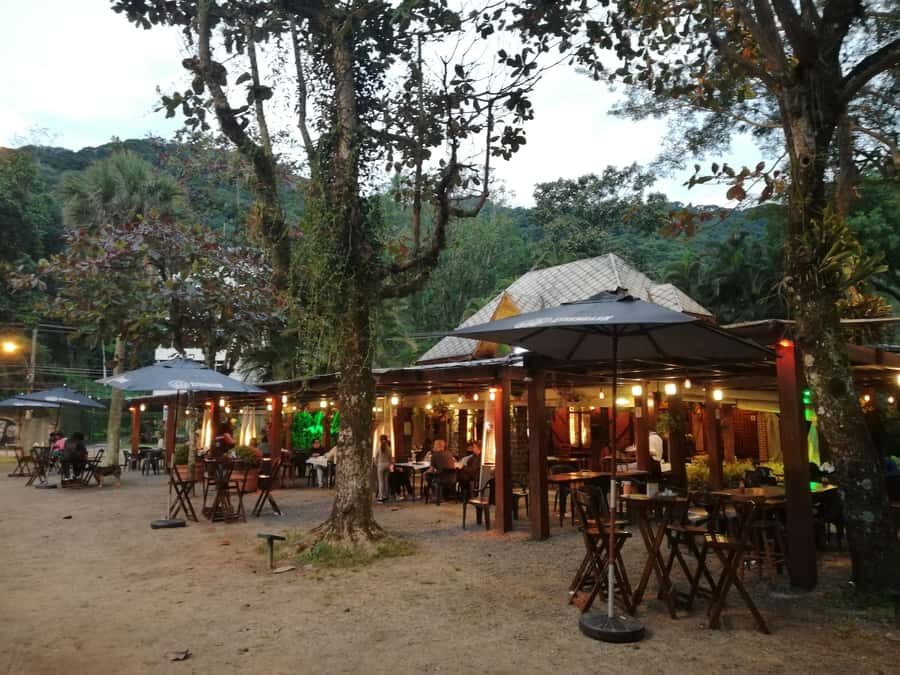
One of the biggest reasons people end up smiling during this hike is the wildlife. The route gives you frequent opportunities to see butterflies, lizards, birds, quatis, and monkeys. You’re not guaranteed a monkey sighting every minute, but you’re in an area and at times where animals can appear.
The best approach is also the simplest: move quietly, keep your distance, and let animals notice you on their own terms. The guide typically helps you read what you’re seeing—what kind of movement matters, where animals tend to pause, and when it’s best to stop rather than rush ahead.
Quatis in particular can be bold near trail areas. Don’t feed them, and don’t reach out. Treat them like wild neighbors who are curious, not pets.
If you’re the kind of traveler who loves small nature moments—wing flicks, a lizard on a branch, a bird call that helps you orient yourself—this hike is built for you.
The spiritual teaching moment: nature spirits and ancestral knowledge
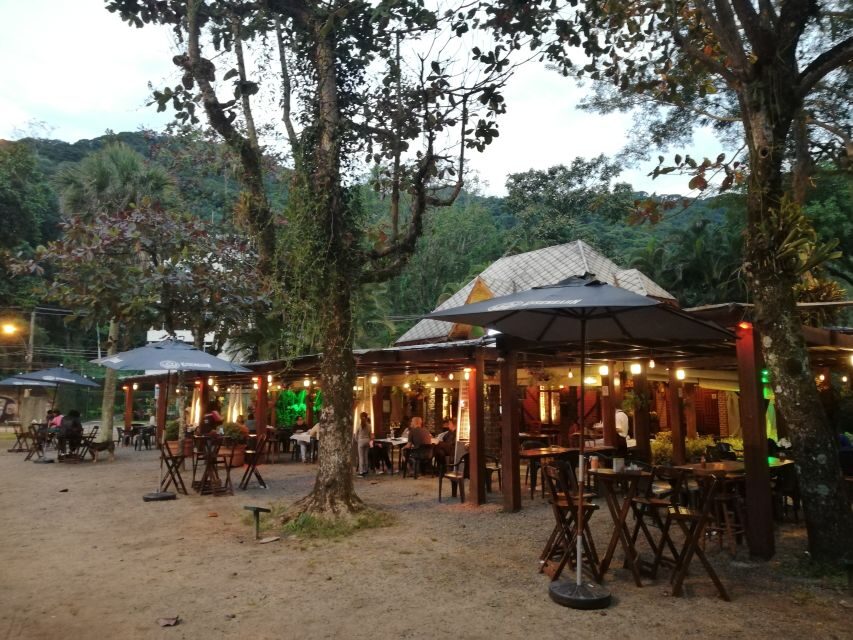
This experience includes learning about Brazilian ancestral gods and goddesses connected to nature elements. It’s framed through Afro-indigenous faith traditions, with references to orishas and indigenous entities as ways of understanding the forest.
You don’t need to arrive with any religious background to appreciate it. What helps is curiosity plus openness. The guide explains the ideas in a way that supports everyday meaning—how the belief system shapes how people relate to water, trees, animals, and healing.
I also appreciate that the experience uses a sequence instead of a lecture. The breathing and stretching come first, then cleansing water, then the waterfall bathing moment. That order makes the spiritual content feel less like a slideshow and more like a practice.
If you’re spiritually minded, you’ll likely find it moving. If you’re skeptical, you can still enjoy it as cultural storytelling tied to place.
The circuit finish: painters’ escape garden, lake, and Mayrink Chapel
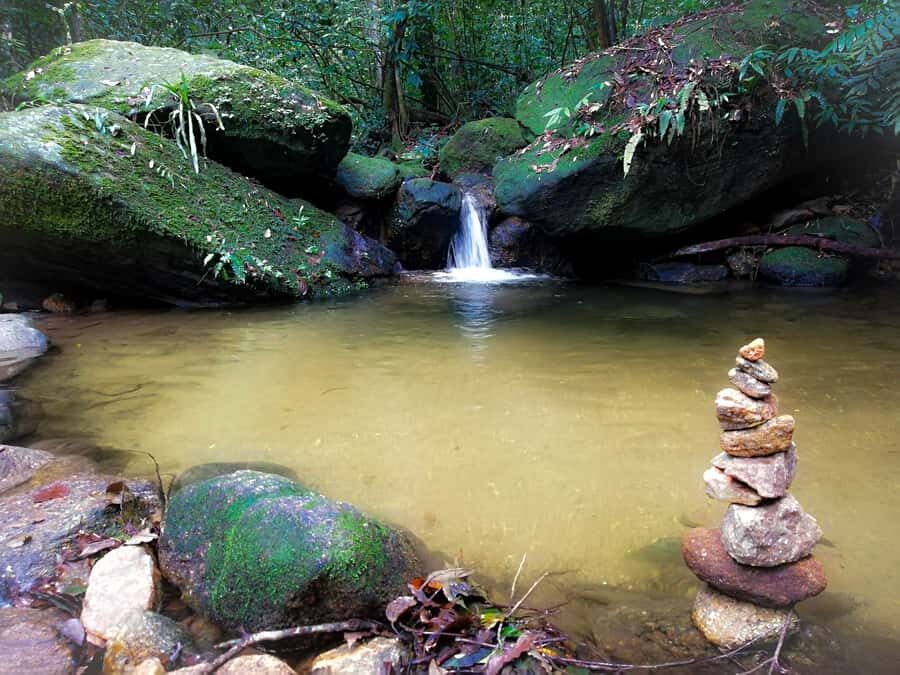
The return route isn’t just “walk back the way you came.” After the waterfall stop, you take a different path to close the loop and visit a few quieter places inside the park area.
You’ll spend time around a painters’ escape garden and lake. The purpose feels simple: break the intensity of the falls with calmer scenery, so you can sit with the experience for a bit. This is where you can talk less and listen more.
Then there’s a stop at Mayrink Chapel. Even if you’re not focused on architecture or religion, a chapel stop gives you a pause point—a human-made marker in the middle of a deep natural space. It helps you absorb the hike as a full arc, not just the waterfall segment.
Finally, you end around the park gate area, where the tour wraps up and you can choose what’s next for food.
What happens after: grabbing a traditional afro Brazilian dish
At the end of the hike, plan to eat nearby. The setup is straightforward: after visiting the falls, you head to one of the two restaurants near the park or in the Tijuca neighborhood for a traditional Afro-Brazilian meal.
That’s a nice touch for two reasons. First, it keeps the experience grounded in local culture. Second, it helps you transition smoothly from cold water to warm food—without turning your afternoon into a navigation problem.
Price and value: is $60 worth it?
The price is listed at $60 per person for about 3 hours and 30 minutes total time. On paper, that’s not the cheapest hike you can do in Rio—but this isn’t just a guide handing you a trail map.
You’re paying for:
- an experienced guide (the included component)
- a guided spiritual sequence (breathing, cleansing, waterfall bathing time)
- access to a route designed to maximize nature encounters
- a small-group format that makes stops feel manageable
If you wanted an unguided DIY hike, you’d likely spend less. But you’d also miss the structure: the timing, the teaching moments, and the calming pacing that turns a workout into an experience.
For me, the best value angle here is the combination—waterfall + cultural explanation + wildlife attention—all in one guided package. If you’re the type who enjoys learning while moving, it can feel like a fair trade.
What to pack (and what to skip) for a comfortable cold-water hike
Bring the basics and you’ll be glad you did. The tour recommends:
- Comfortable shoes (you’ll want grip and stability)
- Comfortable, breathable clothes
- A reusable water bottle
- Biodegradable insect repellent
Skip anything that you can’t stand getting wet. You’ll be near and entering water, and you’ll want to avoid worrying about gear every time the path gets slick.
Also remember the rules: no pets, no littering, no feeding or touching animals. It’s not only for safety—it keeps the wildlife behavior natural.
This tour runs in light rain or sunshine, so pack for changing conditions and expect humidity.
Who should book this hike, and who should think twice
This is a strong fit for you if you want:
- a guided nature hike that slows you down
- wildlife sightings without a hardcore survival vibe
- a spiritual framing tied directly to forest elements
- a small group experience with a guide who answers questions
You might think twice if:
- you have trouble walking sustained outdoor paths (the tour notes it’s not suitable for mobility impairments)
- you strongly dislike cold water or aren’t comfortable entering waterfalls
- you expect lots of extra side quests like long detours or caves
There is also a note that visitors with disabilities can join if previously arranged, with an adapted vehicle and an extra fee. If that applies to you, don’t guess—ask ahead so you get the right plan.
Should you book the Rio Tijuca Forest Waterfall of Souls hike?
Book it if you’re excited by the idea of a waterfall hike that’s structured like a calm ritual: breathing first, cleansing water next, then the big moment at Waterfall of Souls/Baronesa Falls. The small group size and the guide-led nature focus are the big wins.
Don’t book it if you want total freedom to explore on your own schedule or if you need a fully step-free hike. Also be honest about cold-water tolerance. This isn’t a sit-and-watch experience.
If your travel style is part nature lover, part curious learner, and you like your Rio days a little different from the usual beach-and-sun routine, this one is worth a spot.
FAQ
How long is the Rio de Janeiro Tijuca Forest Waterfall of Souls hike?
The tour lasts about 210 minutes (roughly 3.5 hours), with about 3 hours of hiking included.
How much does the Waterfall of Souls hike cost?
The price is listed as $60 per person.
What’s included in the price?
An experienced guide is included.
Where do I meet the guide?
Meet in front of the park gate’s green sign at Estr. da Cascatinha, 300. From there, you’ll need to use Uber or taxi as directed to reach the trail start area.
What languages are the guides available in?
The live tour guide is available in English, Spanish, and Portuguese.
Is the group small?
Yes. The group is limited to 10 participants.
What should I bring?
Bring comfortable shoes, comfortable breathable clothes, a reusable water bottle, and biodegradable insect repellent.
Is it okay if it rains?
Yes. The tour is set to run in light rain or sunshine.
Are pets allowed?
No, pets are not allowed.