REVIEW · RIO DE JANEIRO
Rio: Historical Walking Tour
Book on GetYourGuide →Operated by CARIOCA TROPICAL TOUR OPERATOR · Bookable on GetYourGuide
Downtown Rio tells its story in stone. I like how this tour mixes subway travel with a guided walk so you actually see the city’s layout, not just a list of sights. I also love the focus on architectural details and the way the guide connects buildings to politics, culture, and everyday life in Rio’s old center. One consideration: it’s mostly on foot (including cobblestones), so it’s not a great match if you have walking difficulties.
The best part is the guidance. Several guides (Lucien, Monique, Ernani, Mathilda) are praised for clear, structured commentary and for answering lots of questions—history, politics, even how the economy shaped what you see. Expect a small group, an energetic pace, and enough time to look up, slow down, and notice things you’d miss on your own.
In This Review
- Key things to know before you go
- From Copacabana to Cinelândia by subway
- Cinelândia: where the French influence becomes visible
- Carioca Square approach: Santo Antônio, the Naval Club, and the monastery
- Confeitaria Colombo (1894) and Tiradentes Palace: power at street level
- Praça XV, the Imperial Palace, and Mestre Valentim’s Fountain
- Teles Arch and Travessa do Comércio: the city’s textures
- Churches and cultural institutions: Our Lady of the Merchants to Candelária
- Price and value: what $79 buys you in 4 hours
- Who this tour suits best (and who should rethink it)
- Should you book this Rio historical walking tour?
- FAQ
- How long is the Rio Historical Walking Tour?
- Is this a small-group tour?
- What’s included in the price?
- What languages are the guides available in?
- What are the walking limitations?
- Where does the tour start and finish?
Key things to know before you go
- Subway to downtown first: you get your bearings fast and arrive ready to walk.
- Cinelândia’s French influence: you’ll recognize the look and feel of that legacy as you move through the area.
- Old-capital landmarks in a tight loop: the route strings together major buildings and plazas without wasting time.
- Confeitaria Colombo and classic architecture: you get a guided visit to a famous 1894 stop.
- Cobblestones and Carmen Miranda history: Travessa do Comércio adds texture beyond the biggest churches.
- Expert Q&A, not a scripted lecture: guides are specifically noted for answering questions and staying flexible.
From Copacabana to Cinelândia by subway
This tour starts with a simple idea: take the subway to downtown Rio, then walk the historic core with a professional guide. If you’re staying in Copacabana (the tour’s listed start/finish option), this is a smart way to avoid wasting half your morning negotiating taxis or trying to piece together the transit route while carrying your daypack.
The subway approach matters because it changes your perspective. Instead of arriving already tired and rushing, you roll into the center with fresh energy and a clear sense of distance. In four hours, that’s huge. You’re not trying to cover everything; you’re seeing the places that explain why Rio looks the way it does.
Your guide is the real engine here. Guides are repeatedly noted for detailed cultural and historical commentary, and for answering questions beyond the basics. One review specifically calls out history, politics, and the economy—exactly the stuff that helps you understand why a hall, a church, or a plaza looks the way it does. With a small-group format, you’re also more likely to get personal attention and follow-up answers.
What to watch for: the itinerary is built around walking. Even if the route sounds “downtown and compact,” you’ll still be on your feet for the full block of time. Bring comfortable shoes, and plan on moving at a guided pace rather than taking long breaks whenever you feel like it.
You can also read our reviews of more walking tours in Rio De Janeiro



Cinelândia: where the French influence becomes visible
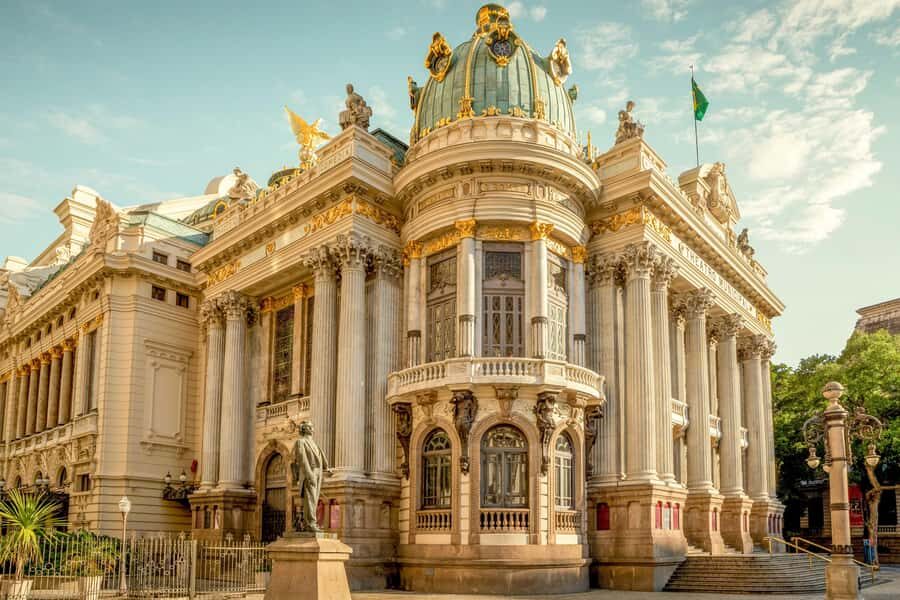
Once you hit Cinelândia (near Cinelândia Station), you’re stepping into an architectural mood. The area is described as having relics of French architectural influence, and you can feel that idea in the style of the buildings and the way the space is composed.
This stop is valuable even if you’re not an architecture nerd. Here’s why: historic city centers often look like a set of disconnected landmarks until someone explains the “why.” In Cinelândia, the guide’s job is to help you see the connections—how an imported aesthetic and a national ambition can show up in public buildings, civic spaces, and the overall feel of the district.
As you walk, keep your eyes moving. Look at facades, street-level details, and how the architecture frames the plaza-like spaces. The point isn’t to memorize names. It’s to learn the visual language so you can read the city as you go.
This is also where a good guide can set the tone for the entire day. If your guide is like the ones praised here (Lucien, Monique, Ernani, Mathilda), you’ll get commentary that makes those buildings feel like characters in a story rather than photos for later.
Carioca Square approach: Santo Antônio, the Naval Club, and the monastery

From Cinelândia, the walk continues toward Carioca Square, which functions like a crossroads for historic Rio. On the way, you pass several notable religious and civic sites, including the Naval Club and the Monastery Church of Santo Antônio.
This is one of the tour’s best “connector” stretches. You’re seeing different types of institutions close together—religious, civic, and public. That matters because Rio’s old center didn’t develop in neat categories. It grew through layers, and those layers are still visible where they overlap.
You also pass the Ordem Terceira de São Francisco da Penitência. Church names can feel like a wall of text on paper, but on the ground, what you gain is context: why these places existed, who they served, and how they fit into the political and social structure of the former capital.
Practical tip: this part of the tour is great for photos, but it’s also great for slowing down. If you rush, you’ll miss the architectural transitions—how one block’s style hands off to another. If you want a smoother experience, ask your guide to point out specific details as you approach each building.
Confeitaria Colombo (1894) and Tiradentes Palace: power at street level
Then comes one of the most iconic stops on the whole route: Confeitaria Colombo, built in 1894. This is more than a famous name. With a guided visit and included entrance fees, you’re getting structured access to a classic Rio landmark that many people only experience from the outside.
Why this matters for value: if you try to do downtown on your own, you might walk past a place like this without understanding what you’re actually looking at. A guide can point out the cues that make 19th-century grandeur feel specific—not generic. You’re not just seeing an old building; you’re learning how that era expressed status, commerce, and social life.
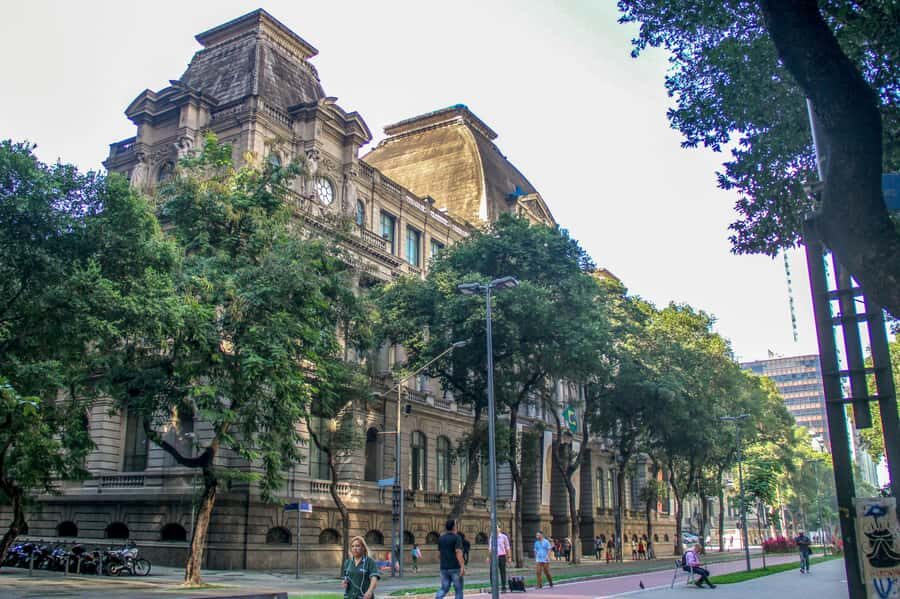
After that, you move to Tiradentes Palace, also called the State Hall. This is where the tour’s historical commentary really earns its keep. The former capital’s institutions show you how government presence became physical—through formal spaces, recognizable civic grandeur, and the placement of power in the city’s most visible zones.
If you like when a tour explains the “so what,” this is it. Several guides in the reviews are praised for covering history and politics, and this is the part of the route where those topics stop being abstract.
Praça XV, the Imperial Palace, and Mestre Valentim’s Fountain
Praça XV is one of those places where the guide’s job is to teach you how to look at a plaza. It’s listed as including the Imperial Palace, plus the statue of General Osório. You’ll also see Mestre Valentim’s Fountain.
Plazas can feel like empty space until you understand what they were for. In a historic center, plazas act like public living rooms—where ceremonies happened, where power displayed itself, where crowds gathered for events that mattered. This stop helps you connect those functions to what remains visible today.
Mestre Valentim’s Fountain is especially good for a walking tour because it breaks up the “church then government then church” rhythm. You get a crafted element that signals artistic design inside the urban environment. If you’re the kind of traveler who likes to understand how art and civic identity overlap, don’t rush this moment.
General Osório’s statue is a good example of why guided commentary matters. Public monuments can look straightforward in a photo, but a guide can help you understand what the figure represents and how it fits into the timeline of the city.
You can also read our reviews of more historical tours in Rio De Janeiro





Teles Arch and Travessa do Comércio: the city’s textures
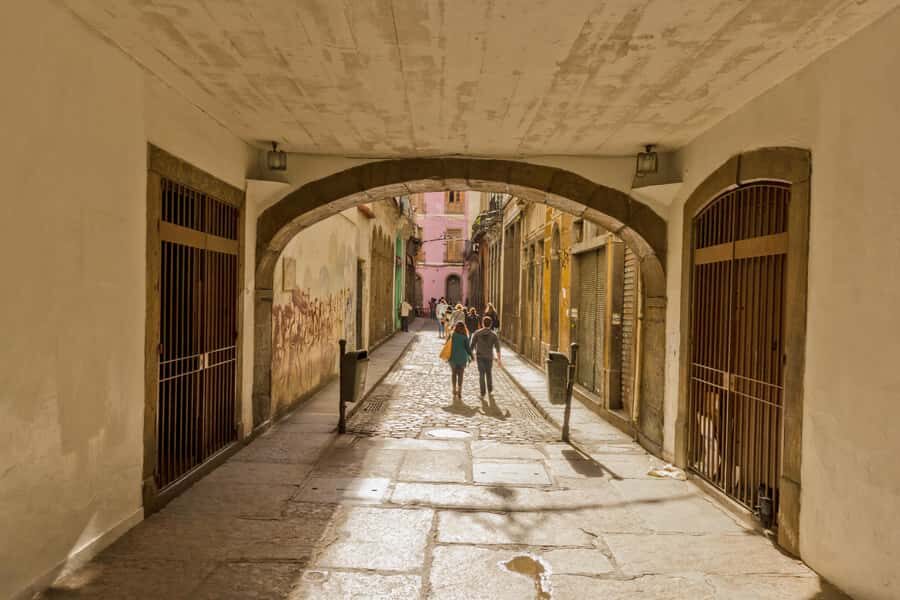
As you continue, you reach the Teles Arch. Arches are tricky on your own because they can feel like “just another photo spot.” With a guide, you can understand them as urban structure—passage, transition, and a marker of how streets evolved.
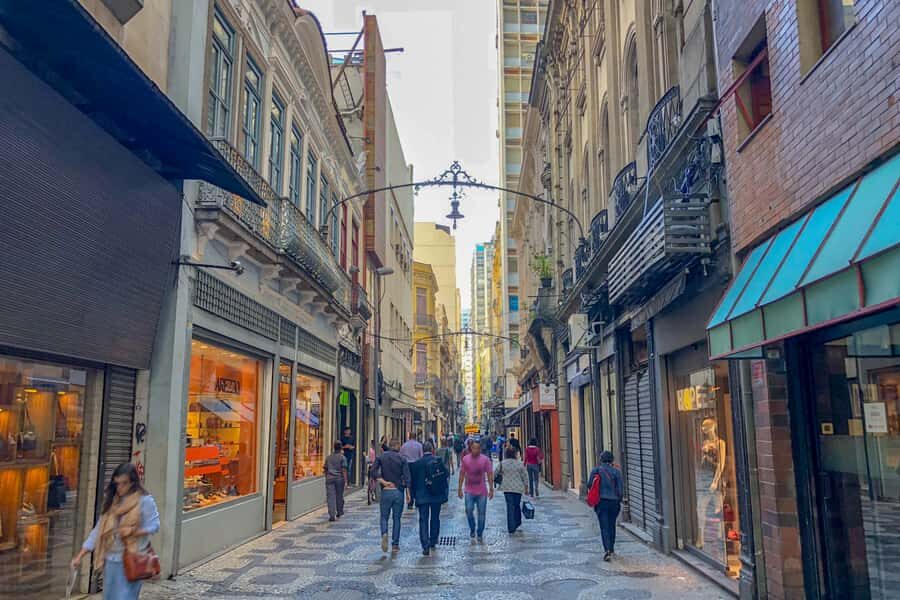
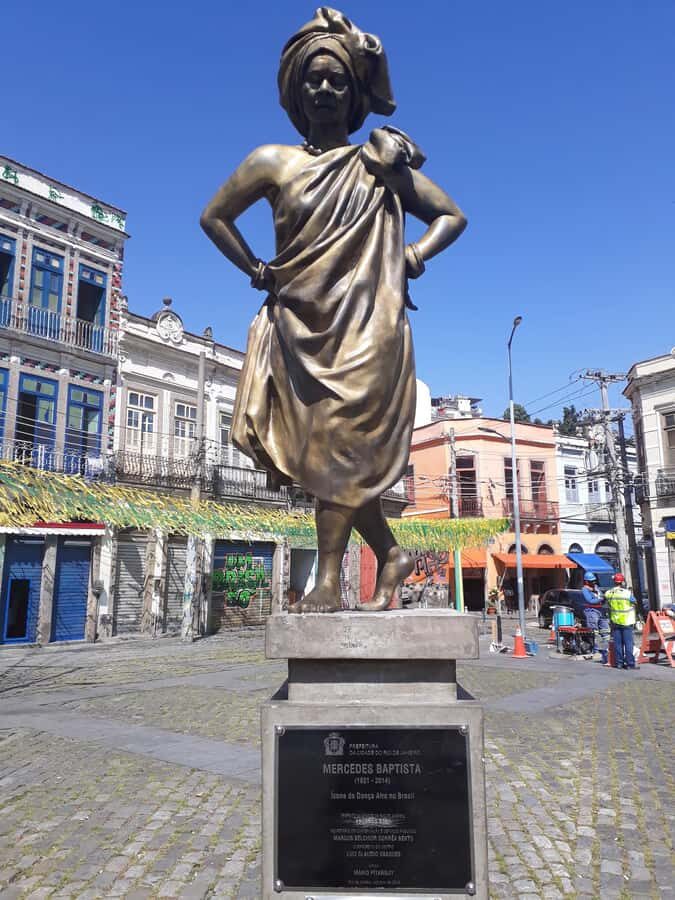
Next up is Travessa do Comércio, described as cobble-stoned, plus the former residence of Carmen Miranda. This is where the tour becomes more than architecture and government. You get street-level texture—actual walking surfaces and the sense of a neighborhood scale you can feel with your feet.
Carmen Miranda’s former residence adds a pop of popular culture that helps the historic core feel human. The center of Rio isn’t only about presidents and churches. It’s also about performers, daily life, and how people used public spaces to become famous.
This stretch is also practical for pacing. Cobblestones change how you walk, and they encourage shorter, slower steps. If you’re someone who gets tired quickly on uneven ground, make sure you’re wearing shoes with grip and support.
Churches and cultural institutions: Our Lady of the Merchants to Candelária
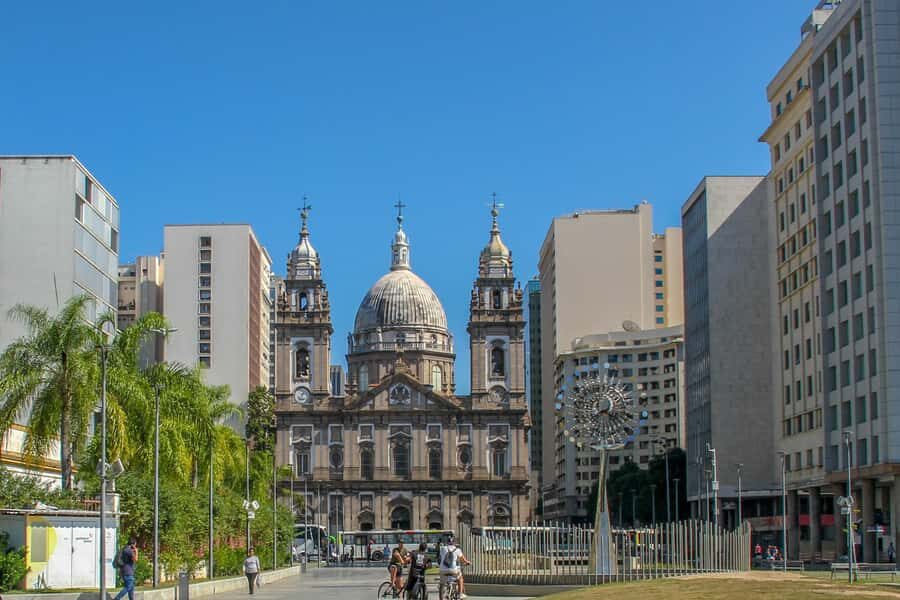
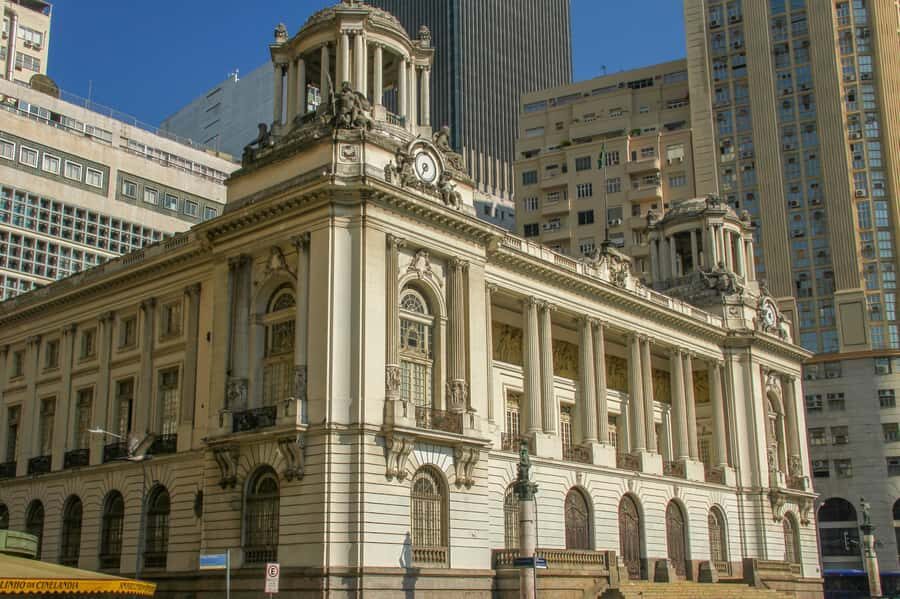
The tour rounds out with more major landmarks, including the Church of Our Lady of the Merchants, the Post Office Cultural Center, and the France-Brazil House when open. You’ll also see the Bank of Brasil Cultural Center when open, and then finish at the Candelária Church.
Here’s how to get the most from these stops:
- With churches, don’t just look for a single facade. Watch how the guide frames the building’s role in the city—who came, what it symbolized, and how it tied into Rio’s identity.
- With cultural centers, look for the idea that history isn’t just preserved behind glass. It’s repurposed. When a building becomes a cultural venue, it stays relevant to modern city life.
Candelária Church is the emotional closer you can feel. Even if you don’t know every detail, the sheer presence of the site gives you a sense of Rio’s depth. By the time you reach it, the tour has already taught you how the city developed in layers—so this final stop lands with context instead of just awe.
Also, the route includes multiple “when open” cultural entries. That’s worth knowing because it means you might experience slightly different access depending on hours. Still, the overall historical spine of the walk remains the same.
Price and value: what $79 buys you in 4 hours
At $79 per person for a 4-hour tour, the value is best understood by what’s included. You’re getting: a professional guide, a small-group experience, entrance fees, and transport by subway.
If you tried to replicate this on your own, you’d spend time figuring out transit and entrances, and you’d probably miss the story thread that ties the buildings together. That thread is the point. When guides are strong at explaining history, politics, and the economy, the same landmarks suddenly make sense as parts of one system, not random stops.
One more value point: you’re not just walking past places. Entrance fees are included, and you’re guided through key sites like Confeitaria Colombo and the major churches/cultural spots on the route (with some dependent on opening hours). That makes the time feel “used,” not wasted.
Where costs can surprise you: drinks and meals aren’t included. For a 4-hour downtown route, plan for a break or grab snacks before you start if you know you’ll want something mid-walk. A simple plan keeps the day comfortable.
Who this tour suits best (and who should rethink it)
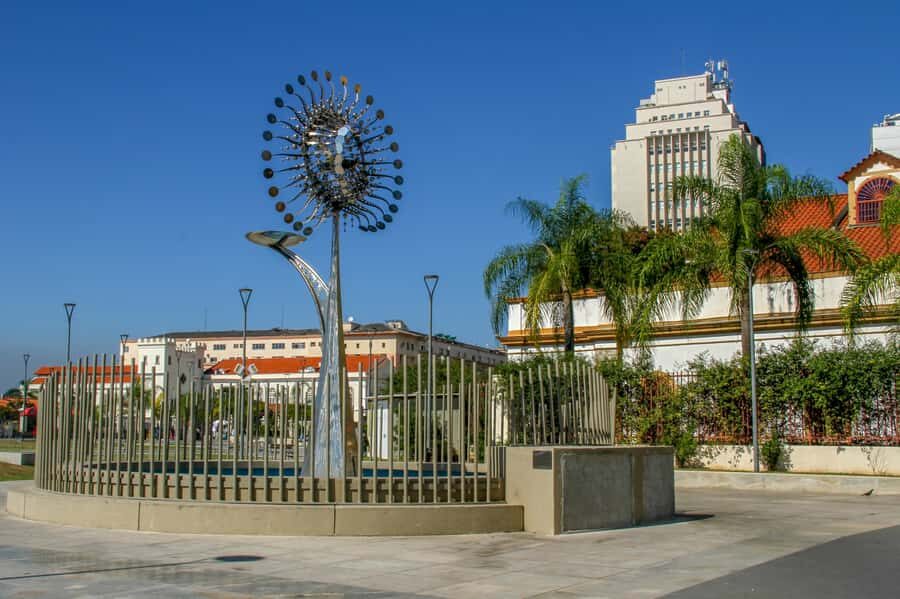
This works best if you want a structured historical walk without spending the day planning routes and figuring out what to prioritize. If you like architecture, public institutions, and the way culture shows up in streets and buildings, you’ll feel in your element.
It also suits travelers who enjoy Q&A. Several guides are praised for answering lots of questions, including topics beyond the typical “this building is old” narration. If that’s your travel style, the guide quality is a major reason to book.
Reconsider if you have mobility concerns. The tour isn’t recommended for walking difficulties, and it’s not suitable for wheelchair users. The route includes cobblestones (Travessa do Comércio) and lots of walking in a concentrated time frame, so discomfort is likely if you need frequent, longer rest periods.
Should you book this Rio historical walking tour?
I’d book it if you want downtown Rio in a tight, readable format. The subway-to-walk combo gets you oriented fast, and the route hits exactly the kind of landmarks that benefit from a guide’s context—Cinelândia, Confeitaria Colombo (1894), Tiradentes Palace, Praça XV, and then the churches and cultural centers leading to Candelária.
Book with extra confidence if you value strong guiding. Reviews highlight guides like Lucien, Monique, Ernani, and Mathilda for clear historical commentary and for being flexible enough to respond to what you want to see. If you like tours where questions are welcome and explanations connect politics and culture to what you’re seeing, this one fits.
Skip it if you can’t do steady walking. With cobblestones and multiple stops across the center, your comfort will be the limiting factor—not the schedule.
FAQ
How long is the Rio Historical Walking Tour?
The tour lasts 4 hours.
Is this a small-group tour?
Yes, it’s described as a small-group tour.
What’s included in the price?
Entrance fees, a professional guide, small-group tour setup, and transport by subway are included. Drinks and meals are not included.
What languages are the guides available in?
The live tour guide is available in Spanish, English, and Portuguese.
What are the walking limitations?
The tour is not recommended for people with walking difficulties and it is not suitable for wheelchair users.
Where does the tour start and finish?
The meeting point can vary depending on the option booked, but one listed starting/finishing option is Copacabana Palace, A Belmond Hotel.