REVIEW · RIO DE JANEIRO
Rio Jewish Heritage Half-Day Tour
Book on Viator →Operated by Carioca Tropical Tour Operator · Bookable on Viator
Jewish Rio runs deeper than you’d expect. This half-day route stitches together the sites where Rio’s Jewish community built its life—then hands you context so the buildings make sense, not just look pretty. I especially love the Park Itzhak Rabin lookout for that Sugar Loaf and Botafogo panorama, and I like how the tour uses the Grand Templo and museum stops to connect faith, culture, and migration into one clear story.
There’s one main catch to plan around: a couple visits come with extra costs or limited hours. The Jewish Museum has a small entrance fee, the Grand Temple visit may involve a tzedakah contribution, and the Holocaust Memorial only opens Thursday through Sunday.
In This Review
- Key highlights to know before you go
- Why this Jewish heritage route works so well in Rio
- Price and value: what $99.50 buys you (and what it doesn’t)
- Getting started right: hotel pickup, small groups, and comfort
- Stop-by-stop: Hebrew Union Shel Guemilut Hassadim and its early roots
- Park Itzhak Rabin and the city’s Jewish landmarks in downtown
- The Holocaust Memorial: powerful timing and a day-of-week check
- Grande Templo Israelita do Rio: architecture, time inside, and a small donation
- Museu Judaico do Rio: what the museum adds after the street stops
- Synagogue choices: Shel Gmelut Hassidim versus Beth Yacov and Beit Lubavitch
- Food and timing: keep the half-day easy on yourself
- Who this tour is best for—and who may want a different plan
- Practical checklist for a smoother day
- Final call: should you book the Rio Jewish Heritage Half-Day Tour?
- FAQ
- How long is the Rio Jewish Heritage Half-Day Tour?
- Is hotel pickup and drop-off included?
- What are the main places you visit?
- Are entrance fees included?
- When is the Holocaust Memorial open?
- Can I request a kosher lunch?
- How big is the group, and who runs the tour?
Key highlights to know before you go
- Park Itzhak Rabin lookout: big Rio views paired with Jewish history context
- Grand Templo Israelita do Rio de Janeiro: time inside one of Rio’s standout synagogue interiors
- Museu Judaico do Rio de Janeiro: permanent exhibits focused on community history and traditions
- Early-synagogue stop: Hebrew Union Shel Guemilut Hassadim traces back to the 1800s
- A flexible synagogue option: your visit can shift to Beth Yacov or Beit Lubavitch if you ask
Why this Jewish heritage route works so well in Rio
Rio can feel like a million separate experiences: beach days, mountain views, samba nights. This tour is different. It’s a focused, religious-history route that helps you read the city through one lens—how a community lived, worshiped, built institutions, and endured.
The big value is the structure. You’re not bouncing randomly. You start with a foundational synagogue site, move through downtown landmarks tied to the Jewish community and prominent Jewish figures, then shift to a museum that explains what you’re seeing. Finally, you end at a grand synagogue interior where architecture tells you something about ambition, stability, and identity in early 20th-century Rio.
Also, the pacing is practical. Stops are short enough that you won’t feel stuck for hours, but long enough for your guide to point out details you’d miss on your own. With a maximum group size of 19 and a guide who’s clearly able to handle questions, it’s the kind of tour where you can ask, then actually get answers.
You can also read our reviews of more historical tours in Rio de Janeiro



Price and value: what $99.50 buys you (and what it doesn’t)
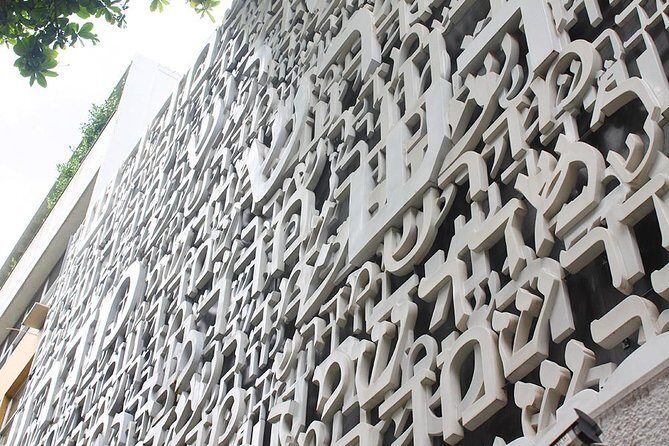
At $99.50 per person, you’re paying for three things: a professional guide, hotel pickup and drop-off, and transportation in an air-conditioned minivan or car. For a city like Rio—where distances and traffic can be annoying—that combo can be worth it fast, especially if you’re staying in Copacabana or nearby.
Now the part to budget: not everything is included.
- The Jewish Museum entrance is $2 per person.
- The Grand Synagogue visit involves a tzedakah contribution listed at $5 per person (so bring a few bills).
- The Holocaust Memorial entrance isn’t included, and it also has limited opening days.
I think the best way to judge the cost is this: you’re not just buying entry tickets. You’re buying someone who can connect the sites into a coherent narrative. If you like heritage tours where context matters, this price starts to feel fair. If you hate paying small add-ons and prefer a fully ticketed-only itinerary, you’ll want to come prepared.
Getting started right: hotel pickup, small groups, and comfort
This tour begins at 9:00 am with pickup from the Hilton Rio de Janeiro Copacabana area, and it ends back at the start point. Pickup and drop-off are included, so you’re not doing any awkward taxi math or searching for the right meeting point while juggling time and energy.
The ride is in an air-conditioned vehicle, and the group cap (19 people) keeps things from turning into a loud bus parade. That matters because several of your stops are sensitive spaces—synagogues and memorial sites—where you want the group to move with order and respect.
Dress appropriately. Synagogues are religious spaces, and rules can vary, so bring something sensible enough that you won’t feel underdressed if access is strict.
Stop-by-stop: Hebrew Union Shel Guemilut Hassadim and its early roots
The tour kicks off at Hebrew Union Shel Guemilut Hassadim, described as the oldest synagogue in Rio de Janeiro. This is where the tour builds credibility fast, because the story goes back to the 1840 era, when non-Catholic worship was prohibited in Brazil. The synagogue was founded by Moroccan Jews, a detail that gives you a sense of who helped shape Jewish life in Rio from the beginning.
Practical note: admission here is free in the information provided, and the stop is about 20 minutes. That short window works because your guide can focus on the why, not just the walls—what it meant to have a place of worship when the broader rules limited you.
If you’re the type who enjoys “first chapter” history—the founding, the constraints, the early community life—this stop is a strong start.
Park Itzhak Rabin and the city’s Jewish landmarks in downtown
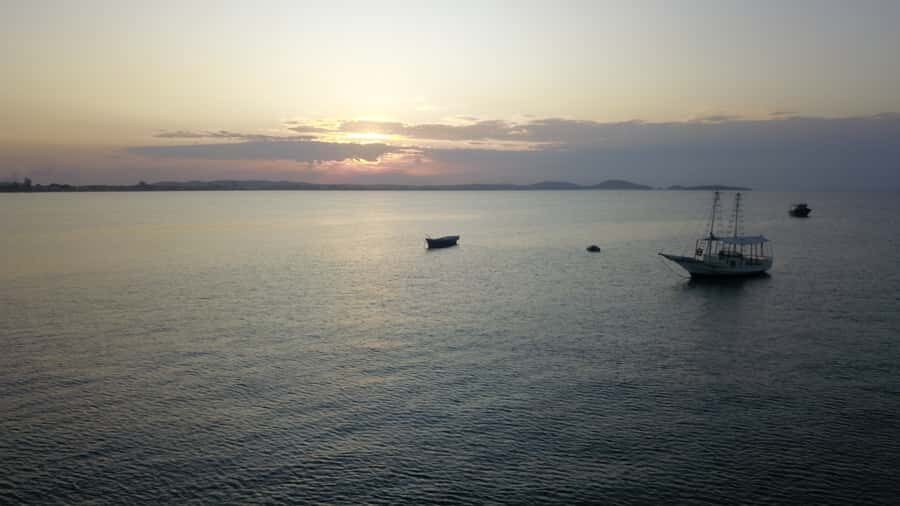
Next comes Park Itzhak Rabin / Mirante do Pasmado, where the viewpoint gives you the classic Rio payoff: Botafogo Beach and Sugar Loaf are visible from above. Even if you’ve seen Sugar Loaf photos before, this angle helps you connect geography to story. It’s easier to imagine neighborhoods and routes when you can see how Rio lays itself out.
This stretch also hits downtown with meaningful stops tied to Jewish life and memory:
- Chaim Weitzman Square, and a nearby school named after Anne Frank
- A look at Catete, noted for a past where resident Jews ran a thriving furniture business
The stop durations here are around 20 minutes. That means you’ll get highlights without a long lecture in the street. You also get to switch mental gears: one moment you’re looking over the water and mountains, the next you’re learning how community life showed up in schools and local trade.
This part is ideal if you want heritage history that still feels grounded in everyday Rio—schools, neighborhoods, and the ways culture lived in ordinary places.
A few more Rio de Janeiro tours and experiences worth a look






The Holocaust Memorial: powerful timing and a day-of-week check
The Memorial As Vitimas Do Holocausto is listed as an additional stop, and it’s the kind of moment that can hit hard in silence. The goal is to preserve and tell stories of victims and survivors so events like the genocide are not repeated.
Here’s the key practical point: this memorial only opens Thursday till Sunday. If your tour date falls outside those days, you’ll likely miss it.
Also note: admission isn’t included. That means you should have a little cash ready if you want this stop to happen.
If you’re sensitive to heavy topics, it may help to mentally prepare your energy level. If you’re there to learn and remember, this is often the stop that makes the whole tour feel more urgent and real.
Grande Templo Israelita do Rio: architecture, time inside, and a small donation
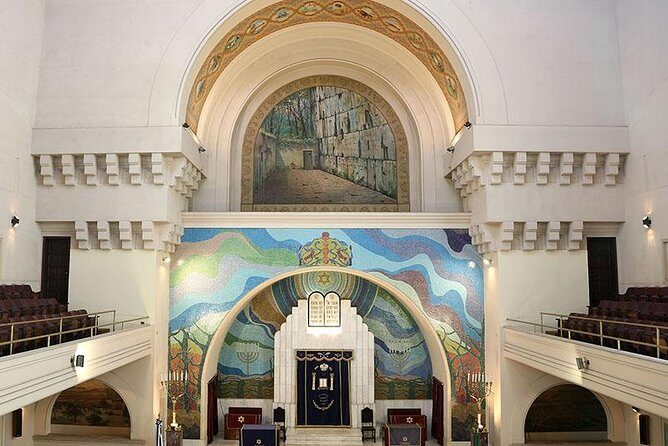
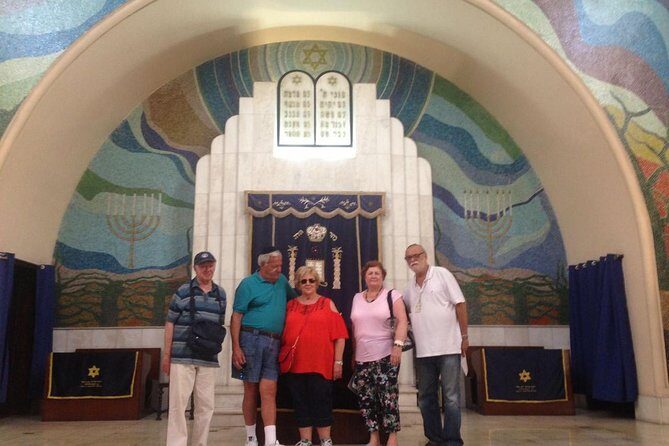
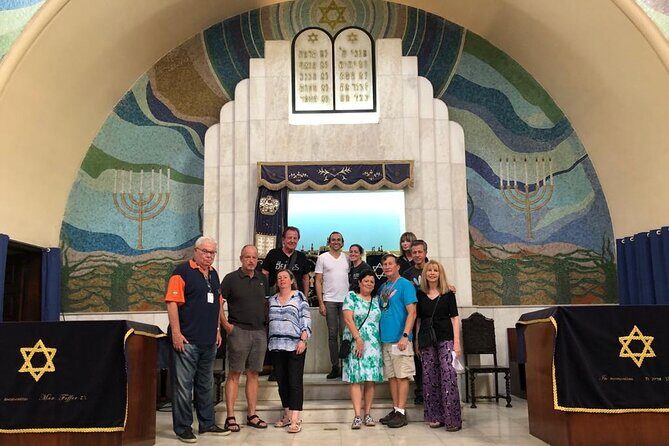
The heart of the tour for many people is the Grande Templo Israelita do Rio de Janeiro, a synagogue completed in 1932. The description calls out an impressive archway topped by five smaller arches, with mosaics showing Jewish life. In other words, this is not a plain worship space. It’s a statement building.
Your guide will spend time inside with you. That’s important: the difference between reading about a synagogue and actually seeing how light, layout, and ornament work is huge.
One small planning issue: the information provided lists a tzedakah contribution of $5 per person for the Grand Synagogue. Even if you see a note that admission is included, it’s smart to budget the donation so you’re not caught scrambling during a moment when the visit is meant to be respectful.
If you’re traveling for religious history and architecture, this stop is the moment where the tour feels the most “worth the detour.”
Museu Judaico do Rio: what the museum adds after the street stops
After synagogues and public landmarks, the Museu Judaico do Rio de Janeiro helps you connect the dots. The museum is founded in 1977 and is described as a cultural center structured around preserving memory while keeping Jewish culture active. It maintains permanent exhibitions about the history of the Jewish community in Rio and traditions across religious, cultural, and historical angles.
Your time here is about 30 minutes, and entrance is not included, with a $2 per person fee.
Why this museum stop matters: otherwise, you can end up seeing impressive buildings without understanding how the community changed over time. Museums are where the timeline comes in—immigration patterns, traditions, and what life meant beyond a single neighborhood.
If you like structure—like walking away with a clear understanding of what you just saw—this is your best “learning buffer” after synagogue interiors.
Synagogue choices: Shel Gmelut Hassidim versus Beth Yacov and Beit Lubavitch
The tour describes a synagogue visit at Synagogue Shel Gmelut Hassidim and also says that, at your request, the visit can be replaced with Beth Yacov and Beit Lubavitch.
That flexibility is handy. People visit for different reasons: some want the oldest known site, others want a particular community style, and others just prefer variety. If you have a strong preference, tell your guide early so the group can adjust without rushing.
The practical idea: don’t wait until the last minute if you care about which synagogue you see. With short stop windows, changes need to happen quickly.
Food and timing: keep the half-day easy on yourself
This is a short, focused morning experience, so plan like it’s a half-day. The tour does not include food or drinks. If you’re hungry, you’ll want a backup plan near your return area.
Kosher lunch is available upon previous request. If that matters to you, communicate it ahead of time, since it’s not listed as a default option.
Also, bring some patience for the reality of visiting active religious sites. Even when everything runs smoothly, entry rules and respectful quiet matter. Your best move is to stay flexible and follow your guide’s cues.
Who this tour is best for—and who may want a different plan
This works especially well if you:
- Care about religious history and how it shows up in a city
- Want an organized route that covers multiple meaningful sites in a short time
- Like guides who tell stories tied to real locations—especially when history involves early community constraints and later growth
It may be less ideal if:
- You strongly dislike small add-on payments (museum entry, tzedakah, and the Holocaust Memorial specifics)
- You’re expecting an all-inclusive, no-hassle museum experience with every fee covered and no extra donations
- You’re going on a date when the Holocaust Memorial is closed and that stop is a top priority
A final “fit” question: if you want only beach-and-bottles sightseeing, this isn’t the right lens. If you want Rio with context—how people built community under restrictions and then expanded into visible institutions—this tour has exactly that.
Practical checklist for a smoother day
A few small things make a big difference on a tour like this:
- Wear clothing suitable for synagogues (dress appropriately)
- Bring a bit of cash for the Jewish Museum ($2) and potential tzedakah at the Grand Synagogue ($5)
- If you want the Holocaust Memorial, double-check your travel day falls Thursday–Sunday
- Keep your questions ready—this is the kind of route where good explanations turn “sights” into understanding
- If kosher lunch matters, request it in advance
Final call: should you book the Rio Jewish Heritage Half-Day Tour?
I’d book it if your goal is a tight, meaningful introduction to Jewish Rio with real landmarks: an early synagogue site, big viewpoints tied to the story, a Holocaust memorial option depending on day, a grand synagogue interior, and a museum that fills in the timeline. The hotel pickup and air-conditioned transport also make it low-friction.
I’d think twice if you’re on a non-Thursday-to-Sunday schedule and the Holocaust Memorial is the reason you picked this tour, or if you really don’t want any extra costs beyond the base price. In that case, you might still learn something, but the experience will feel less “complete” than planned.
FAQ
How long is the Rio Jewish Heritage Half-Day Tour?
It lasts about 3 hours (approximately). The itinerary includes multiple short stops, each around 20 to 30 minutes.
Is hotel pickup and drop-off included?
Yes. Hotel pickup and drop-off are included, and the tour starts at the Hilton Rio de Janeiro Copacabana area.
What are the main places you visit?
You visit Park Itzhak Rabin / Mirante do Pasmado, Chaim Weitzman Square, Hebrew Union Shel Guemilut Hassadim, the Grande Templo Israelita do Rio de Janeiro, and the Museu Judaico do Rio de Janeiro. There may also be a Holocaust Memorial stop depending on opening days.
Are entrance fees included?
The Grand Synagogue visit is listed with a tzedakah contribution of $5 per person, and the Jewish Museum has an entrance fee of $2 per person. The Holocaust Memorial is not included.
When is the Holocaust Memorial open?
The Holocaust Memorial opens Thursday through Sunday, based on the information provided.
Can I request a kosher lunch?
Yes, kosher lunch is available upon previous request.
How big is the group, and who runs the tour?
The maximum group size is 19 travelers. The tour is guided by a professional guide and may be operated by a multi-lingual guide.