REVIEW · RIO DE JANEIRO
Tijuca Forest Hike – Waterfalls & Caves, Nature & Wild Life!
Book on Viator →Operated by Hike in Rio · Bookable on Viator
One good thing about Rio is that it can still feel quiet and wild. This Tijuca National Park hike mixes 35m Taunay Waterfall, crystal-clear cascades, and Belmiro, Archer, and Bats Caves on well-paced trails through the Atlantic Rain Forest.
I especially like the way the route balances big sights (Taunay, multiple waterfalls) with hands-on details: plants, animals, and even insect life. And I like the guide-led vibe, where people like Alli and Lucas are praised for being friendly, patient, and great at getting everyone solid photos.
You’ll walk about 4 hours on trails during a total trip time of around 4 hours 30 minutes. The group stays small (maximum 10), so you’re not fighting for space at the falls or when the guide points things out. A small caution: the hike is 5.5 miles and includes humid, slightly slippery soil—so good shoes matter.
In This Review
- Key points at a glance
- Tijuca National Park: a quick escape from the city feel
- Taunay Waterfall and the first forest moments at Cascatinha Taunay
- Floresta da Tijuca and Capela Mayrink: where history meets the trail
- Cachoeira das Almas: the waterfall stop that lets you cool off
- The Caves Trail: Belmiro, Archer, and Bats Caves (with safe footing)
- Cristalina, Baronesa, and Gabriela: the second act of water
- Pacing, distance, and how to handle humid, slippery trails
- Guides and photos: why Alli, Sergio, and Lucas get repeat praise
- Price and value at $69.59: what you’re really paying for
- Who should book this Tijuca Waterfalls and Caves hike?
- Should you book this Tijuca Forest hike?
- FAQ
- How long is the Tijuca Forest hike?
- What is the hiking distance?
- Where does the tour start, and where does it end?
- How many people are in the group?
- What waterfalls and caves are included?
- Are the cave visits safe?
- How difficult is the hike?
- What’s included in the price?
- What happens if the weather is bad?
- Can I cancel for free?
Key points at a glance
- Taunay Waterfall’s 35m free fall sets the tone right at the start
- Safe cave stops at Belmiro, Archer, and Bats Caves, with no reported danger for guests
- Multiple waterfall swims and viewpoints, including Cachoeira das Almas and the Gabriela area
- Small groups (max 10) make it easier to ask questions and get photo help
- Guides who focus on details and photos, with praise for Alli, Lucas, Sergio, and Alessandra
Tijuca National Park: a quick escape from the city feel
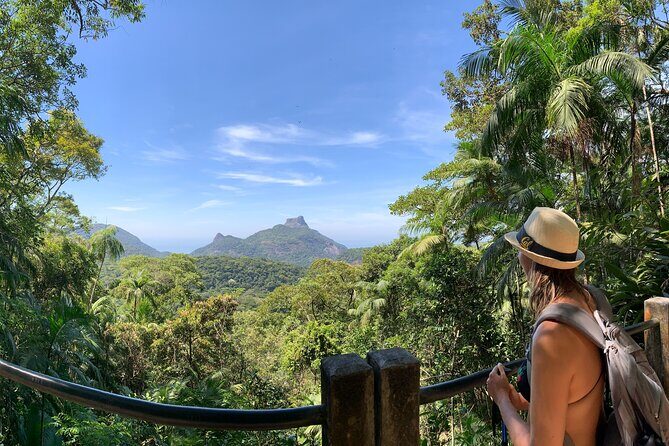
Tijuca Forest is one of those places where Rio’s energy feels far away. You trade traffic sounds for a forest rhythm: birds, insects, and the constant moisture of the Atlantic Rain Forest. This hike is designed to show you that change fast—within the first part of the walk, you’re already at dramatic water.
What makes it work for most people is the blend. You’re not doing one long “look but don’t touch” stroll. You get waterfall time, cave time, and enough trail variety to keep things interesting for the full 4–4.5 hours.
And because the group is limited to 10 travelers, the guide can actually move with the pace of the group. You’re more likely to stop when something small is worth noticing, rather than being dragged along for the next viewpoint.
You can also read our reviews of more hiking tours in Rio de Janeiro


Taunay Waterfall and the first forest moments at Cascatinha Taunay
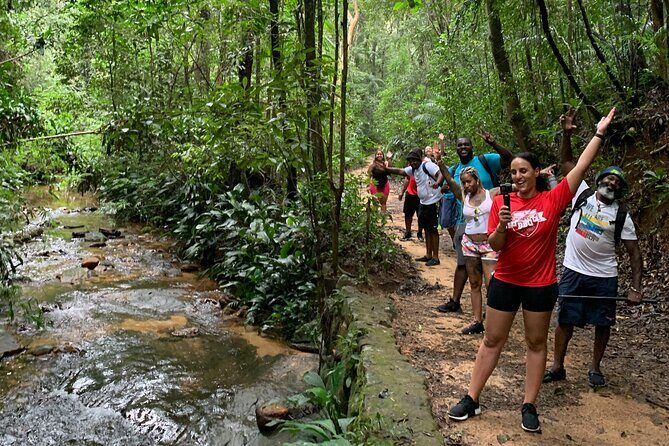
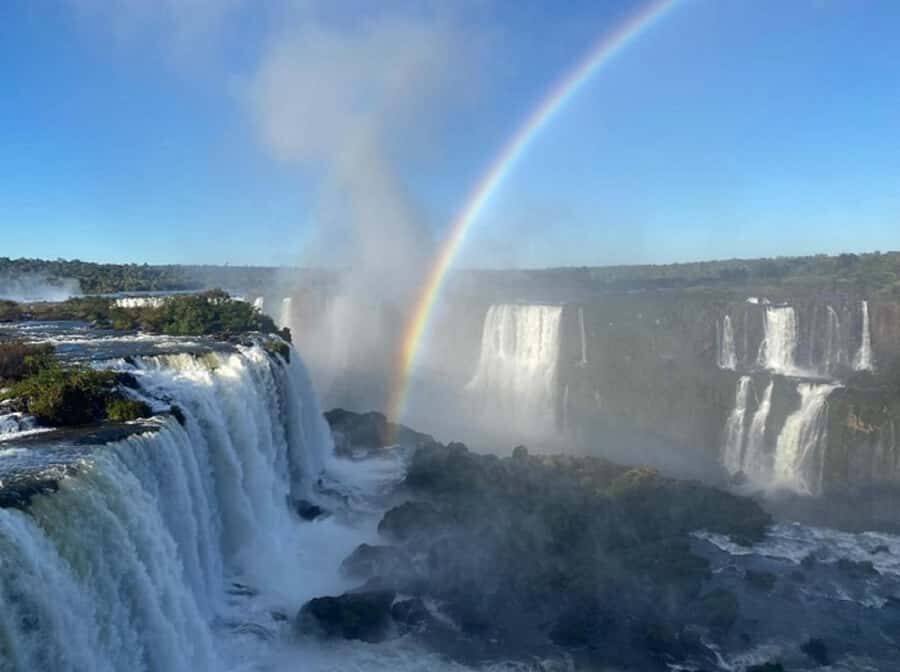
The hike begins with a front-row view of the park’s most famous cascade: Taunay Waterfall, known for its 35m free fall. Even if you’ve seen waterfalls before, this one hits different because it drops straight down with real force. It’s a perfect “start strong” moment, and it helps you get oriented in the park quickly.
From there, you continue deeper into the forest experience. You’ll also pass through key stops that add context, not just scenery—places that connect the forest you’re walking through with how people have used and shaped this area over time.
This early portion matters because it helps you match your expectations to what’s ahead. You’re heading into a damp, green environment where waterfalls are the main event, and caves are part of the adventure—not an optional detour.
Floresta da Tijuca and Capela Mayrink: where history meets the trail
One part of this hike I appreciate is the inclusion of Floresta da Tijuca, plus a stop at Capela Mayrink. These aren’t just named dots on a map. They help explain why Tijuca Forest feels like more than a scenic backdrop.
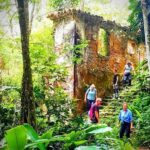
Floresta da Tijuca is tied to the park’s human footprint, including a historical building area that you pass as you move toward the cave trail. Capela Mayrink brings a different mood—less about water power and more about stillness and place. It’s the kind of contrast that makes a forest hike feel like a story, not just exercise.
If you like travel that gives you reasons behind what you see, this is a nice touch. You get the beauty, but you also get a sense of how people relate to this park.
Cachoeira das Almas: the waterfall stop that lets you cool off
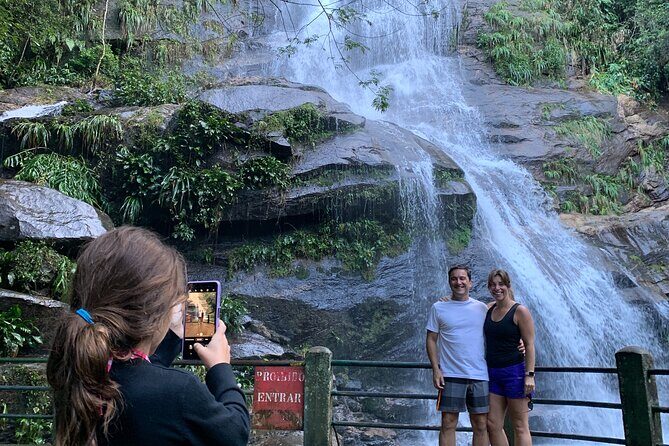
Your first big “water moment” is Cachoeira das Almas. This is the spot where you can cool off under the fall, which is a big deal in a humid forest. It turns the day from purely sightseeing into something more tactile and memorable.
Waterfalls in Tijuca are described as natural crystal water fed by the park’s water basins. That matters because it reinforces the idea that you’re not looking at staged attractions. You’re experiencing the park’s real water cycle, with the forest shaping the flow and the feel of the place.
This stop also helps you judge your comfort level for the rest of the route. If you’re good with short, active walking in damp conditions, the caves and additional falls will feel like a natural next step.
The Caves Trail: Belmiro, Archer, and Bats Caves (with safe footing)
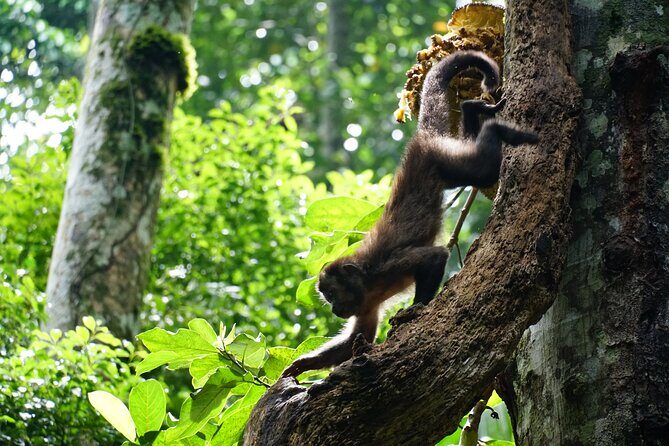
The cave portion is the main curveball in a good way. You’ll visit Belmiro, Archer, and Bats Caves, moving along a trail built for hikers. The key detail you should know: the caves visited are safe and do not pose danger to guests. That removes a lot of stress if you’re unsure about enclosed spaces.
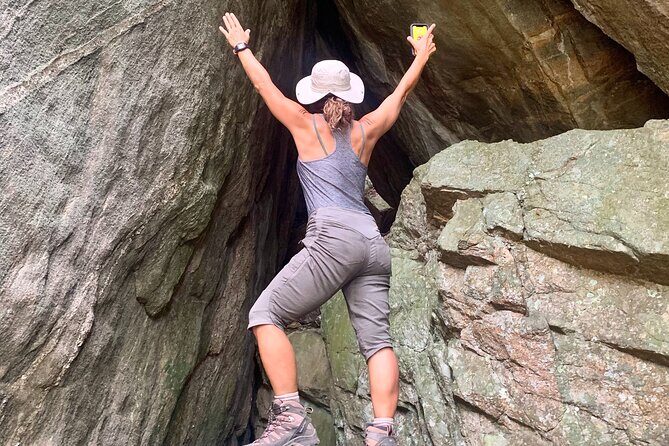
Inside the caves, the focus shifts from big views to texture. Expect to notice rocks and granit walls, and to slow down a bit as you follow the guide’s pace and instructions. Caves also change the sound and temperature. Even without getting overly dramatic about it, it’s simply a different micro-environment.
One practical tip: caves mean you’ll likely deal with damp surfaces. The overall hike includes humid and slippery soil in small patches, so wear shoes with grip and plan to move carefully, especially where the trail blends into stone.






Cristalina, Baronesa, and Gabriela: the second act of water
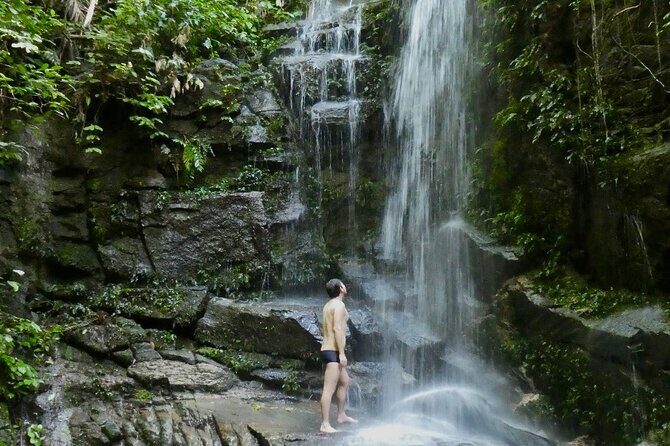
After the cave trail, the hike keeps the momentum with waterfall stops. You’ll reach Cristalina and Baronesa waterfalls, then hike back on a different path. That route change is underrated—switching paths keeps things from feeling like a repeat of the morning.
Then comes Gabriela fall, where you get time to relax. This is where the hike turns from “move, see, move” into “pause, snack, enjoy the forest” mode. You’re not expected to rush the last stretch.
If you’re the type who loves a good photo at a waterfall, this is also often where that pays off. In the reviews, guides like Alli and Lucas are praised for photo help—people mention them pointing out what to shoot and getting everyone good shots without making the group feel rushed.
Pacing, distance, and how to handle humid, slippery trails
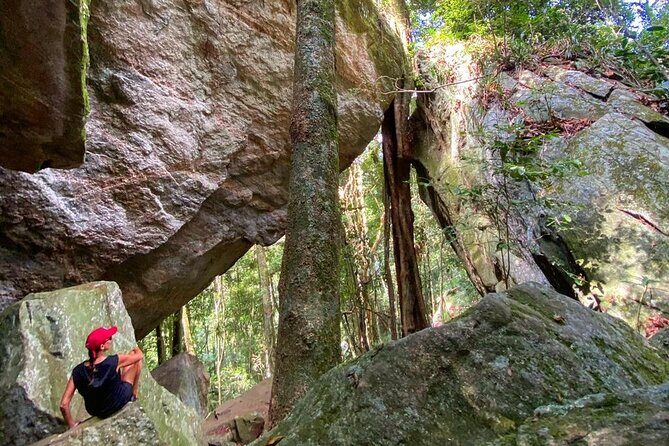
Let’s talk effort honestly. The trails are described as mostly easy, but the total hike is about 5.5 miles over around 4 hours of walking time. That’s enough distance that you’ll want a moderate fitness baseline, not because it’s a mountain climb, but because it’s continuous forest walking.
The other reality is the ground. You can expect humid, sometimes slippery soil, along with damp patches around waterfalls and cave areas. That’s why the hike works best when you treat it like a true walking day: keep your steps calm, use trekking poles if you like, and avoid sprinting between stops.
Good news: this is also the kind of hike where a small group helps. With max 10 travelers, the guide can slow down when the ground gets tricky, instead of forcing everyone forward like a conveyor belt.
Guides and photos: why Alli, Sergio, and Lucas get repeat praise
The biggest standout across the experience is the guide quality. People highlighted guides like Alli, Sergio, and Lucas for a mix of things that matter on a forest hike: they’re friendly, they manage the pace well, and they know what to point out.
A few themes show up clearly:
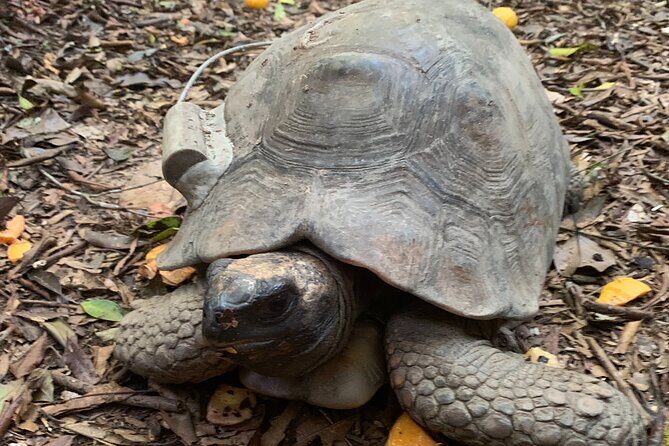
- The guide explains history, animals, plants, and insects, not just the main sights
- They’re patient with questions and with families (even when kids have lots of energy)
- They help with photos in a practical way, including suggestions for angles and timing
Alli gets mentioned specifically for warmth and perfect English, and Lucas shows up in praise for patience and taking awesome photos. Even with different guides across dates, the consistent pattern is clear: you’ll get more than a walk with a map—you’ll get a guide who makes the forest feel alive.
If photos are important to you, this is a smart choice. You’re in a natural setting where lighting and timing can be tricky, and the guide’s help can save you from standing in the wrong spot while the waterfall does its thing without you.
Price and value at $69.59: what you’re really paying for
At $69.59 per person, this hike lands in the “worth it if you care about guided nature” zone. What makes the value feel strong is that the price supports more than just a route.
You’re getting:
- A certified 5-star tour guide
- A first aid kit
- Optional walking sticks and small backpacks (upon request)
You’re also paying for access to a tight, organized sequence of stops—big waterfall views, a cave segment, and multiple cascades—within a single half-day outing. Since the group caps at 10, you’re not paying for mass-tour crowd management.
In other words, it’s not just the scenery. It’s the structure, safety mindset for caves, and the guide effort that turns the day into an experience you can actually remember.
Who should book this Tijuca Waterfalls and Caves hike?
This is a good fit if you:
- Want a small-group forest hike in Tijuca National Park
- Like waterfalls and also want something different, like caves
- Can handle 5.5 miles with some damp, slippery patches
- Enjoy learning about plants, animals, and insects as you walk
It might not be your best match if you’re looking for a very gentle stroll with minimal walking, or if damp, uneven ground would be a problem for you. Also keep in mind the trip depends on weather—this experience requires good conditions.
Should you book this Tijuca Forest hike?
If you want a half-day that mixes major waterfall moments with cave exploration, I’d book it. The small group size, the safety-first cave approach, and the guide talent for both nature spotting and photos are the big reasons this stands out. Just plan around real hiking conditions: good shoes, careful steps on wet ground, and a moderate fitness level.
If you’re the type who likes your travel with context—history stops like Capela Mayrink and the park’s story woven into the day—this hike rewards that curiosity too.
FAQ
How long is the Tijuca Forest hike?
The hike lasts about 4 hours, and the full experience time is approximately 4 hours 30 minutes.
What is the hiking distance?
You’ll hike about 5.5 miles total.
Where does the tour start, and where does it end?
It starts at Praça Afonso Viseu – Alto da Boa Vista, Rio de Janeiro – RJ, 20531, Brazil and ends back at the meeting point.
How many people are in the group?
The maximum group size is 10 travelers.
What waterfalls and caves are included?
You’ll see Taunay Waterfall, Cachoeira das Almas, Cristalina, Baronesa, and Gabriela fall, plus the Belmiro, Archer, and Bats Caves.
Are the cave visits safe?
Yes. The caves visited are described as safe and not posing danger to guests.
How difficult is the hike?
Trails are mostly easy, but you should have a moderate physical fitness level. There are small parts with humid and slippery soil.
What’s included in the price?
The tour includes walking sticks and small backpacks upon request, a certified 5-star tour guide, and a first aid kit.
What happens if the weather is bad?
This experience requires good weather. If it’s canceled due to poor weather, you’ll be offered a different date or a full refund.
Can I cancel for free?
Yes. You can cancel for a full refund up to 24 hours before the experience starts. If you cancel less than 24 hours before, the amount paid is not refunded.