REVIEW · MANAUS
From Manaus: 3 or 4-Day Rio Negro & Anavilhanas River Cruise
Book on GetYourGuide →Operated by Amazon Amazing Tours · Bookable on GetYourGuide
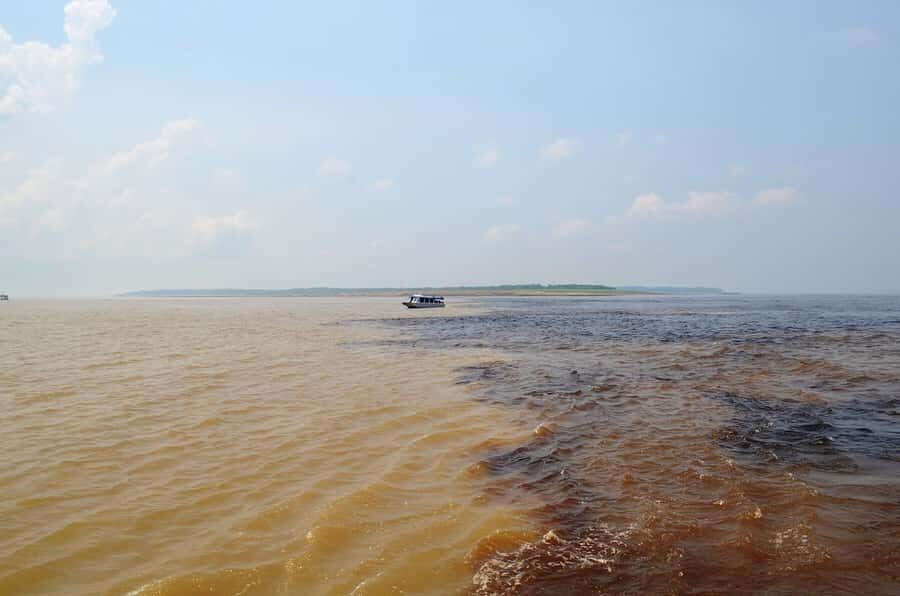
Sleeping on the Amazon slows time. On this 3–4 day Rio Negro cruise from Manaus, you trade hotel comfort for a traditional Amazon-built boat, then spend your days on jungle trails and river stops like Janauri Ecological Park and the Anavilhanas Archipelago. I especially like the chance to swim in Acajatuba Lake with pink and grey river dolphins, and the way the hikes put you near giant Samauma trees and water lilies.
The main thing to know upfront: this is not a cruise ship. You’ll sleep in hammocks or a small cabin, and the boat experience is basic with limited privacy—something that can feel charming for some people and annoying for others.
In This Review
- Key highlights that make this cruise worth it
- From Manaus: a traditional boat, hammocks, and the real Amazon pace
- Day 1: Janauri Ecological Park jungle hike and dolphin swim at Acajatuba Lake
- Day 2: Anavilhanas Archipelago at sunrise, piranha fishing, and night alligators
- Day 3 (3-day option): manioc with a native family and tropical fruit trees
- Day 3 (4-day option): canoe wildlife and survival-style jungle learning
- Day 4 (4-day option): Tupé beach, indigenous community dances, and a 5 PM return
- Meals on board: Amazon dishes, practical expectations, and what to pack
- Guides, wildlife spotting, and how the explanations affect your day
- Value for $600: why it can be fair, and when it might disappoint
- Who should book this cruise (and who should skip it)
- Should you book: my take on the Rio Negro and Anavilhanas cruise
- FAQ
- What is the duration of the Rio Negro & Anavilhanas cruise from Manaus?
- How many people are on the boat tour?
- What type of lodging do I get: cabin or hammock?
- What activities are included in the itinerary?
- Are meals included, and are dietary options available?
- What languages do the guides speak?
- Do I need to bring my own personal items?
- Is cancellation free?
Key highlights that make this cruise worth it
- Pink and grey river dolphins at Acajatuba Lake on Day 1, plus alligator sightings around the stops
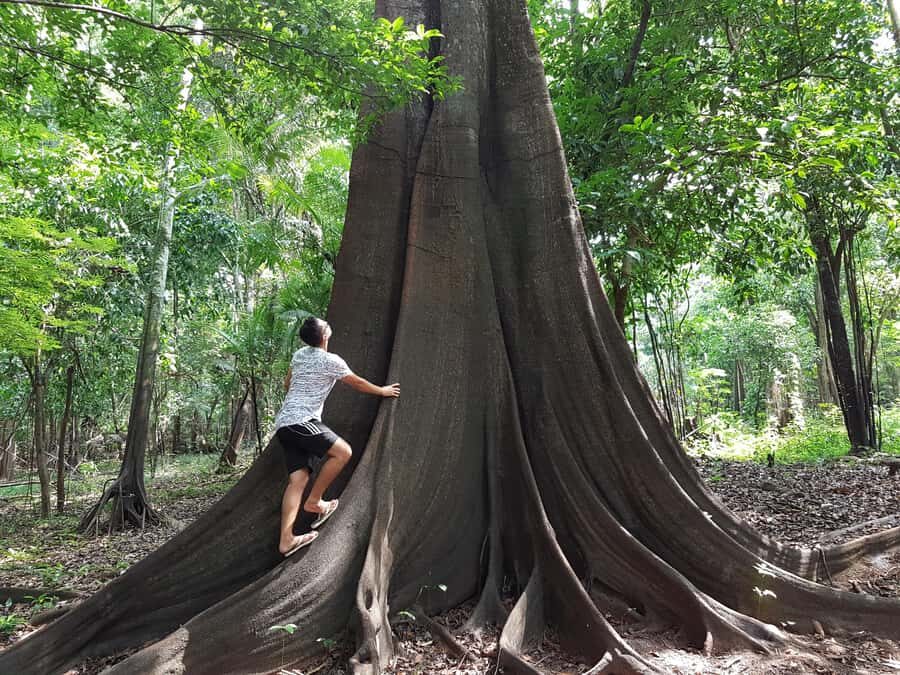
- Janauri Ecological Park hike with big-tree and water-lily sightings (Samauma trees and giant water lilies)
- Sunrise in the Anavilhanas Archipelago for wildlife and a hike before fishing
- Two different Day 3 paths: manioc and tropical fruit with a native family (3-day) or a canoe wildlife/survival focus (4-day)
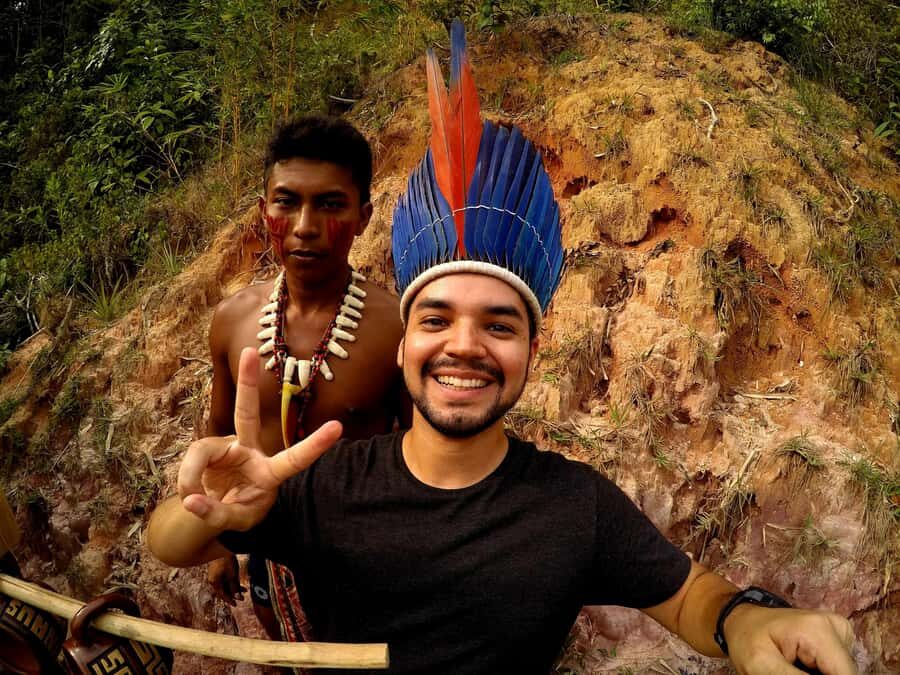
- A real community evening at the end, with indigenous dances after a Tupé beach stop
- Small group feel (limited to 10 participants), even though the boat can hold more hammocks
From Manaus: a traditional boat, hammocks, and the real Amazon pace
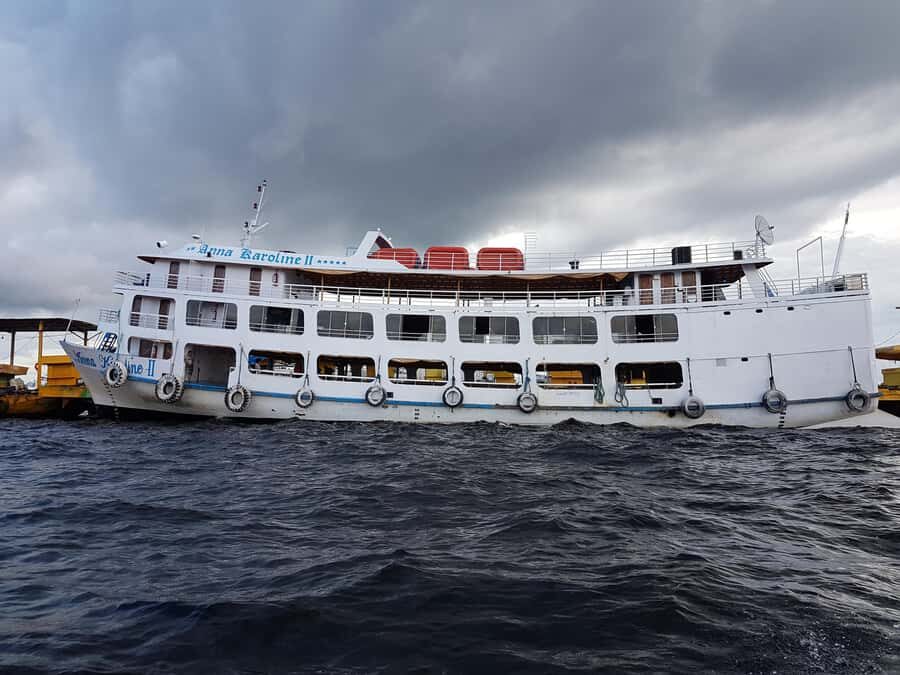
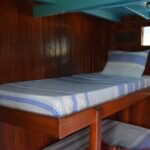
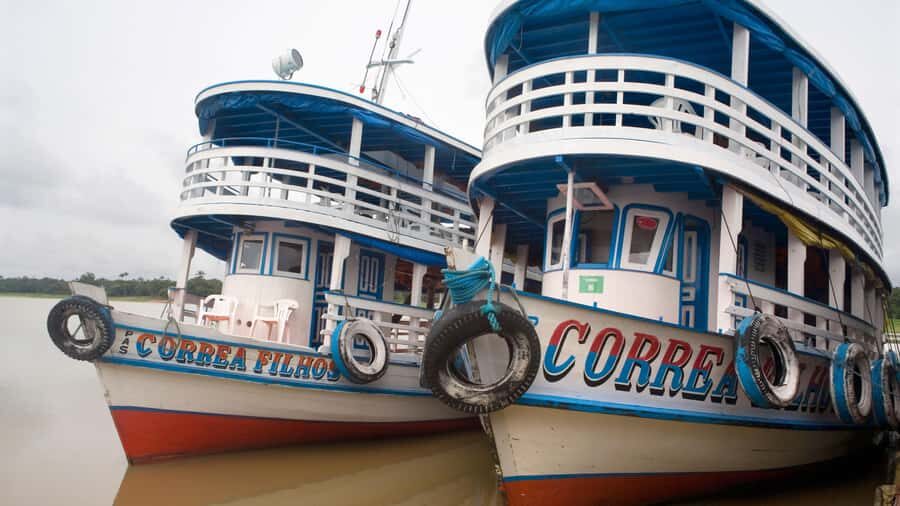
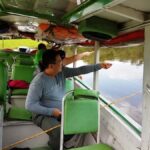
You start in Manaus with hotel pick-up, then you move onto a working river boat that’s built using traditional Amazon techniques. It’s about 50 feet long and nearly 10 feet tall, with a simple layout: a kitchen, at least two bathrooms, a small cabin with two twin beds, and a deck area where meals and observation happen.
Here’s the practical part: if you choose hammocks, you’ll likely be sleeping close to other travelers and close to the sounds of the river and jungle. The upper area is used for meals and watching, but you can also tie a hammock there. That means you’re not “disappearing” into a private room like on a typical tour. The upside is you’re always part of the same slow rhythm—boat creaks, jungle noise, and sunset light.
If you’re one of the people who loved seeing everything quickly, you’ll appreciate how efficient the schedule is across the days. If you’re the type who needs quiet and space, that limited privacy is the trade-off for getting this kind of access on the Rio Negro.
You can also read our reviews of more boat tours in Manaus
Day 1: Janauri Ecological Park jungle hike and dolphin swim at Acajatuba Lake
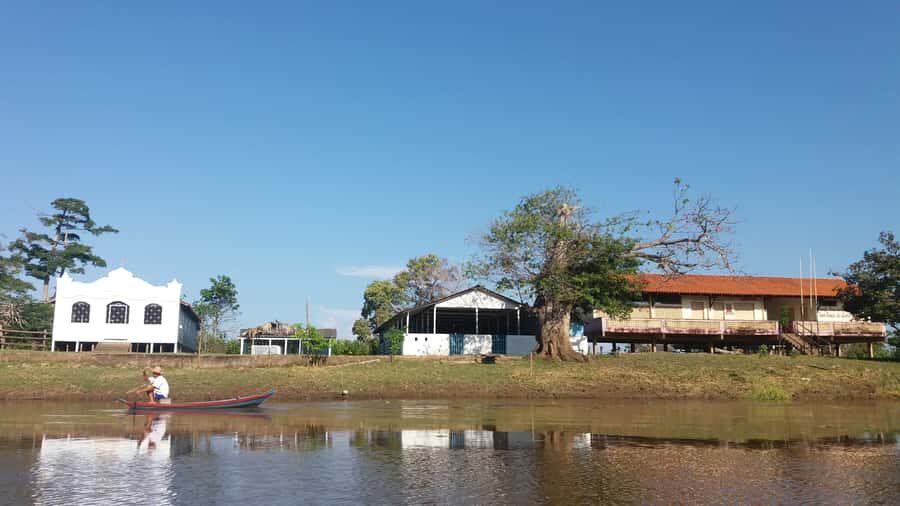
Day 1 is built like a classic “Amazon introduction” day: park hike first, water wildlife next.
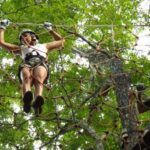
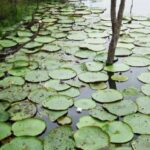
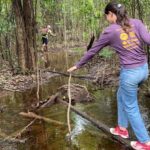
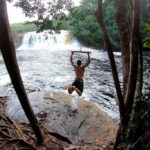
After pick-up in Manaus, you head by boat to Janauri Ecological Park. Then comes a jungle hike where you’re looking for huge Samauma trees, giant water lilies, and alligators. This is a good day for people who like guided nature walks where the guide points out what you’d otherwise miss—tree scale, plant shapes, and animal presence.
Lunch comes first, then you’re back on the water for Acajatuba Lake. This is where the itinerary delivers its headline moment: you’ll swim with pink and grey river dolphins. Even if you’ve never done a guided water activity like this, the structure here is straightforward: you’re there for the swim during the day, then you settle in for dinner afterward.
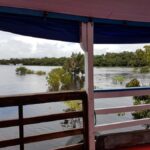
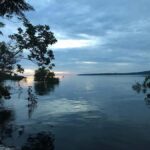
As evening sets in, you also get that classic Amazon boat feeling—sunset cocktails on the upper deck while the jungle soundtrack takes over. This is one of those times when you stop thinking about logistics and just watch the river change color.
Day 2: Anavilhanas Archipelago at sunrise, piranha fishing, and night alligators
Day 2 starts early with a sunrise tour to the Anavilhanas Archipelago. Sunrise matters in this region. Light is softer, wildlife activity tends to be stronger early, and you get that “the river is waking up” feeling instead of the harsher midday glare.
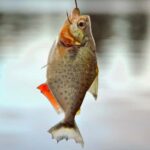
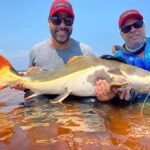
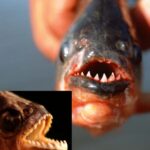
You’ll do a hike at the archipelago, then switch from walking to fishing. The plan includes fishing for piranha and other fish. This isn’t just a stunt stop—you’re learning what the local river system supports and how people interact with that food chain.
Then you come back for dinner, and the day ends with something you don’t forget: spotting alligators in their natural habitat. The timing here is key. With animals like this, you’re not forcing closeness—you’re watching from the right angle and moment, when they’re active and visible without turning it into chaos.
If you’re hoping for a day that feels more “active” than “showy,” Day 2 is it. You move from hike to water to fishing, then into night wildlife observation.
Day 3 (3-day option): manioc with a native family and tropical fruit trees
If you choose the 3-day version, Day 3 shifts from river wildlife into food and everyday knowledge.
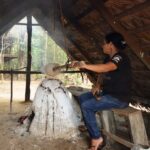
You’ll visit a native family to observe manioc production. Manioc is a central crop in Amazon life, and seeing how it’s processed gives you context for what you’ve been eating while on the boat. You also get to see tropical fruit trees—another helpful reality check that this isn’t just rainforest as scenery. It’s a working landscape.
After that, you return to Manaus with an arrival time of 5:00 PM. That late-afternoon return is nice because it prevents the final day from feeling rushed or exhausting, especially if you have onward travel plans.
Day 3 (4-day option): canoe wildlife and survival-style jungle learning
Pick the 4-day cruise and Day 3 becomes more of a wildlife-and-skills day.
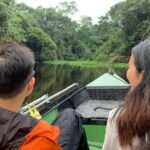
You’ll look for monkeys and sloths from a canoe. This change of transport is more than a scenic bonus. Canoes let you slip through quieter sections where animals may feel less disturbed, and you often spot movement easier when you’re sitting lower and moving slowly.
Then you learn survival techniques for the jungle. The exact lessons can vary by guide and conditions, but the intention is clear: you’re not just collecting photos. You’re getting the logic of how people move and think in this environment—how to handle basics when you’re far from roads and convenience stores.
Day 4 (4-day option): Tupé beach, indigenous community dances, and a 5 PM return
Day 4 is your culture-and-water finish. You start by exploring Tupé beach. It’s a good contrast to the earlier jungle hours: you get open space, water views, and a more relaxed feel before the next stop.
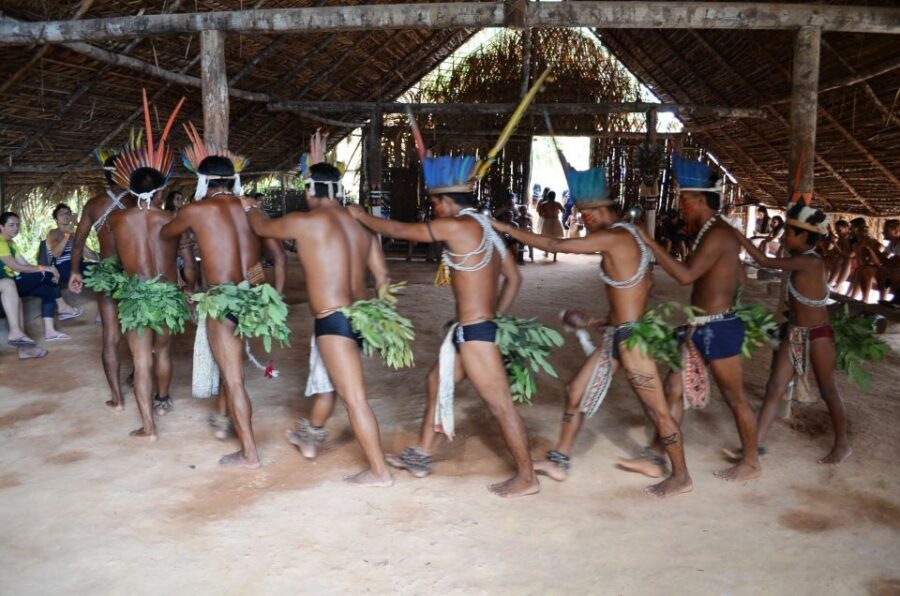
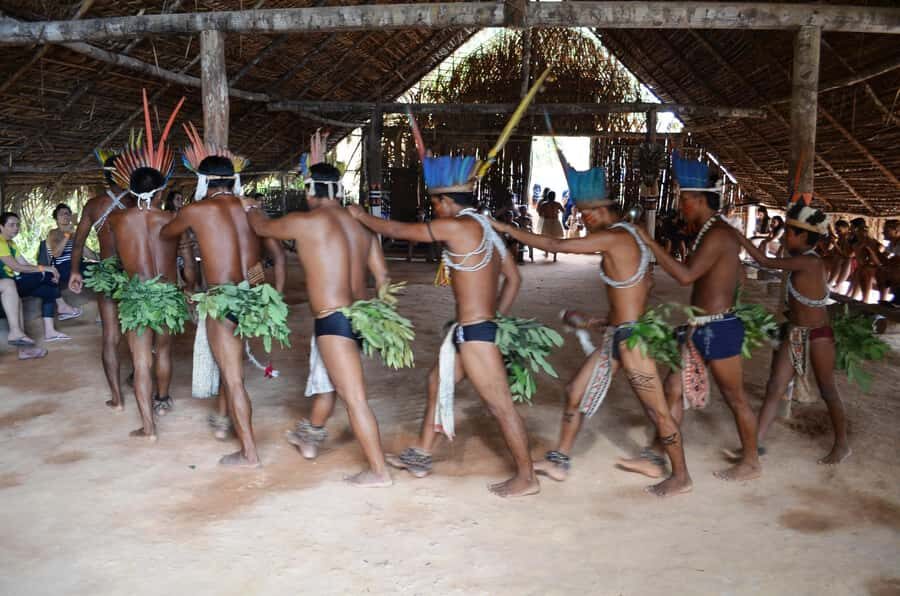
Then you visit an indigenous community where you’ll see tribal dances. This isn’t presented as a museum performance. It’s a living tradition you witness with your guide’s help, and it lands well after several days of learning about plants, animals, and river life.
You wrap up back in Manaus at 5:00 PM.
Meals on board: Amazon dishes, practical expectations, and what to pack
The local crew prepares typical Amazon dishes for your breakfasts, lunches, and dinners. In past experiences of this style, what stands out most is not fancy presentation—it’s that the meals are built around local ingredients and the rhythm of the river day.
One important note: vegetarian, halal, and kosher dishes are not available. If you eat those ways, this trip won’t match your needs. Plan accordingly before you book.
What you should pack also matters more than you might think. Bring your own personal goods, cameras, sunscreen, shades, and hygienic items. Also bring something to lock up valuables, since you’re responsible for locking your own documents and valuables onboard.
And if you sleep in a hammock: mosquito nets are available to purchase in Manaus for around USD 5. That’s a small add-on that can make your nights much easier.
Guides, wildlife spotting, and how the explanations affect your day
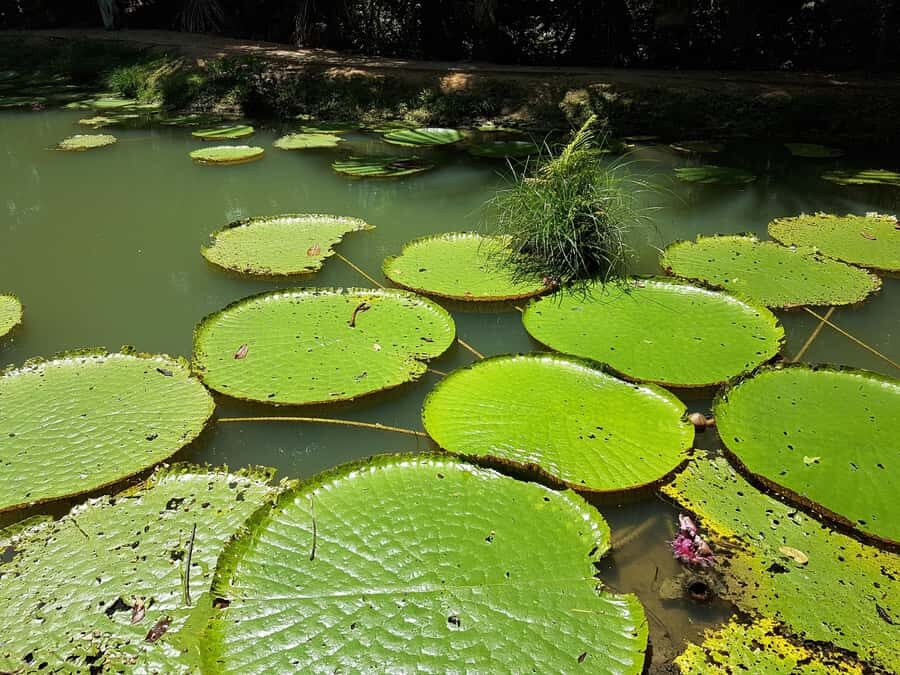
The experience leans heavily on your guide’s ability to spot animals and explain what you’re seeing. In the best moments, the guide turns random branches and ripples into something meaningful—what plant you’re looking at, why the water lilies are where they are, or how to read animal movement on the river.
The language options are Spanish, English, Portuguese. There’s also mention of native bilingual guides at excursions, which is a big deal here. If you speak even basic language terms, it can help you keep up with explanations while you’re also watching the jungle.
One name that shows up in standout feedback is guide Anailson, who’s praised alongside the captain and cook for helping make the trip memorable. That matters because on a small, rustic boat, guide energy can turn a hard day into a great one.
At the same time, this is expedition-style travel in changing jungle conditions. The schedule can shift depending on what’s possible that day, and the best moments may come from staying flexible rather than expecting every stop to run like a clock.
Value for $600: why it can be fair, and when it might disappoint
At about $600 per person for a 3–4 day cruise, you’re paying for access: the boat ride, the small-group guidance, multiple wildlife-focused stops, and meals and water included.
What’s included:
- hotel pick-up and transfers
- cabin or hammock accommodation
- breakfast, lunch, and dinner
- mineral water
- all excursions with native bilingual guides
What’s not included:
- soft drinks, fizzy drinks, and alcoholic beverages (available for purchase)
So where does the value come from? From combining things that cost money separately. In a typical setup, you’d pay for guided park time, boat transport up the Rio Negro, and separate wildlife activities. Here, those pieces are bundled into one trip.
Where it can fall short for some people is the “comfort expectations” gap. A few people love that the boat is simple and nature-forward. Others get frustrated by limited privacy and basic conditions. If you’re sensitive to cleanliness, strong smells, or mechanical wear, this kind of boat trip may not feel worth it at any price—especially compared with more polished tours.
Who should book this cruise (and who should skip it)
This cruise fits best if you:
- want hands-on nature time: hikes, river spotting, and real animal encounters
- can hike and climb (that’s required)
- are fine with rustic sleeping in hammocks or a small cabin
- want small-group guidance and don’t need constant entertainment
You should think twice if you:
- need vegetarian, halal, or kosher meals (not available)
- require full privacy, hotel-level cleanliness, or cabin comfort
- have limited mobility or struggle with physical stops on uneven jungle terrain
- get easily unsettled by a working boat environment
Should you book: my take on the Rio Negro and Anavilhanas cruise
If you’re chasing authenticity and you like your travel a little rough around the edges, I think this cruise is a strong choice. The combination is hard to beat: Janauri Ecological Park with big-tree jungle hiking, a dolphin swim moment at Acajatuba Lake, sunrise time at Anavilhanas, and an ending that includes indigenous dance.
If you know you’re picky about comfort and cleanliness, then book only if you’re genuinely prepared for basic conditions and you pack your own hygiene and sun protection. This trip is built for people who come to experience the Amazon, not to recreate a hotel on water.
FAQ
What is the duration of the Rio Negro & Anavilhanas cruise from Manaus?
The cruise runs for either 3 days or 4 days, depending on the option you pick.
How many people are on the boat tour?
The tour is described as a small group limited to 10 participants.
What type of lodging do I get: cabin or hammock?
You can stay either in a cabin with two twin beds or in a hammock. If you choose hammocks, the experience may also include using mosquito nets that you can buy in Manaus.
What activities are included in the itinerary?
The trip includes a Rio Negro cruise to Janauri Ecological Park, jungle hikes, an Acajatuba Lake dolphin swim, an Anavilhanas sunrise tour with a hike, fishing, alligator spotting, and additional culture/nature stops depending on whether you choose the 3-day or 4-day option.
Are meals included, and are dietary options available?
Breakfast, lunch, and dinner are included, along with mineral water. Vegetarian, halal, and kosher dishes are not available.
What languages do the guides speak?
The tour includes live guidance in Spanish, English, and Portuguese.
Do I need to bring my own personal items?
Yes. You should bring personal goods such as cameras, sunscreen, shades, and hygienic items. You’ll also need to lock your own documents and valuables.
Is cancellation free?
You can cancel up to 24 hours in advance for a full refund.