REVIEW · SAO PAULO
From São Paulo: Santos and Guarujá Private Full-Day Tour
Book on GetYourGuide →Operated by LP FASSI SIMARDI VIAGENS E TURISMO ME · Bookable on GetYourGuide
That ferry-from-the-city feeling starts early. This private day links Santos port + coffee history with Guarujá’s easygoing beach time, all with door-to-door comfort. I like the mix of grounded, real-world sights—containers, cargo ships, and the immigrant story—plus time to actually enjoy the coast at a sane pace. The one thing to plan for: museum entry and food aren’t included, so you’ll want a budget for tickets and your seafood lunch.
You start with hotel pickup in São Paulo and a smooth, air-conditioned ride (about an hour) through wide stretches of Atlantic Forest. Once you reach Santos, the day stays practical: a bilingual guide, a clear route through the main sights, and just enough freedom for photos without feeling rushed.
Then comes the fun pivot—ferry time to Guarujá on Santo Amaro Island. The payoff is a coastal day built around lookout points and beaches where you can wade in easily. It’s a full day at 8 hours, so comfortable shoes and sun protection are not optional.
In This Review
- Key things I’d circle before you go
- São Paulo to Santos in air-conditioned comfort (and why that matters)
- The Port of Santos: seeing Latin America’s shipping scale up close
- Coffee Museum inside Santos’s old Coffee Stock Exchange
- Santos city highlights: historic center plus outer neighborhoods
- Ferry to Guarujá: a simple ride that changes the mood
- Guarujá beaches and the seafood lunch stop
- Private group pacing: how the guide shapes the experience
- Price and logistics: why $470 can still feel fair
- What to bring (so the day feels easy)
- Who should book this tour, and who might want something else
- Should you book this Santos and Guarujá private full-day tour?
- FAQ
- FAQ
- How long is the Santos and Guarujá private full-day tour?
- Does the tour include hotel pickup and drop-off in São Paulo?
- Is the Coffee Museum entrance fee included?
- Are meals and drinks included?
- What languages are available for the guide?
- Is the tour private?
- Is the tour wheelchair accessible?
Key things I’d circle before you go
- Coffee Museum inside Santos’s former Coffee Stock Exchange: you’ll connect coffee money to what the city looks like today.
- Port of Santos visuals without the big-city chaos: containers and cargo vessels make the scale obvious fast.
- Ferry to Guarujá from Santo Amaro Island: a quick change of scenery that feels like a mini vacation.
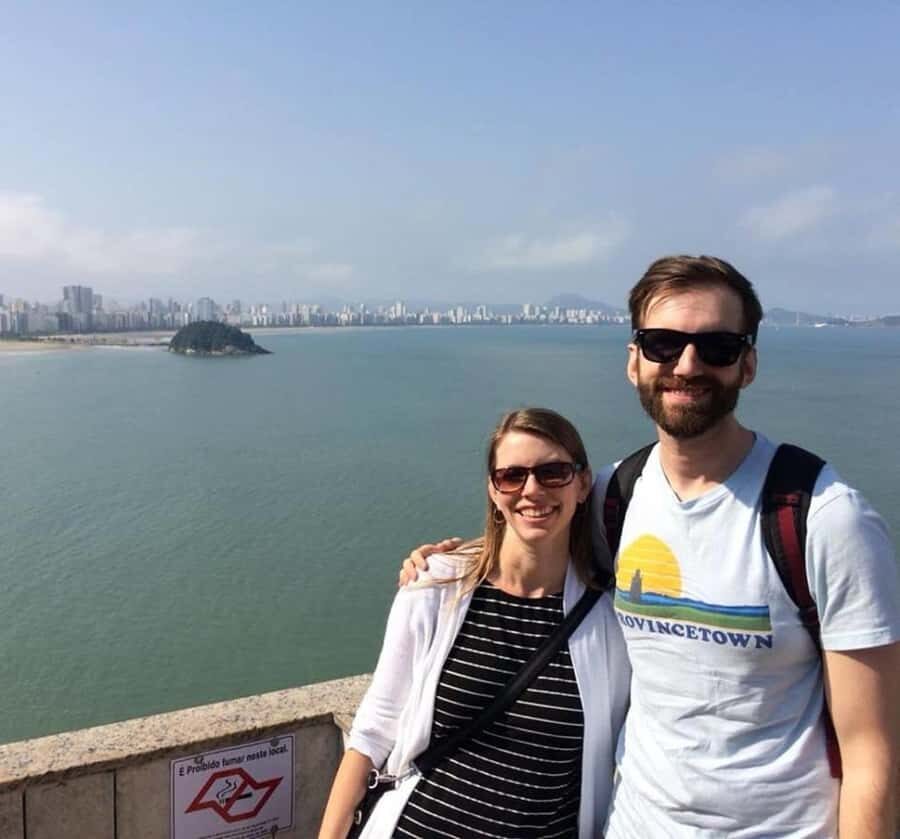
- Lookout points for photos: you’re set up to capture the coastline without needing local navigation.
- Guarujá’s beaches with good wading: great if you want water time that feels easy.
- Seafood lunch stop in a local restaurant: you get the coastal food experience even with a tight schedule.
São Paulo to Santos in air-conditioned comfort (and why that matters)
The tour’s rhythm is built around one smart idea: save your energy for sightseeing. Hotel pickup in São Paulo means you’re not spending the morning figuring out transit routes or timing. Then you settle into an air-conditioned vehicle for the drive to the coast, about 80 kilometers away.
That roughly one-hour ride through the Atlantic Forest sections is more than a transfer. It’s the first hint that the day will switch gears—from city life to maritime life. If you’ve only ever known São Paulo as traffic and concrete, this route gives you a visual reset before Santos pulls you into the industrial port world.
One practical note: this is a full-day outing at 8 hours. Even though the driving is handled for you, you’ll still want to pace yourself. I recommend wearing shoes you can walk in for a city walk, not just comfort for sitting. And if you’re sensitive to sun, bring your hat and sunglasses from the start—Guarujá will not wait for you to prepare.
You can also read our reviews of more private tours in Sao Paulo
The Port of Santos: seeing Latin America’s shipping scale up close
Santos isn’t a “pretty postcard” town first. It’s a port town first. The Port of Santos is described as the largest maritime port in Latin America, and the scale shows immediately when you arrive.
What I like about this stop is how visual it is. When you’re standing near cargo areas and seeing shipping containers and cargo vessels, the economic story becomes tangible. The guide connects that to the late 19th-century waves of immigrants who arrived in Brazil to work on major coffee plantations. In other words, you’re not just looking at ships—you’re seeing how coffee and labor moved through global networks.
This is also where the tour earns its value. You can read about trade routes or watch port videos, but nothing beats being there. The port also helps you understand why Santos developed the way it did: it was built for movement, shipping, and work.
A possible drawback: if you expect beaches all day, the port will feel heavy at first. Keep an open mind. Think of it as the backbone of the day. Once you shift to Guarujá later, the contrast becomes satisfying.
Coffee Museum inside Santos’s old Coffee Stock Exchange
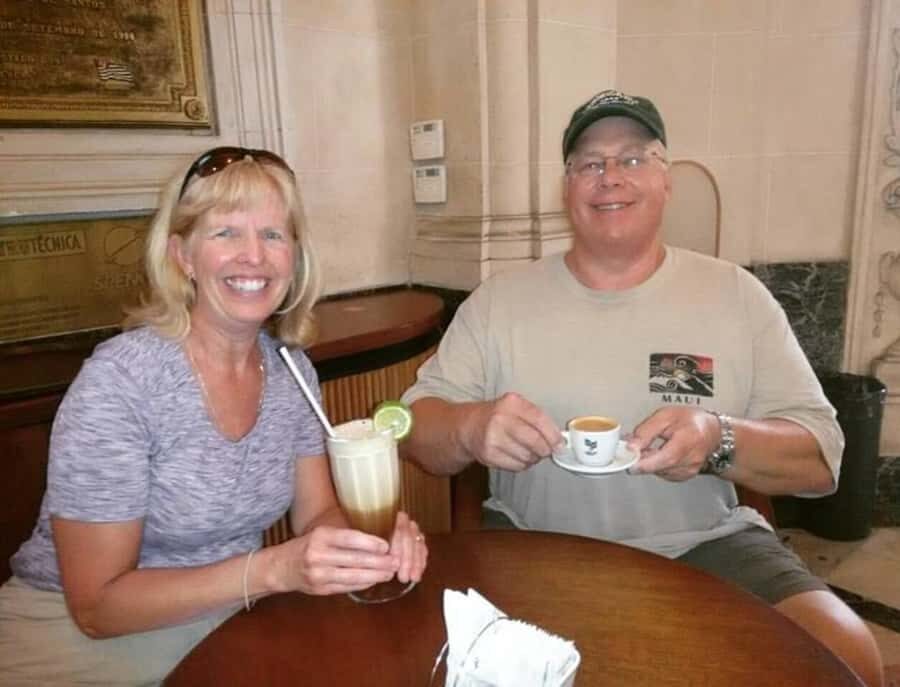
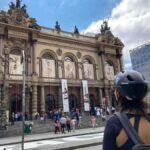
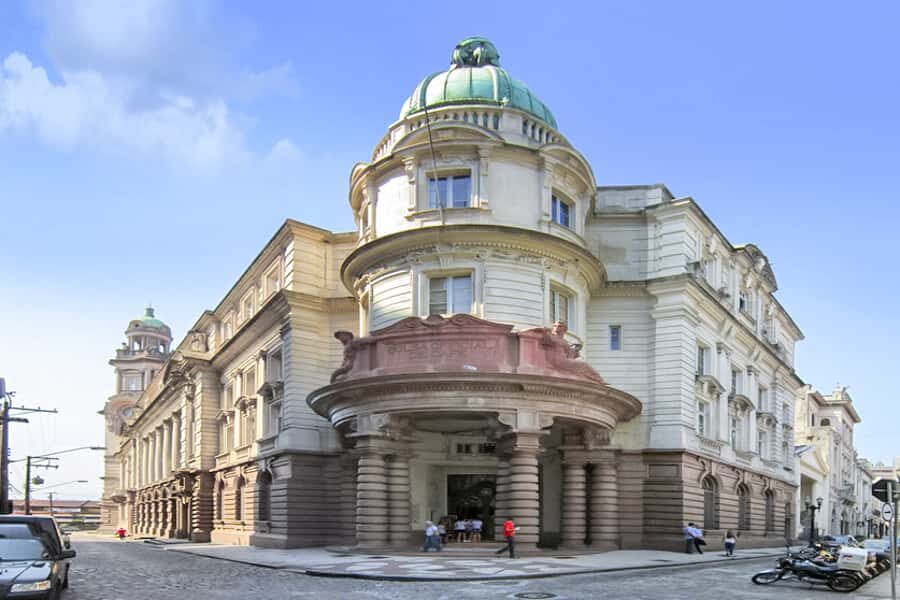
If you’re curious why coffee shaped everything, this stop is your anchor. The tour includes a visit to the Coffee Museum, housed in the former Coffee Stock Exchange.
This is the kind of museum that makes sense even if you’re not a museum person. The coffee story isn’t floating in abstract history—it’s tied directly to real buildings and real money systems. The former exchange building is part of the message: coffee production wasn’t just farmland. It influenced local customs, local figures, and the way Santos (and the wider São Paulo state) grew.
Two useful tips help you get more from the visit:
- Bring a camera and expect you’ll want photos of the setting. The historic building context matters here.
- Keep your questions ready for your guide. The tour is set up to connect the coffee production story to daily life and the immigrant arrival period.
One budget consideration: museum entrance fees are not included. That’s not a dealbreaker, but it’s an easy surprise if you assume everything is covered. If you want a smooth day, plan for at least one extra line item for tickets.
Santos city highlights: historic center plus outer neighborhoods
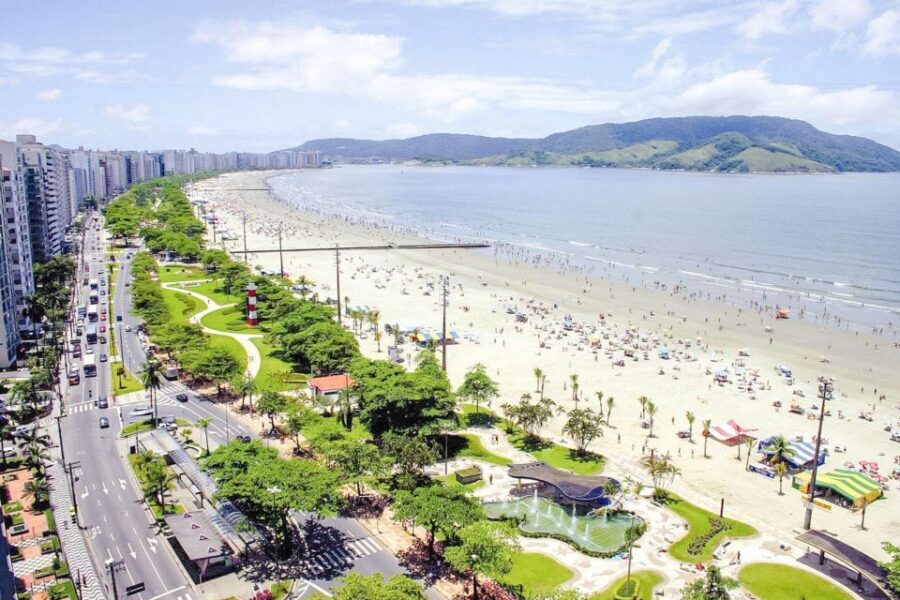
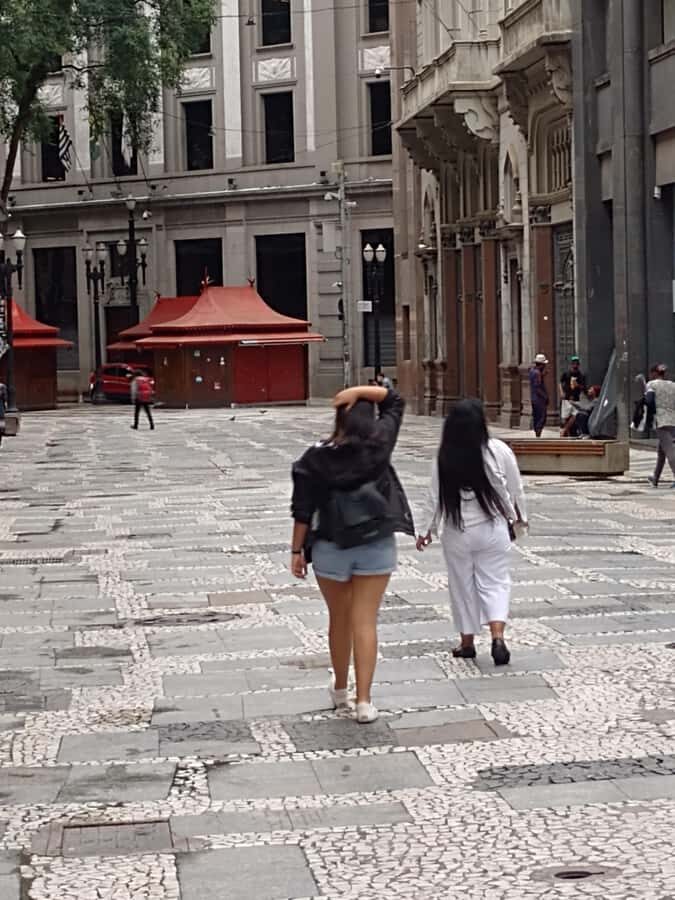
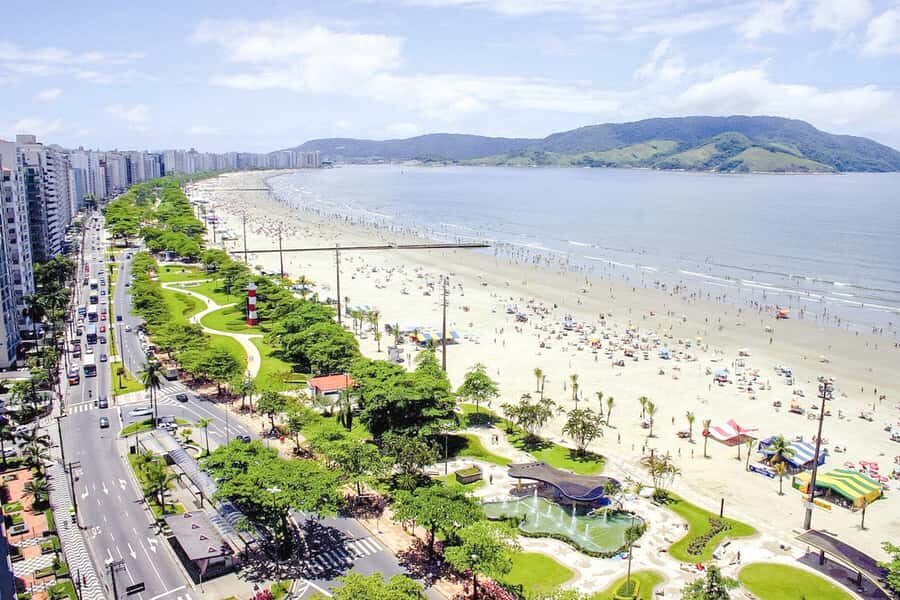
After the port and coffee connection, you move into a guided exploration of Santos’s main tourist attractions. The tour describes coverage both in the historic city center and on the edges of the city.
This is a smart approach for a short, private day. A city walk that only stays in one zone can feel thin. By seeing different parts of Santos, you get a better sense of how the past and present overlap. You’ll also better understand why the guide keeps tying back to coffee influence and local characters—because you can physically see different layers of the city’s development.
What to watch for:
- Wear comfortable shoes. You’ll be walking through enough areas that flip-flops will turn into a regret.
- If you’re the type who likes slow photo stops, tell the guide early. With a private group, you can usually adjust without derailing everything.
Even if you’re not a history nerd, the story stays practical: coffee production drove work patterns, immigration flows, and the city’s growth. That’s why this part works—it’s not trivia for trivia’s sake.
Ferry to Guarujá: a simple ride that changes the mood
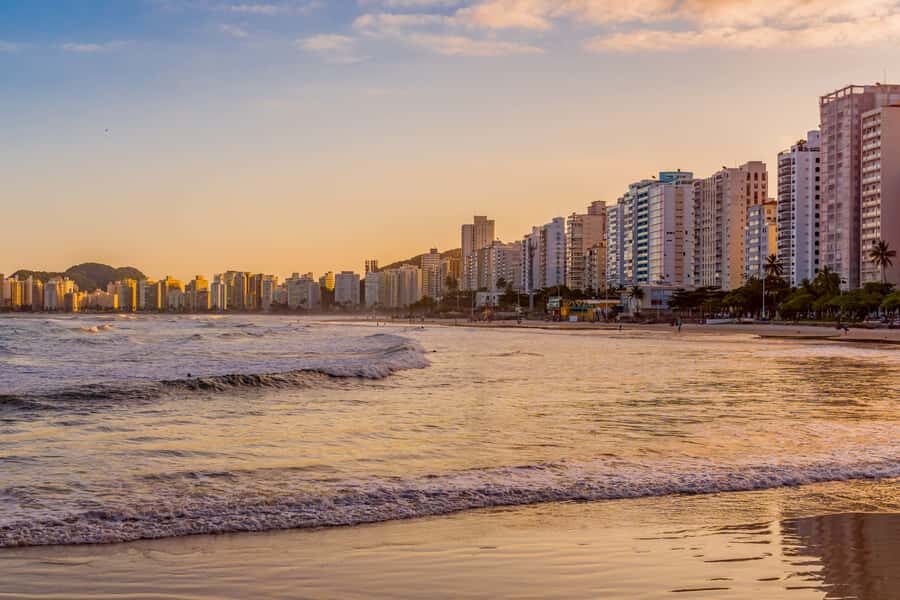
Then the day changes from “port and story” to “coast and views.” You take the ferry to Guarujá from Santo Amaro Island.
Ferry rides in coastal Brazil can be more than transport. They act like a mental switch. One moment you’re in Santos with shipping-scale sights, and the next you’re moving toward a beach destination where the sea air resets your senses.
From Guarujá, the tour is oriented toward what matters for a beach day:
- beaches
- restaurants
- lookout points
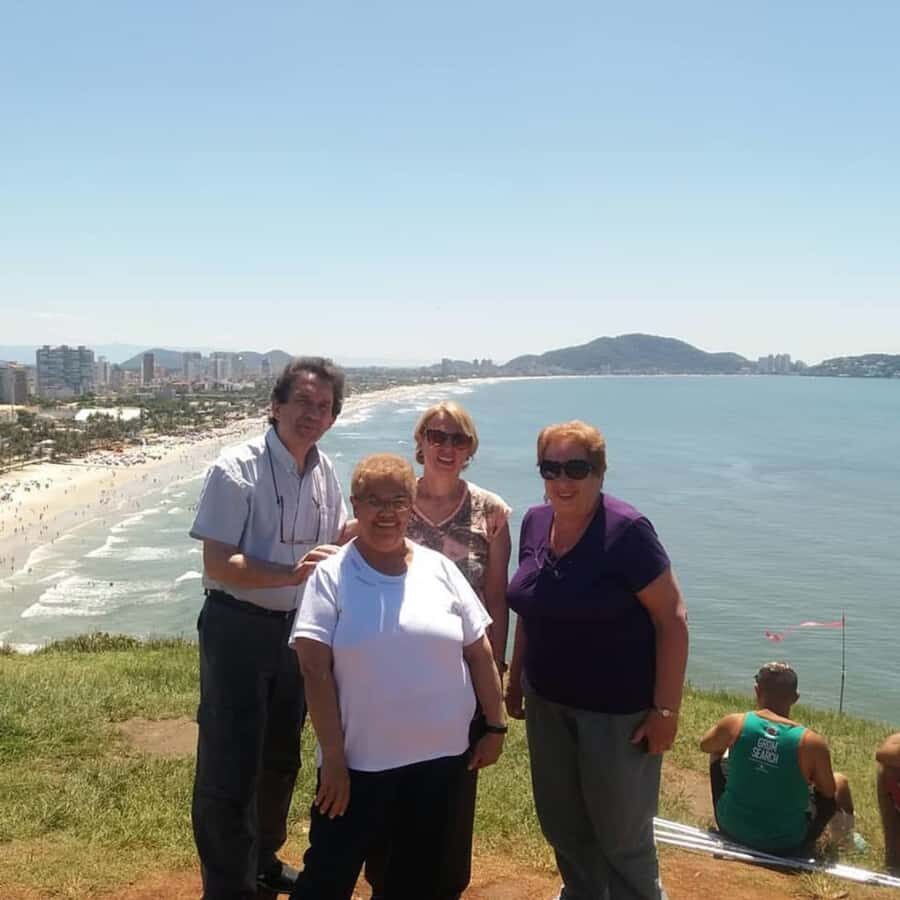
A lookout point stop is included specifically so you get amazing views and souvenir photos. Even if you’re not into scenic viewpoints, this is one of those times where the short effort pays off. Coastal towns are hard to “get” from street level, and the tour uses the elevation to help you understand the shoreline layout quickly.
A few more Sao Paulo tours and experiences worth a look
Guarujá beaches and the seafood lunch stop
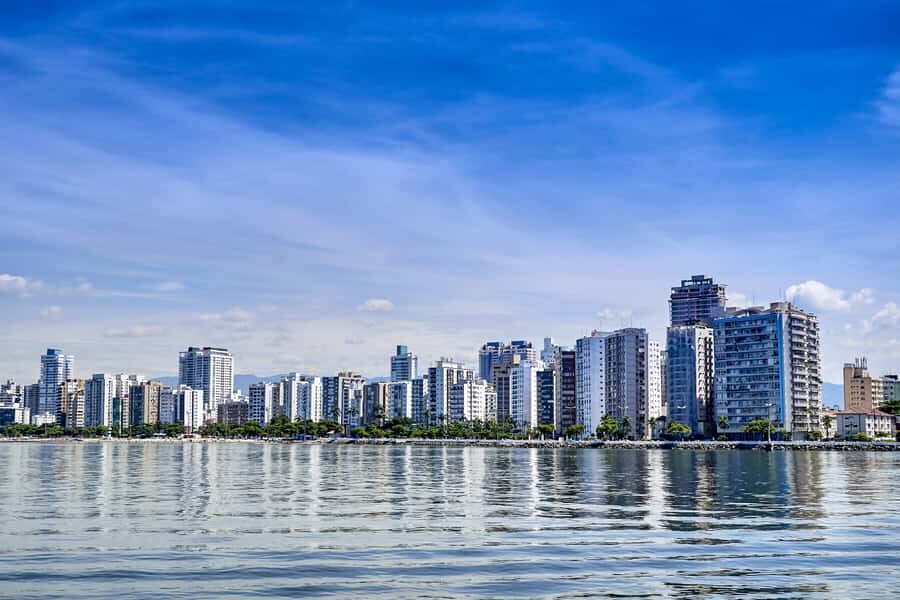
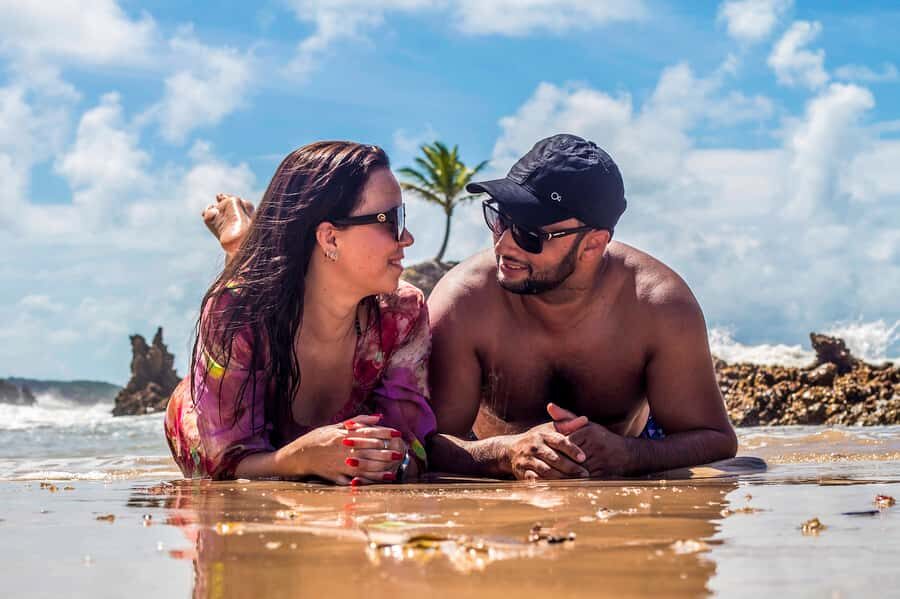
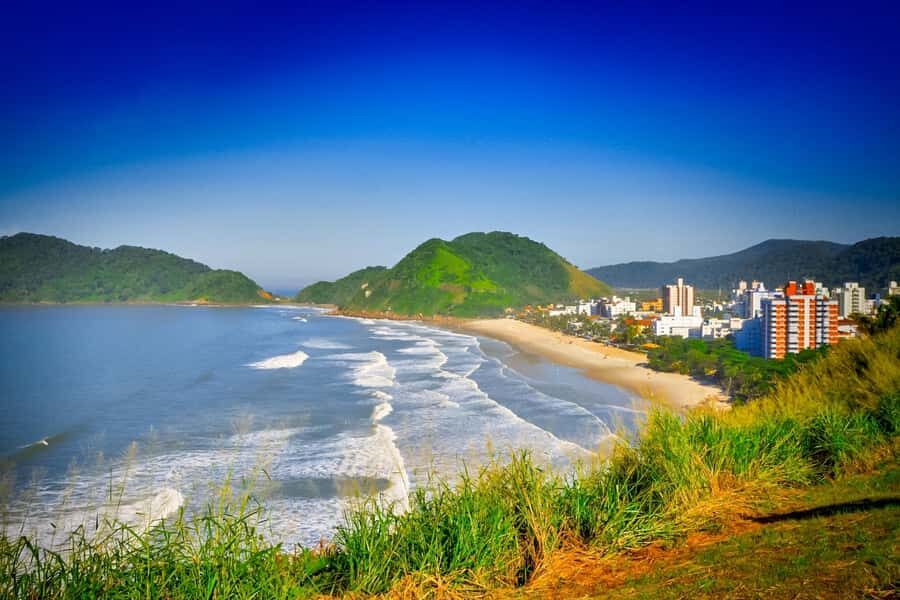
Guarujá is known for its beaches, and the tour highlights that it’s especially liked for excellent wading waters. That detail matters if your plan is more than just standing on sand. You want water you can step into comfortably.
Since the 1970s, Guarujá has been a popular tourist destination following real estate growth. You’ll feel that in the mix of restaurants and the easy access to beach time. This is not a “rough and remote” coastline day. It’s a coastal escape designed for regular visitors, and that’s part of why it works for an 8-hour tour.
The plan includes a stop at a local restaurant for seafood. The tour description frames it as delicious seafood, and this is your chance to try coastal flavors after the walking and ferry ride. But here’s the one catch: foods and beverages are listed as not included. So you’ll be paying for your meal at the restaurant, even though the stop is part of the day’s plan.
Practical tip: sunscreen and a hat are your best friends here. Guarujá rewards time outside, and the tour doesn’t suggest an indoor reset after the beach phase.
Private group pacing: how the guide shapes the experience
A private full-day tour is a different beast than a bus group. You’re not trying to keep up with strangers, and your guide can adjust the tempo to match your energy level.
The bilingual guide (Spanish, English, Portuguese) is also a big deal. The coffee-and-port theme can get technical if the guide doesn’t frame it well. In the feedback I’ve seen attached to this tour style, guide names like Luis, Renato, and Luiz Henrique show up with praise for being professional and patient, and for telling the story in a way that connects past and present. That’s exactly what you want on a day that combines industrial sights with a museum.
You can use that private setup to your advantage:
- Ask for the one detail you care about most—coffee history, immigration connections, or coastal viewpoints.
- If you’re more into photos than walking, say so. The guide can prioritize the lookout and beach time.
- If you prefer structure, ask for a clear sequence and the order of stops that makes sense.
One consideration: because it’s a private day, you’re paying for the guide and transportation. If you’re traveling solo, you may feel the cost more. If you can share the private group with others, it tends to feel better as a value proposition.
Price and logistics: why $470 can still feel fair
The price is listed as $470 per group (up to the allowed party size), for a total duration of 8 hours, including hotel pickup and drop-off and air-conditioned transportation plus a bilingual guide. Museum entrance fees and foods and beverages are not included.
So is it worth it? For me, the value comes down to what you’re buying:
- You’re buying a full-day coastal route from São Paulo without you planning transit.
- You’re buying guided context for Santos’s port and coffee story.
- You’re buying the ferry connection to Guarujá with someone who knows the flow.
If you tried to DIY this, you could probably reach Santos and Guarujá. But you’d lose the curated path through coffee history plus the time-efficient itinerary that fits into one day. You’d also spend more time managing logistics—especially around the ferry and city sightseeing order.
Where the cost can feel less “all-in” is the extras:
- museum tickets
- your restaurant meal and drinks
If you budget those upfront, the tour becomes more predictable and less stressful. In a day designed for convenience, predictability is part of the value.
What to bring (so the day feels easy)
The essentials are simple, and I’d follow them closely:
- Comfortable shoes for city walking
- Sunglasses and a sun hat for Guarujá
- A camera for port, museum setting, lookout views, and beach time
Also, if you tend to get hot, plan to hydrate and use the shade when you can. This isn’t described as a strictly indoor day, and the guide route will include time outside around viewpoints and beaches.
Who should book this tour, and who might want something else
You’ll probably love this experience if:
- you want a single day that mixes Santos port + coffee museum with real beach time in Guarujá
- you appreciate guided storytelling that connects industrial sights to immigrant and coffee-era context
- you prefer door-to-door pickup over DIY transit
You might not love it as much if:
- you want a pure beach-only day with minimal walking
- you hate any museum time, even if it’s tied directly to the city’s story
- you’re traveling on a tight budget and can’t add museum tickets and a seafood lunch
One more practical detail: it’s listed as wheelchair accessible, and it’s a private group with pickup from hotels within the expanded city center of São Paulo. If you have mobility needs, it’s worth confirming your pickup point location during booking so the route is smooth.
Should you book this Santos and Guarujá private full-day tour?
Book it if you want a guided, time-efficient way to understand Santos without missing the coast. The big win is the pairing: port + coffee story in Santos, then a ferry ride to Guarujá for lookout views and beaches with good wading. It’s the kind of itinerary that feels like two places working together, not a checklist of separate stops.
I’d pass or look for a simpler option if you already know Santos well and only want beach time, or if you’re not willing to add museum and meal costs. For everyone else, this is a solid “one-day coastal reset” that saves you planning while still giving you meaningful context.
FAQ
FAQ
How long is the Santos and Guarujá private full-day tour?
The tour duration is 8 hours.
Does the tour include hotel pickup and drop-off in São Paulo?
Yes. Pickup is included, and it’s possible from hotels within the expanded city center of São Paulo.
Is the Coffee Museum entrance fee included?
No. Museum entrance fees are not included.
Are meals and drinks included?
Foods and beverages are not included. The itinerary includes a stop at a local restaurant for seafood, but you’ll pay for the meal there.
What languages are available for the guide?
The guide is bilingual, with Spanish, English, and Portuguese offered.
Is the tour private?
Yes. It’s a private group tour.
Is the tour wheelchair accessible?
Yes, the tour is listed as wheelchair accessible.