REVIEW · MANAUS
Manaus: Multi-Day Amazon Trip at Tapiri Floating Lodge
Book on GetYourGuide →Operated by Joshuas Amazon Expeditions · Bookable on GetYourGuide
Hammock sleep, jungle lights, dawn canoes. This multi-day Tapiri Floating Lodge experience from Manaus strings together speedboat rides, canoe time, jungle treks, and real night wildlife searching, including caiman spotting and piranha fishing. You’ll also catch Amazon-style sunsets that feel way bigger than any city sky.
I love the pacing. You start early for the sunrise canoe, then trade “looking” for actual learning on forest walks with native guides, and you still get downtime between the action. I also liked the small-group feel (max 12), and the way guides like Tony and Emilson focused on plants and animals, not just moving you along.
The main drawback is cost versus extras. At $1,100 per person, you’re paying for a lot of logistics, but you still need to show up ready with your own rain gear and solid shoes, and you might want better personal gear than what some people felt was provided, like boots or a stronger rain jacket. Also, wildlife sightings aren’t guaranteed every day, so go with flexible expectations and a good camera.
In This Review
- Key highlights that shape the whole trip
- Meeting of the Waters and the Arapaima gigas stop
- Day 1 canoeing: dolphins, birds, piranhas, and a sunset you’ll remember
- Day 2 starts at 5:30 AM for a reason
- Day 3: the local family visit and the start of your extra-option fork
- Sleeping out in hammocks: remote dinner and night spearfishing
- Day 4 survival skills and jungle trekking with real technique
- Tapiri Floating Lodge: air-conditioning comfort paired with jungle authenticity
- Guides like Tony, Emilson, Kennedy, and Yamal make the learning stick
- Price and value: what you’re paying for at $1,100 per person
- Who should book Tapiri Floating Lodge (and who should skip)
- Practical tips so your Amazon days feel smoother
- Should you book this Manaus Amazon trip?
- FAQ
- How long is the Tapiri Floating Lodge Manaus Amazon trip?
- What’s the group size?
- Where do you get picked up in Manaus, and when?
- What languages are guides available in?
- What’s included in the price?
- What isn’t included?
- What should I bring for the jungle and water activities?
- Who shouldn’t take this trip?
Key highlights that shape the whole trip
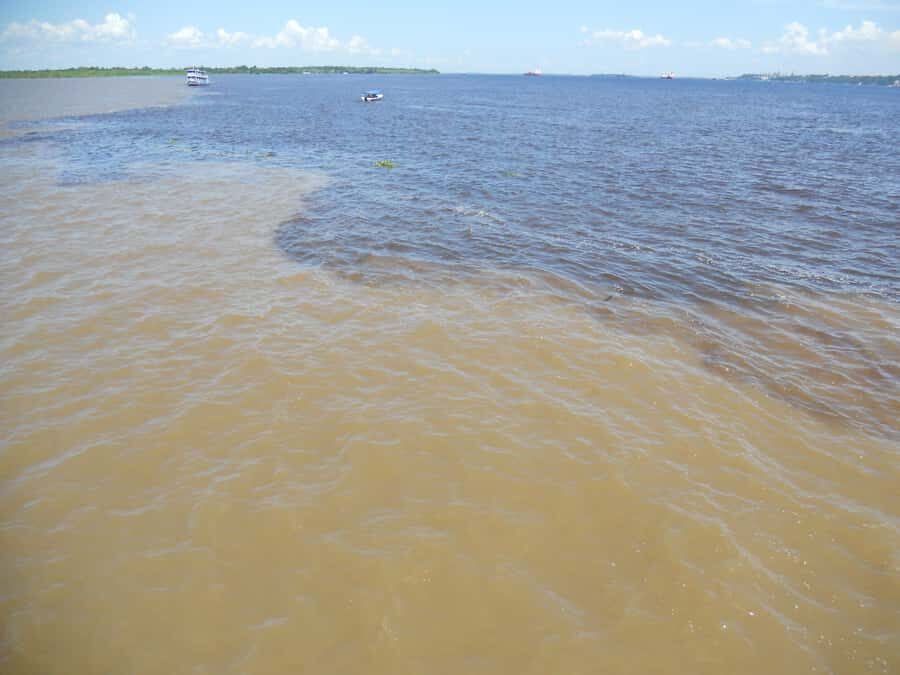
- Meeting of the Waters speedboat start that sets the Amazon tone fast, at the Rio Negro and Solimões junction
- Arapaima gigas (pirarucu) fish farm stop during the morning transfer
- Sunrise canoe followed by a jungle trek focused on medicinal plants, trees, and insects
- Night caiman spotting plus water-and-spear style fishing depending on your day option
- Hammock camping and mosquito nets for 4- and 5-day options, with dinners in remote areas
- Small-group attention (up to 12) and guides who explain what you’re actually seeing
Meeting of the Waters and the Arapaima gigas stop
Your Amazon story starts in Manaus, with a morning transfer from your hotel to the Ceasa port. From there, you ride a speedboat to the meeting of the waters, where the Rio Negro and Solimões rivers join. It’s not just scenic. That junction changes how the ecosystem behaves, and your guide uses the location to help you understand what comes next.
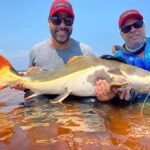
A key early detour is the Arapaima Fish Farm, where you can learn about pirarucu (Arapaima gigas). Even if you’re not a fish nerd, this stop is useful because it gives context for what you’ll be doing later—especially the fishing and night wildlife themes. Then you cross over toward the Careiro Village area on the other side of the Solimões River.
After the crossing, the trip continues by car/van for about an hour toward the Mamori River, and then you take another speedboat to the lodge. You’ll arrive around 11:30 AM on the first day, which matters because it gives you time to settle in before the afternoon starts swinging into action.
You can also read our reviews of more tours and experiences in Manaus.
Day 1 canoeing: dolphins, birds, piranhas, and a sunset you’ll remember
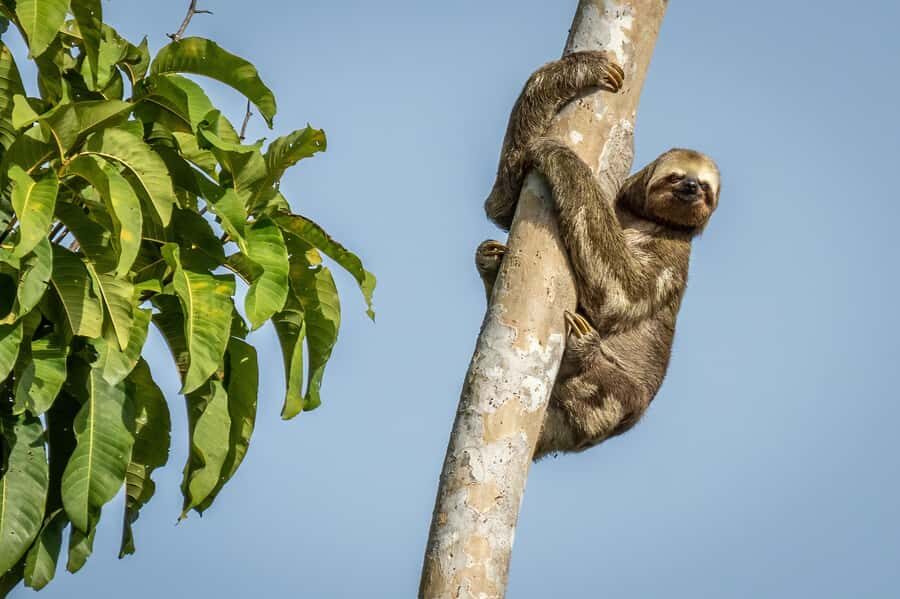
At about 3:00 PM, you’re back on the water in a canoe for wildlife watching and fishing time. The plan includes dolphin and bird watching, with piranha fishing later in the afternoon. This is the part where you stop thinking of the Amazon as a postcard and start treating it like a living system.
Then comes the payoff: sunset around 6:30 PM. In this region, sunsets feel like an event because you’re watching from the water with jungle sounds all around. After the sunset, you head back to the lodge for dinner.
Night brings the next big theme: caiman spotting. One of the best reasons to pick this trip is that it’s not only “daytime nature.” You’re in the right place, with the right timing, to see how the Amazon shifts after dark. In the reviews, this is one of the most consistently praised moments, with people highlighting the excitement of surviving a real night out in the jungle atmosphere.
Day 2 starts at 5:30 AM for a reason
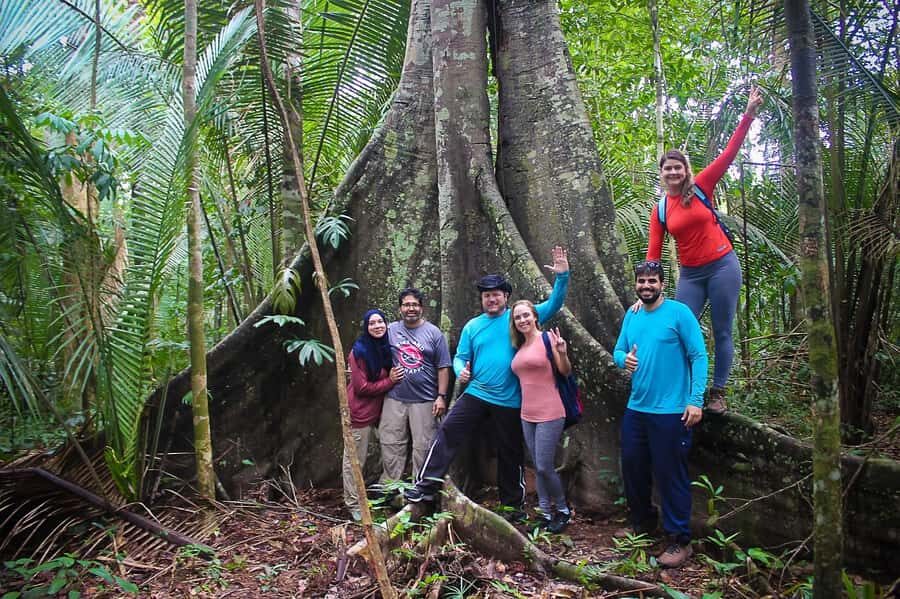
If you like early mornings, Day 2 is a gift. You’re taken by canoe at 5:30 AM to watch the sunrise in the rainforest. It’s usually quieter out there at that hour, and the light helps you spot movement you’d miss later.
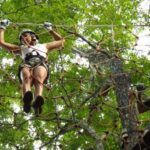
You’re back at the lodge around 7:00 AM for breakfast, which keeps the day from becoming a full-on slog. Then you move into the jungle trek that lasts through the morning. This isn’t just a walk with a guide talking in general terms—you’re learning about medicinal plants, trees, and insects, including spiders. There’s also a chance of seeing monkeys, and that possibility is part of what makes the trek feel alive instead of staged.
If you’ve booked the 3-, 4-, or 5-day option, there’s typically an afternoon activity starting around 3:00 PM. This is another wildlife-and-flora session, done quietly while you pass through the Amazon jungle and learn from native guides.
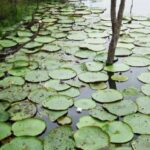
Here’s an important seasonal detail for how the afternoon feels: during the rainy season (April to August), you can enjoy canoeing in forest/creek areas. During the dry season (August to March), you may do the trip on foot because there isn’t water in the same way. So the exact vibe changes with the month you go.
Day 3: the local family visit and the start of your extra-option fork
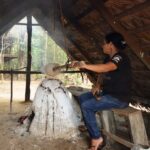
On the 3-day version, Day 3 is built around cultural connection and a grounded look at life in the forest. From 8:00 AM to 11:00 AM, you visit the home of a local family to learn their simple—but impressive—way of living in the forest. It’s less about spectacle and more about learning how people read their environment and live with it.
After that, you return to the lodge for lunch and then head back to Manaus around 1:30 PM, arriving roughly 4:30 PM. If you want an Amazon experience that doesn’t steal your entire trip window, this timing can be a strong fit.
If you book the 4- or 5-day option, Day 3 evolves into more water routes and more night adventure. You’ll explore small channels and look for birds, monkeys, caymans, and dolphins. This is also where you start transitioning from “tour flow” into more remote Amazon living, which is what makes the longer options feel more intense and more memorable.
Sleeping out in hammocks: remote dinner and night spearfishing
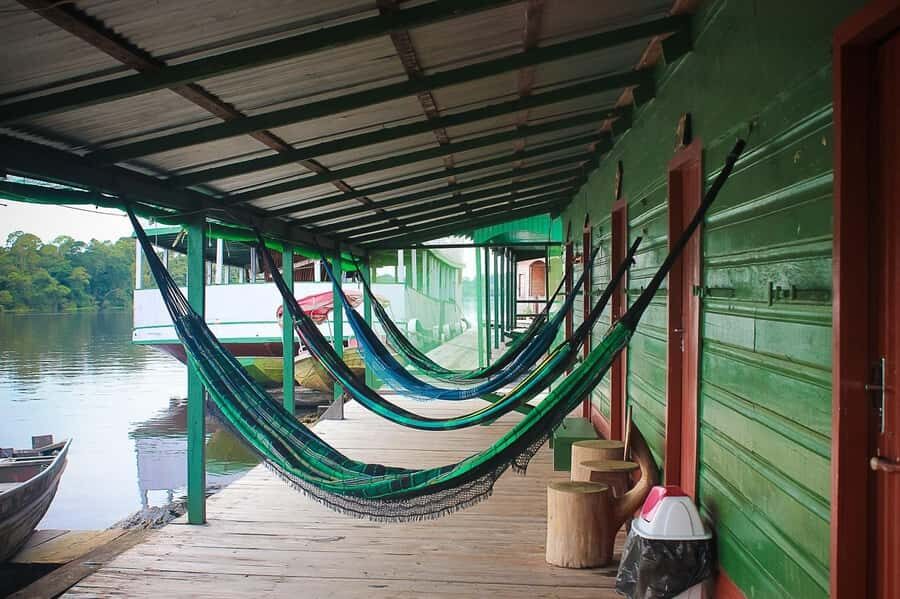
For 4-day and 5-day itineraries, the trip’s wild-card night happens on Day 3 at around 3:00 PM. You leave the lodge and head into a remote area to sleep outside in the Amazon. Your guide provides hammocks and mosquito nets for camping, and you help prepare dinner.
This is one of the moments that reviewers talk about most clearly: you’re safe with a guide, but you’re still fully in the Amazon environment. It’s the difference between visiting and experiencing.
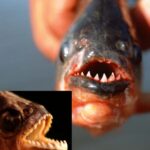
After dinner, you can try spearfishing at night for piranhas (and you’ll still have seen piranha fishing earlier in the journey, too). This combination—day fishing plus a night attempt—keeps the experience from feeling repetitive, even though some parts of wildlife searching can run on similar routes near the lodge.
If you choose the 5-day option, there’s an additional night camping segment later where you stay out in the woods escorted by a professional guide. That extra time matters if you want the Amazon to feel like a multi-day process rather than a quick hit.

Day 4 survival skills and jungle trekking with real technique
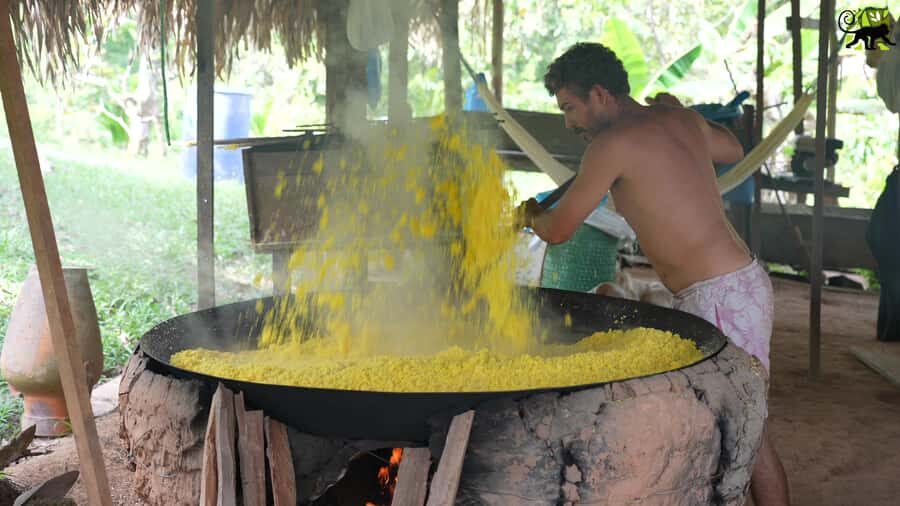
Day 4 is about skills, not just sightings. You’ll learn survival techniques and facts about the forest, with opportunities to trek and canoe again. The tone shifts here: instead of only watching, you’re building a basic Amazon toolbox through guidance and demonstration.
Then you return to the lodge for lunch. If you’re on the 4-day version, you head back to Manaus after lunch and arrive around 4:30 PM. If you’re on the 5-day version, you keep going and add more time in the forest environment with the extra night out in the woods.
One thing to keep in mind: the more days you add, the more chances you get for variety. Still, wildlife sightings can vary. Your best move is to treat each day as a new shot at timing and conditions rather than a checklist.
Tapiri Floating Lodge: air-conditioning comfort paired with jungle authenticity
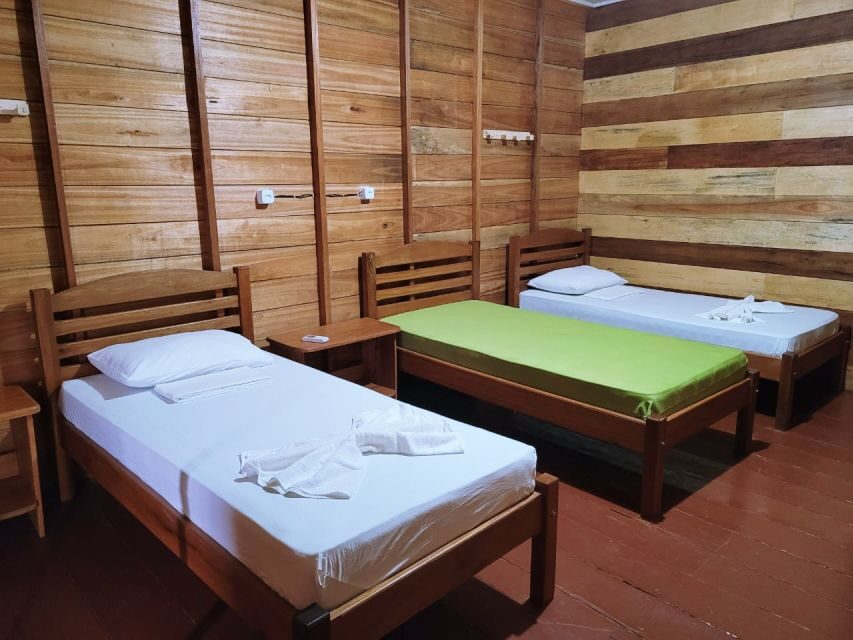
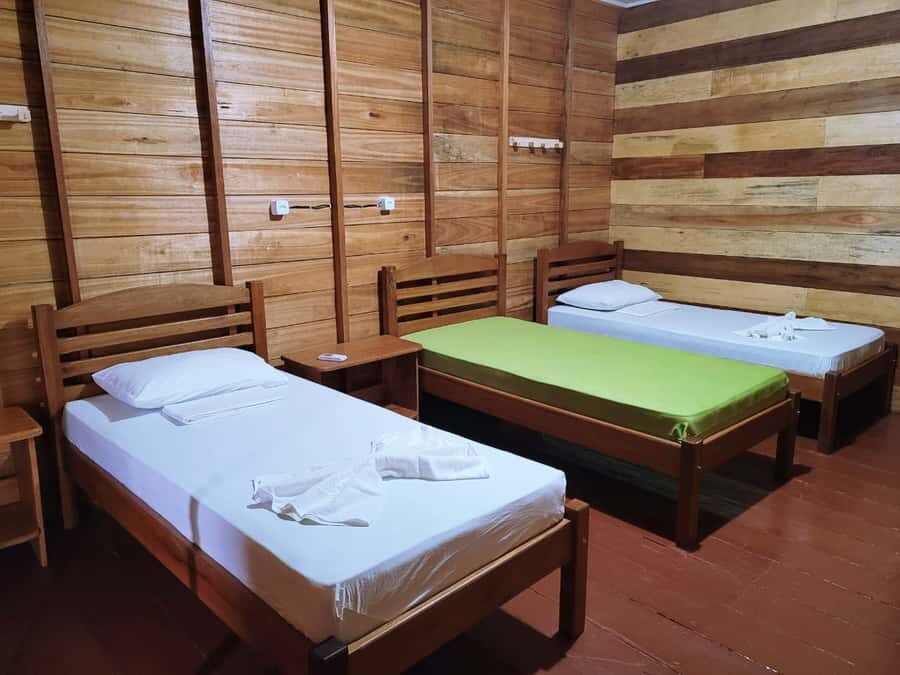
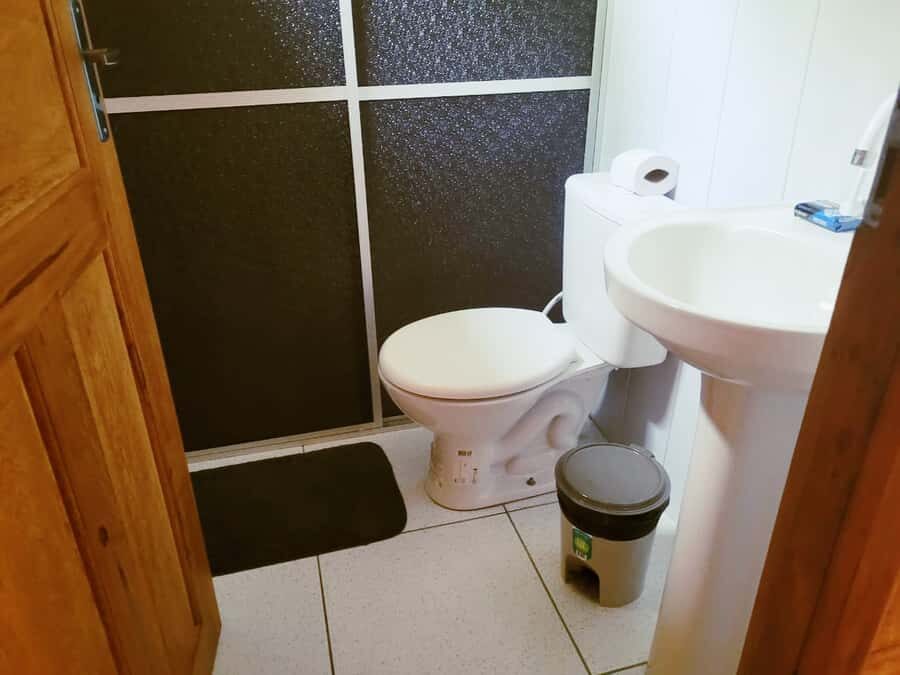
A surprising plus is how comfortable the lodge accommodations feel for an Amazon trip. You stay in a private apartment with air-conditioning and netting on the beds. That matters because Amazon nights can be humid and intense, and you’ll sleep better when you have a clean, enclosed retreat.
Food also plays a bigger role than most people expect. Reviews repeatedly mention excellent meals and a very clean lodge setup. If you’re used to rougher “adventure” trips, this combination of comfort and wild surroundings is a big part of the value.
You’ll also have meals throughout each day (breakfast/lunch/dinner included). Mineral water is provided during meals, and at least one review noted that drinking water was available around the clock, which helps if you don’t want to constantly track refills during hikes and canoe rides.
Guides like Tony, Emilson, Kennedy, and Yamal make the learning stick
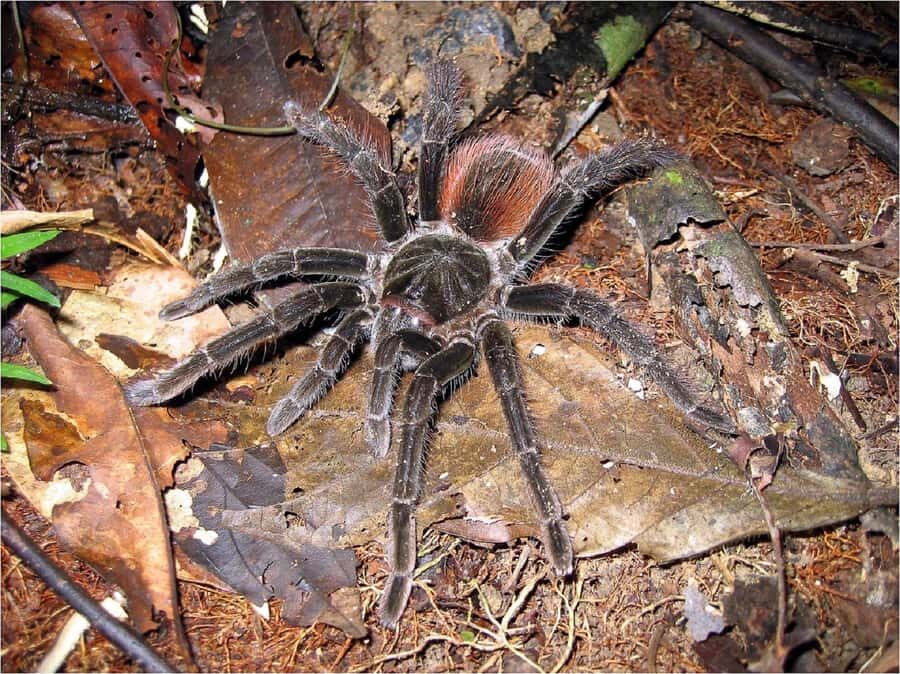
This trip lives or dies on interpretation, and the guides seem to deliver. People name guides like Tony, Emilson, Kennedy, and Yamal specifically, and they consistently praise their ability to explain plants, animals, and what you’re seeing in real time.
That matters because the Amazon is big and messy. Without guidance, you can spend hours spotting nothing. With the right explanation, a spider or a plant leaf stops being random and becomes a clue. One review even highlights medicinal-plant and insect learning as a standout part of the trek, and that’s exactly the sort of detail that makes you feel like you returned with real knowledge instead of just photos.
Price and value: what you’re paying for at $1,100 per person
At $1,100 per person for a 3 to 5-day package, you’re not just buying “a hotel in the jungle.” You’re buying a logistics-heavy operation: transfers from Manaus, multiple boat segments, canoe time, jungle treks, guide staffing, and all meals.
Also, you’re paying for the right kind of variety. Many shorter Amazon experiences focus only on daytime cruising. This one builds in sunrise, daytime treks, sunset, and night caiman searching, plus remote sleeping and spear fishing attempts if you select the longer options.
Where value can feel uneven is equipment. One review flagged that the tour should offer tools like boots, raincoats, a telescope, or better lighting (or at least give you rental options). If you don’t already own good rain protection and hiking shoes, plan to bring your own. Expect that the Amazon punishes forgotten basics quickly.
One more reality check: wildlife sightings can be fewer than expected on some days. That’s not a failure of the trip; it’s how nature works. Your value increases if you go with flexible expectations and stay focused on learning and timing.
Who should book Tapiri Floating Lodge (and who should skip)
This experience suits you best if you want a guided, small-group Amazon trip that includes both water and jungle time. The max group size of 12 helps with attention, and the schedule is packed without feeling chaotic.
You might want the 4- or 5-day option if you want the extra intensity: sleeping out in hammocks, survival training, and more remote time. One review even suggests that for people seeking a more exciting and intense experience, choosing the survival option is the way to go.
You should skip this tour if you’re pregnant or if you use a wheelchair, since it isn’t designed for those needs. And be aware of the luggage limits: there’s a maximum of 25 pounds/12 kg per person, and oversize luggage isn’t allowed.
Practical tips so your Amazon days feel smoother
Bring smart basics. The trip explicitly asks for passport or ID, comfortable shoes, sunglasses, sun hat, a change of clothes, sandals, a camera, and rain gear. Add insect repellent and sun cream, because bugs and weather aren’t optional variables in the Amazon.
Pack light for the 12 kg limit, and avoid oversize luggage. If you’re bringing binoculars, it’s worth it for the birding moments on canoe routes. Cash is also recommended.
If you want to give support locally, do it in a way that doesn’t turn into a cash handout. The tour guidance encourages avoiding giving money to community children and instead bringing small gifts like toys or comic books.
And bring a rain jacket even if the forecast looks friendly. You’ll be in speedboats and canoes, and Amazon weather can change quickly.
Should you book this Manaus Amazon trip?
Book it if you want an Amazon package that mixes speedboat access, hands-on jungle learning, sunrise and sunset timing, and serious night wildlife searching with a small group. The Tapiri lodge comfort is a real plus for people who want adventure without total hardship.
Skip or reconsider if $1,100 feels too steep for your travel budget, or if you’re counting on getting professional-grade gear like boots, rain protection, telescopes, or special lighting provided for you. Also skip if mobility or pregnancy needs make canoeing, treks, or outdoor sleeping unrealistic.
If you’re choosing between day counts, pick the number of days that matches your tolerance for intensity: 3 days for a sharp introduction, 4 to 5 days if you want hammock camping and deeper forest time.
FAQ
How long is the Tapiri Floating Lodge Manaus Amazon trip?
It runs for 3 to 5 days, depending on the option you book.
What’s the group size?
It’s a small group limited to 12 participants.
Where do you get picked up in Manaus, and when?
Pickup is included from Manaus hotels and the airport. In downtown Manaus, pickup is at 7:30 AM; for hotels outside downtown, pickup is at 7 AM.
What languages are guides available in?
Guides are available in English or Portuguese.
What’s included in the price?
Transfers in and out (hotel to lodge and back), drop-off at hotel or airport, accommodation at the lodge, and all meals (breakfast, lunch, dinner) are included. Mineral water during meals is also included, along with all tours according to the program.
What isn’t included?
Your Manaus hotel is not included, and soft drinks and alcoholic drinks are not included.
What should I bring for the jungle and water activities?
Bring your passport or ID, comfortable shoes, sunglasses, a sun hat, change of clothes, sandals, rain gear, and a camera. It’s also specifically recommended to pack insect repellant, sun cream, comfortable clothes, and binoculars. A small water bottle is also suggested.
Who shouldn’t take this trip?
It’s not suitable for pregnant women and wheelchair users.