REVIEW · RIO DE JANEIRO
Rio Culture and History through the Art of Traditional Foods
Book on GetYourGuide →Operated by Gregtur Tourism · Bookable on GetYourGuide
Your taste buds get a front-row lesson in Rio. This guided food tour threads traditional Brazilian snacks through Santa Teresa and Lapa, then adds a scenic tram ride over the Lapa Arches aqueduct. I liked that the tour isn’t just about eating random bites it’s about how those foods became part of Rio life.
I also really enjoyed the guide-led storytelling, especially the way guides like Romayne or Camila connect each tasting to family traditions and neighborhood context. One thing to consider: it’s a full 6 hours on your feet with a set plan, and hotel pickup isn’t included, so you’ll want to reach the meeting spot on time and keep your hands (and bags) free.
In This Review
- Key highlights at a glance
- Rio food tour basics: where it goes and what it feels like
- The route starts in Lapa, then moves toward Santa Teresa
- The tram ride over Lapa Arches: why the transit is part of the attraction
- Colombo confectionery: the sweet-and-salty stop you’ll remember
- What you’ll actually taste: pão de queijo, coxinha, açai, tapioca, manioc flour
- Drinks on the route: local beer, cachaça, and caipirinhas
- How the guide turns food into Rio city knowledge
- Timing, pace, and what to bring (so the day stays fun)
- Value check: does $198 make sense for Rio food and culture?
- Who should book this tour
- Should you book this Rio Culture and History through Traditional Foods?
- FAQ
- What time does the tour start?
- How long is the tour?
- Where do I meet the guide?
- Is hotel pickup included?
- What’s included in the price?
- What languages are the guides available in?
- What foods and drinks are part of the tastings?
- How much walking is involved?
- What should I bring?
- Is cancellation possible?
Key highlights at a glance
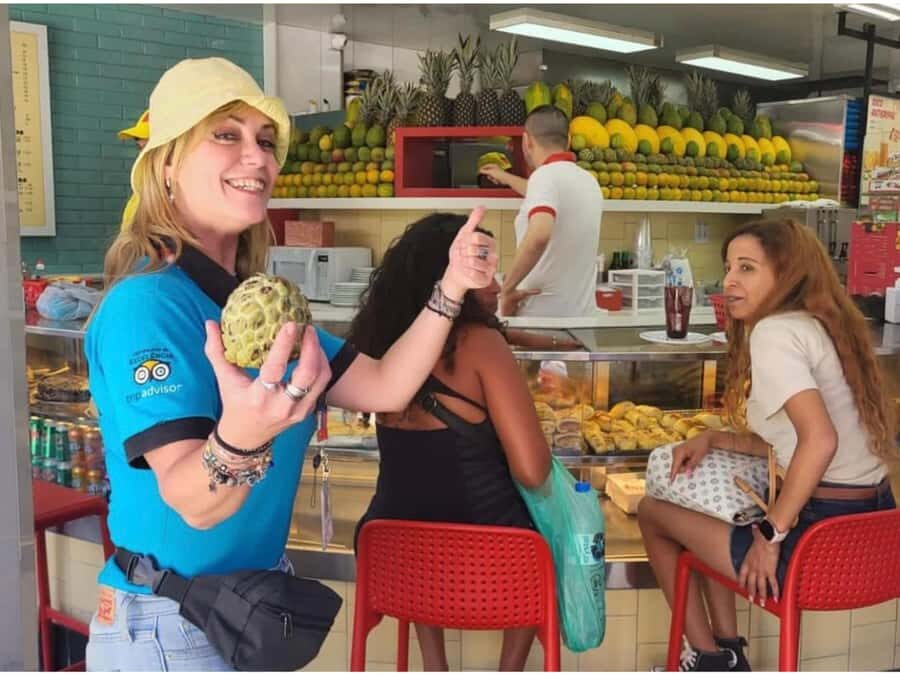
- Santa Teresa and Lapa food crawl: Local restaurants and specialty shops are the center of the walk.
- Colombo confectionery stop: Sweets and salty snacks at a well-known Rio candy shop.
- Tram ride over Lapa Arches aqueduct: A ride that turns transit into a sight.
- Ruinas Park panoramic views: City views help you understand where you are and why it matters.
- Tastings that map to Brazilian staples: You’ll sample foods featuring açai, tapioca, and manioc flour.
- About 1 mile walking: Most fitness levels can handle the distance, especially with tastings along the way.
Rio food tour basics: where it goes and what it feels like

This experience is a 6-hour walking food tour focused on Rio de Janeiro’s culture through what people actually eat. You’ll cover two neighborhoods that feel different in mood and style: Santa Teresa, with its artsy vibe and views, and Lapa, known for its lively streets and bars.
I found it works because the schedule has rhythm. You taste, you walk, you look around, then you taste again. Instead of treating food as an add-on, the tour uses food as the reason to slow down and notice the city.
The price is $198 per person, which is in the mid-to-higher range for food tours. In return, you get a professional guide, multiple tastings, entrance fees, and a tram ticket. That package matters in Rio, where buying separate attractions and tours can add up fast.
You can also read our reviews of more historical tours in Rio De Janeiro



The route starts in Lapa, then moves toward Santa Teresa
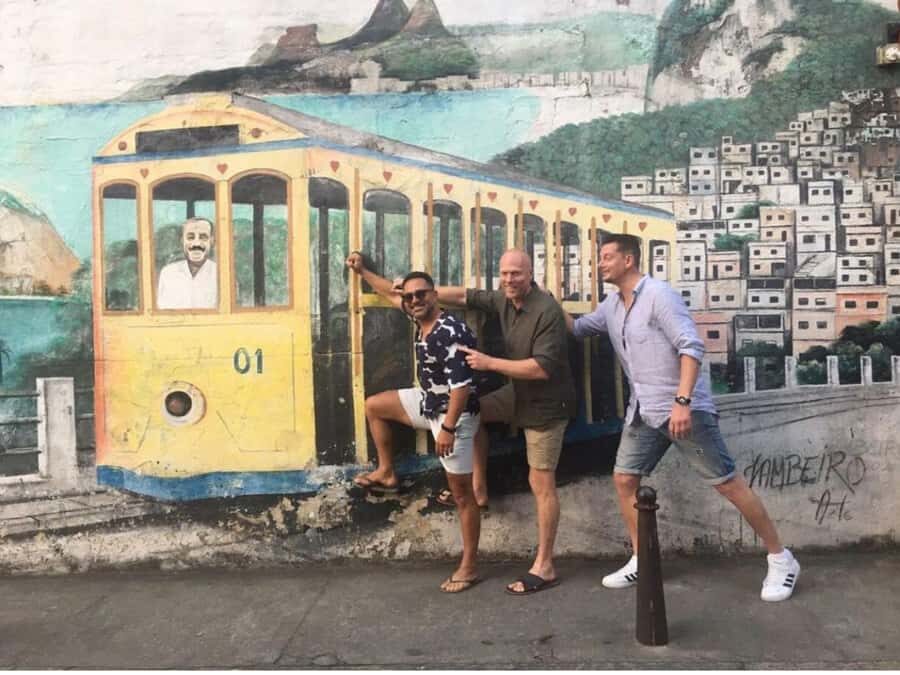
You meet the guide at the designated starting point at 10:30 a.m. for check-in, with the tour departing at 10:45 a.m. From there, you’ll head out into Lapa and Santa Teresa on foot, following a plan that mixes food stops with sightseeing.
Lapa is the kind of place where the streets feel layered: daily life, music culture, and architecture all show up in small details. Santa Teresa shifts the mood. The route gives you a sense of Rio’s hills and angles, so the food history you’re hearing has a real neighborhood backdrop.
One practical point: there’s no hotel pickup. So if you’re staying far from the route, plan your morning transport to arrive early and relaxed. You’ll be glad you did when the first tastings start.
The tram ride over Lapa Arches: why the transit is part of the attraction
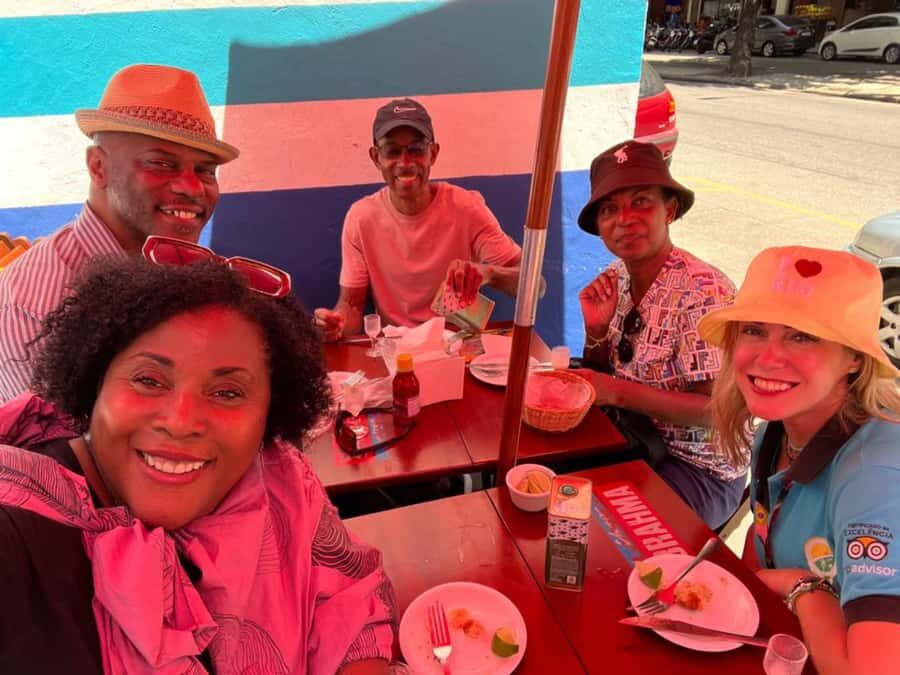
A key moment in the day is the charming tram ride that crosses the Lapa Arches aqueduct. It’s not just scenery it’s a moving viewpoint, and it helps break up the walking.
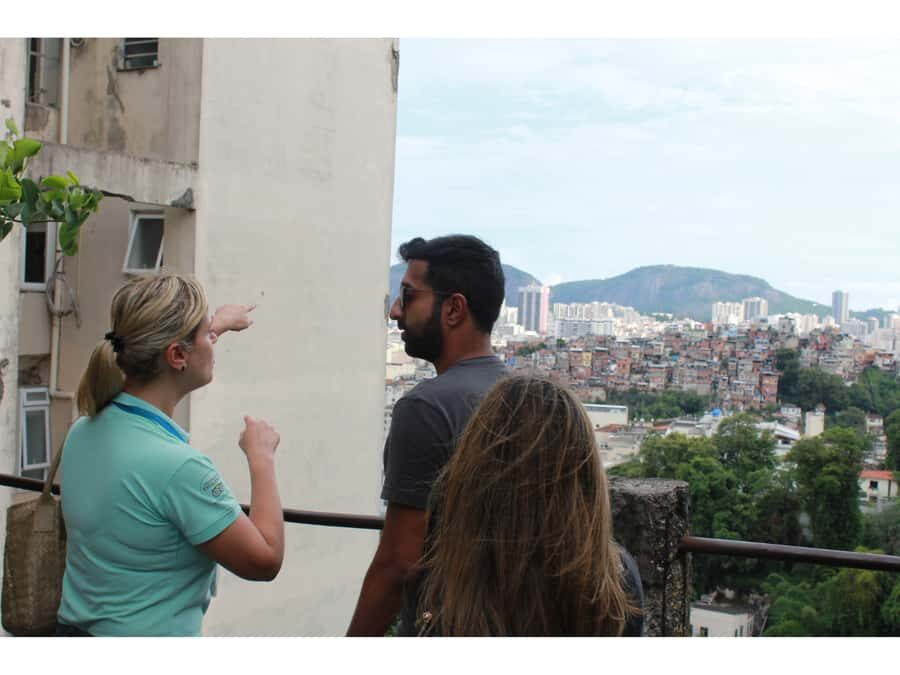
Passing by Ruinas Park is especially useful. You get panoramic views that let you visually connect what the guide is saying about Rio’s layout and history. When you can see the city from a higher angle, the neighborhoods feel less like names on a map and more like places with a story.
If you’re traveling with someone who gets bored on strict walking tours, the tram section is a built-in reset. It gives you time to look, take photos, and refocus before the next round of tastings.
Colombo confectionery: the sweet-and-salty stop you’ll remember
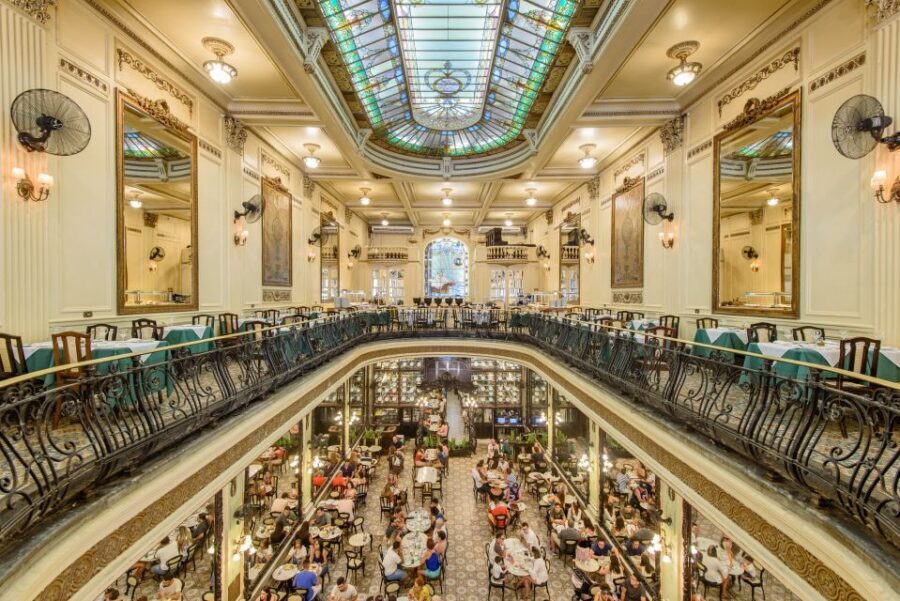
One of the most talked-about parts is the renowned Colombo confectionery. This is where the tour leans into Rio’s love of both sweets and salty snacks, so you get variety in a single place.
I liked that this stop doesn’t feel like a random dessert break. It’s positioned as a cultural moment in the middle of the day, so you taste, then immediately connect it to how local food habits formed.
Expect a mix of classic Brazilian-style sweets and snacky treats, and don’t be surprised if you end up craving something you tasted long after the tour ends. The best advice here: show up hungry, but don’t go into the morning like you’re preparing for a food coma. The day is long enough to enjoy everything without forcing it.
What you’ll actually taste: pão de queijo, coxinha, açai, tapioca, manioc flour
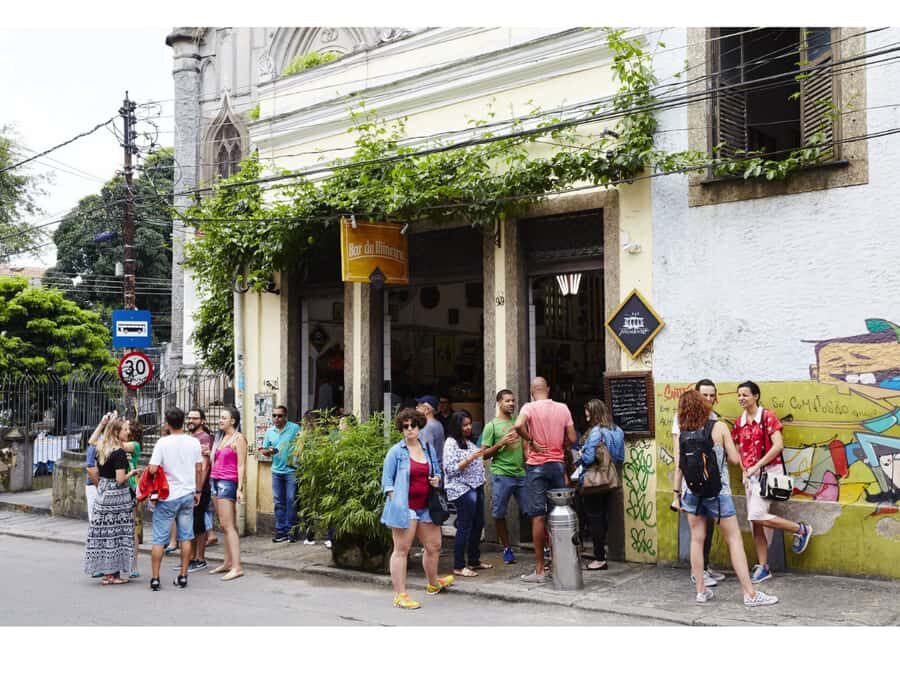
The tasting lineup is built around traditional ingredients that show up across Brazil, with enough variety to keep you engaged for 6 hours.
Here are some of the foods you can expect during the route:
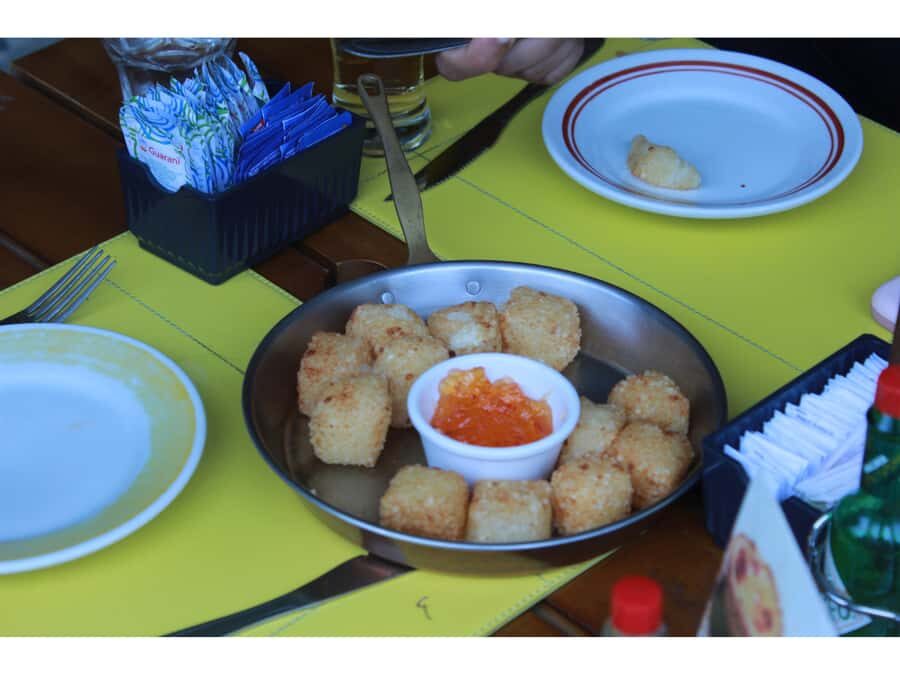
- Pão de queijo: That chewy, cheesy bite that’s basically Brazil’s comfort snack.
- Coxinha: A savory, teardrop-shaped snack with flavorful filling.
- Açai: Often served chilled, giving you a refreshing contrast to fried or baked items.
- Tapioca and manioc flour: Core Brazilian staples that help explain how local ingredients travel into everyday meals.
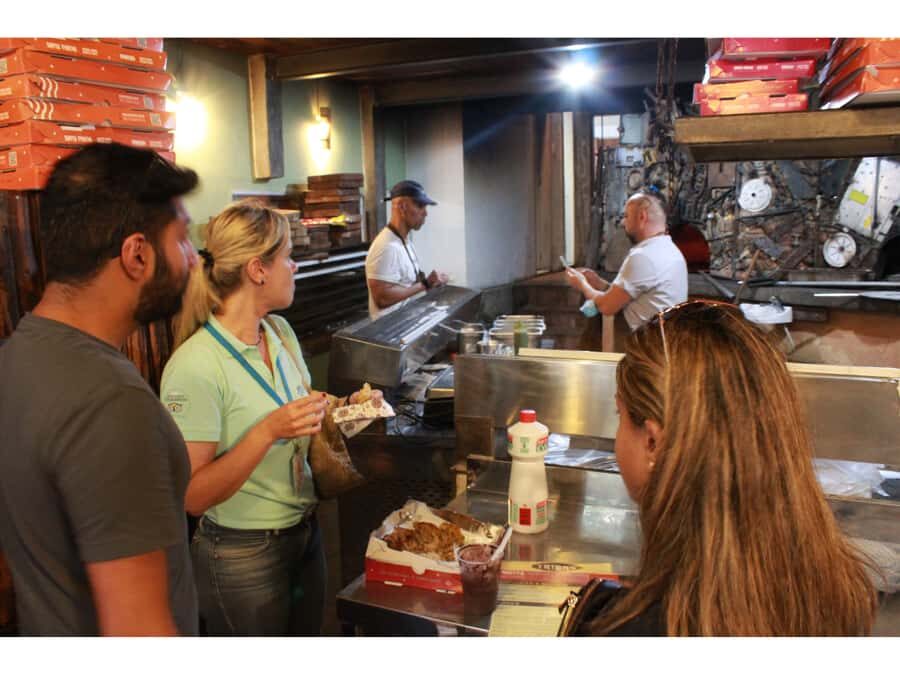
- Bacalao fritters: A salty, crispy option that’s easy to understand why it became a crowd favorite.
In other words, you’re not just tasting sweets and calling it a day. The tour gives you a practical map of what Rio eats and how ingredients like manioc and tapioca fit into daily life.
I also appreciated the ordering of it. You’re not hit with only fried foods or only desserts. The guide spreads things out so you keep moving from snack category to snack category, which makes the day feel like a meal rather than a shopping list.






Drinks on the route: local beer, cachaça, and caipirinhas
Brazil’s drink culture is part of the story, and this tour builds that in. You’ll taste local beer and cachaça as part of the experience, plus caipirinhas during the day.
Cachaça shows up like a thread tying together the food and social side of Rio. Even if you’re not a spirits person, it helps to try it in a structured setting where you can ask questions instead of ordering blindly.
A quick mindset tip: pace your sips. The tour is 6 hours long and includes a lot of walking, and the best tastings feel better when you’re still sharp enough to notice flavors and the guide’s explanations.
Also, the tour includes tastings and samples, but additional food and drinks aren’t included beyond the itinerary. If you’re the type who always wants one more drink, just budget for that after your included stops.
How the guide turns food into Rio city knowledge
What makes this tour feel worth it is the human factor: the guide’s context. In the reviews tied to this experience, guides like Romayne and Camila are praised for storytelling and for knowing people around town.
That matters more than it sounds. When a guide has real relationships, you notice it in small ways: smoother introductions at shops, more attentive service, and explanations that go beyond food labels. You’re not just buying snacks you’re being shown how they’re made, why they’re popular, and how they connect to family routines.
I also like that the tour focuses on Rio food history through what you’re tasting. Instead of a lecture, you get a narrative you can test with your palate. One bite becomes an answer to the question the guide just asked.
You’ll also get time for questions along the way, since it’s a live guide experience in English or Spanish.
Timing, pace, and what to bring (so the day stays fun)
The tour runs for 6 hours and includes a mix of walking and a tram ride. The distance walked is about 1 mile, which is suitable for most fitness levels. That’s important because it lets you enjoy tastings without feeling like you’re training.
Still, the day isn’t “sit and sip.” You’ll be outside, moving between neighborhoods, and spending time looking around. So bring the items that prevent common trip-day problems:
- sunglasses
- sun hat
- comfortable clothes
- outdoor clothing
A key restriction: no luggage or large bags. Keep your load small and easy to manage while you’re eating and walking.
Value check: does $198 make sense for Rio food and culture?
$198 per person is not a bargain price, but it also isn’t a “pay for a logo” kind of tour. The value comes from what’s bundled:
- professional guide
- tastings and food samples
- tram ticket
- entrance fees
- walking tour structure
If you were trying to recreate this day on your own, you’d likely pay separately for attractions, pay for multiple food stops, and spend time figuring out where to go. Here, the guide handles routing and explains what you’re tasting while you’re doing it.
The biggest value win is the combination. You’re seeing Santa Teresa and Lapa, doing a tram ride over the aqueduct, getting a viewpoint moment at Ruinas Park, and tasting a lineup that hits multiple Brazilian staples. One long day, one guided flow, and you leave with a clearer picture of Rio beyond the usual postcard areas.
Who should book this tour
This tour is a strong fit if you want:
- a food-first way to understand Rio’s neighborhoods
- a day that mixes tastings with sights, without turning into a museum marathon
- a guided experience in English or Spanish with time for questions
It’s also a good choice if you’re traveling with someone who loves food but also wants the day to “count” visually. The tram ride and viewpoint break up the walking and keep the day from becoming only about eating.
Should you book this Rio Culture and History through Traditional Foods?
I’d book this if you’re excited about trying classic Brazilian foods and want the “why” behind them while you’re already standing in the neighborhoods where those traditions live. The included tastings, tram ticket, and entrance fees help justify the $198 price, and the day’s pace is manageable since the walk is about a mile.
Skip it or plan carefully if you hate guided structure, don’t eat much food, or you’re traveling with a lot of gear (since luggage or large bags aren’t allowed). Also, if you want total freedom to wander on your own schedule, this is the opposite of that. The value is in the planned route.
FAQ
What time does the tour start?
Check-in is at 10:30 a.m., and the tour departs at 10:45 a.m.
How long is the tour?
The duration is 6 hours.
Where do I meet the guide?
You meet the guide at the designated meeting point and time. The exact meeting spot is listed by the organizer for your booking.
Is hotel pickup included?
No, hotel pickup and drop-off are not included.
What’s included in the price?
Included items are a professional guide, tastings and food samples, a tram ticket, entrance fees, and the walking tour.
What languages are the guides available in?
Live tour guides are available in English and Spanish.
What foods and drinks are part of the tastings?
You’ll sample traditional foods such as pão de queijo and coxinha, plus items that include açai, tapioca, and manioc flour. The tour also includes tastings of local beer and cachaça, and it includes drinks like caipirinhas as part of the route.
How much walking is involved?
The distance walked is about 1 mile, suitable for most fitness levels.
What should I bring?
Bring sunglasses, a sun hat, comfortable clothes, and outdoor clothing.
Is cancellation possible?
Yes. Free cancellation is available up to 24 hours in advance for a full refund.