REVIEW · RIO DE JANEIRO
Rio de Janeiro: Historical Downtown and Lapa Walking Tour
Book on GetYourGuide →Operated by Tour by Foot · Bookable on GetYourGuide
Rio’s old power shows up on today’s sidewalks, and that’s exactly what makes this Historical Downtown and Lapa walking tour worth your time. You’ll move through Rio’s central streets with a local focus, mixing modern looks with the kind of European-court architecture that shaped the city’s big political chapters. The best part is how the tour connects those buildings to daily life you can actually see on the way.
Two things I really like: the tour includes inside visits to major historic sites, not just photos from the sidewalk, and the guides are clearly invested in explaining Rio in plain, practical terms. In particular, I love that you get a real flow of history tied to places like the old cathedral, the imperial palace, and the national library, plus a well-timed pitstop at Colombo café. If you want photo help, restaurant ideas, or what to do in the evening for samba and caipirinhas, the guide won’t treat that like a side question.
One drawback to keep in mind: the experience depends a lot on the guide’s English delivery. Some tours run with a strong accent, so you may need a little extra effort to catch every detail. Also, the meeting point can be easy to miss if you arrive late, so be ready to find the right spot in front of Theatro Municipal at Praça Cinelândia.
In This Review
- Key things to know before you go
- Praça Cinelândia start: why the meeting point matters
- Historic downtown on foot: modern buildings meet court-era Rio
- Old cathedral interior: why stepping inside changes everything
- Imperial palace stop: power stories you can connect to the streets
- National library visit: Rio’s memory, not just monuments
- Approaching Lapa by walking: a change in feel, not just a new stop
- The 3-hour format: how to pace yourself without rushing
- Price and value: is $60 fair for what you get?
- Guide style and what to ask during the walk
- Who should book, and who might want a different option
- Should you book this tour?
- FAQ
- FAQ
- How long is the Rio de Janeiro Historical Downtown and Lapa walking tour?
- Where is the meeting point?
- What is the group size?
- What languages are available?
- Is the tour only outdoors?
- Does the tour run in bad weather?
- What should I bring?
- Is this tour suitable for people with mobility impairments?
- How much does it cost?
- Can I cancel or change plans?
Key things to know before you go
- Small group (up to 10) means you can ask questions instead of just walking past facts.
- Indoor stops at the old cathedral, imperial palace, and national library give you more than street views.
- Modern vs. historic contrasts show how Rio grew from court-era power to the city you see now.
- A practical 3-hour pace keeps it easy to fit into a first day.
- Colombo café pitstop helps break the walking up at a good moment.
- English can vary depending on the guide, with some strong accents.
Praça Cinelândia start: why the meeting point matters
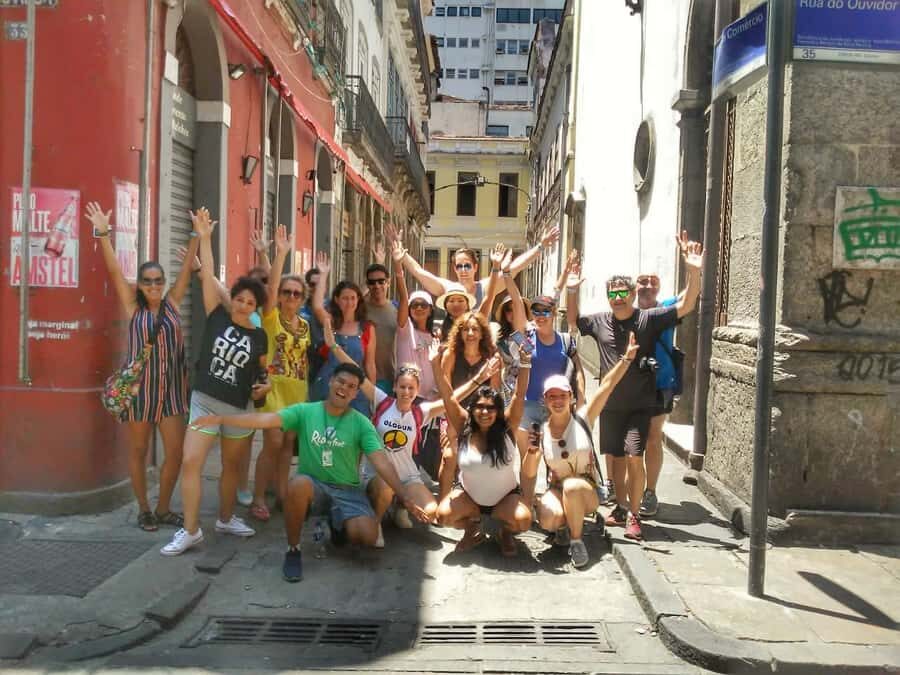
This tour begins in front of Theatro Municipal at Praça Cinelândia, and it’s a smart place to start. You’re in the heart of Rio’s central area, where the city’s “official” face—big civic buildings and bold architecture—shows up fast. That matters because this walk isn’t only about seeing pretty streets. It’s about understanding how Rio’s downtown grew into the foundation people still navigate today.
I like starting here because you can get your bearings quickly. You’ll be walking through older layers of the city while staying grounded in where Rio’s modern life intersects with its past. And since the tour happens rain or shine, having a clear starting location is a big deal. If you show up just a few minutes late, you can lose time. I’d rather you arrive early and take a minute to line up your expectations before the walking starts.
Tip I’d use: check that you’re at the correct side of Theatro Municipal and be ready to show up on time, not just “sometime around.” One review noted the organizer could be more precise about the meeting point and phone connection, which is a polite way of saying: don’t gamble. Your best move is to get there early and confirm you’re in the right place before the group moves out.
You can also read our reviews of more walking tours in Rio De Janeiro



Historic downtown on foot: modern buildings meet court-era Rio
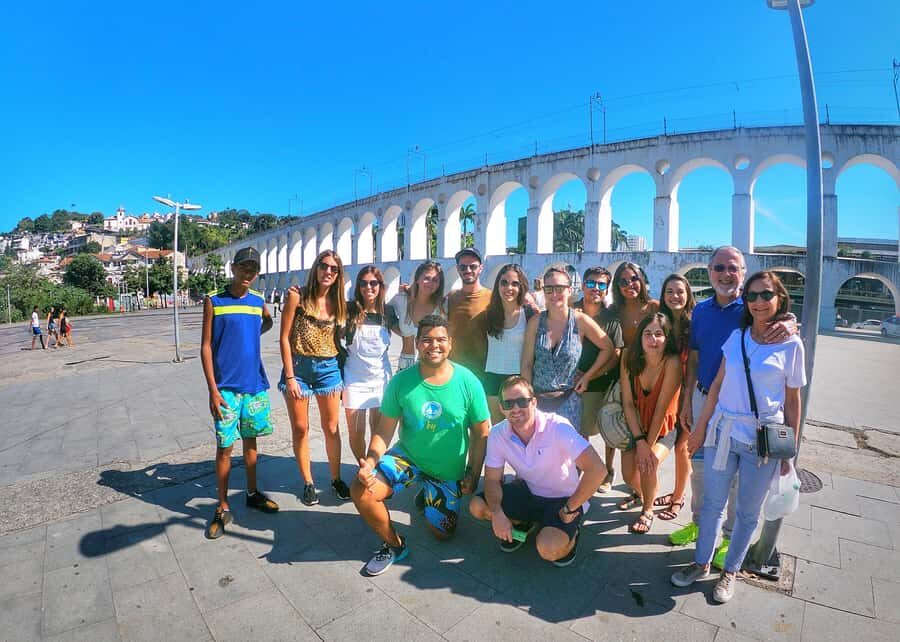
The core idea of this tour is simple: you’ll see how Rio’s historic architecture sits right alongside newer development. That contrast is more than visual. It’s a shortcut to understanding why the city feels the way it does—dramatic geography outside, big political and cultural ambition inside, and constant change everywhere else.
As you walk, you’re not just passing monuments. You’re moving through the kind of city fabric that makes Rio feel alive: streets where people go about their day, storefronts, and the everyday rhythm that surrounds the official landmarks. The tour’s emphasis on daily life is valuable because it keeps history from turning into a museum lecture. When you can look at how people move through the city now, you understand that those older stories aren’t distant.
You’ll also get help connecting Rio’s history to the people and eras that shaped it—times of kings and queens, emperors, freedom fighters, and revolutionaries. That perspective helps you see the “why” behind the buildings you’re standing near. And it reinforces something visitors often miss: Rio is not only famous for beaches. It’s also recognized for cultural heritage, including the kind of classical European-court influence that shaped its architectural identity.
If you enjoy history that stays tied to real streets, this is the right kind of tour. If you only want dozens of stand-alone big-ticket monuments, you might find the walk more thoughtful than flashy. That’s not bad. It’s just a different style of sightseeing.
Old cathedral interior: why stepping inside changes everything
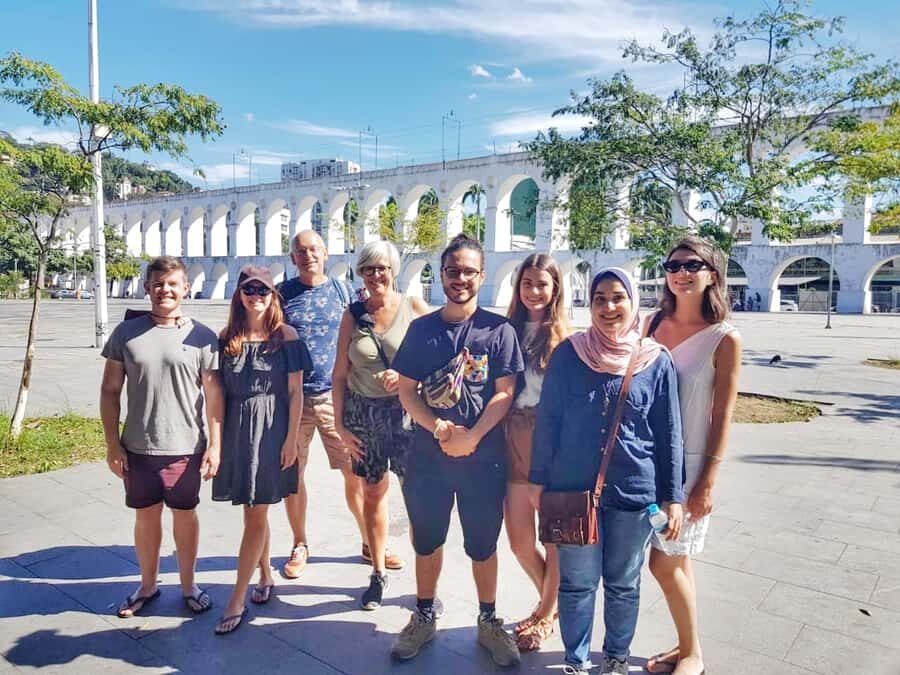
One of the best things this tour does is include an interior visit to the old cathedral. Seeing a church from the sidewalk is nice. Walking in and being inside it is a different experience—your sense of scale, design, and atmosphere snaps into place.
This matters on a first time visit because cathedrals tend to act like time machines. They hold layers of belief, ceremony, and identity in a way that photographs can’t fully explain. With the guide’s context, you’ll be able to connect what you’re seeing to the wider story of Rio’s development. The tour is designed to take you through more than just architecture; it’s meant to give you the storyline behind what the city decided to build and why.
I also like that you’re not stuck doing only one type of stop. The cathedral gives you a solemn, reflective pause. Then you keep moving through the city’s more political and civic landmarks. That rhythm makes a 3-hour walk feel balanced, not exhausting.
Possible catch: since this is a walking tour, you’ll still spend plenty of time outdoors on the route. So bring comfortable shoes and expect real time on your feet, even though the tour includes indoor visits.
Imperial palace stop: power stories you can connect to the streets
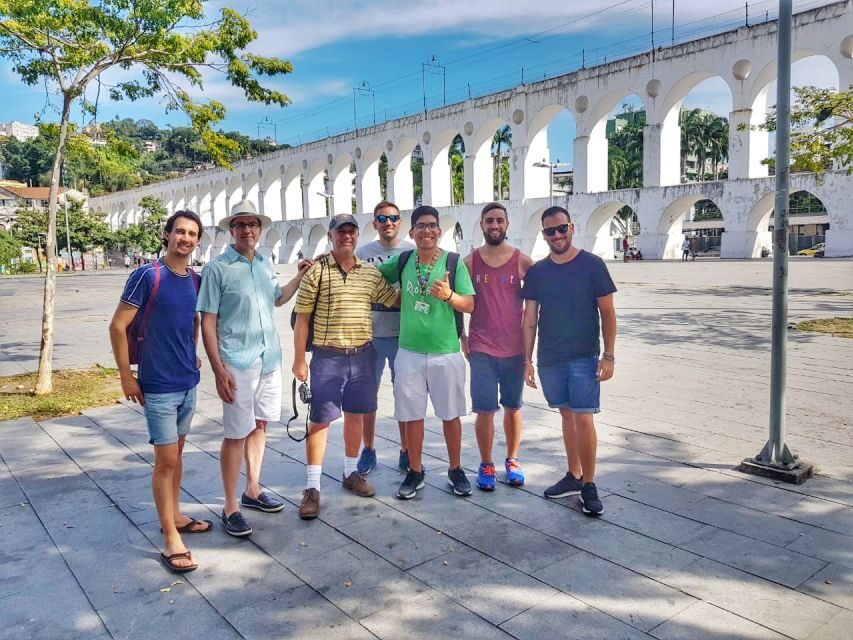
The tour also includes an interior visit to the imperial palace. This is where the history theme gets extra concrete. Palaces aren’t just impressive buildings; they’re political statements made in stone and detail. When you see them up close, you start to understand how court-era power influenced the city’s look and priorities.
What I like about this stop is that it supports the tour’s bigger message: Rio’s past isn’t only about exploration or scenery. It’s also about governance, social change, and the push-and-pull that led to new ways of thinking. The tour frames these eras through people who shaped the country and the city, including emperors and later freedom fighters and revolutionaries.
Even if you aren’t a history buff, this stop tends to work because it invites you to read the space around you. You’ll walk in with your eyes open and walk out thinking about the power dynamics that shaped Rio’s downtown layout. And because you’re walking between places rather than taking a bus, the setting stays connected. The streets don’t feel like a random travel puzzle. They feel like the living backdrop to what you just saw inside.
If you do best with stories that connect buildings to events, you’ll likely enjoy the way this portion turns architecture into a timeline you can remember.
National library visit: Rio’s memory, not just monuments
Another highlight is the interior visit to the national library. This is a different kind of stop, and it’s a smart inclusion. Libraries represent continuity: what a society chooses to preserve, organize, and pass forward. It gives you a sense of how Rio kept records of culture and knowledge while the world around it changed.
I like this stop because it rounds out the tour’s mix. A cathedral gives identity and ceremony. A palace gives political power. A library gives the idea of long memory. Put together, those three indoor visits help you understand Rio as a city with institutions, not just landmarks.
It also works well for travelers who get bored with purely visual sightseeing. In a library, you slow down. The guide’s explanations help you connect the building’s role to the city’s larger story, including Rio being part of broader world heritage recognition. You start thinking: this is what the city values enough to protect.
One practical note: you’ll still be on a schedule. The library stop is part of a 3-hour plan, so it’s not a deep “stay all day” experience. But in return, you get a compact tour that fits into real travel life.
You can also read our reviews of more historical tours in Rio De Janeiro






Approaching Lapa by walking: a change in feel, not just a new stop

The tour is branded as covering historical downtown and Lapa, and the walking format helps you feel those shifts without needing a full-day itinerary. As you move through the central streets, you’ll notice how the city’s mood changes block by block—architecture, street character, and the kind of daily movement you see outside.
I’d treat the Lapa portion as the “connect it to now” part of the trip. The early stops help you understand the past and the big institutions. Then the walk keeps you grounded in the present—locals going about their day around older landmarks and civic buildings.
Also, the guides are positioned to help you turn the sightseeing into an evening plan. If you want to keep the momentum going after the walk, you can ask about a good area to head out for samba and where to grab caipirinhas. It’s a nice way to stretch the trip’s value beyond just the 3 hours.
If you’re the type who enjoys walking through neighborhoods rather than checking off a list of attractions, this is a good fit. Just remember it’s still a walking tour, so you’ll earn the scenery with your legs.
The 3-hour format: how to pace yourself without rushing

With a duration of 3 hours, the tour hits a sweet spot for a first visit day. You get indoor access at key sites, plus enough time to walk between them and pick up the story the guide is building. And because the group is limited to 10 participants, you can usually keep the pace from turning into a frantic shuffle.
I like tours like this because they don’t trap you for half a day. They also tend to be easier to absorb afterward. You can go grab lunch, plan your next neighborhood, and know what you’re looking at. The walking time supports the learning: you hear context, then you see the city respond to it right outside.
That said, you should go in prepared for real walking. The tour happens rain or shine, which means you can’t count on a weather break. Bring comfortable shoes and dress for wet or dry conditions. If you have a low tolerance for standing and walking, this may not be the best fit.
Also, note the accessibility info: it is not suitable for people with mobility impairments. That’s worth respecting because a walking-heavy plan needs flexibility.
Price and value: is $60 fair for what you get?
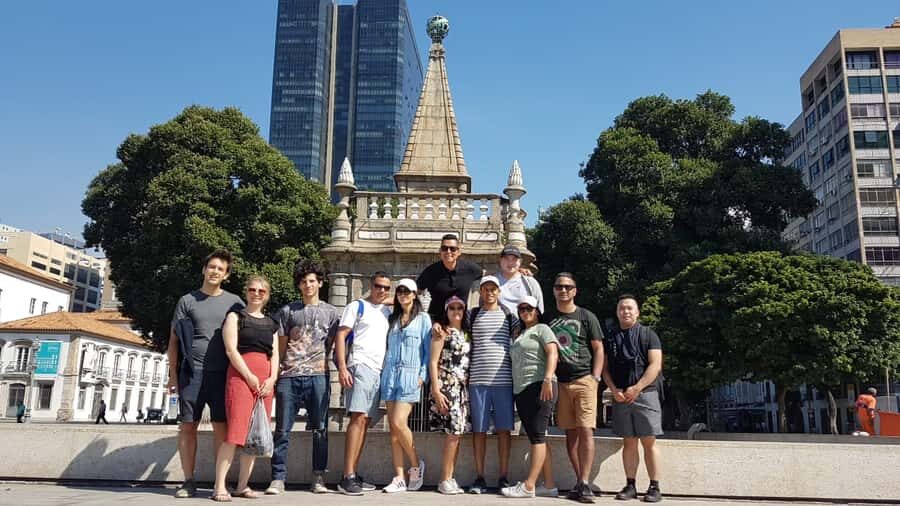
At $60 per person, this tour is priced like a guided walking experience that includes meaningful stops—not just outside viewing. The value comes from two things you actually feel while traveling:
First, you get three indoor visits (old cathedral, imperial palace, national library). Indoors means more time with context and less “just look and go” sightseeing. Second, you get a guide who can answer questions and help you turn history into actionable travel advice.
The small group size matters too. With a limit of 10 participants, the tour isn’t designed to steamroll you through facts. It’s set up so you can ask for clarification and get your questions handled in the moment.
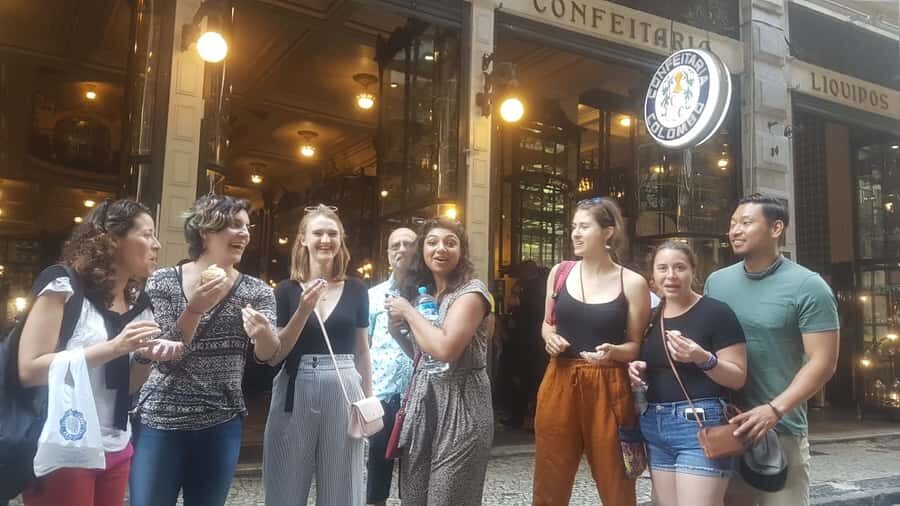
One review also mentioned a well-timed pitstop at Colombo café. That small detail matters more than it sounds. It breaks up the walking, gives you a rest, and helps the tour feel human rather than rushed.
Possible downside on value: the quality of the guide’s English delivery can vary. One person found the accent strong enough that they couldn’t always catch everything. You should still expect English support, but if you’re relying on perfect clarity, be mentally ready to work a little to catch details.
Overall, for 3 hours, for downtown + Lapa, and with multiple indoor stops, I think it’s a fair deal—especially as a first experience.
Guide style and what to ask during the walk
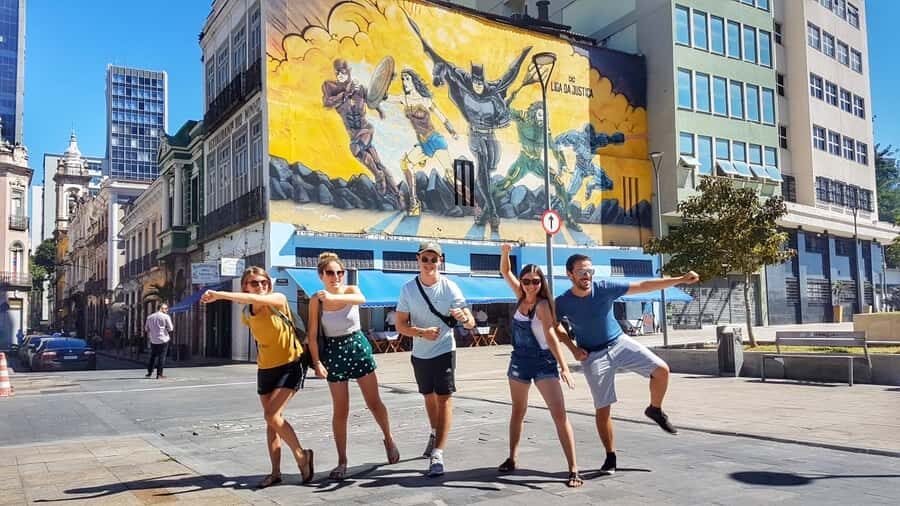
This is the kind of tour where questions help a lot. I’ve seen guides handle a lot of follow-ups, and it makes a difference when you want to understand why certain buildings matter or how different eras connect. In one case, the tour felt almost private—just the guide and one traveler—which shows how small group limits can sometimes create a one-on-one feel.
If your English is solid but you want extra clarity, here are questions worth asking on the spot:
- What should I pay attention to in each building as I’m walking past?
- What does the guide recommend for a quick lunch near the route?
- Where would you suggest for photos during daylight?
- After the tour, where’s a good area for samba and caipirinhas?
The tour is specifically built to offer more than facts. The guide is there to help you connect the experience to your day, so use that advantage instead of treating the walk like a fixed script.
And if you struggle with accents, don’t be shy about asking for a slower explanation or repeating the key point in a different way.
Who should book, and who might want a different option
I’d recommend this tour if:
- you want a first-day orientation to Rio’s downtown and the way Lapa fits into the bigger picture
- you like history explained through real places, not only plaques
- you enjoy walking with breaks and you don’t mind being outdoors part of the time
- you want guide help for photos and even your evening plans
I’d think twice if:
- you need major “greatest hits” monuments in high concentration; one review noted the old town area didn’t feel packed with highlights
- you have mobility limitations (it isn’t suitable)
- you’re very sensitive to hearing an accent if English clarity is your top priority
If you’re somewhere between those extremes, the decision often comes down to your travel style: do you enjoy context and city reading, or do you just want the biggest landmarks fast?
Should you book this tour?
Book it if you want a smart, structured 3-hour introduction that connects Rio’s court-era buildings to today’s street life. The indoor stops at the old cathedral, imperial palace, and national library add real weight to the walk, and the small group size makes it easier to ask questions. At $60, you’re paying for guidance and access—not just strolling around.
Skip it or pair it with something else if you’re chasing a long list of top-tier monuments. This tour is more about understanding the city’s layers than ticking off a scrapbook of famous sights.
If you go, do two simple things: wear comfortable shoes, and arrive at Praça Cinelândia early in front of Theatro Municipal so you start on time. That’s the best way to get the full value from a guided route built to make Rio’s history make sense on foot.
FAQ
FAQ
How long is the Rio de Janeiro Historical Downtown and Lapa walking tour?
The tour lasts 3 hours.
Where is the meeting point?
Meet in front of Theatro Municipal, Praça Cinelândia.
What is the group size?
The group is limited to 10 participants.
What languages are available?
The live tour guide offers English, Portuguese, and Spanish.
Is the tour only outdoors?
No. It includes a walking tour plus interior visits to the old cathedral, imperial palace, and national library.
Does the tour run in bad weather?
Yes, the walking tour happens rain or shine.
What should I bring?
Bring comfortable shoes.
Is this tour suitable for people with mobility impairments?
No, it is not suitable for people with mobility impairments.
How much does it cost?
The price is $60 per person.
Can I cancel or change plans?
You can cancel up to 24 hours in advance for a full refund, and there is also a reserve now and pay later option.