REVIEW · RIO DE JANEIRO
Rio Jewish Heritage Half-Day Tour
Book on GetYourGuide →Operated by CARIOCA TROPICAL TOUR OPERATOR · Bookable on GetYourGuide
Rio tells Jewish stories in plain sight. This half-day tour strings together Park Itzhak Rabin with wide views toward Sugar Loaf, then moves through central Rio to connect Jewish influence in Brazil to real streets and buildings. I like that the guide links the names on the plaques to what life looked like in different neighborhoods, and I also like the variety of stops, from a museum to multiple places of worship. The main drawback to plan for: entrance costs and a tzedakah donation at a synagogue are extra.
At about 3 hours, the pacing stays sensible. You travel by air-conditioned minivan, then step out for focused visits rather than long, tiring waits.
The tour runs in Spanish and English, and one guide you’ll hear about with standout praise is Leonardo, praised for sharing both personal perspective and clear context in an engaging way.
In This Review
- Key highlights you’ll feel right away
- Park Itzhak Rabin: Botafogo beach and Sugar Loaf views
- Downtown wayfinding: Chaim Weizmann Square, Anne Frank school, Catete
- Jewish Museum and the Grand Temple (1932) stop for meaning
- Shel Gmelut Hassidim in Botafogo and the Pedro II connection
- Copacabana stops: Club Israelita Brasileiro and Beth El Synagogue
- Synagogues might swap: Beth Yacov or Beit Lubavitch
- Price and time: how $99 works as value
- Who this tour suits best
- Practical tips for a respectful visit
- Should you book the Rio Jewish Heritage Half-Day Tour?
- FAQ
- How long is the Rio Jewish Heritage Half-Day Tour?
- Does the tour include hotel pick-up and drop-off?
- What languages are the live guides?
- What is included in the tour price?
- Are entrance fees included?
- Which sites will the tour visit?
- Can the synagogue stops change?
- Is kosher lunch available?
- What is the cancellation policy?
Key highlights you’ll feel right away
- Park Itzhak Rabin views: Botafogo beach and Sugar Loaf from a place tied to the Rabin legacy
- Chaim Weizmann Square + Anne Frank school: a downtown waypoint that turns big-world names into street-level context
- Catete furniture commerce connection: a local neighborhood detail that helps explain how Jewish communities built businesses
- Jewish Museum and the 1932 Grand Temple: structured learning paired with a beautiful historic building
- Sephardic synagogue Shel Gmelut Hassidim: a major site in Botafogo connected to an important visit by Emperor D. Pedro II
- Copacabana institutions: Club Israelita Brasileiro and Beth El Synagogue (with some synagogue swaps possible)
Park Itzhak Rabin: Botafogo beach and Sugar Loaf views
The tour starts at Park Itzhak Rabin, inaugurated by Lea, his wife. Even before you get into dates and denominations, the setting does work: from the park you get privileged views over Botafogo beach and Sugar Loaf.
I like opening here because it gives you a sense of Rio’s scale right away. You’re not just moving between buildings; you’re seeing how people lived, traveled, and gathered in a city that mixes sea views, hills, and dense neighborhoods.
It’s also a respectful starting point. Rabin’s connection gives the visit a modern anchor before the tour turns to older chapters of Jewish life in Brazil.
You can also read our reviews of more historical tours in Rio De Janeiro



Downtown wayfinding: Chaim Weizmann Square, Anne Frank school, Catete
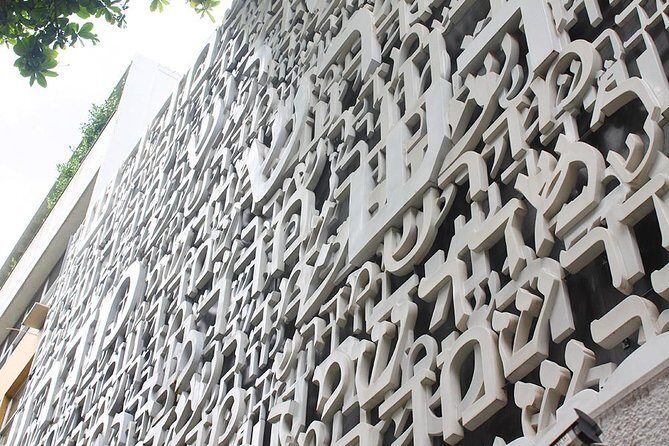
Next comes downtown orientation: you’ll pass Chaim Weizman Square and see how public spaces carry Jewish-linked names. The tour also highlights a public school named after Anne Frank, which is a powerful reminder that Jewish history in Rio isn’t only local; it also reflects international memory.
Then you move through Catete, where the tour points out that resident Jews once established a thriving furniture commerce. This matters more than it sounds. It’s easy to think community history is only about temples and festivals; the Catete detail brings in daily work—trades, shops, and the kind of business that makes neighborhoods feel lived-in.
Expect this section to feel like guided “map reading.” The stops are short, but the story ties together why those neighborhoods look the way they do today.
Jewish Museum and the Grand Temple (1932) stop for meaning
From downtown, the tour goes to the Jewish Museum. This is where the pace shifts from street-level clues to organized learning, so you can place what you’re seeing into a bigger picture of Jewish life in Brazil.
Right after that, you visit the Grand Temple, a beautiful building from 1932. The year is the kind of detail that helps you understand permanence: this wasn’t a temporary presence. It was building, planning, and investing in institutions that could serve generations.
One practical note: entrance fees are not included. The Jewish Museum charges USD 3.00 per person, so it’s worth budgeting a little extra if you’re counting exact costs.
Shel Gmelut Hassidim in Botafogo and the Pedro II connection
After the museum-and-temple pairing, you head to Synagogue Shel Gmelut Hassidim, located in Botafogo. The tour specifies it as being in the Sephardic Jewish-Spanish rite, which is a great chance to see that Jewish communities in Brazil were not one single culture. Different rites mean different traditions, even when the shared faith and language of worship connect people.
This stop also comes with a standout historical detail: the synagogue has received the visit of Emperor D. Pedro II. That one line helps you grasp something important for Rio. Jewish institutions weren’t isolated behind doors. They were part of the wider social world to the extent that the emperor could visit.
If you like learning with specifics, this is one of the most compelling parts of the route. You’ll walk away with a clearer idea of how Jewish life intersected with power and public recognition in Brazil.
Copacabana stops: Club Israelita Brasileiro and Beth El Synagogue
In Copacabana, you’ll visit the Club Israelita Brasileiro and the Beth El Synagogue. I especially like clubs being part of a heritage tour, because it signals community life beyond worship. A club can be where people gather to socialize, organize, and support each other—often the everyday engine of cultural continuity.
Copacabana is also the perfect backdrop for this stop. It’s a neighborhood people associate with tourism and beach days, but this tour reminds you it’s also a place with institutions and long-term residents who built communal life.
For this day’s route, these are key moments where you can see how Jewish heritage shows up in both religious and social spaces.
A few more Rio De Janeiro tours and experiences worth a look






Synagogues might swap: Beth Yacov or Beit Lubavitch
The tour includes several synagogue visits, but there’s a built-in flexibility note you should know up front. Depending on client request and/or availability, Beth Yacov (Eastern-European Ashkenazi rite) in Copacabana and Beit Lubavitch (Orthodox Chasidic rite) in Leblon may replace other synagogues.
This doesn’t mean you’ll miss the point. It means you’re more likely to experience a rite that matches your interest and what’s accessible that day. If you’re comparing denominations or just want the best chance to see an open, functioning synagogue, this flexibility helps.
I suggest telling the operator ahead of time what you’d prefer, especially if you have a particular rite you want to see. The tour is short, so you want your priorities to line up.
Price and time: how $99 works as value
The price is USD 99 per person for a 3-hour small-group tour. What you’re paying for isn’t just walking into sites. You’re getting a professional guide, hotel pick-up and drop-off, and transport by air-conditioned minivan/car.
That matters in Rio. Travel time eats half-days fast, and the route covers multiple neighborhoods. The included transport lets you focus on the story instead of playing taxi roulette.
Two extra costs are clearly stated:
- USD 3.00 per person for the Jewish Museum
- USD 6.00 per person as a tzedakah at the Grand Synagogue
So if you’re planning a realistic budget, add those known amounts on top of the tour price. Also remember the tour doesn’t include food and drinks, so eat before you go or plan on purchasing something nearby if you need it.
From a value standpoint, the sweet spot is simple: you get guided context for a handful of high-impact locations in one compact window, with logistics handled.
Who this tour suits best
This is a strong fit if you want heritage without getting stuck in a long, museum-only day. It’s also ideal if you like tours that connect big names to everyday places—parks, squares, neighborhoods, and buildings you can actually point to on a map.
It’s especially good for:
- People who enjoy cultural history and want specifics like rites and place-based community clues
- Travelers who like structure, but still want variety in the stops
- Anyone who appreciates the route being built around religious and community institutions, not just one building
If you prefer a totally relaxed sightseeing pace with lots of free time, you might find the tight schedule a bit intense. This is designed for learning and seeing key sites, not for wandering for hours.
Practical tips for a respectful visit
Because the tour includes synagogues, dress appropriately. Even without strict rules listed, you’ll have a better experience if your clothes feel respectful and comfortable for walking and short stops.
Also, bring your curiosity. This tour works best when you’re ready to ask questions about the differences you’ll see in rites and community institutions. The guide’s job is to connect the dots, but your questions help you get more from each stop.
One more practical detail: kosher lunch is available on previous request. If that matters to you, tell the operator in advance so they can plan accordingly.
Should you book the Rio Jewish Heritage Half-Day Tour?
I’d book it if you want a focused, well-organized half-day that gives you real context fast—views to start, then institutions, museums, and synagogues that show how Jewish life took shape in Rio. The small-group setup and hotel pick-up reduce friction, and the route covers a lot of ground without turning the day into a blur.
Skip it only if you dislike tours that include religious sites where you need to dress appropriately and follow a set visit order. Also budget a little extra for the museum fee and the stated tzedakah.
If you want a smarter way to understand Rio beyond the usual checklist, this one does the job.
FAQ
How long is the Rio Jewish Heritage Half-Day Tour?
The tour lasts 3 hours.
Does the tour include hotel pick-up and drop-off?
Yes. Hotel pick-up and drop-off are included.
What languages are the live guides?
The live tour guide offers Spanish and English.
What is included in the tour price?
Included are a professional guide, hotel pick-up and drop-off, a small-group tour, and transport by air-conditioned minivan or car.
Are entrance fees included?
No. Entrance fees are not included. The Jewish Museum charges USD 3.00 per person, and the Grand Synagogue asks a tzedakah of USD 6.00 per person.
Which sites will the tour visit?
The tour visits Park Yitzhak Rabin, the Jewish Museum, the Grand Temple, the Clube Israelita Brasileiro, and synagogue stops.
Can the synagogue stops change?
Yes. Beth Yacov (Ashkenazi rite) in Copacabana and Beit Lubavitch (Chasidic rite) in Leblon may replace other synagogues depending on request and availability.
Is kosher lunch available?
Kosher lunch is available upon previous request.
What is the cancellation policy?
You can cancel up to 24 hours in advance for a full refund.