REVIEW · RIO DE JANEIRO
Tijuca Forest´s hike: caves, waterfalls and great views
Book on GetYourGuide →Operated by Trilhas e Cachoeiras · Bookable on GetYourGuide
Tijuca Forest is the world’s largest urban forest, and this guided hike turns it into a proper morning or afternoon out of the city. I especially love the 35-meter Cascatinha Taunay start and the chance for a natural waterfall shower on the way. You’ll move through rainforest trails with stops built around water, caves, and photo-worthy viewpoints, all with a local guide keeping you moving at a safe pace.
One thing to plan for: this isn’t a short, flat stroll. The trails may be described as easy, but the circuit is long enough that you should show up with decent stamina—and you’ll deal with uneven ground and wet, slippery patches.
In This Review
- Key Things You’ll Notice Right Away
- Entering Tijuca Forest: Why This Hike Feels Different
- Praça Afonso Vizeu Meeting Point and the Big Start at Cascatinha Taunay
- The Uphill Trail Through Rainforest Trails and Historical Stops
- Cachoeira das Almas and A Floresta: Turning Names Into Actual Places
- Cave Circuit Safety: What You Can Expect From the Cave Stops
- Waterfall Bath Breaks and View Moments
- Pacing, Terrain, and Packing Like You Actually Mean It
- Guide Power: Lucas, Mirna, and the Benefit of Hike-At-Your-Pace Leadership
- Price and Value: What You’re Really Paying For at $40
- Who This Hike Is For (and Who Should Skip It)
- Quick FAQ for Your Tijuca Forest Day
- FAQ
- How long is the Tijuca Forest hike with caves and waterfalls?
- What is the group size?
- What languages are offered?
- What’s included in the price?
- What is not included?
- Where do I meet the guide?
- Are the caves part of the route safe?
- Can I swim or bathe at the waterfalls?
- What should I bring for the hike?
- Is the tour accessible for everyone?
- Should You Book This Tijuca Forest Caves and Waterfalls Hike?
Key Things You’ll Notice Right Away
- Cascatinha Taunay (35 meters) is your first big moment
- Small group size (max 8) helps the guide pace the hike
- Caves and waterfall stops are part of the same route
- You’ll learn the forest via historical sites and named stops
- Water breaks include spots where you can relax and bathe
- Terrain varies: roots, stones, trunks, and slippery sections
Entering Tijuca Forest: Why This Hike Feels Different
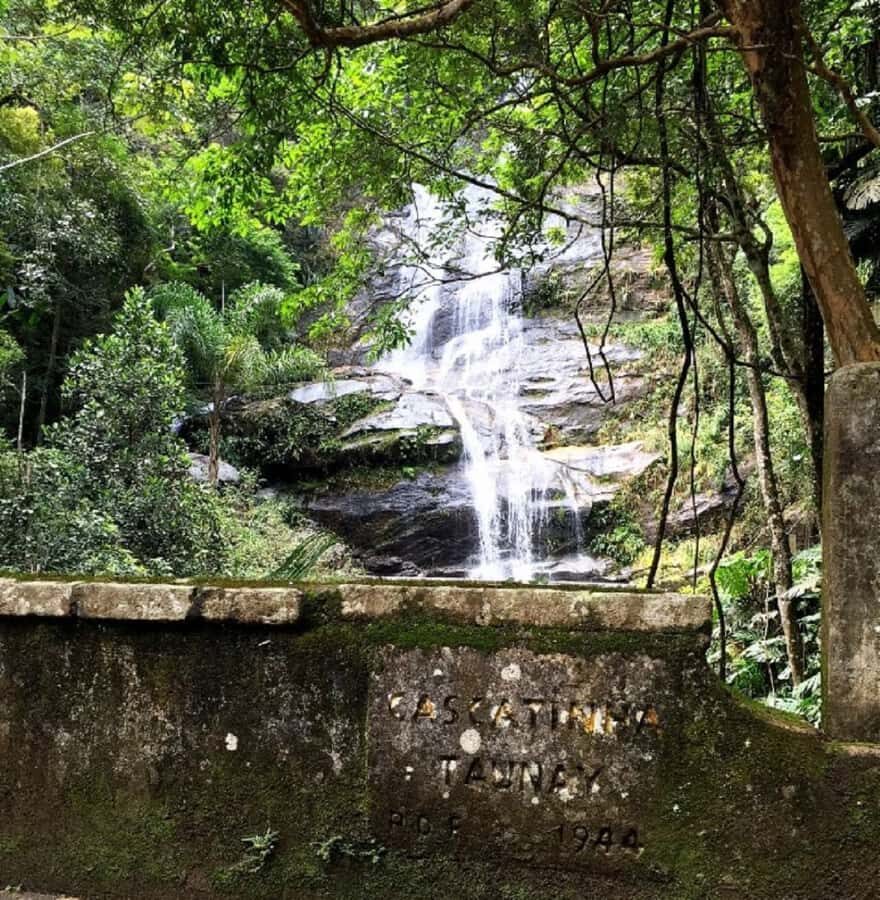
If you’re picturing Tijuca Forest as just a viewpoint stop, this route changes the feel fast. You’re not only looking at the rainforest. You’re walking through it, which means you notice the sound of water, the smell after rain, and the way the trees shape the light.
This is also a smart way to “do Rio’s green side” without hiring a taxi every time you want one more waterfall. The guide ties the whole area together with a route that blends water features, caves, and historical attractions. That structure matters because the park is big, and the right order makes the day flow instead of turning into a random slog.
You can also read our reviews of more hiking tours in Rio De Janeiro



Praça Afonso Vizeu Meeting Point and the Big Start at Cascatinha Taunay
You’ll meet at Praça Afonso Vizeu, in Alto da Boa Vista, at the entrance to Tijuca Forest. The practical tip is to look for the entrance on the opposite side of the restaurant at the center of the plaza. Arriving 10–15 minutes early helps you find the correct spot without stress.
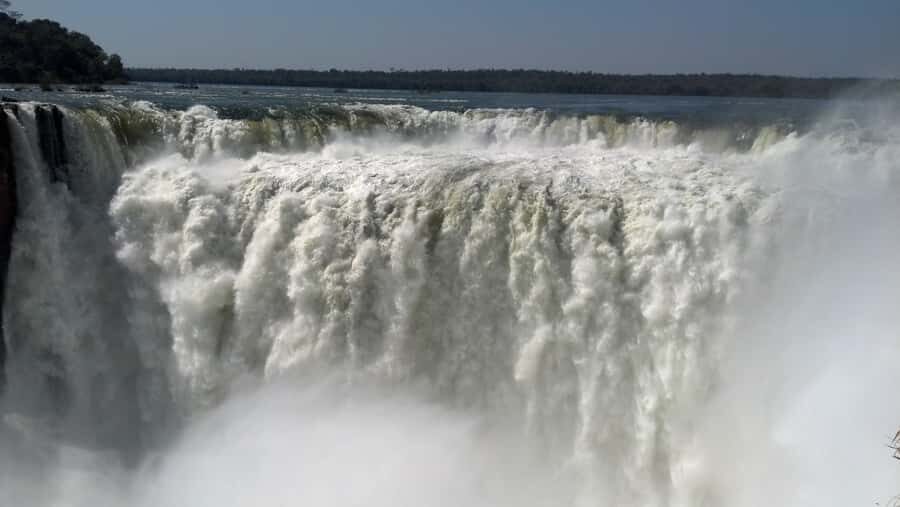
Right away, you get your first headline waterfall: Cascatinha Taunay, listed as 35 meters high and the most famous waterfall in the forest. It’s one of those starts that tells you you’re not walking for nothing. Even if you’re not a “waterfall person,” it sets the tone: humid air, rainforest plants, and water power right from step one.
The Uphill Trail Through Rainforest Trails and Historical Stops
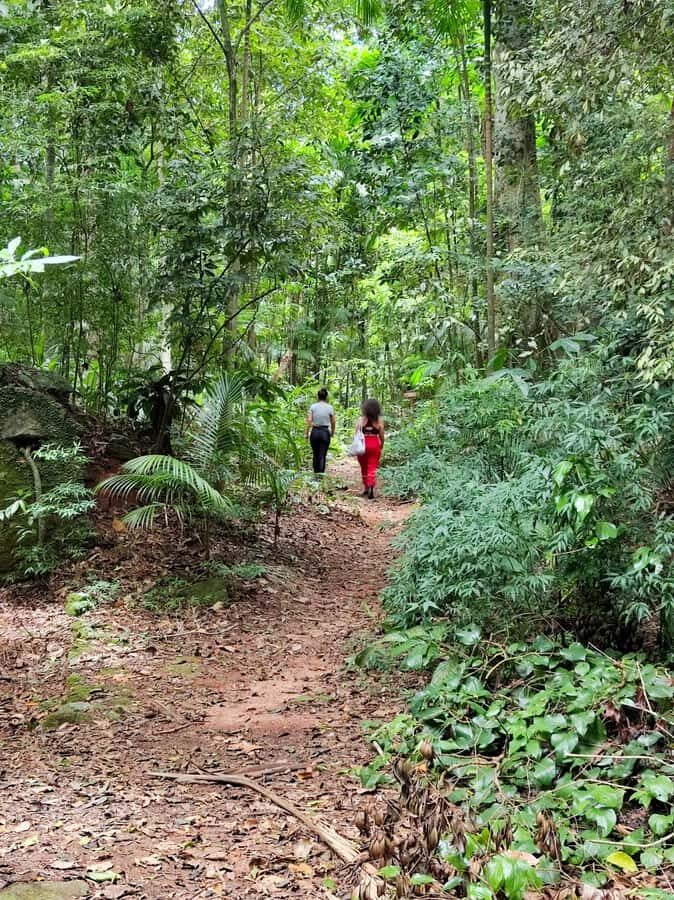
After the first waterfall, the route shifts uphill along trails that can be rocky and irregular. This is where the “easy but long” note becomes real. You’re not doing technical climbing, but you will spend time on uneven surfaces. Bring shoes you trust on roots and stones, because the park’s ground can be slick when it’s wet.
You’ll also walk along what’s essentially a story line: a historical circuit and areas tied to the park’s past. That’s valuable because it stops the day from being only about scenery. You’re learning why these paths and sites exist, while also getting up close to rainforest vegetation that gives Tijuca Forest its reputation as an urban jungle you can actually escape into.
You’ll pass through areas with streams of crystalline water and rock formations. Those details matter because they’re not just pretty—small streams and textured rock keep your walk interesting even on the stretches between major stops.
Cachoeira das Almas and A Floresta: Turning Names Into Actual Places
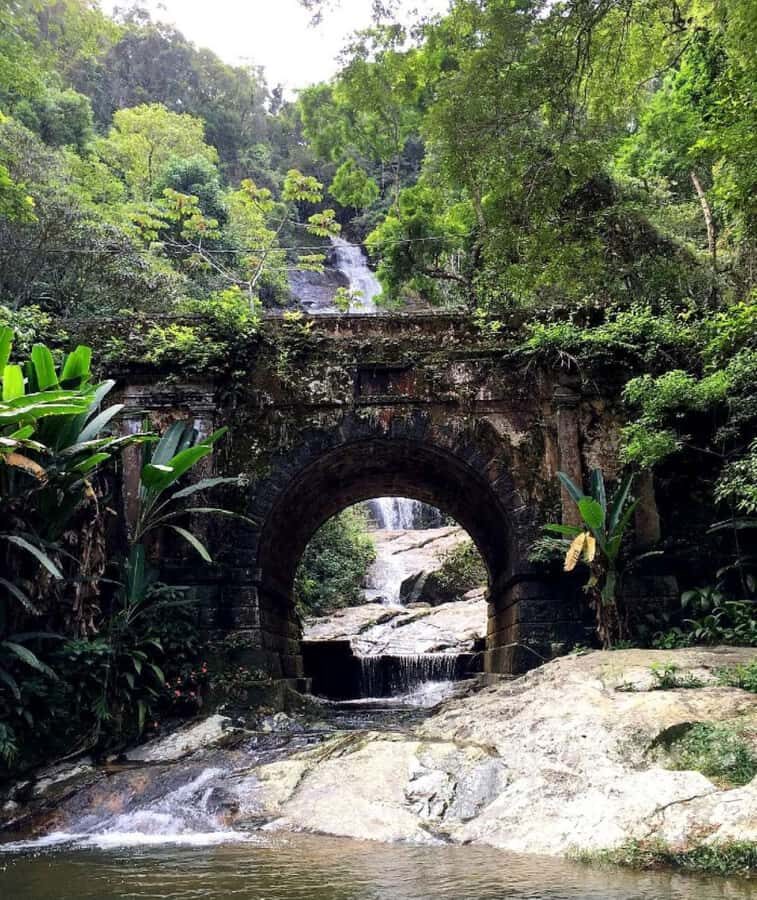
One of the named stops you’ll visit is Cachoeira das Almas. It’s the kind of place you remember because it’s tied to a route, not just a single photo point. When you reach these waterfall stops, you typically get time to pause, look around, and take breaks without the day turning into a constant “walk, hurry, repeat” loop.
You’ll also visit A Floresta Restaurant as part of the route. Even if you’re not planning a full meal, having a recognizable stop can help you orient yourself. It also gives the day a more grounded rhythm—something between nature hike and guided excursion where you can catch your breath and regroup.
Cave Circuit Safety: What You Can Expect From the Cave Stops
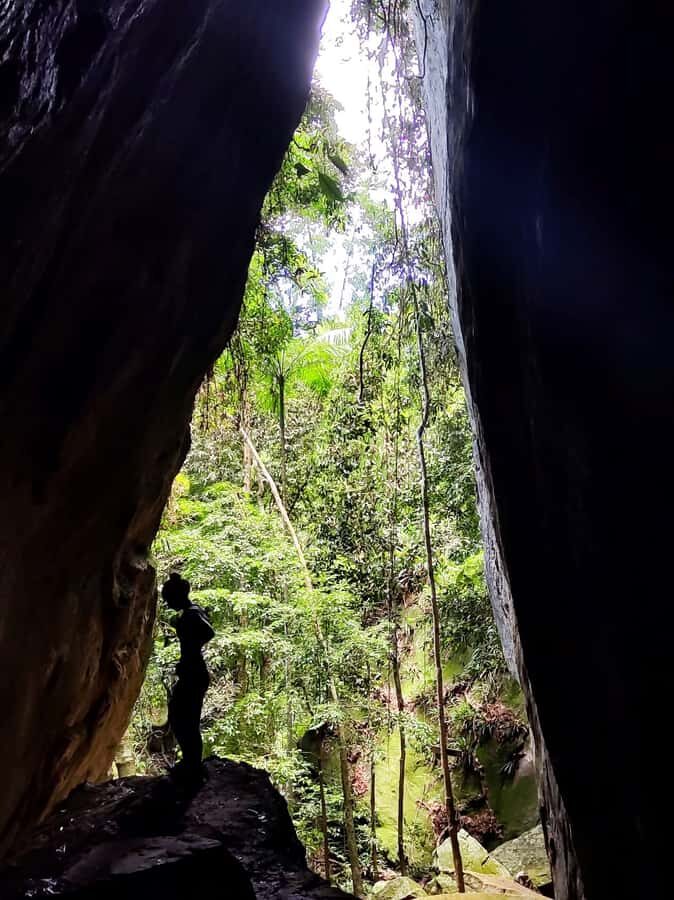
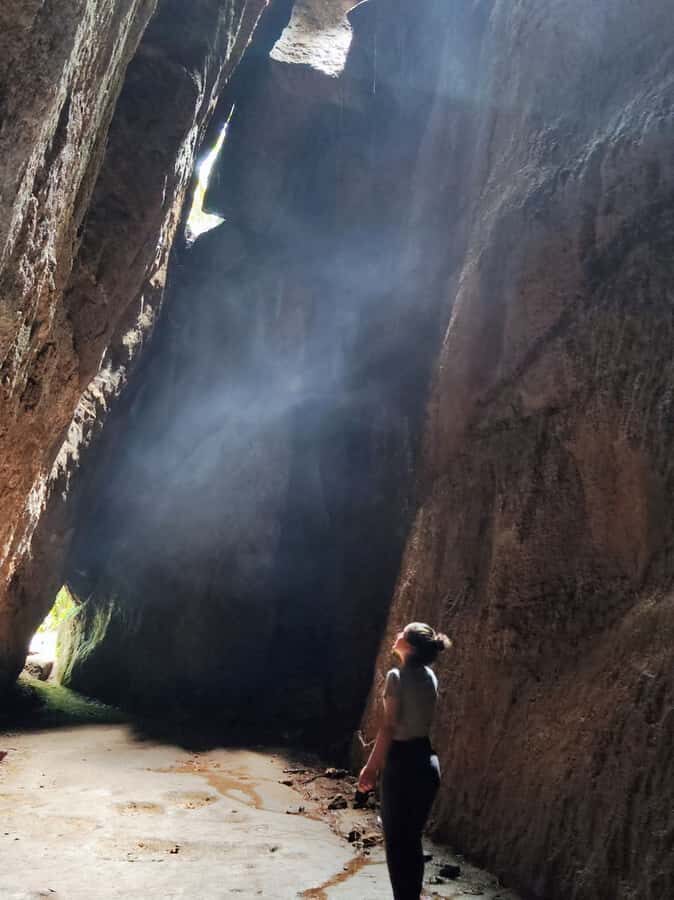
This hike includes a circuit of the caves, which is a big draw for many people—because it’s not common for a city-adjacent rainforest hike to mix caves and waterfalls in one guided route.
Good news: the caves visited are described as safe with no danger to participants. That’s a key detail for you to take seriously before you go, because it lowers the guesswork. Still, you’ll want to use the basics: stay on the path, watch your footing, and keep your energy steady. Caves in a tropical forest setting often feel cooler and damp, and slippery surfaces can happen if you’re not paying attention.
If you’re curious about the “experience” side, caves add variety to your senses. You get a change in sound, a shift in air, and a different type of rock texture than the open waterfalls. It makes the day feel like a mini exploration mission instead of a standard trail walk.






Waterfall Bath Breaks and View Moments
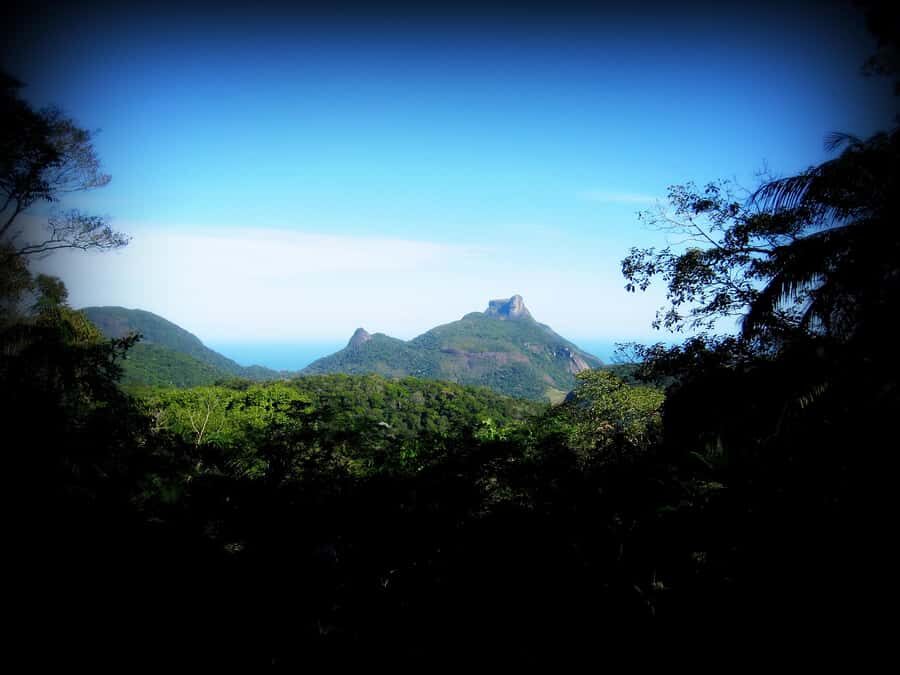
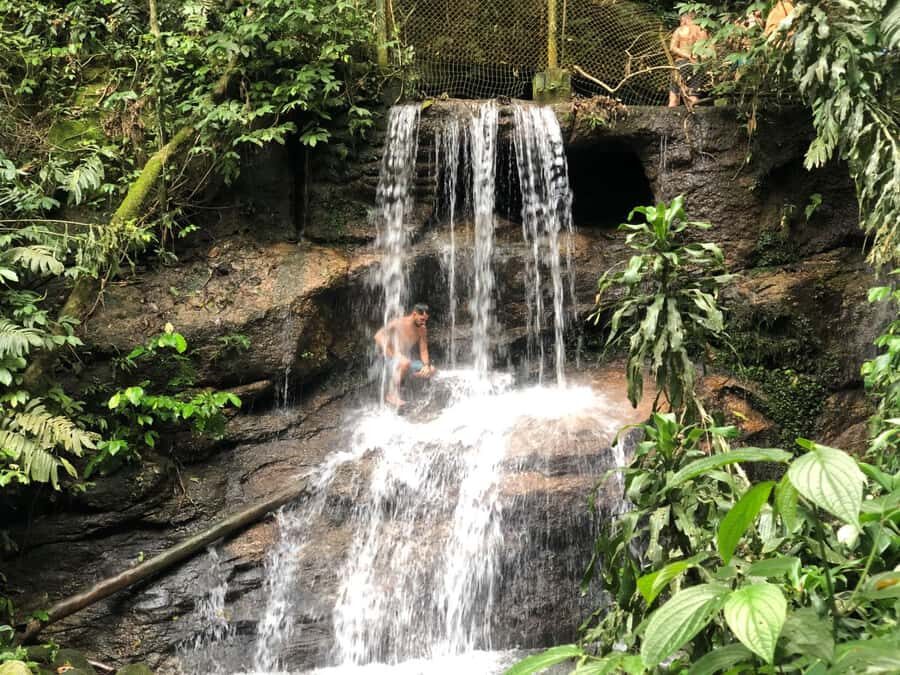
A big part of the appeal is the chance to actually relax by the waterfalls, not just stand for a quick snapshot. The route includes stops where you can bath and unwind, plus time to relax and have some snacks. Since snacks are not included in the tour price, bring what you like, or plan to purchase food where you can once you’re on the route.
The showers are clean, too—all waterfalls have clean water, according to the tour info. That’s important if you’re deciding whether to bring swimwear. If you’re on the fence: pack it. A small detour in your bag plan can turn one of your breaks into the day’s best memory.
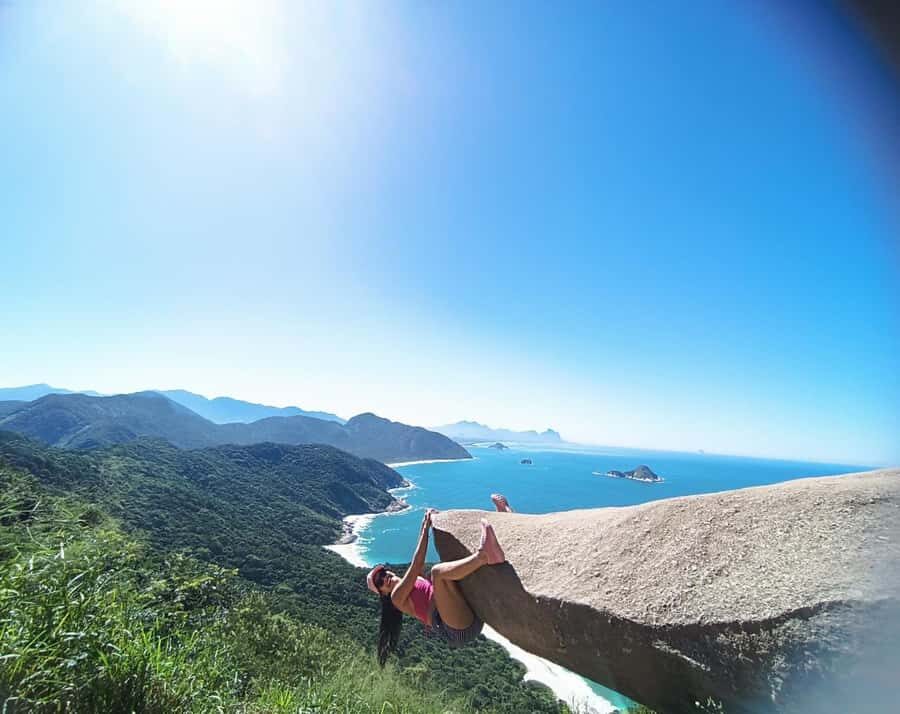
You’ll also get great views. That doesn’t mean every step is a panorama. But the uphill walking and key stops give you those look-back moments where Rio’s city energy feels far away.
Pacing, Terrain, and Packing Like You Actually Mean It
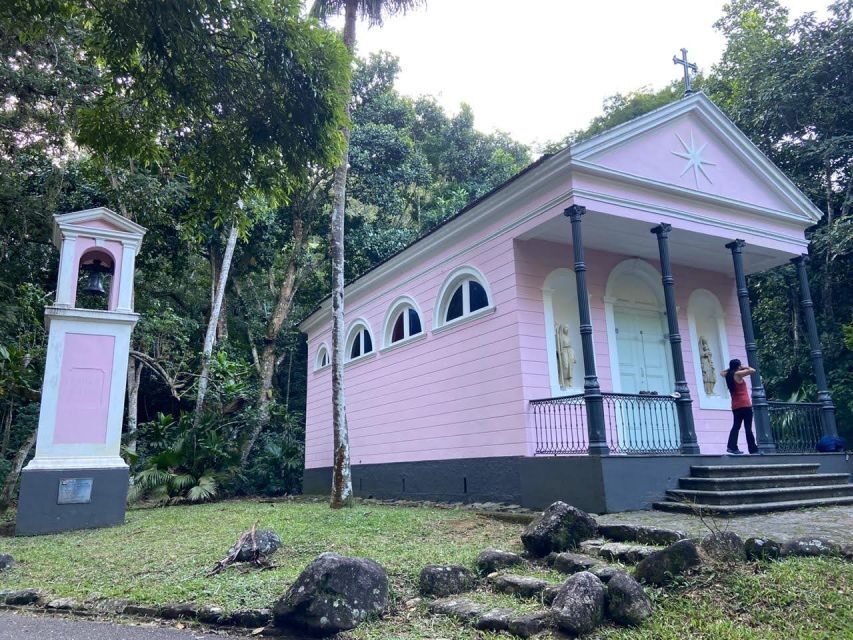
The tour says trails are easy, but the circuit is long, and the ground is varied. Think: stones, roots, trunks, and the constant possibility of wet, slippery soil. It’s “not hard” in the climbing sense, but it still asks for real hiking comfort.
What to bring is where you’ll thank yourself later:
- Comfortable shoes (non-negotiable)
- Towel
- Swimwear (for the bath waterfall stops)
- Water (bring your own; it’s not included)
- Insect repellent (Brazil’s forest mosquitoes are not shy)
- Sunscreen
- Breathable clothing
- Snacks (also not included)
- Cash
- Personal medication
- Passport or ID card
One more practical note: if your towel and swimwear are in a bag you won’t open during the day, you’ll miss the best moment. Pack them so you can access them fast when the waterfall stop comes.
Guide Power: Lucas, Mirna, and the Benefit of Hike-At-Your-Pace Leadership
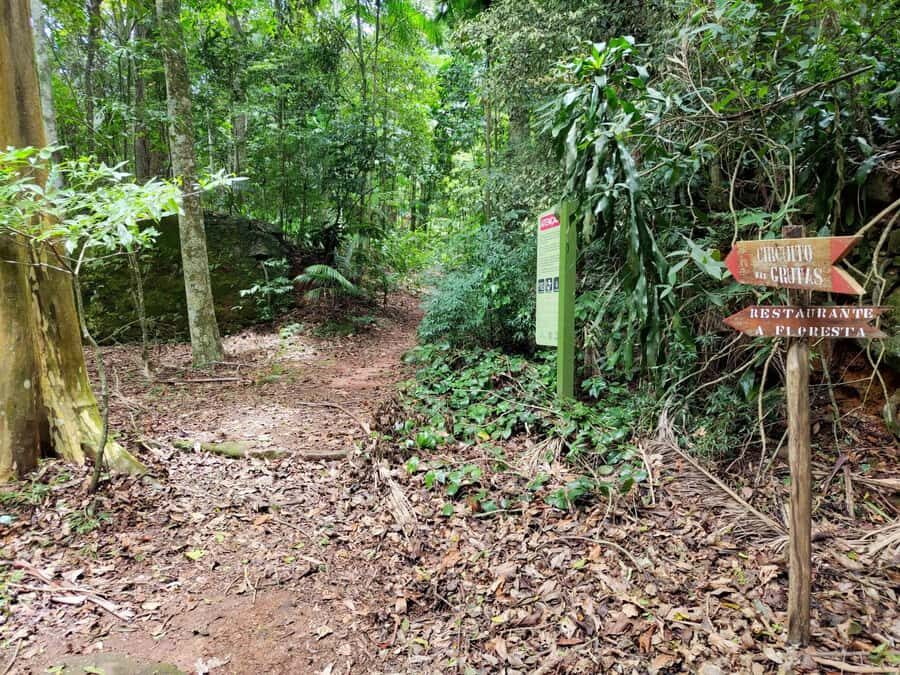
This is one of those tours where the guide can make or break the day. And the feedback is consistent: Lucas (and Mirna, in some groups) takes care of pacing and comfort. People highlight how the guides hike according to your level, ask regularly if you need to rest or get water, and use their knowledge to point out what to notice in the forest.
That matters because Tijuca isn’t a place where “just walk forward” works well. Without a guide, you can miss context. With a guide, you get named sites like Cascatinha Taunay and Cachoeira das Almas, plus the route organization that keeps the day from feeling random.
Small group size—limited to 8 participants—also helps. Less crowding around viewpoints and waterfall pauses means you spend more time actually experiencing and less time waiting your turn.
Price and Value: What You’re Really Paying For at $40
At $40 per person for about 4 hours, you’re paying for a guided experience with a tight group and bilingual support. That’s usually a good value in a place like Tijuca Forest, where navigation and route logic make a difference.
Here’s the trade-off: the tour price does not include several essentials. Transportation, water, sunscreen/repellent, and snacks are not included. So the real “cost” depends on what you already have in your daypack. If you arrive prepared, the price feels fair. If you arrive without supplies, you may spend extra on basics right when you want them most.
The value also improves if you want the mix of waterfalls + caves + views + historical stops in one go. Doing these pieces separately would likely take more time and coordination.
Who This Hike Is For (and Who Should Skip It)
This is best for people who want an active, guided rainforest outing without extreme difficulty. The route is described as having no major difficulties, but it does require a minimum level of physical preparation due to the length and irregular terrain.
It’s not suitable for:
- People with heart problems
- Wheelchair users
- People with mobility impairments
- Children under 12
You might also want to reconsider if you’re traveling with a strong need for totally flat paths. This hike isn’t about stairs-of-doom, but it does include uphill and uneven ground.
On the plus side, one review mentioned seeing animals (monkeys). That kind of wildlife sighting isn’t guaranteed, but it’s the sort of thing this forest can provide if you stay alert during quieter trail moments.
Quick FAQ for Your Tijuca Forest Day
FAQ
How long is the Tijuca Forest hike with caves and waterfalls?
The guided tour is about 4 hours, with an additional short free time break of about 30 minutes during the day.
What is the group size?
It’s a small group limited to 8 participants.
What languages are offered?
The guide is bilingual in English and Portuguese.
What’s included in the price?
You get a bilingual tour guide.
What is not included?
Transportation, water, sunscreen, insect repellent, and snacks are not included.
Where do I meet the guide?
Meet at Praça Afonso Vizeu, at the entrance to Tijuca Forest on the opposite side of the restaurant at the center of the plaza.
Are the caves part of the route safe?
The caves visited are described as safe and not dangerous to participants.
Can I swim or bathe at the waterfalls?
The route includes stops where you can bathe and relax at the waterfalls. You should bring swimwear if you want to take advantage.
What should I bring for the hike?
Bring comfortable shoes, a towel, water, insect repellent, sunscreen, breathable clothing, snacks, cash, personal medication, swimwear, and an ID or passport.
Is the tour accessible for everyone?
No. It’s not suitable for wheelchair users, people with mobility impairments, or children under 12, and it’s also not recommended for people with heart problems.
Should You Book This Tijuca Forest Caves and Waterfalls Hike?
If you want a guided day that feels like real jungle time—waterfalls you can cool off at, a cave circuit, and views without constantly figuring out logistics—this is a strong choice. The small group and the way Lucas (and Mirna, when present) handles pacing are standout reasons to book, especially if you’d rather not white-knuckle an unfamiliar trail.
If you’re short on time or you need fully flat, easy ground, you may want a different Tijuca option. But if you can handle uneven, possibly slippery trails for a longer circuit, you’ll likely come away feeling like you actually experienced the forest—not just passed through it.