REVIEW · RIO DE JANEIRO
Favela Santa Marta: Walking Tour with local guide
Book on GetYourGuide →Operated by Tour by Foot · Bookable on GetYourGuide
The Santa Marta favela tour flips your assumptions fast. A local guide leads you through Dona Marta’s streets, starting with a funicular ride and ending with a big-name music-story viewpoint.
I love that it’s about daily life, not just photos. You also get to see community projects that connect residents with education and creative opportunities, including stops like the Dona Marta arts and sports centers.
One consideration: if the Santa Marta Cable Car is down, you’ll either walk up with your guide or take a taxi (about R$ 15), and the tour isn’t suitable for people with mobility impairments.
In This Review
- Key highlights you’ll actually feel
- Dona Marta in 150 minutes: what you’re signing up for
- Funicular up first: why the start matters
- Walking the streets: colorful homes, lived-in history, and what people build
- Arts center and sports center: the community’s public face
- The Michael Jackson viewpoint: the story behind Laje do Michael Jackson
- Social projects and community spaces: what’s included (and what depends)
- Price and value: $34 is a bargain when the guide is good
- Logistics that actually matter: shoes, cash, rain, and the cable car backup
- Best fit: who will enjoy this most
- Should you book Favela Santa Marta: Walking Tour with local guide?
- FAQ
- How long is the Favela Santa Marta walking tour?
- What does the tour include?
- Is food included?
- What languages are available for the guide?
- What should I bring?
- What happens if the Santa Marta Cable Car is not operating?
- Is the tour suitable for people with mobility impairments?
Key highlights you’ll actually feel
- Funicular start, big change in perspective: you go up first, then walk the neighborhood streets.
- Real local resident guide: you’re guided by someone living the place, not just selling a script.
- Community stops with a purpose: arts center, sports center, and social spaces like the Residents’ Association.
- Michael Jackson viewpoint connection: the Laje do Michael Jackson ties the neighborhood to They Don’t Care About Us.
- Street art + traditional homes: murals and colorful houses are part of the story, not decoration.
- Time-friendly group format: private or small groups help keep the experience manageable for 150 minutes.
Dona Marta in 150 minutes: what you’re signing up for
This is a 150-minute walking tour with an official local guide in a small-group format (private or small groups available). The goal is simple: you’ll see Dona Marta as residents see it, with context for how the community formed and what kinds of projects exist today.
At $34 per person, it’s priced like a cultural city activity, but the value comes from the access. You’re not just looking from the street—you’re walking through key community spaces such as the residents’ association, arts center, and sports center. Food is not included, so plan to spend a bit extra if you want a meal or snacks after the tour.
You should also know this tour is designed for people comfortable with walking and being in a real neighborhood. It’s not a museum route with polished sidewalks and quick photo stops.
You can also read our reviews of more walking tours in Rio De Janeiro



Funicular up first: why the start matters
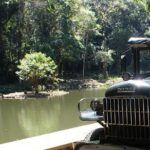
The experience begins at the Dona Marta favela with a funicular ride to the highest part of the neighborhood. This matters more than it sounds. It saves your legs for the main walking portion, and it also helps you get oriented quickly—you arrive where the views make sense, then move through the streets from there.
The Santa Marta Cable Car is a key part of the flow. If it’s not operating on the day of your tour, you have two options: your guide accompanies you while you walk up, or you can take a taxi (about R$ 15). That backup plan is worth factoring into your own comfort level, especially if you’re sensitive to hills or long uphill walking.
Practical tip: wear comfortable shoes. This is a walking tour, and you’ll be moving through neighborhood streets for the better part of two and a half hours.
Walking the streets: colorful homes, lived-in history, and what people build
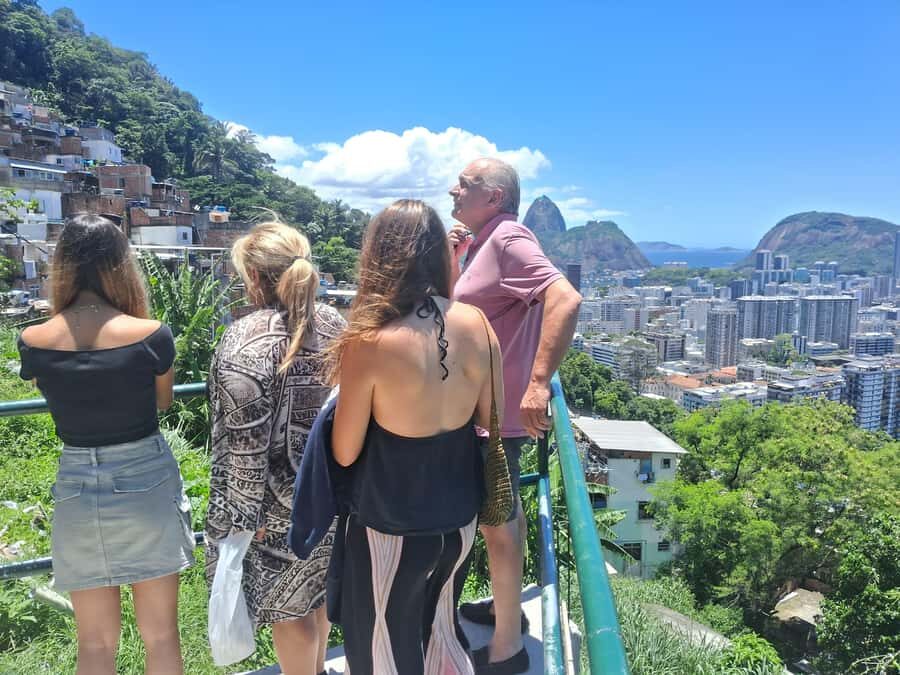
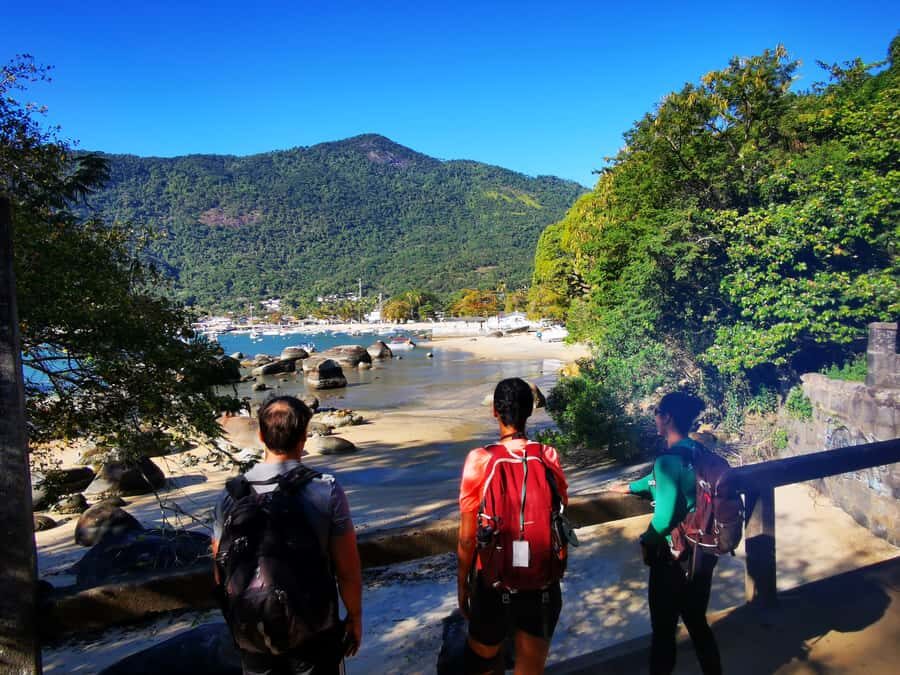
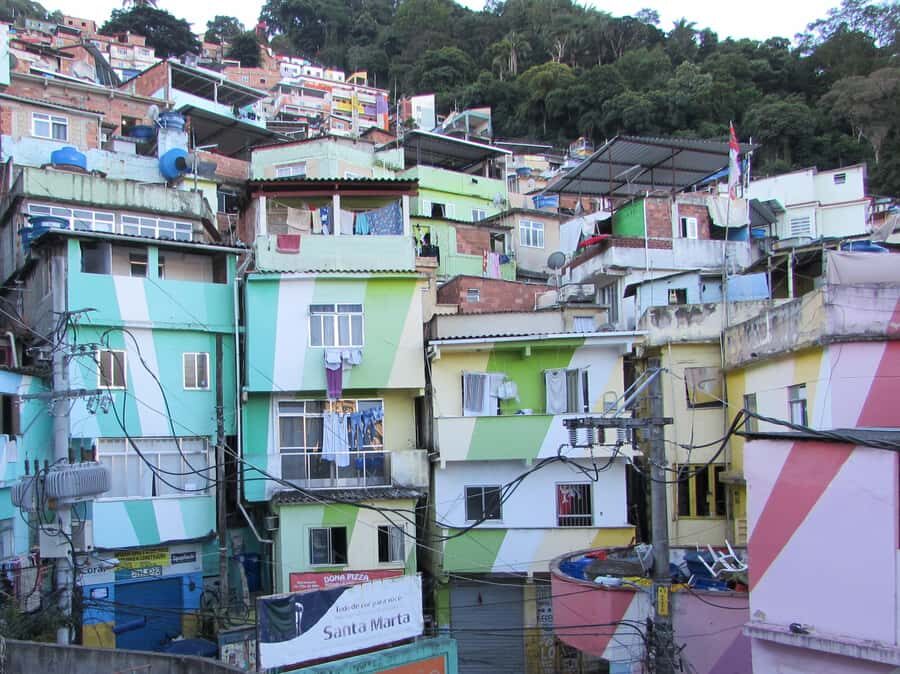
Once you’re at the top, you start walking through Dona Marta’s streets while you hear about the history of the colorful houses. The community is home to around 8,000 residents, and the tour keeps bringing the focus back to people and everyday life rather than stereotypes.
What I like about this part is that it uses what you can see—houses, murals, and public activity—to explain how the area works. You’ll likely notice how the tour narrative shifts once you’re physically there. The “before you go” assumptions don’t survive contact with real projects and everyday routines.
You can also expect multiple visual stops during the walk:
- traditional colorful houses
- street art murals
- areas tied to education and community programs
This route is also a reminder that a favela is not one thing. It’s a place with institutions, and it changes over time as residents organize and create opportunities.
Arts center and sports center: the community’s public face
A big reason this tour is worth your time is that it visits spaces that serve residents, not just sightseeing points. You’ll visit the Dona Marta arts center and the favela’s sports center, where the focus shifts from houses to programs.
Here’s what these stops do for you as a visitor:
- They show you what residents invest in beyond housing.
- They put creativity and physical activity into the same frame as community life.
- They make the tour feel grounded, not like a slideshow.
These are also places where you can see how community identity gets expressed. Street art is one form. Arts workshops and community cultural spaces are another. Sports centers reflect the same idea: people organize around teamwork, health, and local pride.
If you’re the type of traveler who wants more than “look at this,” you’ll appreciate these stops. They turn the tour from sightseeing into learning what a neighborhood chooses to support.
The Michael Jackson viewpoint: the story behind Laje do Michael Jackson
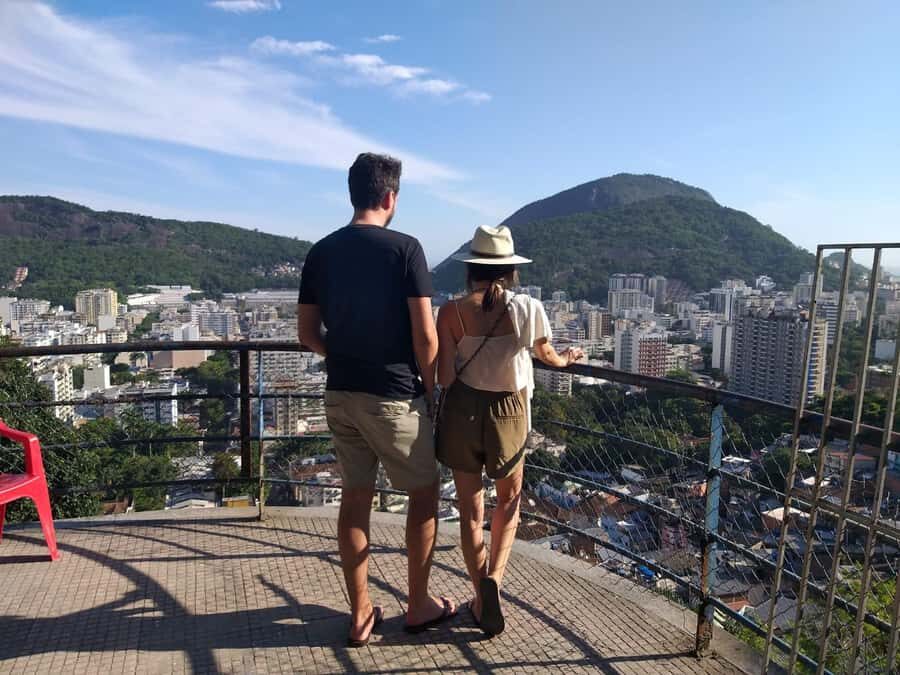
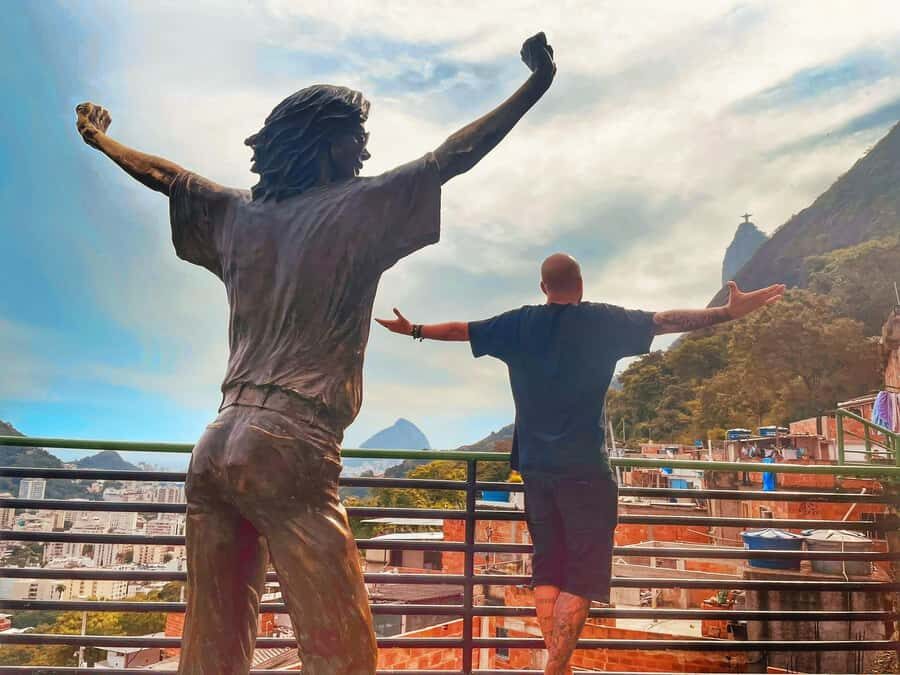
One of the signature moments is the stop at Laje do Michael Jackson, a viewpoint with a statue connected to the famous American singer. The tour explains why this curiosity exists: it was the setting for the video of Michael’s hit They Don’t Care About Us.
This is one of those stops that works on two levels. First, it’s a strong photo moment and a clear landmark. Second, it’s a conversation starter that connects a global pop-culture reference to a very local setting.
From the viewpoint, you also get a spectacular view across the region’s mountains. Views matter on tours like this, because they help you understand geography. From higher ground, Dona Marta doesn’t feel like an isolated pocket—it reads as part of Rio’s wider mountain-and-neighborhood structure.
You’ll want to dress for weather changes too. Mountain views can mean cooler air or sudden rain, even when the city is warm.
You can also read our reviews of more guided tours in Rio De Janeiro

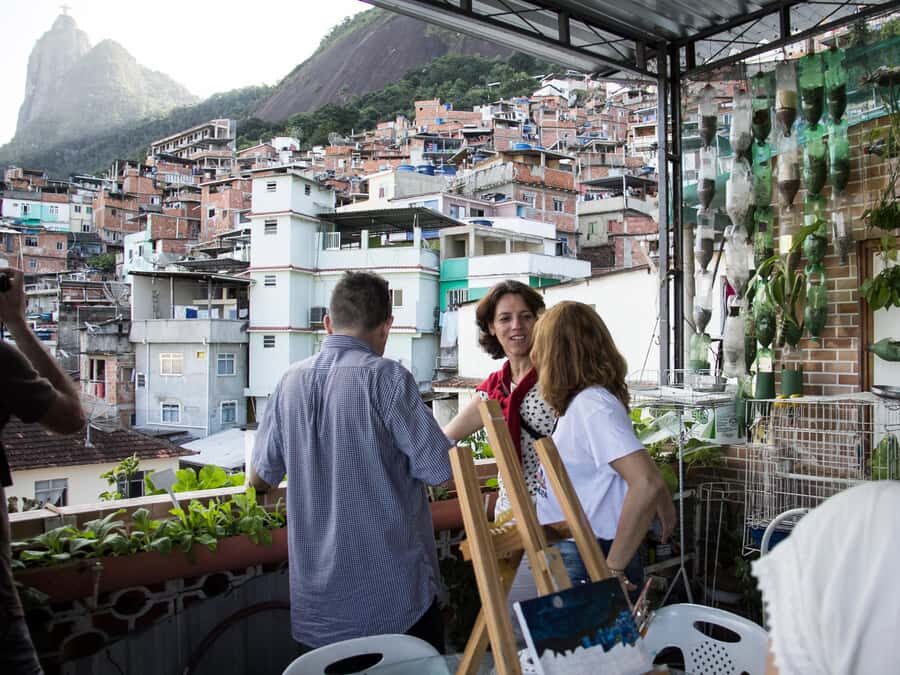
Social projects and community spaces: what’s included (and what depends)
The tour includes several community-related visits, including:
- a visit to the Residents’ Association and social projects
- a visit to handicraft shops
- a visit to community daycare (when open)
That “when open” line is important. These community spaces operate on real schedules, so the exact experience can vary day to day. If the daycare is open, you’ll see another layer of what the community supports. If it’s not open, you still get the broader tour through the Residents’ Association and other spaces.
Handicraft shops are included, and that’s a chance to support local makers. Bring cash because purchases aren’t built into the tour price. Even if you don’t buy, the shops give you a better read on everyday commerce and creativity in the neighborhood.
One more practical note: food is not included. There’s an option to buy your own food at a pub during the experience, so if you get hungry, you’ll be able to take care of yourself—but plan for it financially.
Price and value: $34 is a bargain when the guide is good
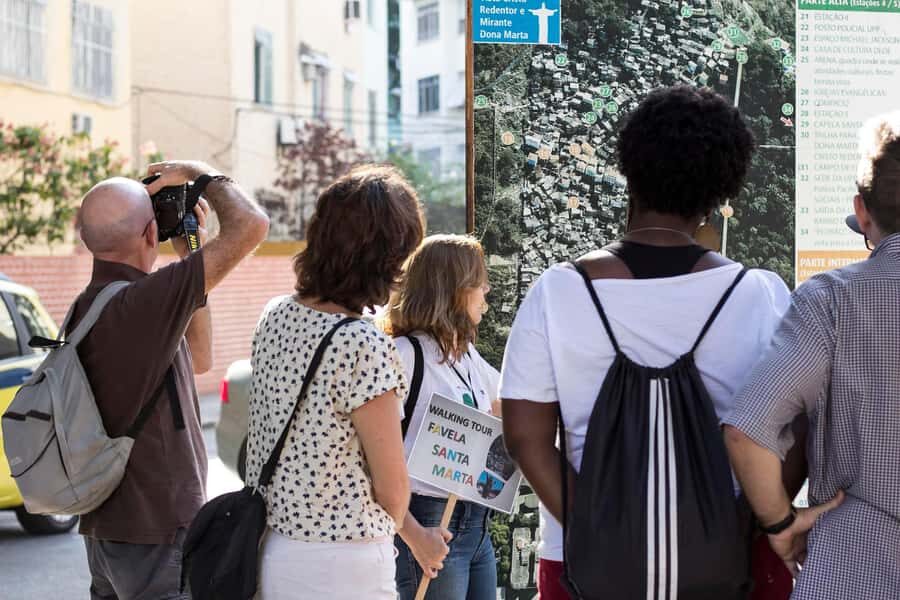
$34 for 150 minutes is a very reasonable price for a guided neighborhood walk that includes multiple community stops. The value is strongest when your guide can translate what you’re seeing into clear context—history, daily life, and why certain projects exist.
And guide quality shows up in the details. One name you might encounter is Marco. He’s been praised for being friendly and for speaking French very well, with explanations that make the experience feel like more than a route.
If you’re choosing between tours, focus on two things: small-group format and a real local resident guide. Those are the ingredients that usually separate a thoughtful cultural visit from a quick walk with minimal context.
Logistics that actually matter: shoes, cash, rain, and the cable car backup
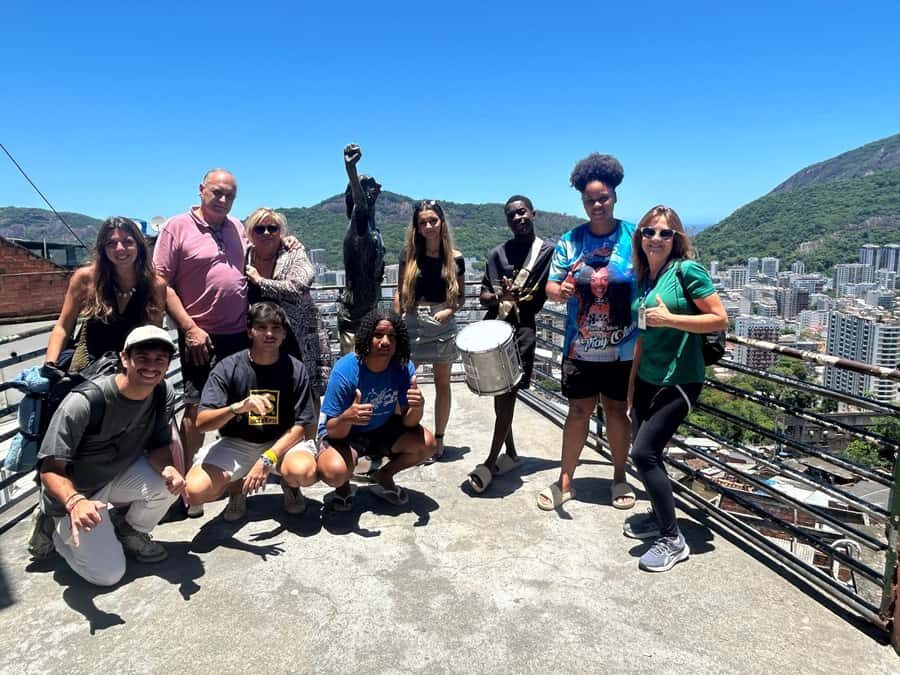
This tour is straightforward, but small details will make your day smoother.
What to bring
- Passport or ID card
- Comfortable shoes
- Cash
You’ll want cash for souvenirs, food, and drink at local stores. Even if you only plan to buy one small item, cash avoids the hassle.
Weather
The tour can take place in light rain, so dress accordingly. A light drizzle can still feel cold higher up, and you’ll be walking.
Cable car downtime
If the Santa Marta Cable Car is not operating, you’ll walk up with your guide or take a taxi (about R$ 15). If you choose the walking option, treat it like part of the experience rather than a problem—this is still a guided visit, just with more effort on your side.
Who it’s not for
It’s not suitable for people with mobility impairments. That’s mostly about the neighborhood environment and the walking involved, not about refusing anyone—just real-world access constraints.
Best fit: who will enjoy this most
This tour is ideal if you want a real neighborhood experience with context. It’s especially good for:
- people who like guided explanations and want more than surface-level photos
- visitors who want to understand how education, arts, and sports programs function locally
- travelers who appreciate small-group pacing
It’s also a solid choice if you’ve never visited a favela before and you want to do it with a local resident guide. Starting higher with the funicular helps you get oriented fast, and the sequence of stops keeps the story flowing.
If you want a slow, zero-walking experience, this won’t be the right fit. The format is designed for movement and on-the-ground learning.
Should you book Favela Santa Marta: Walking Tour with local guide?
If you want an honest, structured walk with a local resident guide and multiple community stops, I’d book it. The price-to-time ratio is good, and the itinerary isn’t just “show me the view”—it includes the arts and sports centers and the Residents’ Association, plus handicraft shops and daycare when open.
Book with extra confidence if you’re traveling with someone who likes learning from the people who live there. And go in prepared for a real walking tour: bring cash, wear sturdy shoes, and expect light rain possible.
If your mobility is limited, or if you absolutely can’t handle the possibility of walking up when the cable car is down, choose another activity. Otherwise, this is a meaningful way to see Dona Marta with context, not just headlines.
FAQ
How long is the Favela Santa Marta walking tour?
It lasts about 150 minutes.
What does the tour include?
It includes the favela walking tour with a local resident guide, a visit to the Residents’ Association and social projects, handicraft shops, and a community daycare visit when open.
Is food included?
No. You can buy your own food at a pub during the experience.
What languages are available for the guide?
The live guide is available in English, French, Spanish, and Portuguese.
What should I bring?
Bring your passport or ID card, comfortable shoes, and cash.
What happens if the Santa Marta Cable Car is not operating?
If it’s not operating, you’ll have to walk to the top of the favela with your guide, or you can take a taxi (about R$ 15).
Is the tour suitable for people with mobility impairments?
No, it is not suitable for people with mobility impairments.