REVIEW · SALVADOR BRAZIL
Salvador: CAPOEIRA CLASS – CULTURAL
Book on GetYourGuide →Operated by hakatrip · Bookable on GetYourGuide
Capoeira at night in Salvador is pure movement. I love how this class turns fight and dance into one shared activity, with music and culture running through every step. It is a practical workout, too, with warm-up work that sets your body up for kicks, spins, and control.
I also like the small group size (limited to 8), because you get more direct attention and quicker feedback. And since the teaching includes the cultural side, you are not just copying moves; you are learning the why, along with the rhythm, the songs, and the community feel that capoeira depends on.
One consideration: the class is taught in Portuguese, so if you do not speak it, you may need to rely on body language and demonstration. Even so, the structure and the focus on basics usually help you follow along.
In This Review
- Key takeaways
- Where You Meet: Hostel Nomads and the 7:30 PM Rhythm
- What You Do in 90 Minutes: Warm-Up to Kicks, Spins, and Control
- The Instructor Focus: Portuguese Teaching, Attentive Corrections
- Music, Songs, and the Circle Energy
- Body, Mind, and Soul: Why This Feels Like More Than a Workout
- Price and Value: Is $17 Worth 90 Minutes of Capoeira?
- Who This Class Suits Best in Salvador
- Quick Booking Checklist Before You Go
- Should You Book This Capoeira Class?
- FAQ
- When does the capoeira class run in Salvador?
- How long is the class?
- Where do I meet for the class?
- Is the class taught in English?
- How big is the group?
- What is included in the price?
Key takeaways
- 90 minutes of kick, spin, and coordination work at a clear 7:30 PM time slot
- Small group up to 8 people, so the instructor can correct your form
- Portuguese-led instruction, with movement-first learning that still works if you are not fluent
- Cultural context built into the practice, including resistance and empowerment themes
- Music and songs are part of the experience, and you may get hands-on with instruments
Where You Meet: Hostel Nomads and the 7:30 PM Rhythm
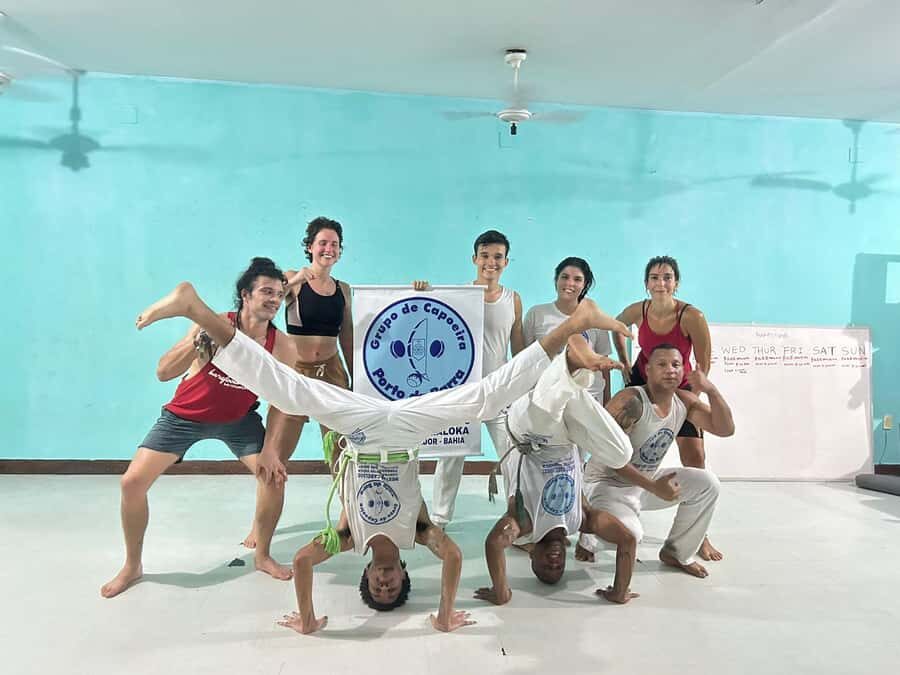
This capoeira class runs every Monday and Wednesday at 7:30 PM, and you meet at Hostel Nomads. That timing is smart if you want an active evening instead of another day of sitting in the heat or rushing between sights.
A 7:30 start also changes the vibe. The body is warmer after the day, and you have time beforehand to eat and hydrate without feeling rushed. If you are spending a day walking in Salvador, this class is a way to burn energy while learning something that feels local, not touristy-by-default.
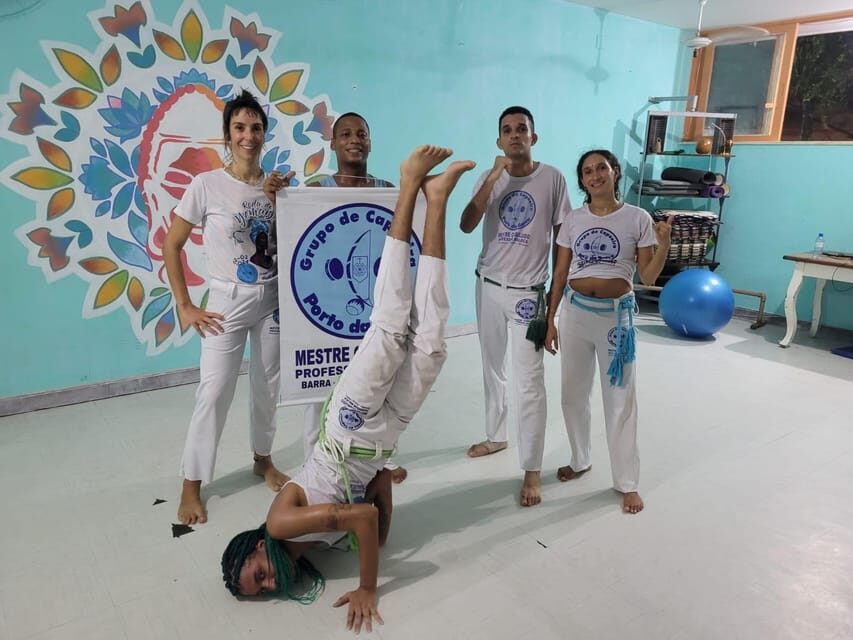
The group is intentionally small (up to 8 participants). In a sport that involves timing, spacing, and balance, that matters. It means you spend more time practicing than waiting, and the instructor can watch what your feet and hips are doing.
A few more Salvador Brazil tours and experiences worth a look
What You Do in 90 Minutes: Warm-Up to Kicks, Spins, and Control
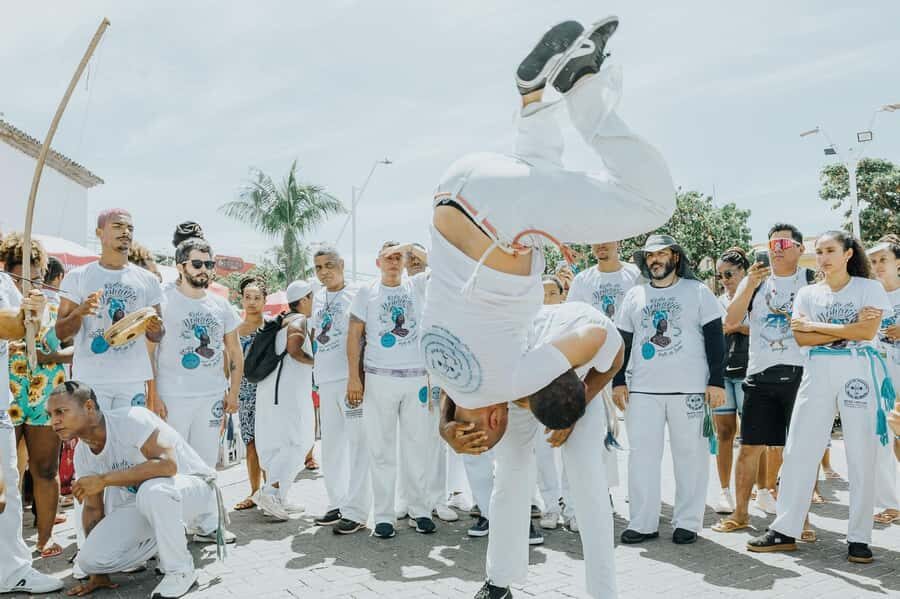
The class is 90 minutes, and it follows a clear progression that helps you learn without getting lost.
It starts with a lively warm-up focused on agility, flexibility, and coordination. This is not filler. Capoeira moves demand quick changes of direction, controlled landings, and range in hips and legs. A good warm-up reduces the chance you feel stiff or unstable the moment you start practicing kicks and spins.
From there, you build technique. Expect sequences that include kicks, spins, and acrobatics, guided step by step. The instructor emphasizes both technique and expression, which is key in capoeira. You are not just learning shapes; you are learning how to flow from one move to the next while keeping your balance.
The cultural angle is also woven into the training. The way capoeira is taught here links movement to meaning, including roots in resistance and empowerment and how the art shows up in contemporary urban culture. For you, that matters because it turns a workout into a language. Once you understand the intention, the movements make more sense.
If you are an absolute beginner, do not worry. Most 90-minute basics sessions focus on getting your body comfortable with fundamental patterns: stance, rhythm, footwork, and simple sequences you can repeat. The reviews back this up, with people highlighting how well the instructor introduces the fundamentals.
The Instructor Focus: Portuguese Teaching, Attentive Corrections
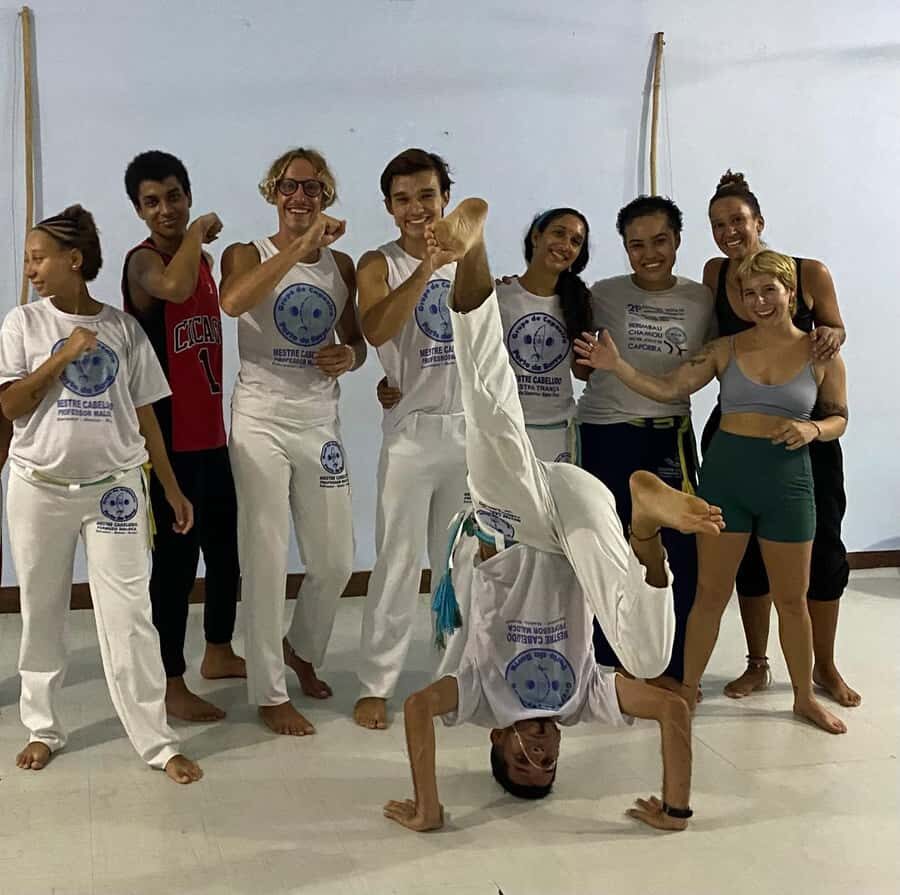
This class is led by a Portuguese instructor, and the instruction is in Portuguese. That is the main thing that can affect your experience if you do not speak the language.
But here is why it still works for many people. Capoeira is physical. Even when words are limited, the teaching uses clear demonstration and repeated drills. You can learn by watching, copying, and getting small corrections. That is especially important in moves involving spins and acrobatics, where one misstep can throw off your whole rhythm.
The teaching style is also a standout. Multiple high ratings mention an attentive, pedagogical professor who makes the class feel both intense and fun. What you should take from that is not just personality. It is the quality of instruction: the instructor knows how to guide beginners into a safe, confident start.
So if your goal is a solid first taste of capoeira in Salvador, this format is a good match. You get structure, corrections, and enough momentum that you leave feeling like you learned real basics, not just stood around.
Music, Songs, and the Circle Energy
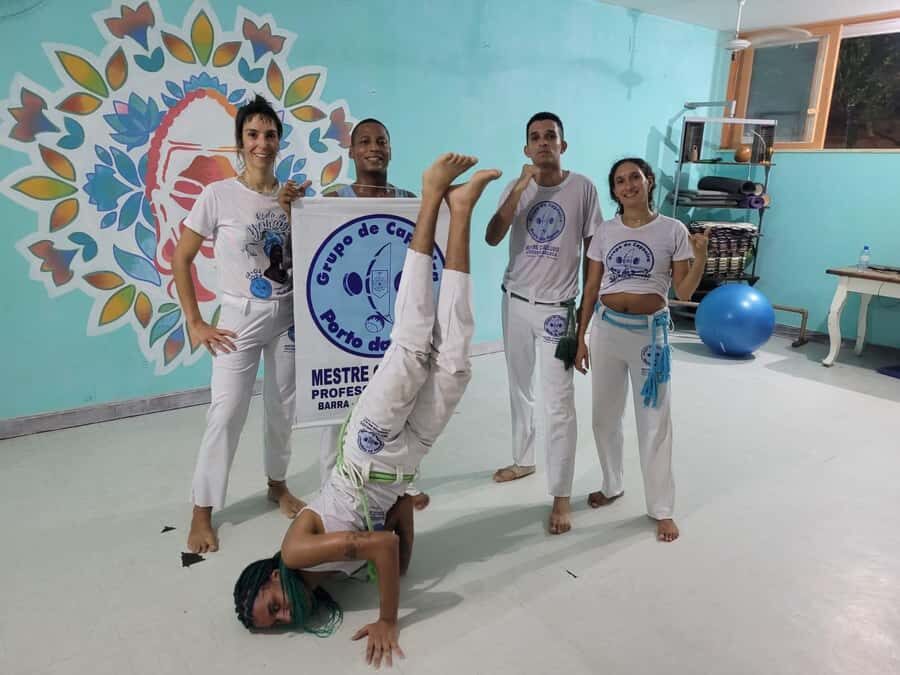
Capoeira is not only about the moves. It is about music and community, and you feel that in how the session is run.
The experience description frames capoeira as a practice of history, music, and personal transformation. In the review notes, one of the most praised parts is that participants could play instruments and learn songs. You should not assume this happens for every single participant every time, but it is clearly part of at least some sessions, and the class culture supports it.
Here is what that means for you practically:
- You are not training like a gym class. You are training inside a rhythm.
- Learning a song or participating in instrument time helps you connect movement to timing.
- It turns capoeira into something communal, which makes the workout feel less like exercise and more like shared performance.
If you like travel experiences where you feel the local heartbeat, this is one of those. The moment you start matching your body to the rhythm, capoeira stops being “hard moves” and becomes a conversation between you and the circle.
Body, Mind, and Soul: Why This Feels Like More Than a Workout
The class highlights body, mind and soul, and you can feel that separation even if you do not use those exact words.
Body: you are doing agility drills, coordination work, kicks, spins, and controlled acrobatics. This is an athletic class, and it builds real stamina through continuous movement. Even a beginner-level session can leave you breathing hard.
Mind: capoeira asks for timing and awareness. You must track rhythm, remember sequences, and keep your balance during transitions. That mental challenge is part of why capoeira is satisfying: it keeps you focused on the next cue.
Soul: this is where the cultural framing helps. When the instructor connects movements to roots of resistance and empowerment, and to community and songs, the practice feels bigger than fitness. You are not only training your legs; you are participating in an art with values.
This is also why people tend to get “hooked.” The class is intense, but it is not boring. You rotate through skills, rhythm, and expression in a short time window. That mix is hard to replicate in standard workouts.



Price and Value: Is $17 Worth 90 Minutes of Capoeira?
At $17 per person for 90 minutes, this is strong value for two reasons.
First, you are paying for live instruction from a master in capoeira, not watching videos or doing a generic “try capoeira” demo. In a skill-based practice, guidance matters. When your first kicks and spins are taught with technique and safety in mind, the class becomes more than entertainment.
Second, the class includes practical extras: tools to workout and water. Even if the equipment list sounds vague, it signals that you are not expected to arrive fully stocked. It is a simpler experience than hunt-your-own-gear activities.
So the real question is fit, not cost. If you want a serious intro, a short evening class with real practice time, and a chance to learn the cultural side too, this price makes sense.
If you hate anything competitive, or you want something totally sedentary, this is not the one. Capoeira is active by design.
Who This Class Suits Best in Salvador
This capoeira class is ideal if you want:
- An evening activity that feels local and not just another attraction stop
- A workout with built-in rhythm and culture
- A beginner-friendly start with corrections and structure
- A small group setting (up to 8), so you get more instructor time
It is also a good choice if you are curious about Portuguese culture through movement. Even if you do not speak Portuguese, you will still get a lot from watching and practicing. Just go in knowing the language is not English, and be ready to learn through action.
On the other hand, it may feel frustrating if you need detailed verbal instruction in your own language. If you are sensitive to that, you might prefer a class where explanation is offered in English too. Here, the main learning tool is demonstration.
Quick Booking Checklist Before You Go
You will have a smoother time if you handle a few basics before class.
- Plan to arrive a bit early for the meeting point at Hostel Nomads, so you can get settled before warm-up.
- Bring a mindset for learning. Capoeira basics are physical, and your body will adjust quickly if you focus on the instructor’s cues.
- Drink water before you start. The class provides water, but hydrating earlier helps you get through the whole 90 minutes feeling better.
- Wear comfortable clothing that allows movement and footwork. Capoeira involves spins and acrobatics, so you want flexibility.
Should You Book This Capoeira Class?
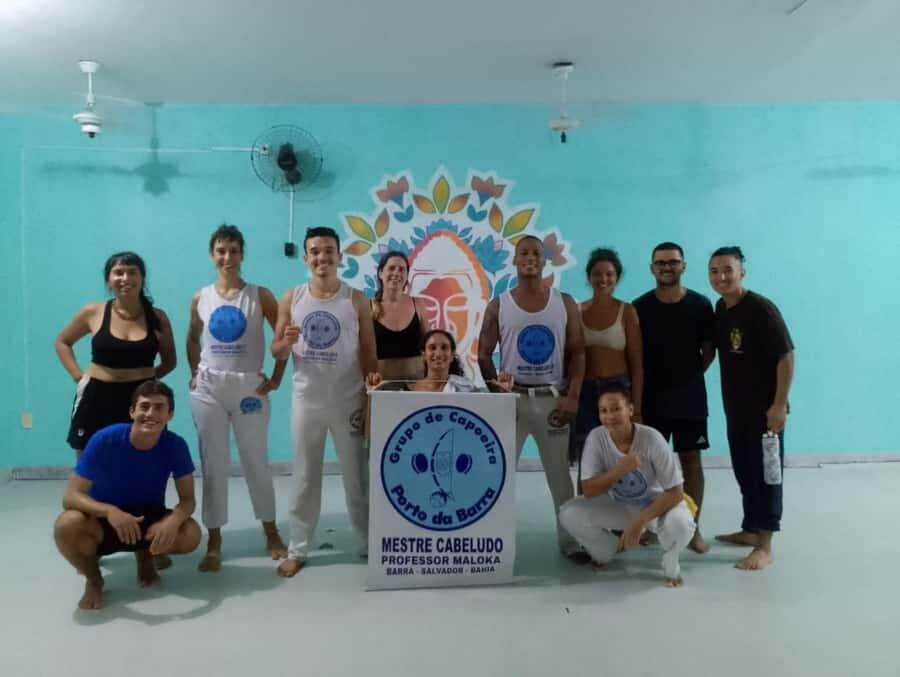
Yes, if you want a short, high-energy introduction to capoeira in Salvador that includes both physical basics and cultural context. The combination of a small group, an attentive Portuguese instructor, and a lesson structure that starts with warm-up and builds into kicks, spins, and technique makes it a strong first step.
Skip it only if you are strongly language-dependent, or if you want a calm, low-impact experience. This is a workout. The payoff is that it also teaches you the rhythm, the meaning, and the community side that makes capoeira more than just exercise.
FAQ
When does the capoeira class run in Salvador?
It runs every Monday and Wednesday at 7:30 PM.
How long is the class?
The class duration is 90 minutes.
Where do I meet for the class?
The meeting point is Hostel Nomads.
Is the class taught in English?
No. The instructor teaches in Portuguese.
How big is the group?
It is a small group limited to 8 participants.
What is included in the price?
The price includes the capoeira class, a master in capoeira instructor, tools to workout, and water.