REVIEW · SALVADOR BRAZIL
Salvador: Capoeira Class at Mestre Bimba’s 1st Ever School.
Book on GetYourGuide →Operated by Associação de Capoeira Mestre Bimba · Bookable on GetYourGuide
Capoeira in Salvador is not just exercise; it’s history with footwork. This class at Associação de Capoeira Mestre Bimba brings together the fighting, dance, music, and cultural meaning of capoeira, and it’s taught in a way that makes it easy to start. I love how the training is beginner-focused, and I also love the attention to the cultural and historical roots so you leave with more than just sore legs.
The main thing to consider is that this is still a real workout. Even with no prior experience needed, you should expect effort, sweat, and the kind of leg soreness that shows up later.
In This Review
- Key takeaways (before you go)
- Why Mestre Bimba’s School Is a Big Deal in Salvador
- What a Beginner Capoeira Class Looks Like (and Feels Like) in 1 Hour
- Culture and History: How They Show Up in the Training
- Who Leads the Class and Why the Teaching Style Matters
- Where You’ll Meet Near Largo do Terreiro de Jesus (No Pickup)
- What to Wear, Bring, and Expect Physically
- Price in Context: Is $43 Worth It for a Salvador Capoeira Class?
- Best Fit: Who Should Book This Class
- Small Practical Notes That Make Your Hour Go Better
- Should You Book Mestre Bimba’s Beginner Capoeira Class?
- FAQ
- What is the meeting point for this capoeira class?
- Do I need prior capoeira experience?
- How long is the class?
- What languages are used during the class?
- Is bottled water included?
- How much does it cost?
Key takeaways (before you go)
- Mestre Bimba’s legacy: The school traces back to 1937, and it’s presented as the first capoeira school in Brazil.
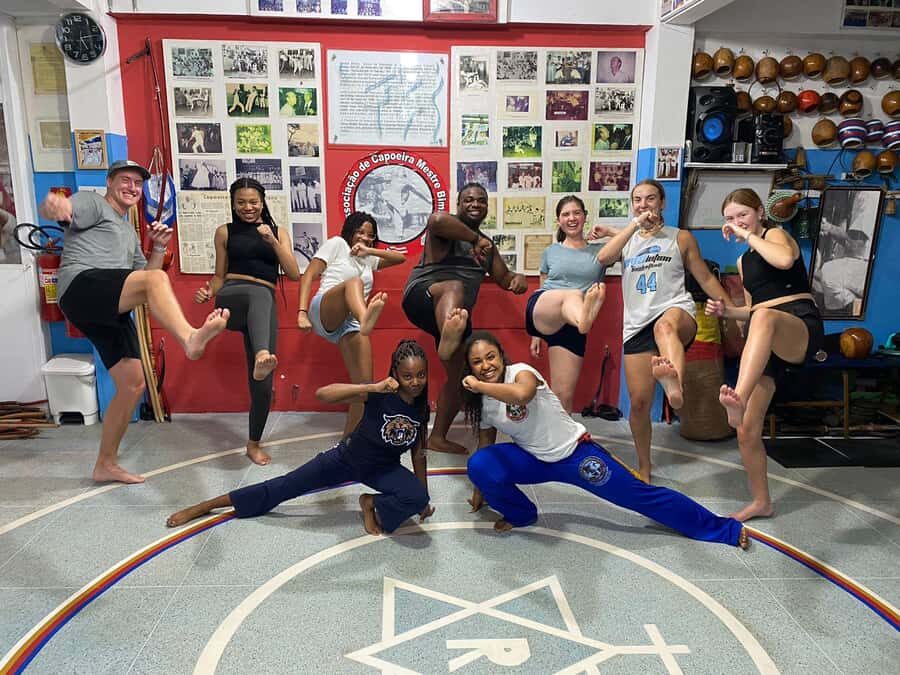
- Made for true beginners: The class is directed to people who have never trained capoeira.
- 1 hour, structured learning: You’ll work on attacks, defenses, and movement flow without needing prior skills.
- Culture included, not optional: Expect discussion of capoeira’s cultural and historical importance.
- English and Portuguese instruction: The instructor can work in both languages.
Why Mestre Bimba’s School Is a Big Deal in Salvador
Salvador is one of those places where culture lives in the streets, the rhythms, and the daily rhythm of life. Capoeira fits right into that. So when you train at Associação de Capoeira Mestre Bimba, you’re not picking a random workout. You’re stepping into a school tied to one of the most important names in capoeira history.
The school’s roots go back to 1937, and the experience is positioned as coming from the first capoeira school in Brazil founded by Mestre Bimba. That matters because capoeira isn’t just moves. It’s an Afro-Brazilian martial art built from struggle, community, creativity, and survival. The teaching style here leans into that context, so you understand what you’re doing and why it matters.
I also like that the class is specifically set up for beginners who have never trained before. Many martial arts require you to fake confidence on day one. Here, you’re guided into the basics first, so your brain has room to learn and your body can follow without panic.
Finally, it helps that the instruction is offered in English and Portuguese. That’s a practical win if your Portuguese is limited but you still want to understand what’s happening and why.
A few more Salvador Brazil tours and experiences worth a look
What a Beginner Capoeira Class Looks Like (and Feels Like) in 1 Hour
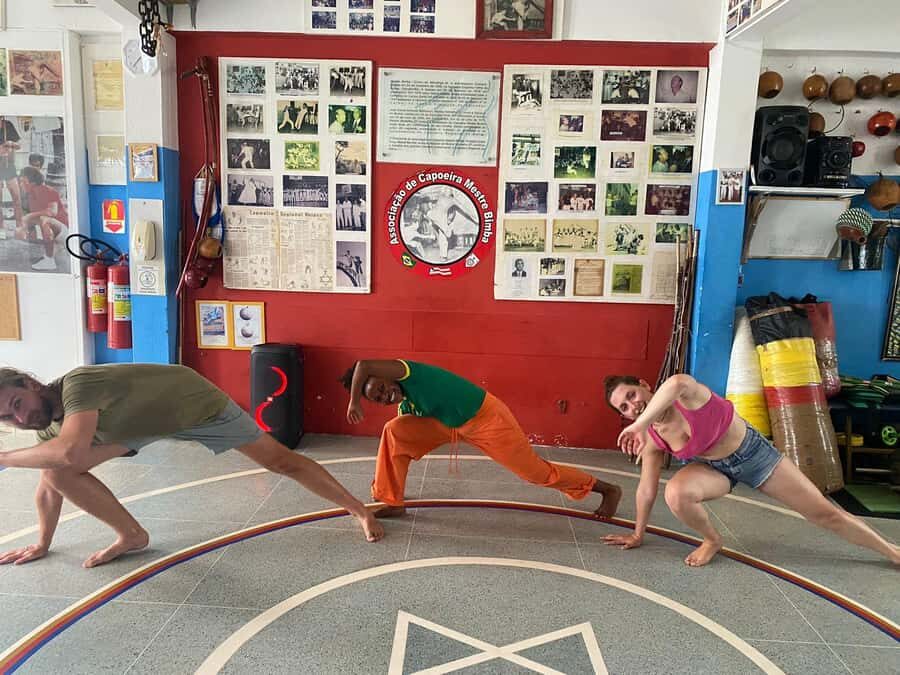
This is a one-hour session, which is perfect if you want something hands-on without eating your whole day. It’s also easier to swallow the idea of capoeira when you know it’s short. You get real training time, then you get to enjoy Salvador afterward instead of wrecking your evening plans.
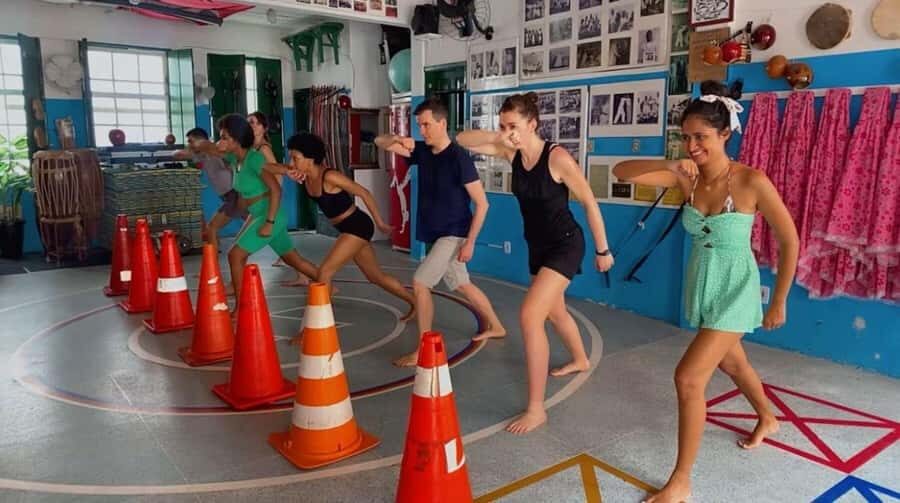
Because it’s directed to complete newcomers, you should expect a guided pace. The class is designed to teach:
- Attacks
- Defenses
- Flow movements (so the techniques connect)
The goal isn’t to turn you into a capoeira expert by the end of the hour. It’s to give you a starter toolkit: a few key ideas you can repeat, plus enough movement practice that you feel what capoeira is supposed to feel like.
One thing I really appreciate is how the experience doesn’t treat the culture part like a sidebar. The session includes lessons on capoeira’s cultural and historical importance. That changes how the movement lands in your body. Instead of copying steps, you start to recognize the intent behind them.
And yes, you’ll sweat. Even the beginner-friendly structure doesn’t erase the physical demands. One review mentioned legs feeling it for days, and that matches what capoeira tends to do. You’re moving continuously and coordinating your body in ways that feel new.
Culture and History: How They Show Up in the Training
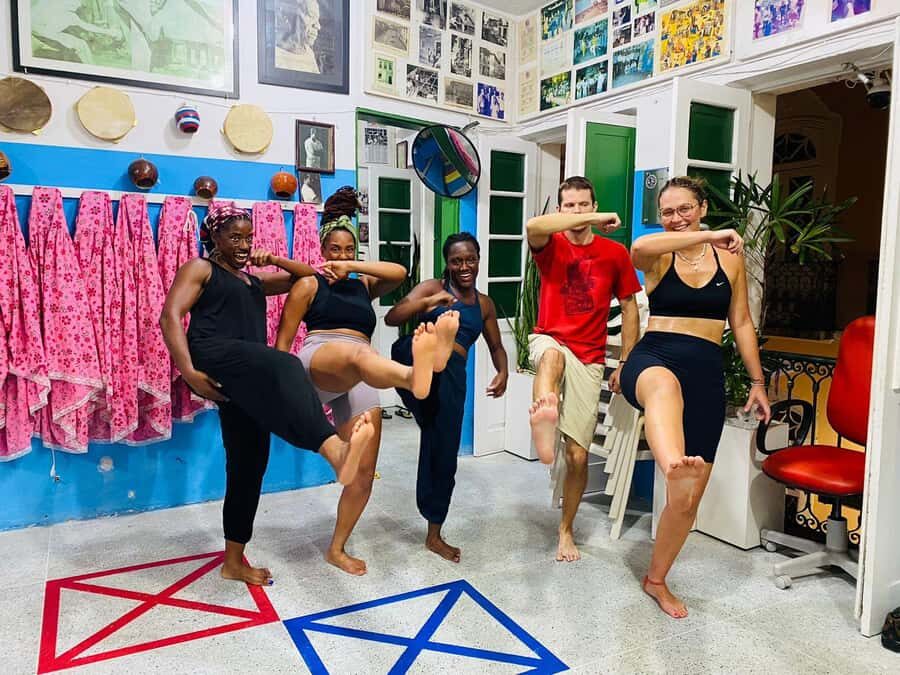
Capoeira is often described as combining fight, culture, dance, music, and acrobatics. In real terms, that means you’re not doing a typical martial arts drill with a stopwatch and a whistle. You’re training through rhythm, expression, and coordinated movement.
In this class, the instructor also takes time to explain the background so the techniques connect to the bigger story. That’s why people rave about the experience being more meaningful than a workout alone. You learn how capoeira relates to Afro-Brazilian ancestry and how it carries cultural memory through movement and music.
This is also where the English instruction becomes extra valuable. When you can follow the explanations, you’ll understand the meaning behind the motion, not just the motion itself. It turns the hour into an experience you can talk about later, instead of something you quickly forget.
If you want a Salvador lesson that feels personal and local, this is that kind of class. You’re not watching capoeira from the sidelines; you’re learning the basic language of it—enough to recognize it when you see it again around town.
Who Leads the Class and Why the Teaching Style Matters
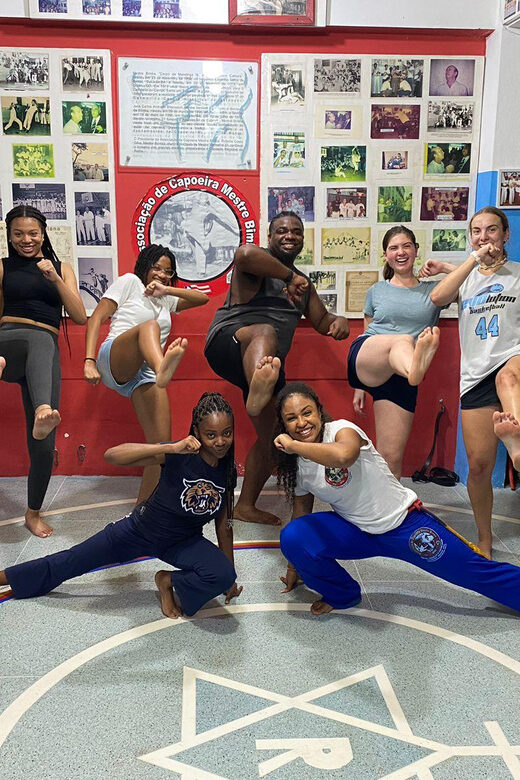
The instructor for this class is described as working in English and Portuguese, and many reviews highlight patience and support. A common theme is that the teacher is warm, welcoming, and demonstrative—exactly what you want when you’re brand new.
For example, I saw praise for the instructor’s ability to explain history before moving into the physical work. That sequencing is smart. It helps you understand what you’re about to do, so you don’t feel like you’re just following instructions blindly.
There’s also a strong emphasis on making sure everyone learns before the class progresses. That makes a difference in a mixed group. Even if some people arrive with more experience, a beginner-focused class keeps you from feeling lost.
If you’re traveling with a friend, solo, or even as a parent-child duo, this teaching approach matters. A relaxed class reduces the intimidation factor and helps you take part without worrying about getting it wrong.
Where You’ll Meet Near Largo do Terreiro de Jesus (No Pickup)
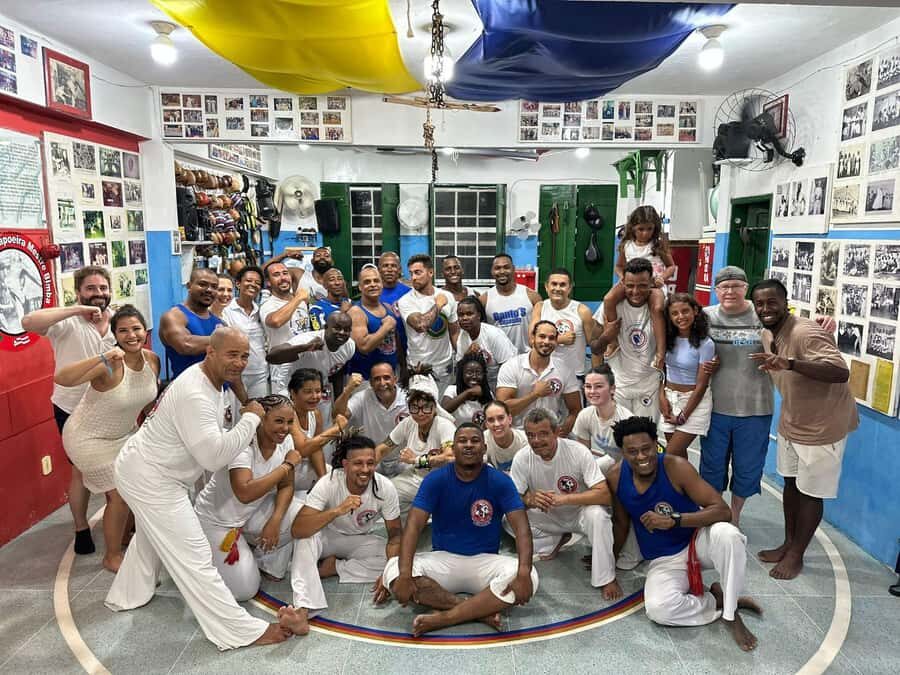
You meet at Associação de Capoeira Mestre Bimba. There’s no pickup service, so you’ll want to arrive on your own.
If you need landmarks to navigate, you can aim for:
- Ó Paí Ó Restaurante
- São Domingos Gusmão Church
- Largo do Terreiro de Jesus
That area is a useful reference point because it’s easier to confirm you’re in the right neighborhood than trying to find a street address from memory.
Practical tip: give yourself a few extra minutes. Capoeira classes are one-hour sessions, and you don’t want to start late while you’re still figuring out where you’re supposed to be.




What to Wear, Bring, and Expect Physically
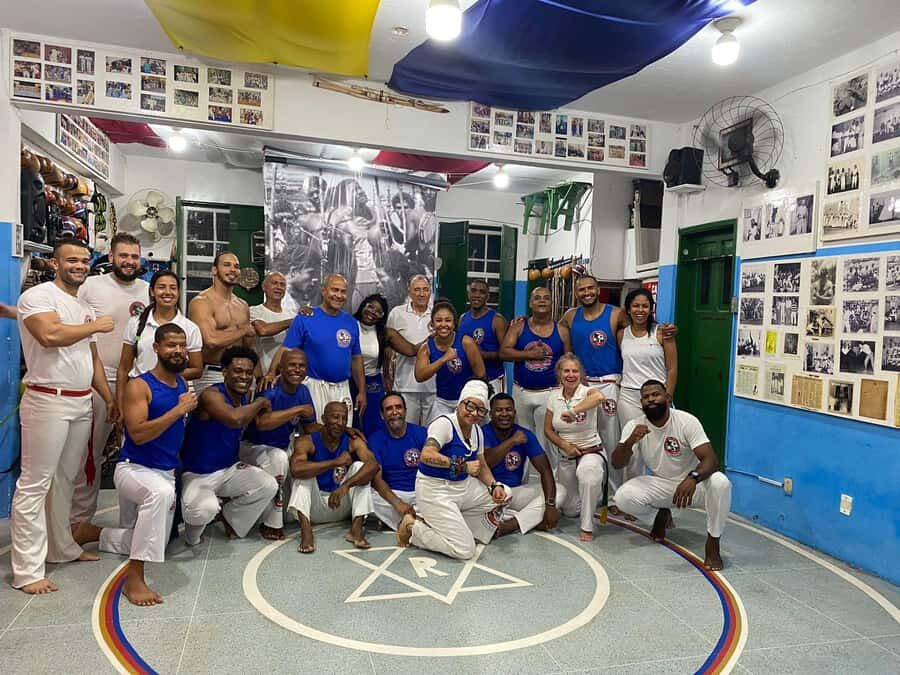
Even though this is a beginner class, it’s not a casual cultural show. You should treat it like training.
Here’s what to plan for:
- Wear comfortable sport clothes you can move in.
- Expect to sweat a lot.
- Bring a water bottle. (Bottled water is included, but having your own bottle can make you more comfortable.)
One of the best pieces of advice from reviews is also the simplest: don’t overthink fitness level. You don’t need experience. You do need to be willing to move, learn, and recover.
As for intensity, think “active endurance plus coordination.” Capoeira uses continuous movement patterns, and beginners often feel it most in the legs and core. If you’re the type who gets sore easily, plan this class for a day where you can still walk around comfortably afterward—or at least rest afterward.
Price in Context: Is $43 Worth It for a Salvador Capoeira Class?
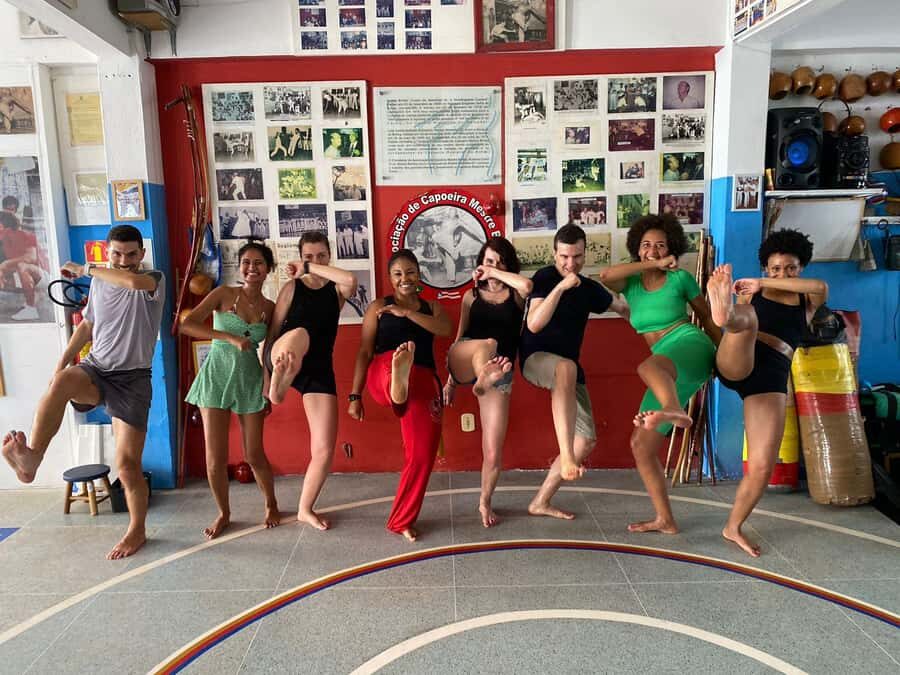
At $43 per person for one hour, the price isn’t the cheapest thing on your Salvador list. But the value depends on what you want out of the hour.
If you only want a quick physical activity, there are cheaper options. But this class is priced like a cultural training experience: you’re paying for a structured beginner lesson plus instruction in capoeira’s cultural and historical meaning.
You also get:
- Bottled water
- Instruction in English and Portuguese
- A session designed for people with no prior capoeira experience
And the biggest reason it feels worth it is the combination. The hour includes both body learning and context learning. That’s why people walk away feeling more connected to Salvador, not just tired.
If you’re trying to build a trip around authentic, hands-on experiences, this is the kind of class that makes your itinerary feel like it has a story.
Best Fit: Who Should Book This Class
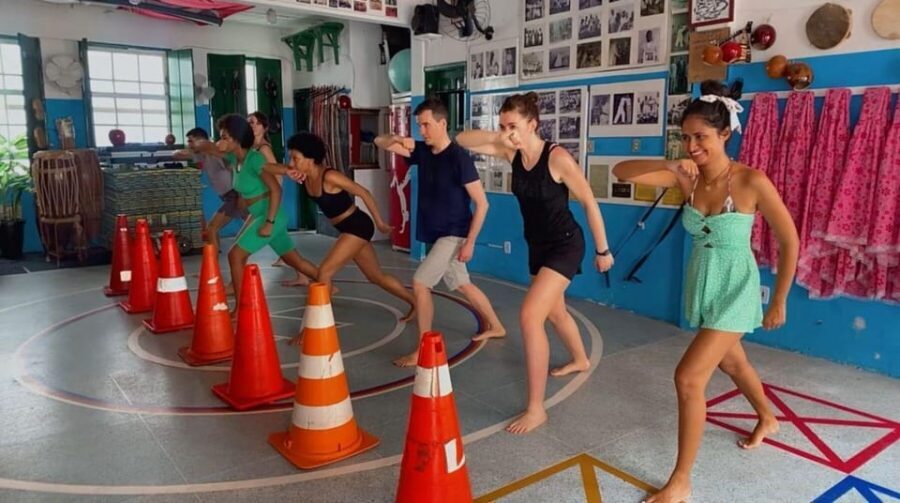
This experience is ideal if you:
- Are a true beginner and want to start without pressure
- Want capoeira to make sense as a cultural practice, not just a workout
- Like hands-on activities where you learn by doing
- Travel in a pair or family group and want an inclusive environment
It’s also a good choice if you care about understanding. The class doesn’t just throw you into movement; it aims to explain the meaning behind it. That helps you appreciate what you’re seeing later in Salvador.
If you’re someone who hates getting sweaty or hates being physically challenged, you might still manage it, but go in with realistic expectations.
Small Practical Notes That Make Your Hour Go Better
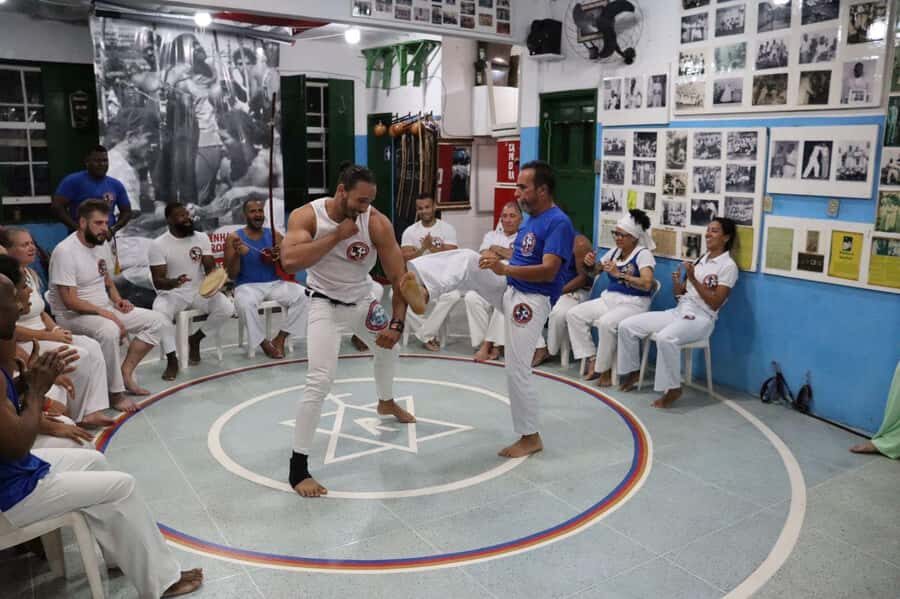
A few details make a difference so your experience stays smooth.
- Bring comfortable clothes: You’ll want movement first, fashion last.
- Expect continuous effort: Even as a beginner, you won’t just stand and watch.
- Arrive a little early: No pickup means your timing is on you.
- Hydrate: Water is included, but your body will thank you if you show up ready.
Also, if your plan includes more Salvador exploring after class, you might want to avoid booking this right before a long day hike or a demanding walking schedule. It’s one hour, but capoeira can echo in your muscles afterward.
Should You Book Mestre Bimba’s Beginner Capoeira Class?
I’d recommend booking this class if you want a genuine taste of Salvador culture through your own body—not just through photos and a passive museum stop.
It’s a strong choice for beginners because the session is clearly built for people who have never trained capoeira, and the teaching emphasis on patience makes it less intimidating. Add in the cultural and historical explanations, and you get an hour that feels like a real experience, not a transaction.
Skip it only if you’re looking for something truly low-energy or if you strongly dislike getting sweaty in a short session. Otherwise, this is one of the better ways to spend a tight slice of time in Salvador while learning something you can actually practice and remember.
FAQ
What is the meeting point for this capoeira class?
You’ll meet at Associação de Capoeira Mestre Bimba. There’s no pickup service. Landmarks nearby include Ó Paí Ó Restaurante and São Domingos Gusmão Church in Largo do Terreiro de Jesus.
Do I need prior capoeira experience?
No. The class is directed to beginners who have never trained capoeira, so you don’t need any experience to join.
How long is the class?
The session lasts 1 hour.
What languages are used during the class?
The instructor provides instruction in English and Portuguese.
Is bottled water included?
Yes. Bottled water is included in the class.
How much does it cost?
The price is $43 per person.