REVIEW · SALVADOR BRAZIL
Salvador by Night: Pelourinho & Old Town Tour
Book on GetYourGuide →Operated by Your Tour Brazil · Bookable on GetYourGuide
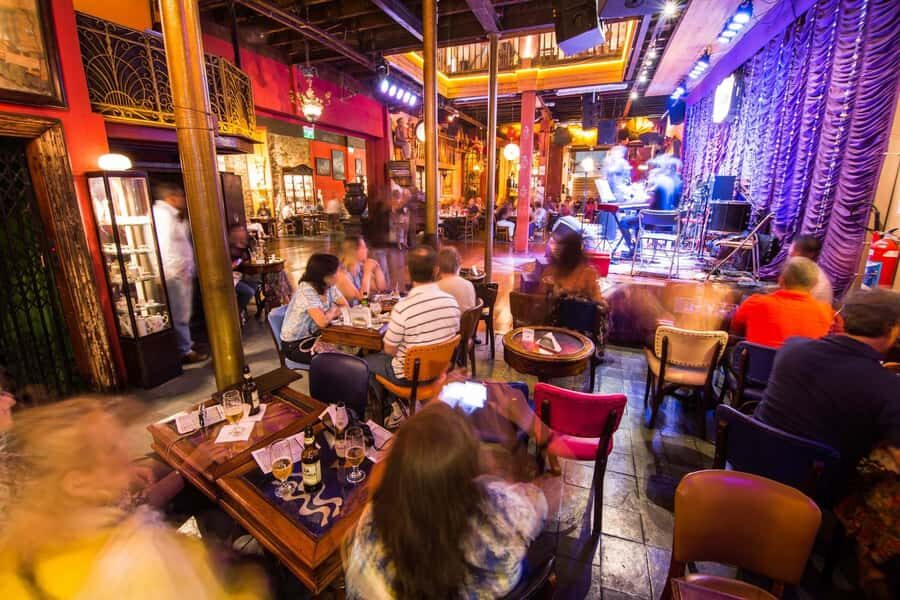
Night in Salvador has real stage lights. This 4-hour walk-and-learn tour centers on Pelourinho’s UNESCO-listed Baroque streets, built in the 18th century, and ties those facades to the living sound of Bahia. If you like culture that feels connected to people—not just buildings—you’ll get a lot from this one.
I especially like the balance here: you see the architecture and you witness Tuesday’s blessings, a ritual meant to protect Bahia’s musical identity. The downside to plan for is simple: meals and drinks are not included, and you may want to budget for snacks or small bites if the night runs long.
In This Review
- Key things that make this tour worth your time
- Pelourinho at night: why this area hits differently
- The Baroque architecture of Pelourinho (and what to watch for)
- Tuesday’s blessings: the Mass-to-music connection
- Carnival atmosphere: when the streets turn up the volume
- The pacing and route: what a 4-hour night tour really means
- Value check: is $90 a good deal?
- Guides you can trust: what the best ones do
- What to eat and drink (without paying for a meal plan)
- Who should book this Salvador by Night tour?
- Should you book Salvador by Night: Pelourinho & Old Town?
- FAQ
- How long is the Salvador by Night: Pelourinho & Old Town Tour?
- How many people are in the group?
- What languages are offered for the live tour guide?
- Where are you picked up?
- Where does the tour start and end?
- What’s included in the price?
- Are meals and drinks included?
- What do we see during the tour in Pelourinho?
- What is Tuesday’s blessings?
- What is the cancellation policy?
Key things that make this tour worth your time
- UNESCO Pelourinho Baroque streets (18th-century buildings), with clear guidance on what you’re looking at
- Tuesday’s blessings: a Catholic Mass at the Church of Our Lady of the Rosary of Blacks with African religious elements, followed by music and dance
- Small group capped at 6, so you can ask questions without feeling herded
- Live guide in Spanish, English, or Portuguese, which helps a lot for cultural details
- Carnival-era street energy, when your dates line up with the big season in Salvador
- Pickup included, with the tour starting/ending around Av. Pres. Castelo Branco, 2836
Pelourinho at night: why this area hits differently
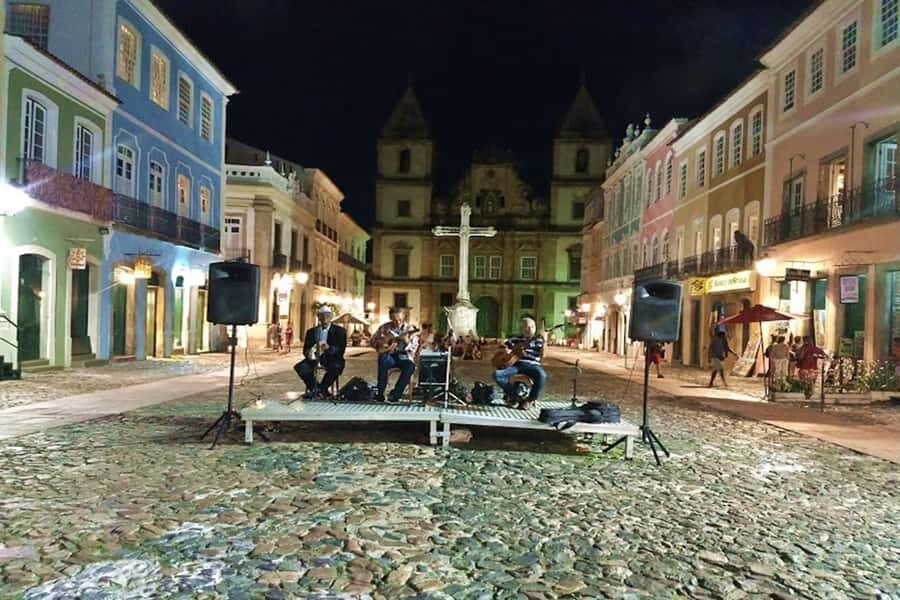
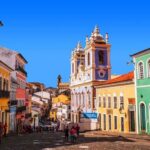
Pelourinho is one of those places where daylight can make everything look like a postcard. At night, though, it becomes more than a set of old streets. You’re still looking at the grandeur of an 18th-century Baroque world—European colonization left its stamp on the buildings—but the mood shifts from sightseeing to experience.
What makes this tour feel practical is that it doesn’t treat Pelourinho like a static museum block. Your guide helps you connect shapes and facades to what happened there, and what still happens there. You’ll get pointed toward the details that matter: the Baroque architecture itself, plus the way faith, music, and community life overlap in Bahia.
Also, this is the kind of night tour where group size matters. With a maximum of 6 people, you tend to keep a better pace with your guide, and you can actually ask follow-up questions. Big-group tours often feel like speed-walking through stops; this one is calmer.
You can also read our reviews of more evening experiences in Salvador Brazil
The Baroque architecture of Pelourinho (and what to watch for)
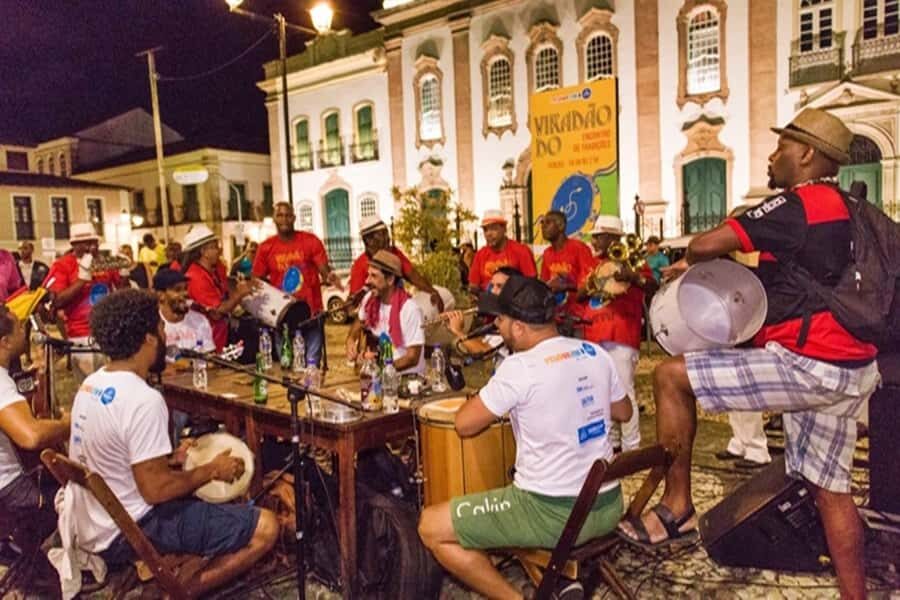
Pelourinho’s buildings date back to the 18th century and represent the European colonization-era idea of grandeur. That sounds academic, but it’s not. When you slow down and look, you start noticing why these streets feel so dramatic—ornamentation, church presence, and the way the architecture holds space for ceremonies and gatherings.
On this night tour, you’ll spend about 3 hours in Pelourinho with a guided focus. That time is your best friend. A quick drive-by usually teaches you nothing. Three hours gives you a chance to see patterns: how churches anchor the neighborhood, how streets funnel movement, and how the built environment frames performance—especially when music and dance appear.
One thing to keep in mind: at night, the details are there, but they’re less forgiving. Bring comfortable shoes and expect uneven pavement. If your plan is to photograph constantly, you might also want to take breaks—your eyes need a minute to adjust to low light, and your body needs it too.
Tuesday’s blessings: the Mass-to-music connection
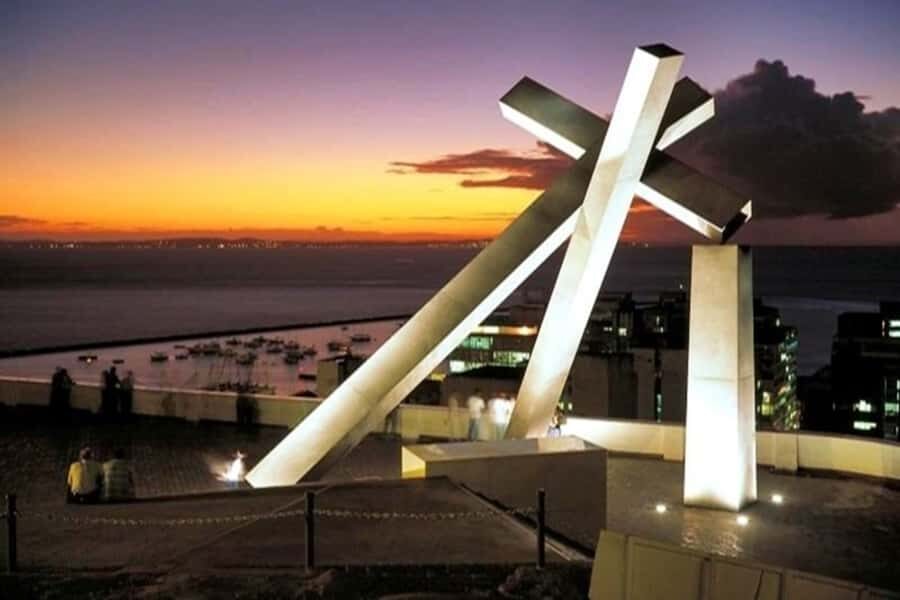
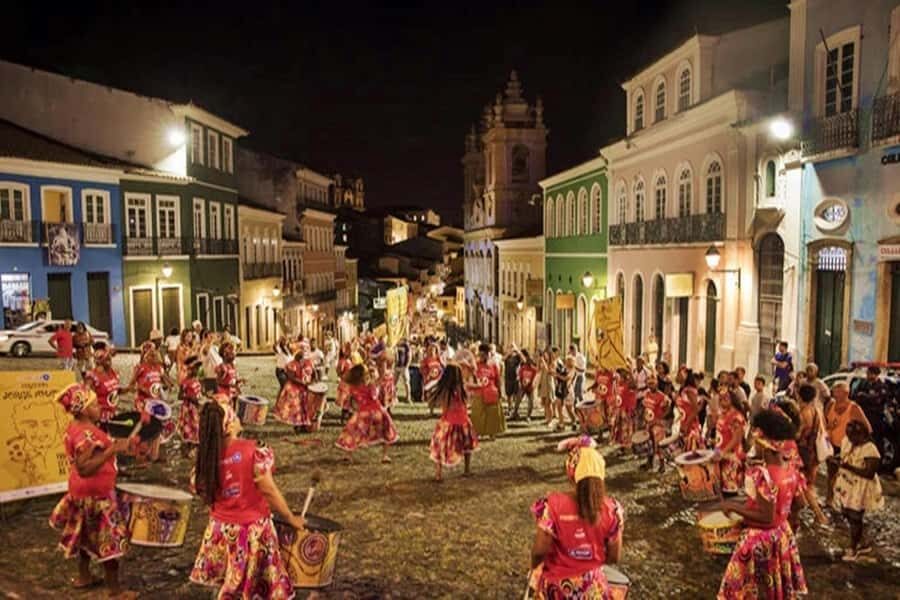
The heart of this experience is Tuesday’s blessings, described as an event meant to help preserve Bahia’s musical identity. Instead of treating music as background, this tour places it at the center of the night’s story.
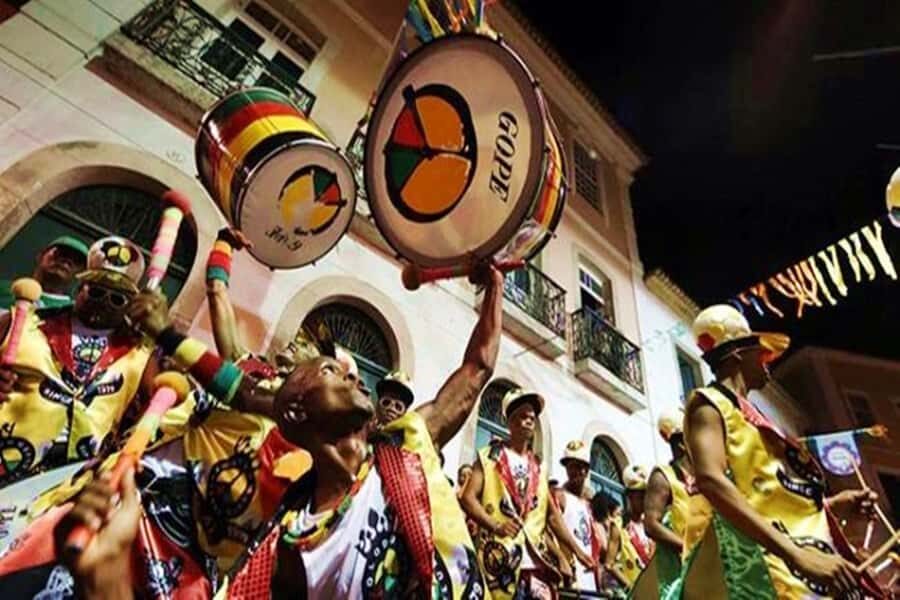
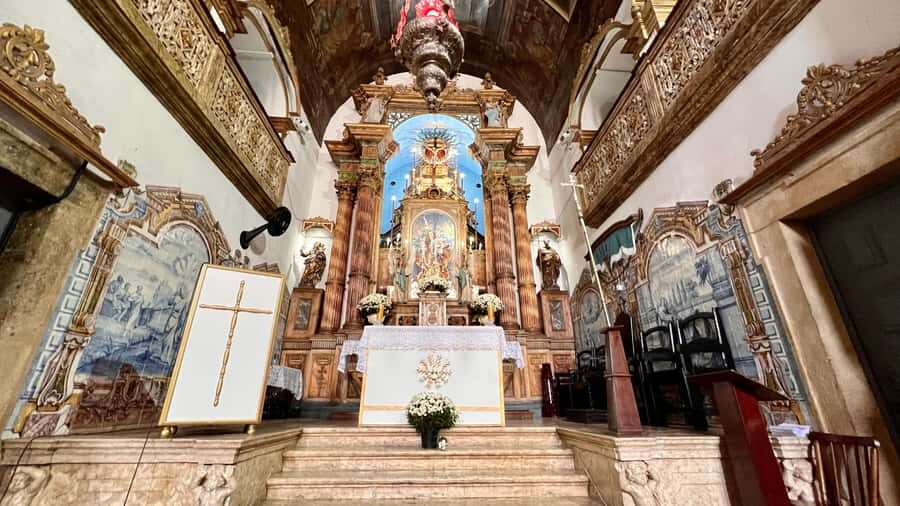
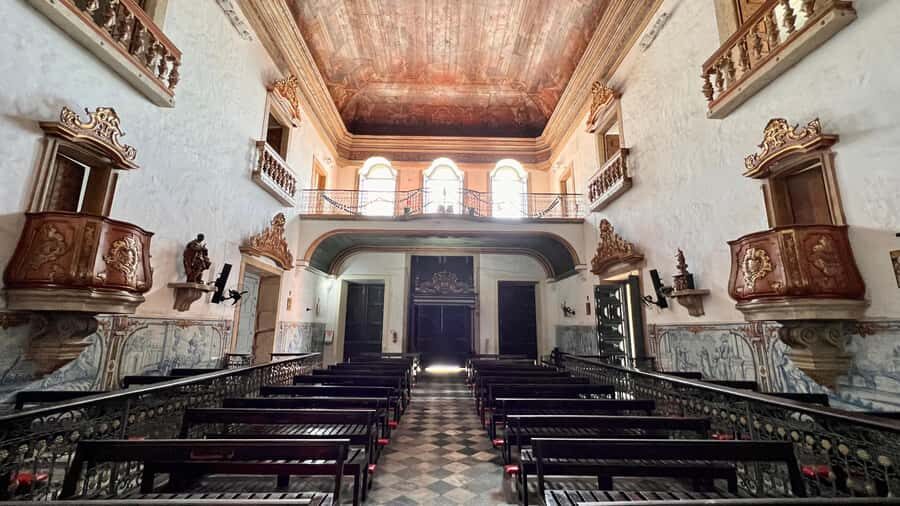
Here’s what to expect: a Catholic Mass is celebrated at the Church of Our Lady of the Rosary of Blacks, with elements of African religions included. After that, Pelourinho’s streets come alive with music and dance. It’s not just a performance you stumble into. Your guide’s framing helps you understand why this moment matters to Bahia’s cultural continuity.
Why this is so valuable for you: it connects two worlds that are often separated in tourism narratives. You’re seeing religious life, cultural survival, and musical expression linked together in the same evening. Even if you don’t know the religious background, you can still feel the intent: this isn’t accidental entertainment. It’s part of how Bahia protects its identity.
If you’re traveling during Carnival, you may feel even more street energy around you. That said, even without Carnival timing, Tuesday’s blessings has its own gravity. The music and dance aren’t just extra noise—they’re the point.
Carnival atmosphere: when the streets turn up the volume
Salvador’s Carnival is famous for a reason. When your dates line up, Pelourinho can feel louder and more crowded, with more street performance in the mix. The good news is that this tour is structured for night wandering with a guide, so you’re not left trying to decode what’s going on by yourself.
I like that the tour doesn’t pretend Carnival replaces the cultural heart of Pelourinho. It uses that atmosphere to set the tone while still anchoring you to the architecture and to Tuesday’s blessings.
Practical note: Carnival season often means stronger sensory overload—music, people, and stronger lighting. If you’re the kind of traveler who gets overwhelmed quickly, pacing matters. In a small group, your guide can slow things down when you need it.
The pacing and route: what a 4-hour night tour really means
This is a 4-hour experience with shared transportation and a live guide. You’ll be picked up in the lobby of your Salvador hotel, which is a big deal in a place where navigating at night can be tiring.
Then you’ll head into Pelourinho for around 3 hours of guided time. That leaves time at the start and end for movement to and from the meeting area (the tour’s pickup/return point is listed as Av. Pres. Castelo Branco, 2836). In other words, you’re spending most of the tour actually in the old town—where you can see and hear what you came for.
Here’s what to watch for: because this is a walking-and-standing style cultural night, your comfort matters more than usual. Wear shoes you can walk in for real. Keep your layers simple. If you’re going to snack, plan it in a way that doesn’t slow the group too much.




Value check: is $90 a good deal?
At $90 per person for 4 hours, this tour sits in the mid-range. The value isn’t about buying tickets to big museums. It’s about getting something you can’t easily replicate on your own: a guided connection between UNESCO-listed architecture and a very specific cultural event tied to Tuesday’s blessings.
You’re also paying for:
- a live guide who can explain what you’re seeing and why it matters
- shared transportation, which saves you from sorting night transport logistics
- a small group limit of 6, which keeps the experience personal
The main thing you’d add is your own food and drink. Meals and drinks are not included. The experience description points toward trying African-European heritage dishes in bars, restaurants, and street tents, so you’ll likely want to bring a bit of extra money for snacks.
If you’re the type who likes structure—especially at night—this price starts to feel fair. If you’d rather wander freely and skip guided context, you might not get your money’s worth.
Guides you can trust: what the best ones do
The guides for this tour have a reputation for doing three things well: arriving on time, speaking clearly, and sharing real historical and cultural context. Names that have come up in past leadership include Monica, Sidnei, and Nilza.
For you, the practical benefit is language and confidence. The tour offers live interpretation in Spanish, English, and Portuguese. When the cultural story is complicated—especially when religion and music overlap—having a guide who can answer questions makes the whole night click.
You’ll also notice the difference in how guides manage the streets. A good guide keeps you oriented, handles the flow when things get busy, and knows how to point your attention at the right moments.
What to eat and drink (without paying for a meal plan)
No meals or drinks come with the tour price, so you’re in control. That’s good if you have dietary needs or a strict budget. It also means you should plan for hunger.
The experience framing suggests sampling a variety of dishes and delicacies that reflect African-European heritage, available in places like bars, restaurants, and street tents around the old town. Translation: you’re not limited to one sit-down stop. You can mix and match.
My suggestion: decide early whether you want a full snack or just bites. If you buy food impulsively while the streets are active, you can lose time and end up with more spending than you meant.
Who should book this Salvador by Night tour?
This tour is a great fit if you:
- want Pelourinho UNESCO architecture explained, not just photographed
- care about Bahia’s cultural identity and want the story tied to music
- prefer a small group over big bus-style walking tours
- will appreciate the Church of Our Lady of the Rosary of Blacks connection and the idea of Tuesday’s blessings
It’s also a strong choice for a first trip to Salvador, especially if your time is limited and you want one night that teaches you how the city thinks.
If you hate walking, standing, and night crowds, you might find the evening taxing. And if you’re on a tight food budget, factor in that you’ll likely want to buy at least some snacks.
Should you book Salvador by Night: Pelourinho & Old Town?
Yes, if you want an evening that connects the physical beauty of Pelourinho to Bahia’s living music and religious-cultural blend. The small group size, clear guided focus, and the specific Tuesday’s blessings theme make this more than a generic night stroll.
Book it if you value context and you’re comfortable with street-level walking at night. Skip it if you’re trying to do Pelourinho entirely on your own and you don’t care about the Mass-to-music framework.
If you do book, show up ready to walk and ready to ask questions. This is the kind of tour where your attitude—curious, patient, and comfortable—does a lot of the heavy lifting.
FAQ
How long is the Salvador by Night: Pelourinho & Old Town Tour?
The tour lasts 4 hours.
How many people are in the group?
The group is small and limited to a maximum of 6 participants.
What languages are offered for the live tour guide?
The tour guide provides Spanish, English, and Portuguese.
Where are you picked up?
You’re picked up in the lobby of your Salvador hotel.
Where does the tour start and end?
The pickup/return point is listed as Av. Pres. Castelo Branco, 2836.
What’s included in the price?
Shared transportation and a tour guide are included.
Are meals and drinks included?
No. Meals and drinks are not included.
What do we see during the tour in Pelourinho?
You’ll see and have a guided look at Pelourinho, including its UNESCO-listed Baroque architecture dating to the 18th century.
What is Tuesday’s blessings?
Tuesday’s blessings is an event designed to help preserve Bahia’s musical identity, featuring a Catholic Mass with elements of African religions at the Church of Our Lady of the Rosary of Blacks, followed by music and dance in the streets.
What is the cancellation policy?
You can cancel up to 24 hours in advance for a full refund.