REVIEW · SALVADOR BRAZIL
Salvador: Cultural Treasure – Samba de Roda.
Book on GetYourGuide →Operated by Associação de Capoeira Mestre Bimba · Bookable on GetYourGuide
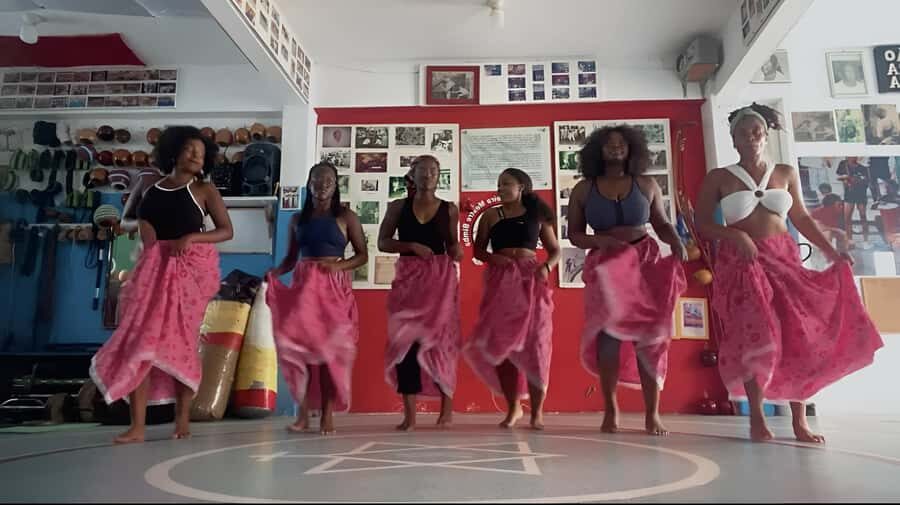
Samba de Roda has a heartbeat. In a 1-hour class at Associação de Capoeira Mestre Bimba, you learn the basic steps while also hearing why Samba matters in Bahia, and how it went from being targeted to becoming UNESCO-recognized Intangible Cultural Heritage.
I like that the instruction is built for real understanding, not just movement, and the explanations land clearly thanks to a fluent English-speaking teacher.
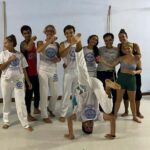
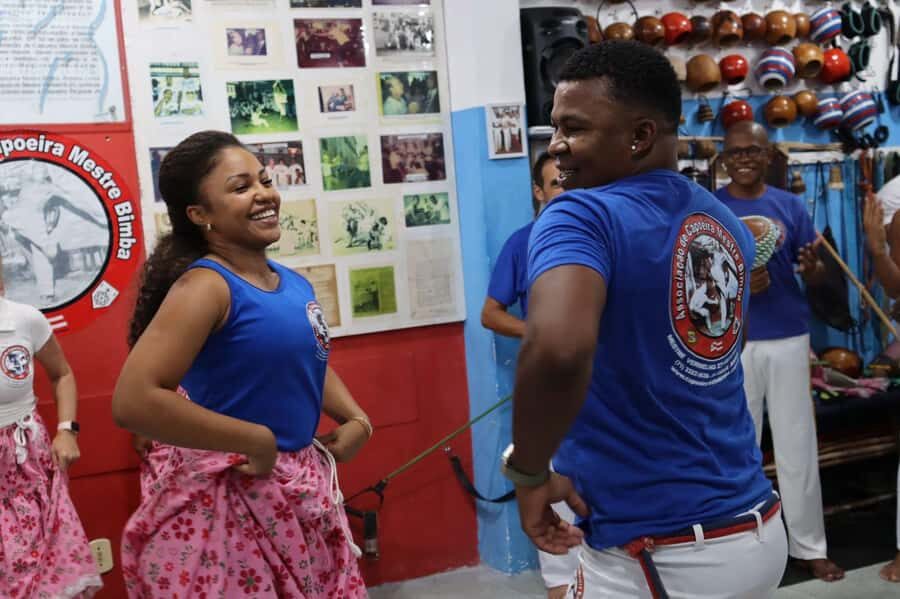
Second, the energy is genuinely fun. Many recent bookings highlight an instructor named Yasmin for a calm, encouraging style that keeps beginners comfortable, while still pushing you to feel the rhythm and get the steps right.
One thing to consider: this is a basics-focused lesson. You will leave with Samba you can do, but not a full performance-level routine.
In This Review
- Key takeaways before you go
- Samba de Roda at Associação de Capoeira Mestre Bimba
- Your 1-hour class: learn steps you can actually use
- Why the teacher’s English matters in Salvador
- Samba in Bahia: from suspicion to UNESCO Intangible Heritage
- The Capoeira connection: one school, shared cultural roots
- Is it worth $43: value for beginners and culture fans
- What to do before you arrive (and how to get the most out of it)
- Should you book Samba de Roda in Salvador?
- FAQ
- How long is the Samba de Roda class?
- What is the price per person?
- Do I need any dance experience?
- Do I need a partner to join?
- Where is the meeting point?
- Is there pickup service?
- What languages will the instructor use?
- What’s included in the activity?
- Is it free to cancel?
Key takeaways before you go
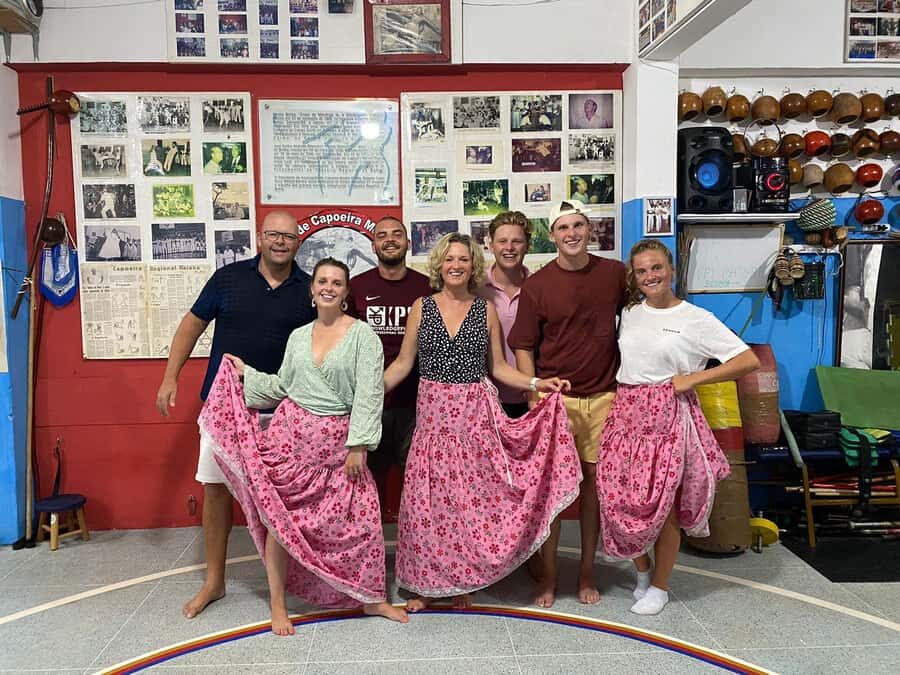
- Historic training ground at Mestre Bimba’s school (first Capoeira School in Brazil, founded in 1937)
- Beginner-friendly Samba steps that work even if you have two left feet
- English explanations that connect dance, music, and history
- Samba’s Afro-Brazilian roots in Bahia, including the era when it was viewed with suspicion
- A strong teacher-student vibe, with Yasmin frequently praised for patience and clarity
- Good value for $43 because you’re paying for lesson + cultural access, not just a quick demo
Samba de Roda at Associação de Capoeira Mestre Bimba
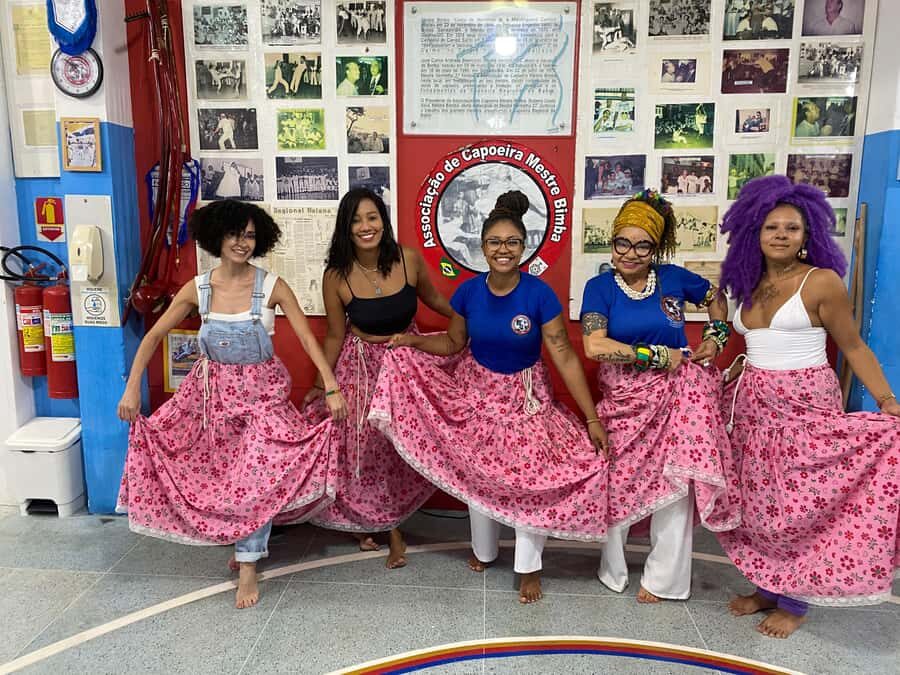
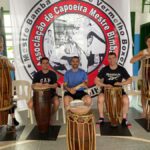
If you want Salvador culture with context, this is a smart place to start: the lesson happens at Associação de Capoeira Mestre Bimba, the first Capoeira School in Brazil. It’s not just a studio you pass through. It’s a living piece of the city’s story.
Mestre Bimba founded this school in 1937, and it’s often described as a kind of quilombo of resistance—a setting where cultural practices could survive even when they were under pressure. That matters because Samba in Bahia also has a history tangled with Afro-Brazilian life, public suspicion, and cultural survival.
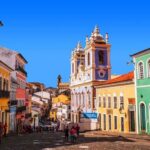
Meeting point is at the association. There’s no pickup, so you’ll want to plan to reach it on your own. If it helps you orient yourself, look around the area near Ó Paí Ó Restaurante and the São Domingos Gusmão Church at Largo do Terreiro de Jesus.
Practical note: because the venue is in the historic core, it tends to be easy to find once you’re in the right neighborhood. And the instructor team is known for giving logistical help for arriving, which is great if you’re doing this as your first activity in Salvador.
You can also read our reviews of more tours and experiences in Salvador Brazil.

Your 1-hour class: learn steps you can actually use
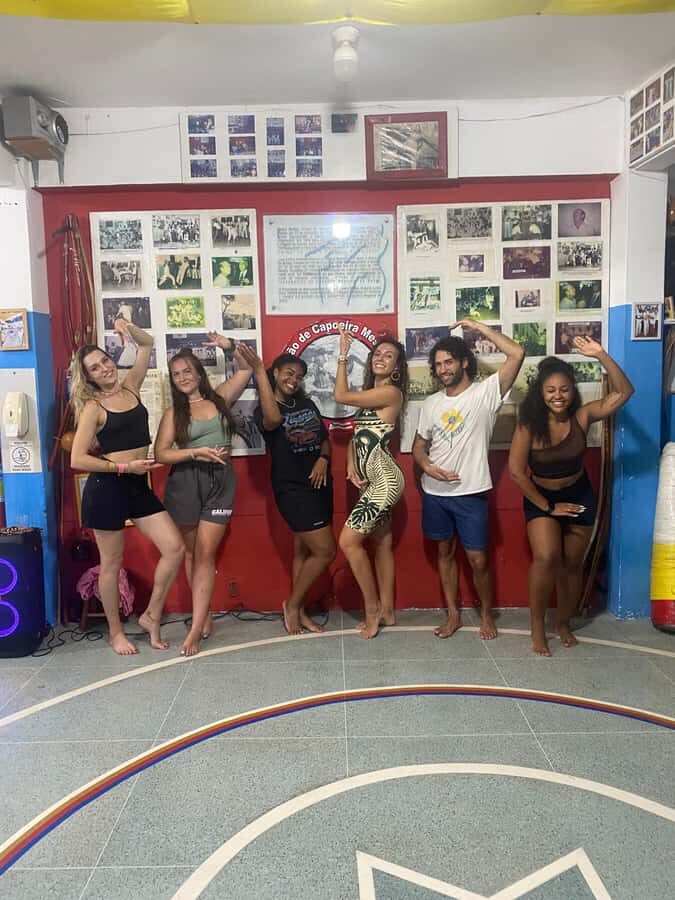
This is a short class by design: 1 hour. That’s enough time to learn the fundamentals without turning your afternoon into a dance marathon.
Here’s what the experience is built around:
- You learn the basic steps of Samba de Roda.
- You practice with the music and rhythm, so the movements feel connected instead of random.
- You get cultural and historical context as you go, not in a separate lecture you have to endure.
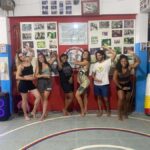
The best part for beginners is that you’re not asked to already know Samba. The class is set up as a starting point. People who come with no dance experience say they still leave feeling like they have moves they can use right away—often with the surprising feeling that the hour flew by.
You’ll also find this is the kind of lesson where repetition works. Samba is about timing and feel. When the instructor breaks down what to do, then you do it back-to-back, it starts to click. The rhythm becomes the guide, not the other way around.
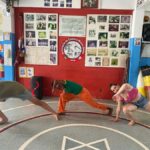
If you’re pairing this with Capoeira, keep expectations realistic: one class will feel like learning a language’s “starter phrases,” not becoming fluent overnight. But it’s a fun way to get your body oriented to how these traditions move.
Why the teacher’s English matters in Salvador
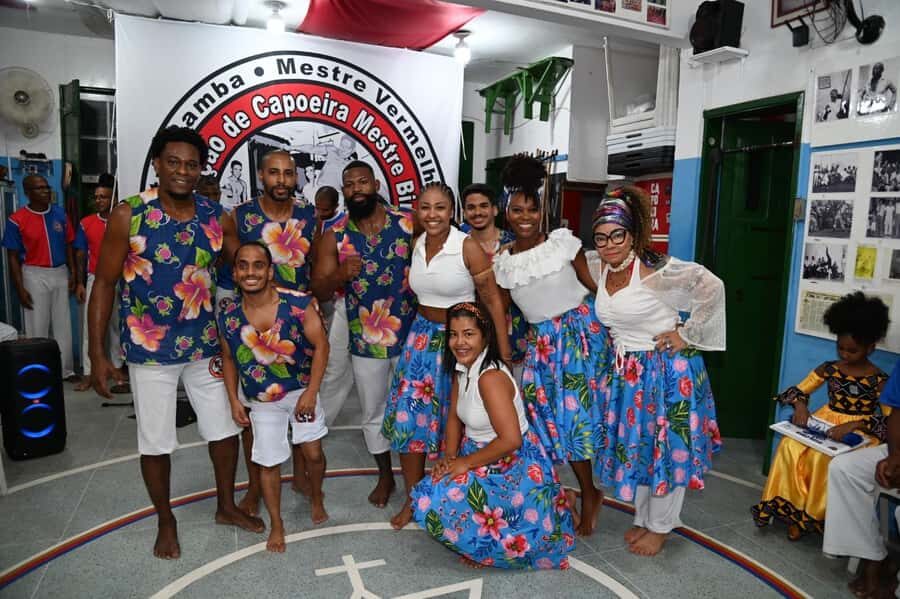
A lot of Salvador activities look great on paper and fall apart in practice when language gets in the way. Here, you’ll benefit from an instructor who speaks fluent English, and sessions also have Portuguese available.
That bilingual approach isn’t a small detail. In a dance-and-history class, it changes everything. You’re learning:
- how Samba works rhythmically,
- where it comes from,
- why certain African cultural practices were targeted,
- and why Samba eventually became a national symbol.
When you understand the story while you practice the steps, it sticks longer. It also keeps you from missing the meaning behind the movement.
From the feedback, the teaching style is another highlight. Yasmin is repeatedly praised for being patient and encouraging, with many people mentioning she makes it easy to follow along as a beginner. One review also mentions her calm nature, which is a big deal when you’re trying something new and you don’t want pressure.
Bottom line: if you want culture you can understand—not just watch—this classroom format helps.
Samba in Bahia: from suspicion to UNESCO Intangible Heritage
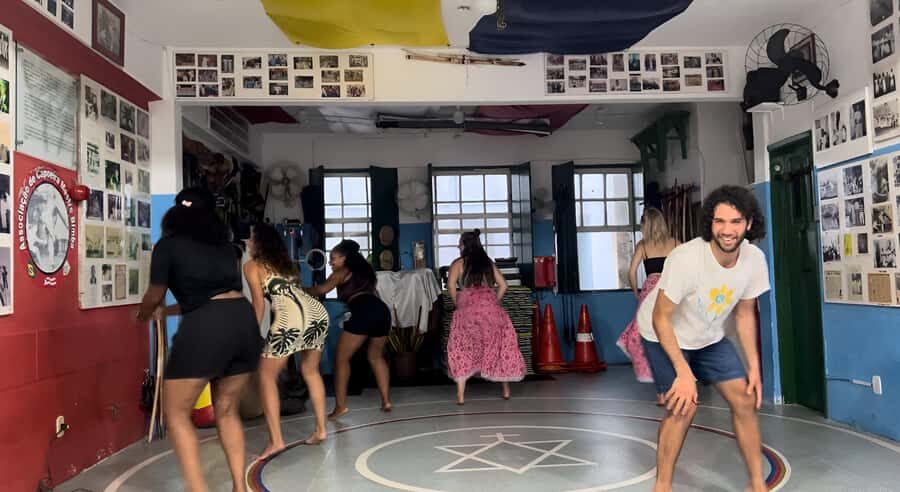
Samba didn’t start as a tourist-friendly party genre. It began in Afro-Brazilian communities of Bahia in the late 19th century, and it grew from lived communities, not royal halls.
At the same time, African cultural expressions in Brazil—Capoeira and Candomblé included—were often viewed with suspicion and criminalized. Samba wasn’t treated differently. Learning this context adds weight to what you do with your body. You realize the rhythm isn’t only entertainment. It’s survival, identity, and continuity.
The class also explains the long arc: over the course of about 100 years, Samba went from a persecuted culture to a symbol of the nation. Today it’s recognized by UNESCO as an Intangible Cultural Heritage of Humanity.
Why I think this matters for your trip: Salvador is full of music, but history is what turns music into meaning. In a one-hour class, you might not master every nuance of Brazilian history—but you can leave with the big picture that makes what you hear outside the classroom make more sense.
The Capoeira connection: one school, shared cultural roots
Even though this activity is a Samba lesson, the venue brings an unavoidable connection to Capoeira.
This association is tied directly to Mestre Bimba, the creator of Capoeira Regional. The school itself is part of the story: it was seen as a stronghold where cultural elements in Salvador could keep living despite outside pressure.
That’s why the combination of Samba and Capoeira feels natural here. One detail that pops up often is how the lesson connects the history of Samba and how it coincides with Capoeira. It’s not just “two cool things.” It’s two traditions shaped by the same roots—Afro-Brazilian communities in Bahia—and by the same pressures aimed at cultural expression.
If you’re someone who likes themes, this is a theme-friendly stop. You get a clear historical link while also getting physical practice.
And if you plan to take Capoeira the same day (or close together), expect the physical side. People who combine the classes describe it as a workout. So it’s a great option if you want a meaningful active day instead of another sit-and-see tour.

Is it worth $43: value for beginners and culture fans
At $43 per person for 1 hour, the value depends on what you want from your Salvador time.
I’d call it good value if you care about at least two of these:
- learning real Samba basics (not a performance-only experience),
- getting access to a historic cultural venue tied to 1937 and Mestre Bimba,
- and understanding the why behind the music and movement through English explanations.
You’re not just buying a dance class. You’re buying:
- Samba dance lesson,
- English-speaking instruction,
- access to the first Capoeira School in Brazil,
- and cultural and historical insights.
That combination is what makes it feel more than “just another activity.” It’s also beginner-safe. No dance experience is necessary, and you don’t need a partner.
Who I’d recommend it for:
- First-timers to Salvador who want one activity that connects music and history.
- Beginners who want structure and a patient teacher.
- Solo travelers who prefer interactive classes over walking tours.
- Families, since the class doesn’t require partner dancing and multiple bookings mention teens enjoying it too.
What to do before you arrive (and how to get the most out of it)
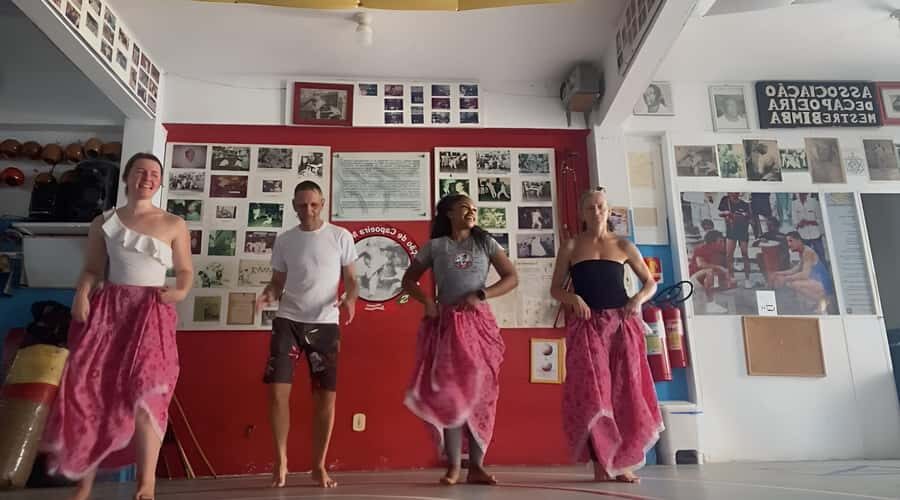
There’s no pickup, so your main prep is simply getting to Associação de Capoeira Mestre Bimba. Use the nearby landmarks as your anchor: Ó Paí Ó Restaurante and São Domingos Gusmão Church on Largo do Terreiro de Jesus.
Once you’re there, lean into the lesson. Samba is rhythmic, not technical gymnastics. Your best move is to:
- pay attention to the instructor’s cues,
- ask questions when something feels confusing,
- and focus on timing and comfort over speed.
Because the teaching team is known for being helpful with logistics and responsive communication (WhatsApp is mentioned in feedback), I’d recommend messaging if you have timing questions or need help making it on time.
One more practical angle: some reviews mention the instructor being thoughtful about safety at night and offering guidance. If you’re traveling after dark, it’s worth following that kind of local advice.
Should you book Samba de Roda in Salvador?
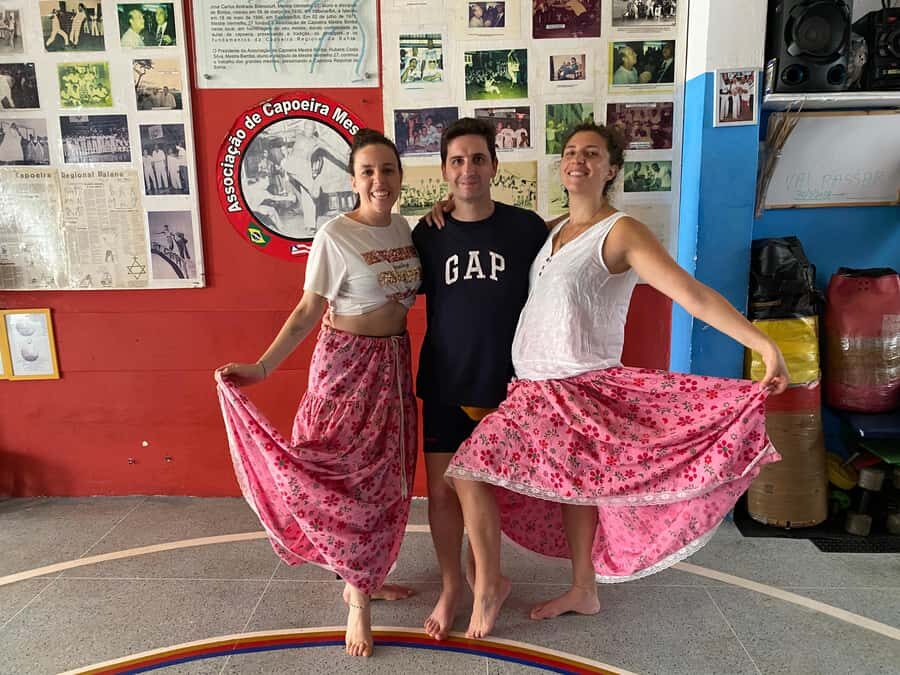
Yes, I’d book it if you want a one-hour activity that gives you both movement and meaning.
This is especially appealing if:
- you’re a beginner and don’t want to feel lost,
- you want a teacher who can explain Samba history in English,
- and you like the idea of learning inside Mestre Bimba’s historic 1937 school, not a random dance venue.
Skip it only if you’re looking for a long, performance-heavy show or if you want zero history and just pure dancing. This class is short, and it focuses on the basics plus context, not a full dance routine.
If you want one strong cultural first step in Salvador, this is a great bet.
FAQ
How long is the Samba de Roda class?
The class lasts 1 hour.
What is the price per person?
The price is $43 per person.
Do I need any dance experience?
No. No dance experience is necessary.
Do I need a partner to join?
No partner is required.
Where is the meeting point?
You meet at Associação de Capoeira Mestre Bimba. Nearby landmarks include Ó Paí Ó Restaurante and São Domingos Gusmão Church on Largo do Terreiro de Jesus.
Is there pickup service?
No pickup service is offered.
What languages will the instructor use?
Instruction is available in English and Portuguese. The teacher speaks fluent English.
What’s included in the activity?
Included are the Samba dance lesson, an English-speaking instructor, access to the first Capoeira School in Brazil, and cultural and historical insights.
Is it free to cancel?
You can cancel up to 24 hours in advance for a full refund.