REVIEW · SALVADOR BRAZIL
From Salvador: Quilombo Heritage Daytrip with Lunch
Book on GetYourGuide →Operated by Your Tour Brazil · Bookable on GetYourGuide
Manioc flour starts with your hands. This small-group Quilombo daytrip from Salvador mixes Quilombola daily life with real food work, plus colonial stops on the Recôncavo route. You also get time to chat with a griô (elder), which turns the day from a drive-by tour into something more personal and human.
I like that the day is built around participation: you learn the steps behind manioc flour production and also make or practice working with oil palm ingredients after lunch. The one possible drawback: with a price of $170 and only an 8-hour window, some people may feel the flour/oil palm moments lean more toward short demonstrations than a long, fully hands-on workshop.
In This Review
- Key things worth knowing before you go
- From Salvador to Santo Amaro: where the day gets its context
- Quilombo Kaonge: meeting daily life up close
- Manioc flour and oil palm: where the day turns practical
- Lunch in the middle of the story (plus the vegetarian option)
- Cachoeira-Ba and the Paraguaçu River: colonial sights with movement
- Price and value: what $170 buys (and what it doesn’t)
- The guide’s role: small group, big difference
- Who this daytrip is best for
- Should you book the Quilombo Heritage Daytrip with Lunch?
- FAQ
- FAQ
- How long is the Quilombo Heritage Daytrip from Salvador?
- Where is pickup included?
- How big is the group?
- Is lunch included, and can I get a vegetarian meal?
- What languages is the live guide?
- Are drinks included with lunch?
Key things worth knowing before you go
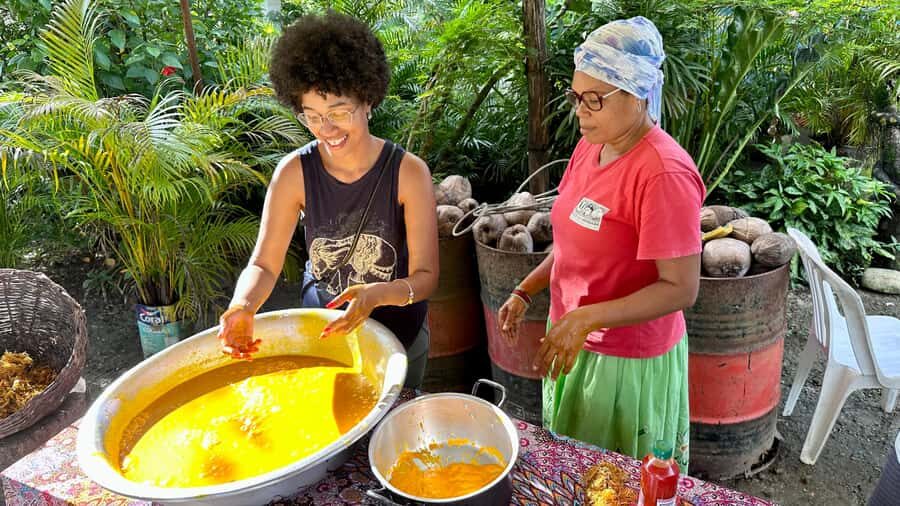
- Hands-on manioc flour steps: You’ll practice part of the process instead of just watching.
- A real conversation with a griô: Time to listen and talk with one of the community elders.
- Quilombo Kaonge visit: You spend time in a traditional Quilombola setting as part of daily life.
- Small group feel: The trip is capped at a small number, so questions and pace stay manageable.
- Recôncavo route + colonial finish: Santo Amaro and Cachoeira-Ba both show up, with a Paraguaçu River crossing.
- Lunch included, drinks not: Plan your hydration strategy since drinks aren’t part of the package.
From Salvador to Santo Amaro: where the day gets its context
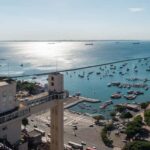
This trip starts in Salvador, with pickup directly from your hotel lobby. From there, you’re headed into the Bahia Recôncavo, a region known for its long struggle for independence and for the cultural blend that shows up in everyday life—Portuguese colonial influence side by side with African heritage.
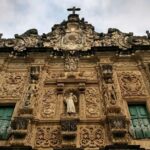
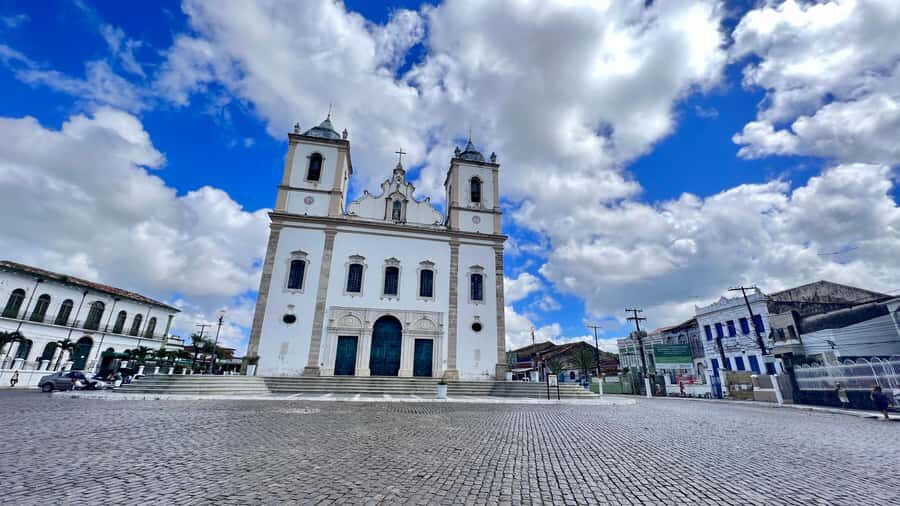
One of the first experiences is a stop at Praça da Purificação. Expect a photo stop and a short guided walk/tour. It’s a quick way to get oriented before the road trip portion kicks in.
Next, you’ll move toward Santo Amaro, where the local economy was historically tied to sugarcane plantations and enslaved labor. You’ll walk through the public fair area and see secular houses along the way. That walk matters because it breaks the day into something lived-in, not just museum-style. You’re learning how people occupy the same streets and rhythms that shaped the past.
On the drive, you’ll pass through the landscapes tied to staple crops: sugarcane, manioc, and tobacco farms. Even if you’re just looking out the window, it gives your brain a map for what you’ll later understand in the Quilombola visit—especially manioc flour and the farming-to-food chain.
You can also read our reviews of more historical tours in Salvador Brazil
Quilombo Kaonge: meeting daily life up close
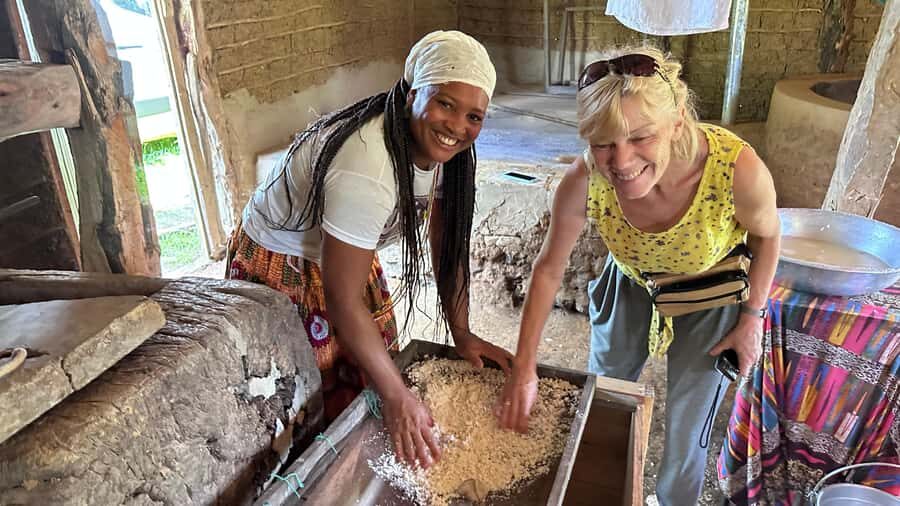
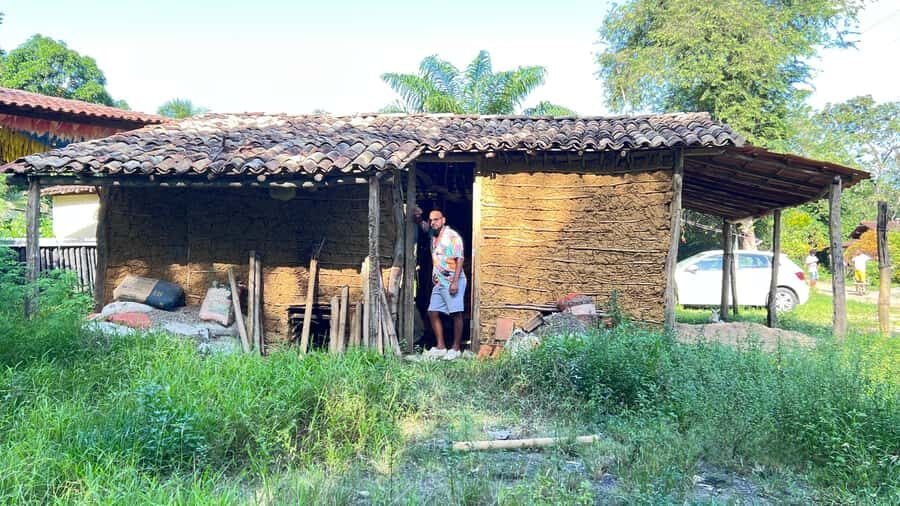
The heart of the day is the visit to the Quilombola community of Kaonge. This is where the tour shifts from “what happened historically” to “how people live now,” which is the part most visitors remember.
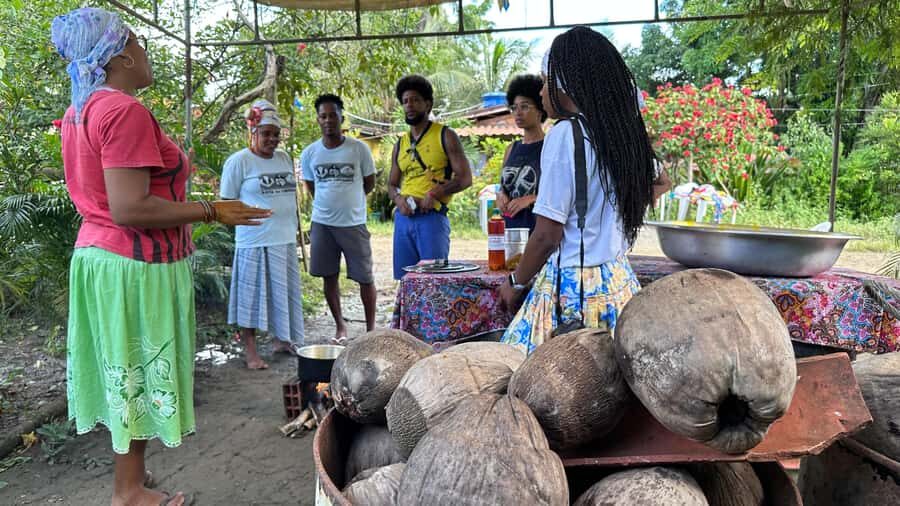
You’ll get time to experience daily life and to share in the community’s wisdom and tastes. The itinerary explicitly includes interaction with the community’s elder—an element that’s hard to replicate in a big bus tour. This is also where your guide’s role becomes more than logistics; they help translate what you’re seeing and make sure your questions land respectfully.
A major highlight is taking time to talk with the griô, the community elder. This isn’t framed as a quick photo moment. It’s positioned as conversation time, which is exactly what turns a cultural visit into something that feels like learning rather than performing.
Tip for making the most of this section: come with 2–3 simple questions you can ask without putting anyone on the spot—like how they think about food from generation to generation, or what a normal day looks like in the community. If you’re traveling with a group, keep the pace conversational so the elder can answer without being rushed.
Manioc flour and oil palm: where the day turns practical
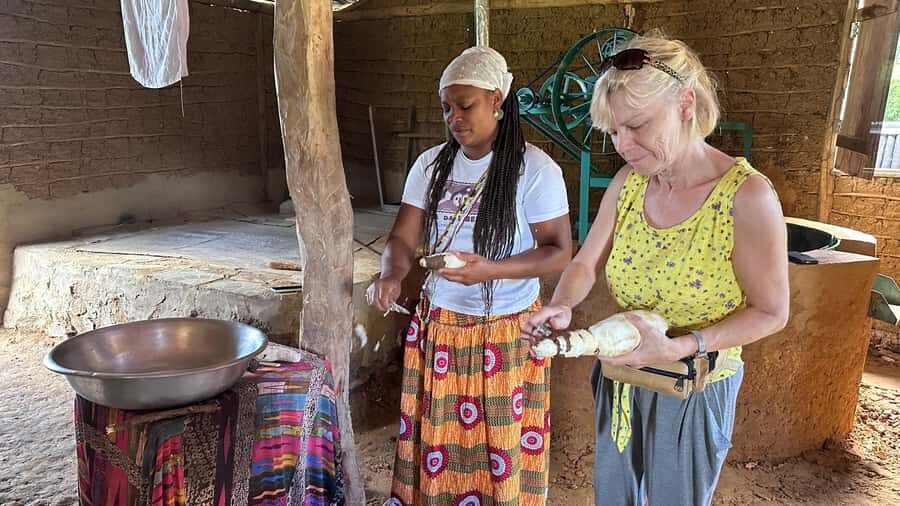
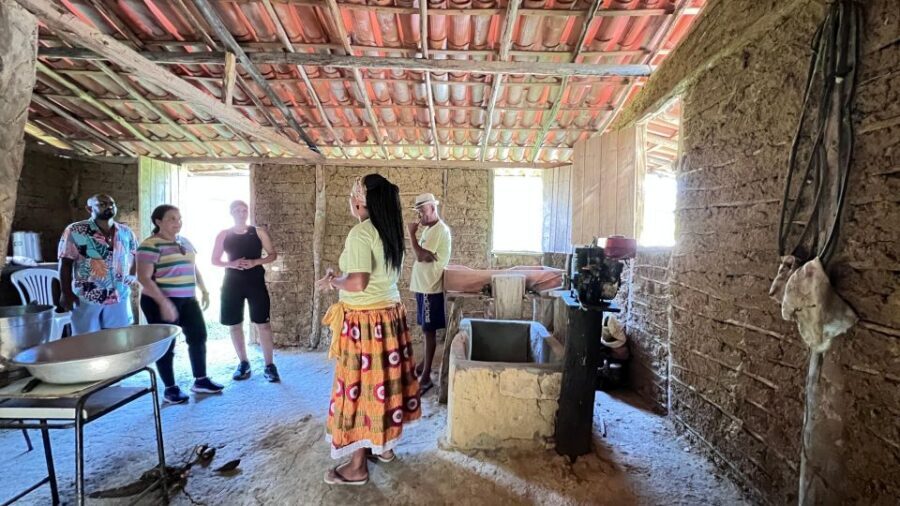
After lunch, the tour puts your hands into the process—one of the biggest reasons this experience works for food-focused travelers. The plan includes learning and practicing the manufacture of manioc flour, a staple in Brazilian cuisine and in many communities where manioc has long been central.
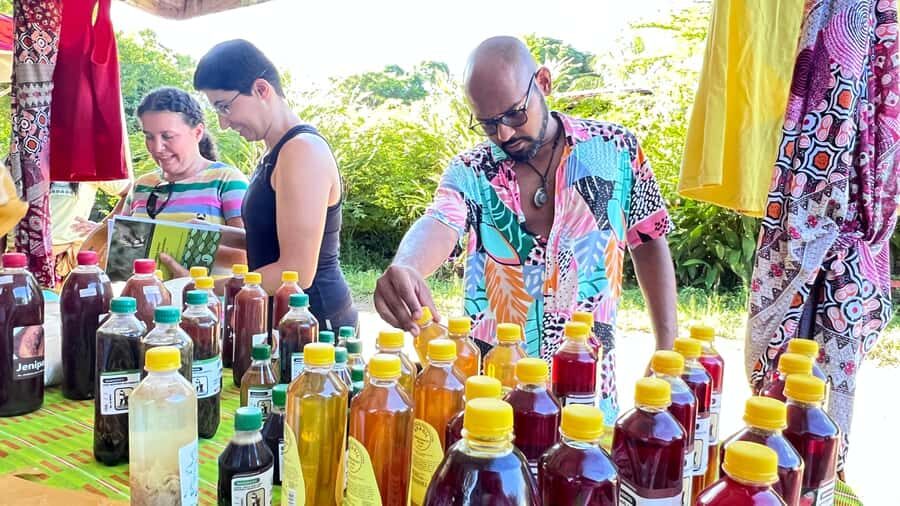
You’ll also practice the process for oil palm oil. That’s a great contrast to the manioc work: both connect to agriculture and processing, but they teach different skills and different textures. This matters because it turns “culture through food” into “culture through work,” which you can better understand by doing small steps yourself.
Now, a reality check: because this is an 8-hour day and the group is small but not private, you shouldn’t expect an all-day classroom style. One of the more critical comments about the experience points out that some parts can feel like basic demonstrations instead of a long, in-depth workshop. If you know you want maximum hands-on time per station, you’ll want to manage expectations: you’re participating in key moments, not taking over the whole production line.
If you do like “show me, then try it,” you’re in the right place. For many people, that balance is ideal: you get enough guidance to understand the steps, and you still leave the community with new knowledge rather than just souvenirs.
Lunch in the middle of the story (plus the vegetarian option)
Lunch is included, and you’ll have a longer window that includes guided time plus free time. The lunch itself is part of the regional experience, tied to what you’re learning about farming and food staples.
The itinerary notes regional food, and it also states a vegetarian option is available if you ask when booking. That’s important for planning, because you don’t want to reach the meal part and scramble. If you eat vegetarian, confirm your choice during reservation so the kitchen has what it needs.
This meal break isn’t just fuel. It’s placed right before the hands-on manioc/oil palm practice, which helps you connect what you ate with how it’s made. Food tours that separate cooking from tasting often feel disconnected. Here, the sequence is designed to keep them linked.
Also remember: drinks aren’t included. Plan to budget for water or other beverages if you know you’ll want them—especially since you’re spending much of the day outdoors or in warm areas.
Cachoeira-Ba and the Paraguaçu River: colonial sights with movement
After the Quilombola portion, you continue to Cachoeira-Ba, described as the most important city of the Recôncavo region. The focus here is on colonial atmosphere and a sense of place rather than deep museum time.
You’ll cross the Paraguaçu River on a bridge built by the English in 1830. That detail is the kind of thing you remember: a date, a builder, a crossing point. It also breaks the day up with a physical shift—travel time that feels like a sightseeing moment instead of dead time.
Right after the crossing, the tour heads toward the Dannemann cigar factory. This gives you a glimpse of another part of regional production history, adding variety beyond the food-centered Quilombo focus.
Then you return to Salvador. In an 8-hour day, this is the part where your guide’s timing and pacing matter. If you like smooth logistics—no wandering, no hunting for transit—this structure is exactly why these tours can be worth the money.
A few more Salvador Brazil tours and experiences worth a look
Price and value: what $170 buys (and what it doesn’t)
At $170 per person for an 8-hour tour, you’re paying for a specific blend: transportation from Salvador, a small group format, an accredited guide, and lunch—plus the main cultural visit and the hands-on activity components.
So is it a good value? It depends on what you want most:
- If you prioritize interaction with a community elder and you like food-based learning, this price starts to make sense because the core experiences aren’t replicable in a typical self-guided afternoon.
- If you want a long, intensive cooking workshop—hour after hour—then the limited time may feel tight, and that disappointment can show up. In particular, the manioc/oil work may come off as short demonstrations if you were expecting a deeper, longer-form process.
A useful way to judge it: treat this as a cultural daytrip with participation moments, not as an all-day production course. If you keep that expectation aligned, the experience is likely to feel more rewarding rather than rushed.
The guide’s role: small group, big difference
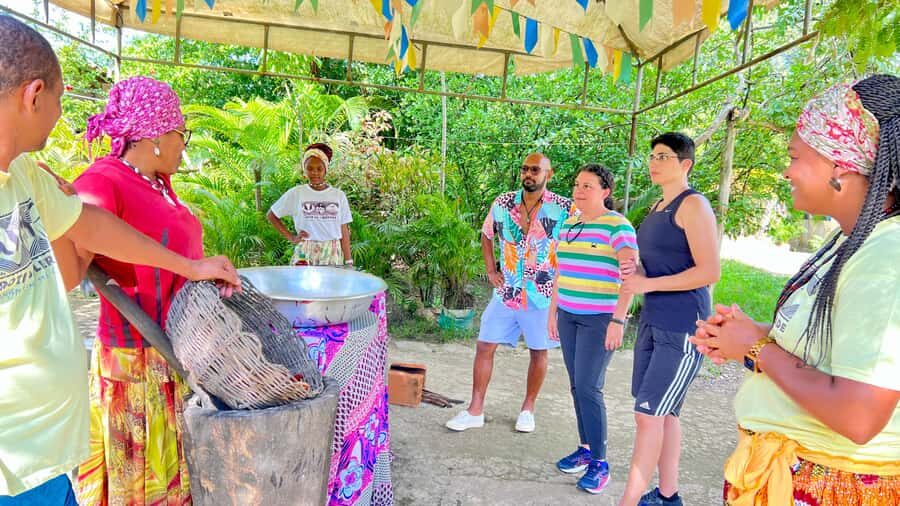
The tour is led by an accredited guide, and the languages listed are Spanish, English, and Portuguese. In one documented case, the guide’s name was Wilson, described as fun and full of interesting information.
In practical terms, a good guide here is the difference between seeing something and understanding what you’re seeing. The itinerary includes multiple “story layers”—Santo Amaro’s plantation legacy, the Quilombola community’s day-to-day life, then colonial Cachoeira-Ba and the cigar factory stop. A skilled guide keeps those threads connected so you don’t feel like you’re only collecting stops.
If you prefer a lively pace with room for questions, this kind of small-group tour format is generally a better fit than large group bus tours.
Who this daytrip is best for
This tour is a strong match if you:
- want culture through food (manioc flour and oil palm are real, tangible skills)
- like meeting community members rather than only viewing sights
- prefer a calmer day with a limited group size rather than crowds
- enjoy colonial-era context mixed with modern daily life
It’s less ideal if you:
- want a long, in-depth workshop with lots of repeated practice
- hate any “guided time” elements like walks, photo stops, and structured transitions
- expect drinks to be included (they aren’t)
Should you book the Quilombo Heritage Daytrip with Lunch?
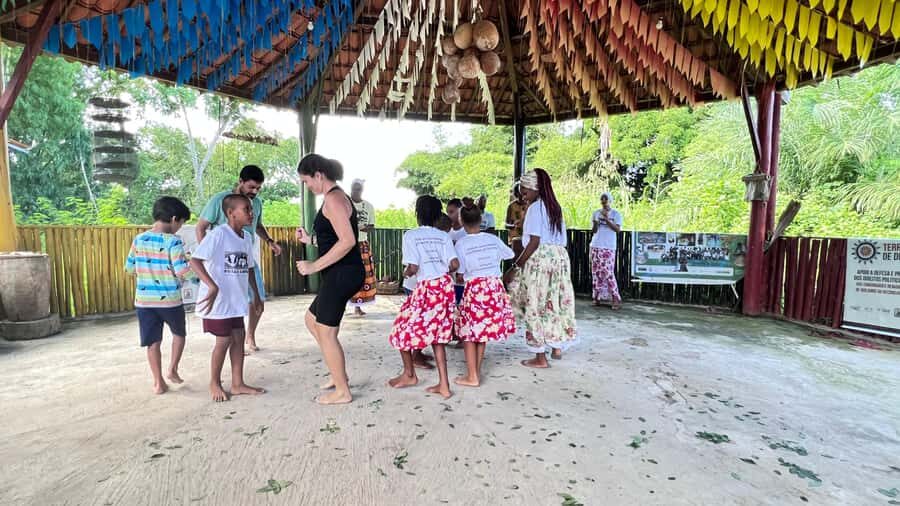
If your top priority is hands-on learning tied to a Quilombola community visit, this is a solid booking. The combination of a community elder conversation, participation in manioc flour and oil palm processing, and an included lunch gives you more than a drive-by cultural stop.
I’d book it if you can accept that the day is compact and the demonstrations are time-limited. On the flip side, if you’re very focused on getting maximum time practicing the process for hours, you might end up wanting more than the itinerary allows.
FAQ
FAQ
How long is the Quilombo Heritage Daytrip from Salvador?
It’s scheduled for 8 hours.
Where is pickup included?
Pickup is included from your hotel lobby in Salvador.
How big is the group?
This is a small-group tour. The operator lists it as limited to 4 participants (some descriptions also mention a maximum of 6), so you should expect a limited headcount.
Is lunch included, and can I get a vegetarian meal?
Yes, lunch is included. A vegetarian option is available if you request it at booking.
What languages is the live guide?
The guide offers live interpretation in Spanish, English, and Portuguese.
Are drinks included with lunch?
No. Drinks aren’t included.