REVIEW · SALVADOR BRAZIL
Historic City Tour in Salvador
Book on GetYourGuide →Operated by Tangol · Bookable on GetYourGuide
Salvador stacks surprises fast. This 4-hour tour strings together major landmarks from Barra Lighthouse to Pelô, with one standout visual payoff: the Lacerda Elevator viewpoints over the Bay of All Saints. You’ll also get hotel pickup and a guided walk that helps you understand how the city’s upper and lower areas connect.
What I like most is the way the route gives you instant orientation, plus the architectural stops that explain why Salvador matters. The main thing to consider is that language and pacing can vary, and a few visitors found some sights more “look and move on” than “time inside,” so it helps to go in with flexible expectations.
In This Review
- Key Highlights Worth Marking On Your Map
- Price and Logistics: What $24 Covers in Real Time
- Barra Lighthouse and the Route That Teaches Salvador’s Layout
- Upper City Stops: Corredor de la Vitória, Campo Grande, and Piedade
- Municipal Square and the Lacerda Elevator: The View You Came For
- Terreiro de Jesus: Cathedral Basilica of the Savior and the Franciscan Stop
- Pelô and Largo do Pelourinho: UNESCO Streets and Jorge Amado
- Language and Group Management: How to Protect Your Experience
- What to Bring (So You Enjoy Every Step)
- Who Should Book This Tour, and Who Might Skip It
- Should You Book the Historic City Tour in Salvador?
- FAQ
- How long is the Historic City Tour in Salvador?
- What does the tour cost?
- Do I get hotel pickup and drop-off?
- What languages will the guide speak?
- Is lunch included?
- What major places does the tour visit?
- Where does the tour end?
- What should I bring?
- When will I know my exact pick-up time?
- Is free cancellation available?
Key Highlights Worth Marking On Your Map
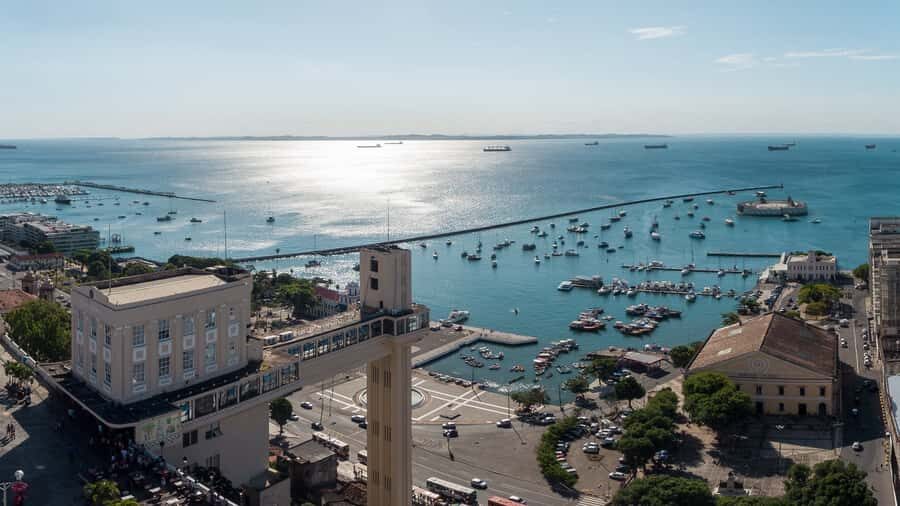
- Lacerda Elevator panoramas over the Bay of All Saints, with views reaching both Upper City and Lower City
- Upper-city approach via Corredor de la Vitória for quick context on today’s economic Salvador
- Terreiro de Jesus area anchored by the Cathedral Basilica of the Savior
- São Francisco Church stop tied to Portuguese Baroque splendor (and its reputation for wealth)
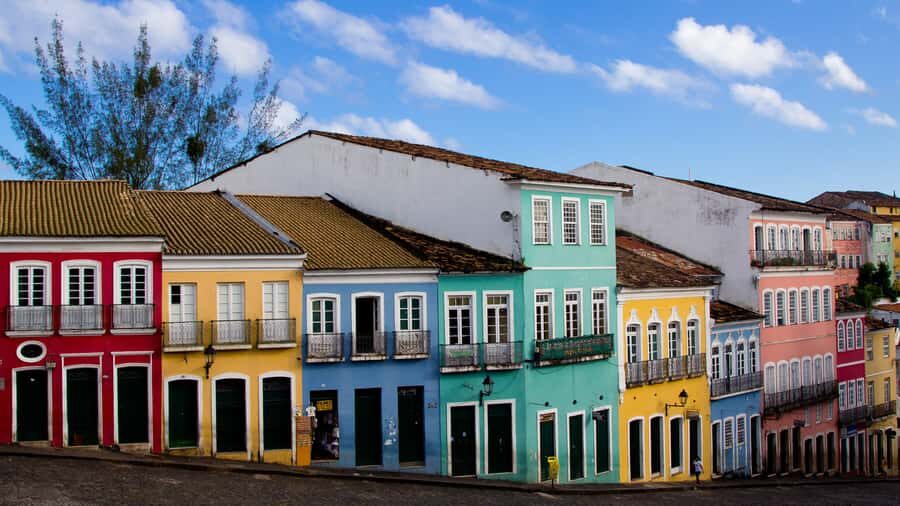
- Largo do Pelourinho at the UNESCO-listed heart of Pelô, associated with Jorge Amado
Price and Logistics: What $24 Covers in Real Time
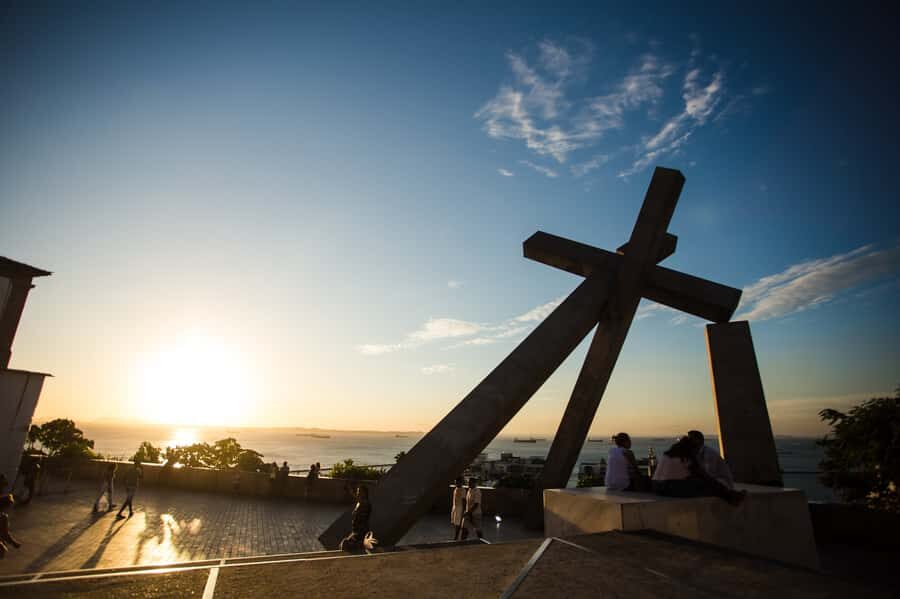
For $24 per person and 4 hours, you’re buying two practical things: transportation plus a guided route that hits the city’s most important visual checkpoints without you having to plan a mini itinerary. With hotel pickup and drop-off included, the trip feels “easy mode,” especially if it’s your first day and you want to get your bearings fast.
The value is strongest if you want a structured introduction rather than deep, slow visits. This tour doesn’t position itself as a lunch-and-stay-all-day experience. You should also plan on having a snack before or after because lunch and beverages aren’t included.
One more logistics point that matters: your exact pick-up time is provided after booking, so don’t assume a universal start time. If you’re juggling other reservations, keep your schedule light that day.
You can also read our reviews of more city tours in Salvador Brazil

Barra Lighthouse and the Route That Teaches Salvador’s Layout
The tour starts with a pick-up from centrally located hotels, then heads out toward the Barra Lighthouse—a natural first stop because it frames the city’s waterfront reality. From there, you move toward Cidade Alta (Upper City). Even if you’ve never been, that shift is the big Salvador lesson: the city is split into layers, and the road-and-stair logic is part of the story.
You’ll travel along Corredor de la Vitória, then pass through Campo Grande and Piedade on your way up. This stretch is less about one single monument and more about scale: you get a clear sense of where modern Salvador presses in with taller buildings and commercial areas. It’s an efficient way to understand where locals work and shop, before you return to the older districts.
As you move, I like that the guide’s narration can help you connect what you see to what you’ll later recognize in Pelô and around Pelourinho. It’s the kind of “build the map in your head” flow that makes later wandering more satisfying.
Upper City Stops: Corredor de la Vitória, Campo Grande, and Piedade
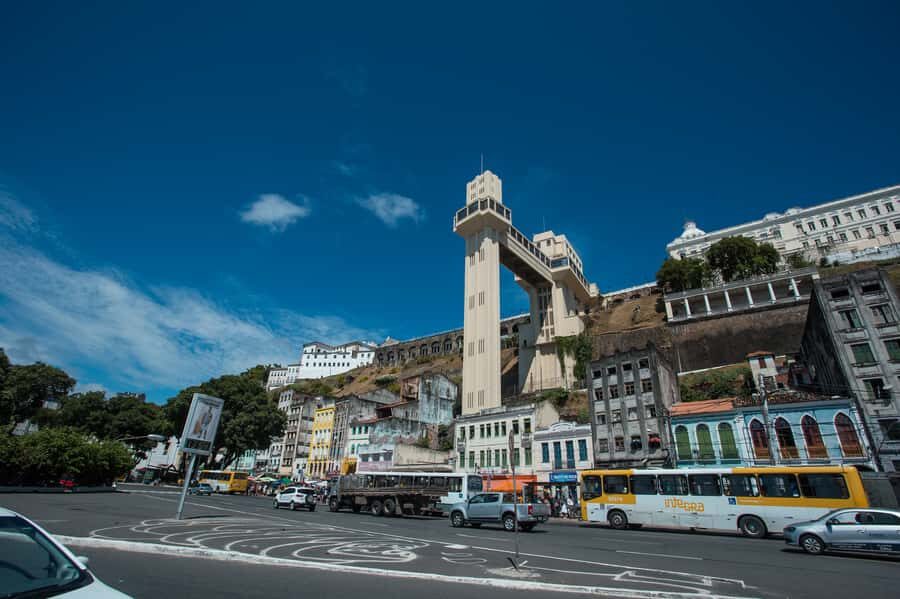
This part of the route is where you learn what Salvador looks like when you’re not just in photo-card territory. The tour describes this zone as the modern part of the city, with towering buildings and shopping areas functioning as the economic hub.
That context is useful for two reasons:
First, it keeps the tour honest. Salvador isn’t only church facades and cobblestones. It’s also offices, commerce, and everyday city life.
Second, it explains why the older historic sections feel like they’re perched against a backdrop of newer growth.
The drawback here is simple: road travel means less time standing still. If you want long, slow viewing at every stop, you might feel rushed. But as an orientation segment, it’s doing real work.
Municipal Square and the Lacerda Elevator: The View You Came For
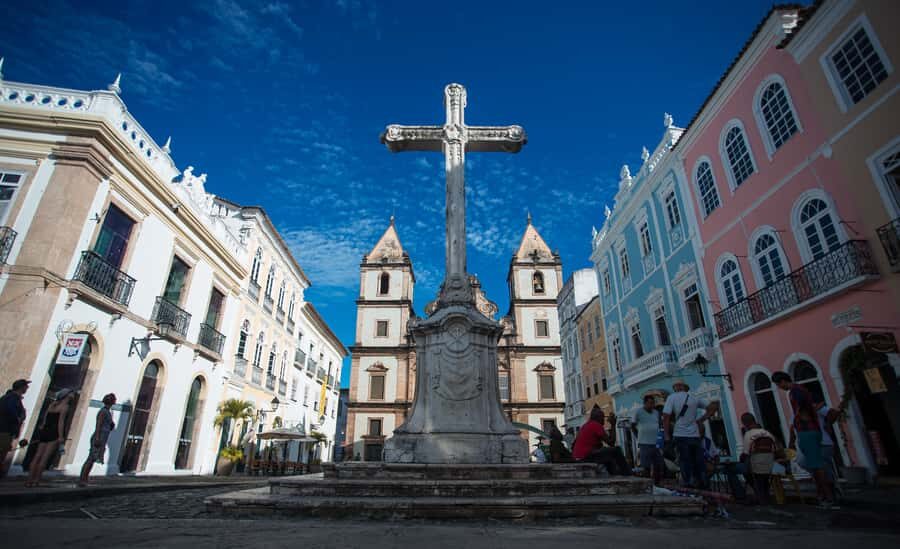
Next you’ll walk through Municipal Square, with stops around Rio Branco Palace and City Hall. This gives you a civic backbone to pair with the religious landmarks later. It’s a good reminder that historic cities are built from more than just monuments; they’re also shaped by government, planning, and public space.
Right beside it sits the Lacerda Elevator, and this is where the tour earns major points. Standing at the elevator’s balustrades, you get a panoramic view of the Bay of All Saints, and the city layers come into focus: you can admire perspectives that include the Upper City, the Lower City, and the streets and houses of Pelô.
I also appreciate how the viewpoint acts like a visual preview. You leave the elevator looking at the area you’ll visit later in more detail. That makes Pelourinho feel less like a random stop and more like a place you already understand in 3D.
Terreiro de Jesus: Cathedral Basilica of the Savior and the Franciscan Stop
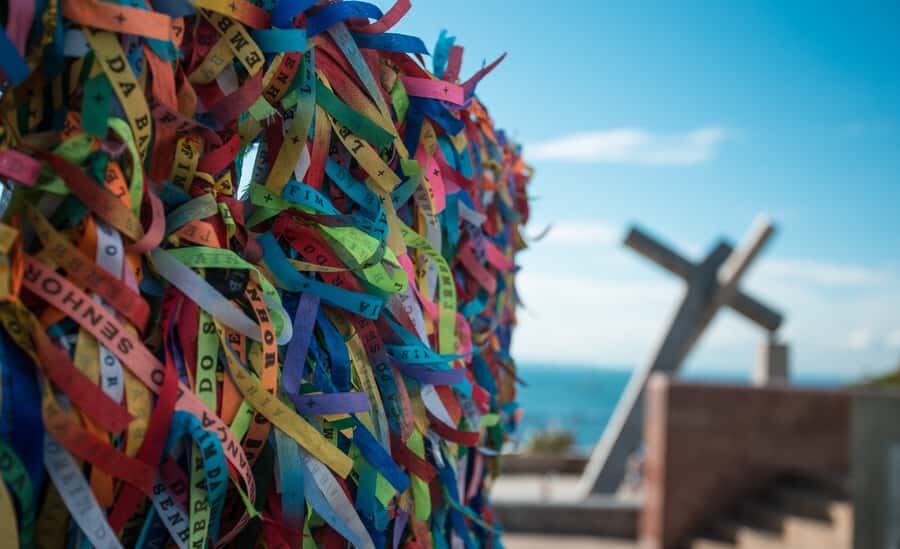
After the elevator viewpoint, the tour continues toward Terreiro de Jesus, where the tour includes the Cathedral Basilica of the Savior. This stop matters because it anchors the religious significance of the area, not just through the building, but through the setting. Terreiro de Jesus is the kind of public space where the architecture feels like it belongs to the neighborhood’s rhythm.
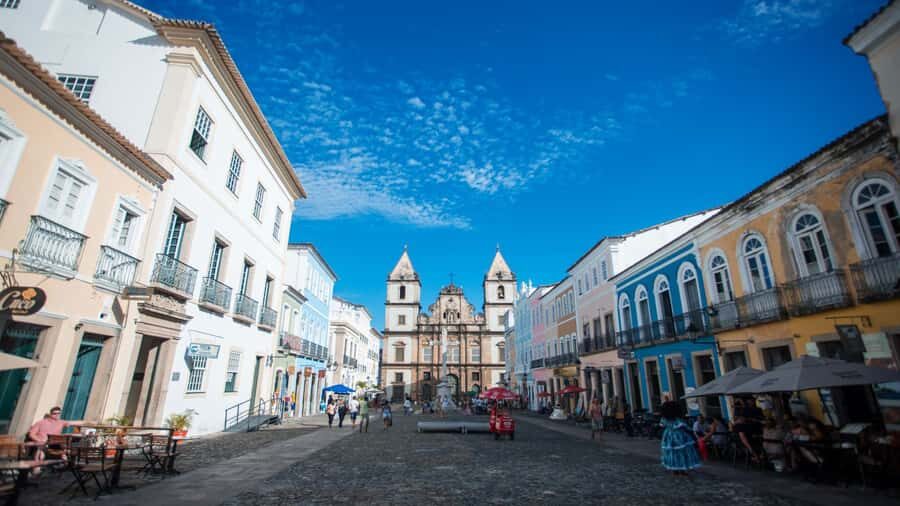
Then you’ll visit St. Francis Church, highlighted for being one of Brazil’s wealthiest churches and for its Portuguese Baroque architecture. That’s a strong pairing: baroque Portuguese design is often about dramatic form and lavish detail, so the church visit is your shift from city panorama to artistic intensity.
One practical note: baroque churches are often visually dense. If your time inside is limited, you might not absorb everything at once. In that case, I’d focus on what you can see quickly: the overall design energy, how the structure frames the interior, and the standout decorative elements.
You can also read our reviews of more historical tours in Salvador Brazil

Pelô and Largo do Pelourinho: UNESCO Streets and Jorge Amado
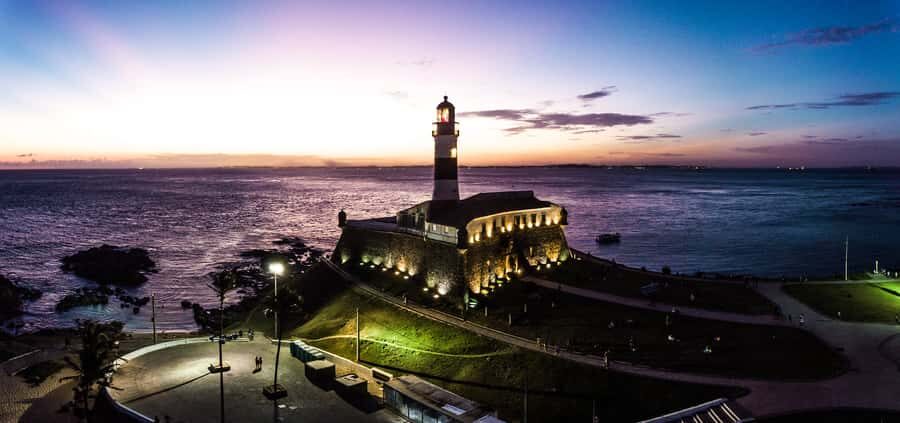
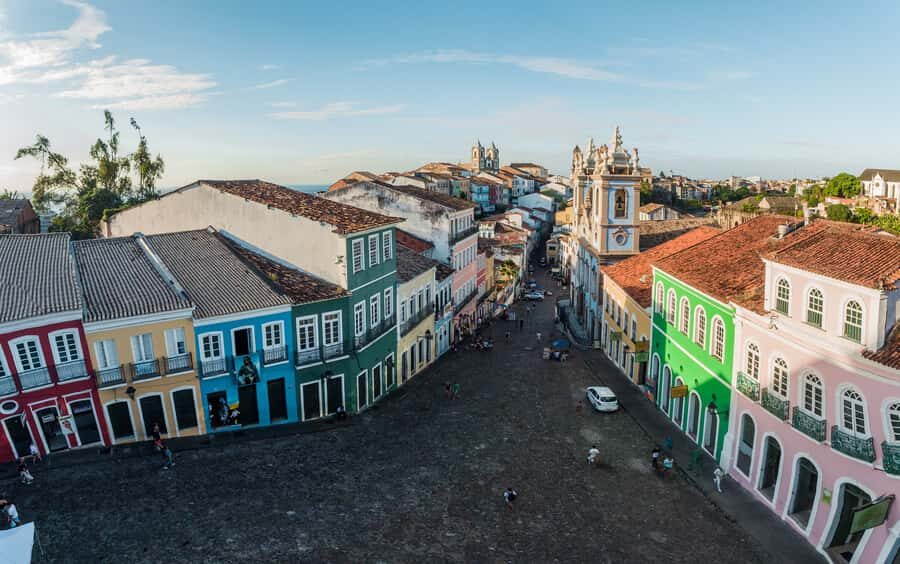
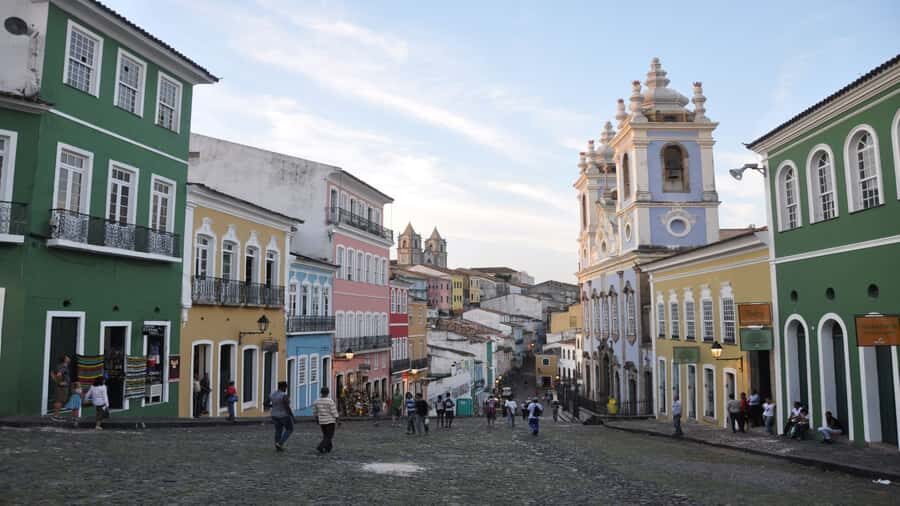
The tour finishes at Largo do Pelourinho, a colorful square that connects colors, cultures, and local history. This is also where the UNESCO World Heritage angle becomes tangible, because Pelô is about the living streets around historic structures.
You’ll also hear the literary link: Jorge Amado is associated with Pelourinho in a lasting way, which adds another layer to your walk. Even if you’re not a longtime Amado reader, the mention helps explain why the area is more than just a tourist zone.
When the tour ends, you’re taken back to your hotel. That’s convenient because Pelourinho is one of those areas where you might want to keep exploring on your own. Having the transport set up avoids the stress of figuring out what comes next right after your guided portion.
Language and Group Management: How to Protect Your Experience
This is the part you should treat like an insurance check.
On paper, the tour includes a live guide in English/Spanish/Portuguese, and the activity info also points to Spanish/Portuguese specifically. Still, one reported issue was that a Spanish reservation group ended up mainly with Portuguese during the tour, which left Spanish speakers feeling left out and with less understanding of what they were seeing.
There’s another separate reported issue that you’ll want to watch for on the ground: during the climb up to the Lacerda Elevator, the group reportedly scattered, and the guide Painho reportedly did not reunite everyone as expected. In that case, the communication reportedly became tense, and a few people ended up feeling poorly handled.
I can’t predict how your day will go, but you can reduce your risk:
- If language matters, confirm ahead of time what language you’ll actually hear on the tour.
- During elevator transitions and crowded sidewalks, stay within arm’s reach of your guide, not just within sight.
- If you have kids or slower walkers in your group, mention it at the start so the pace is realistic.
A tour with a 3.6 rating out of 17 reviews tells you the experience is good for many people, but it’s not uniformly perfect. Your best move is to show up prepared for both the highlights and the small operational quirks that can happen on a short schedule.
What to Bring (So You Enjoy Every Step)
This tour is built for walking plus short transfers, so your comfort directly affects your enjoyment.
Bring:
- Passport or ID card
- Comfortable shoes
- Comfortable clothes
I’d also wear clothing that can handle sun and shade changes because you’ll be outdoors at several points—especially around viewpoints and the Pelourinho area.
Since lunch and beverages aren’t included, plan your timing. If you’re touring mid-day, a small snack and water before the tour starts can prevent that late-afternoon “I’m fine until I’m not” feeling.
Who Should Book This Tour, and Who Might Skip It
This tour is best for:
- First-timers in Salvador who want orientation fast
- Travelers who like a structured route connecting Upper City, civic squares, churches, and Pelô
- People who value a big viewpoint moment at the Lacerda Elevator
- Visitors staying for a short time who want the main highlights without planning transfers
You might want to skip or switch plans if:
- You need a long time inside sites and hate drive-by viewing
- You’re counting on a specific guide language and won’t be flexible if the group mix shifts
- You want a slow, in-depth history lecture rather than a guided sprint through the essentials
Should You Book the Historic City Tour in Salvador?
I think you should book if you want a high-return first day: clear city structure, standout panoramas, and iconic landmarks like Terreiro de Jesus, St. Francis Church, and Largo do Pelourinho. For the price, the combination of hotel pickup/drop-off and a guided route is a strong deal.
I’d book with eyes open: the tour is short, so pacing matters, and language can be a make-or-break detail. If you confirm what language you’ll hear and you stay close to the group during transitions, you’ll set yourself up for a smooth experience.
If you want, tell me your travel month and whether you prefer Spanish or Portuguese. I can help you plan a realistic day around this 4-hour slot.
FAQ
How long is the Historic City Tour in Salvador?
The tour duration is 4 hours.
What does the tour cost?
The price is $24 per person.
Do I get hotel pickup and drop-off?
Yes. Hotel pickup and drop-off are included, and pickup is described as from centrally located hotels in Salvador.
What languages will the guide speak?
A live guide is included, with languages listed as English/Spanish/Portuguese, and the activity specifically notes Spanish and Portuguese.
Is lunch included?
No. Lunch is not included, and beverages are also not included.
What major places does the tour visit?
You’ll visit stops including Barra Lighthouse, Municipal Square with nearby civic buildings, Lacerda Elevator for a bay panorama, Terreiro de Jesus with the Cathedral Basilica of the Savior, St. Francis Church, and the Largo do Pelourinho area in Pelô.
Where does the tour end?
The tour concludes at Largo do Pelourinho, then you’re returned to your respective hotels.
What should I bring?
Bring your passport or ID card, and wear comfortable shoes and comfortable clothes.
When will I know my exact pick-up time?
The exact pick-up time is provided after booking.
Is free cancellation available?
Yes. You can cancel up to 2 days in advance for a full refund.