REVIEW · SALVADOR BRAZIL
Salvador: Anthropological City Tour with Lunch IN 6 HOURS
Book on GetYourGuide →Operated by Your Tour Brazil · Bookable on GetYourGuide
Salvador hits harder when you follow the roots. This 6-hour tour is built around African heritage in everyday life, from UNESCO-listed Pelourinho to Yoruba candomblé spaces, plus a lunch that’s more than food. I love how the day connects places you see on a map with the people and traditions that kept going—especially African culture in Bahia.
What I like most are two things: first, the guided stops that explain what you’re looking at instead of just pointing and moving on (Pelourinho and the Afro-Brazilian Museum style of storytelling). Second, the lunch in Garcia, where you get feijoada served in a community setting with decades of tradition behind it.
The only real drawback to plan around is the pace and physical reality: you’ll be out for a full 6 hours with multiple photo stops, and it’s not wheelchair accessible. If you need slower or fully flat movement, this might feel too tight.
In This Review
- Key things to look forward to
- A 6-Hour Taste of Salvador Through African Roots
- Small-Group Size and Guides: Why the Day Feels Personal
- Start in Pelourinho and the Afro-Brazilian Museum
- Dique do Tororó and Photo Stops That Explain City Geography
- São Joaquim Market: Food, Heritage, and Everyday History
- Old Port Arrival Sites and the Slave Market Area
- Ile Iya Axe Nasso Oka: Candomblé, Yoruba Roots, and Matriarchy
- Rio Vermelho’s Queen of the Sea House and Iemanjá
- Lunch in Garcia: Homemade Feijoada with a Family Legacy
- Price and Logistics: Is $150 Worth It?
- Who This Tour Fits Best (and Who Might Skip It)
- Should You Book This Salvador Anthropological Tour?
- FAQ
- FAQ
- How long is the Salvador anthropological city tour with lunch?
- How big is the group?
- What is included in the price?
- Are drinks included with lunch?
- Does the tour offer vegetarian options?
- What languages are offered for the live guide?
- Where does pickup happen?
- Is the tour wheelchair accessible?
- Is hotel drop-off included?
- What is the cancellation policy?
Key things to look forward to
- Small group of up to 4 means you can actually ask questions.
- UNESCO Pelourinho plus an Afro-Brazilian Museum stop for context, not trivia.
- São Joaquim Market and the old port area connect food and history to African arrivals.
- Yoruba-origin candomblé at Ile Iya Axe Nasso Oka, with a focus on matriarchy and tradition.
- Rio Vermelho and Iemanjá at the Queen of the Sea house by the fishermen community.
- Lunch in Garcia with homemade feijoada in a Black community with long-standing heritage.
A 6-Hour Taste of Salvador Through African Roots
This tour is designed for people who want Salvador to make sense. Not just the colors and views, but the “why” behind the city’s rhythms—religion, markets, neighborhoods, and memory.
You’ll start in the historic core around Pelourinho, then keep moving into areas that show how the city changed around territories shaped by enslaved-descendant communities. The goal is to help you read the city like a living document: every stop ties to African traditions preserved through centuries of struggle and cultural survival.
And yes, you do get some classic photo moments. But the photos are the easy part. The real payoff is learning what the places mean and how the stories still show up in daily life.
You can also read our reviews of more city tours in Salvador Brazil

Small-Group Size and Guides: Why the Day Feels Personal
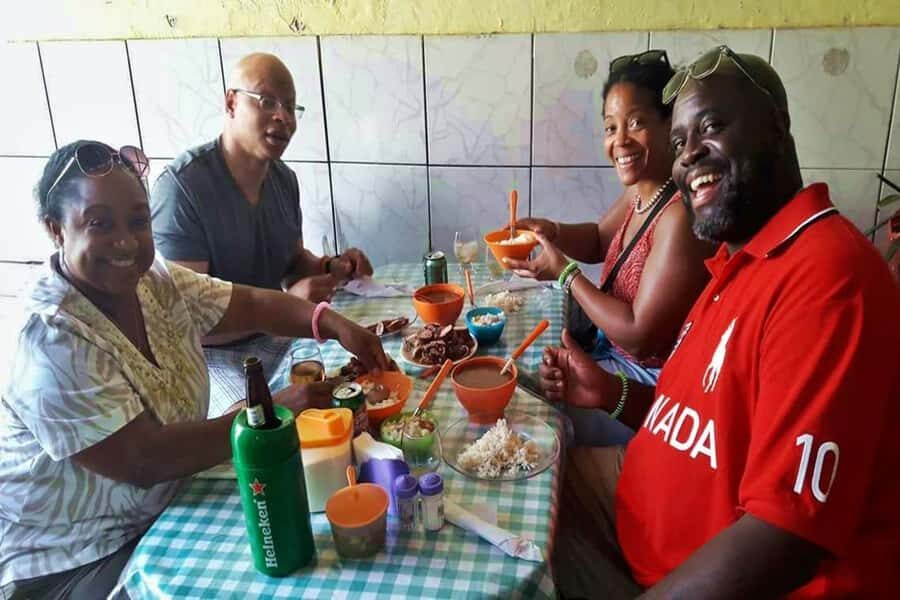
Group size is limited to 4 participants, and that matters in a tour like this. When the guide isn’t racing through a crowd, you get time to ask follow-up questions. You can also hear the details that get lost in bigger groups.
The day is led by a live professional guide, available in several languages (including English, Portuguese, French, Italian, and Spanish). Past guests have highlighted guides such as Fernando, Mônia, and D. Maria for deep knowledge and friendly delivery, with the kind of explanations that make the city feel personal instead of distant.
If you care about cultural context, this is one of those tours where your guide becomes the main character. When the guide is good, the same streets hit differently.
Start in Pelourinho and the Afro-Brazilian Museum
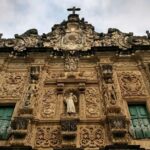
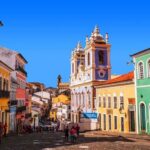
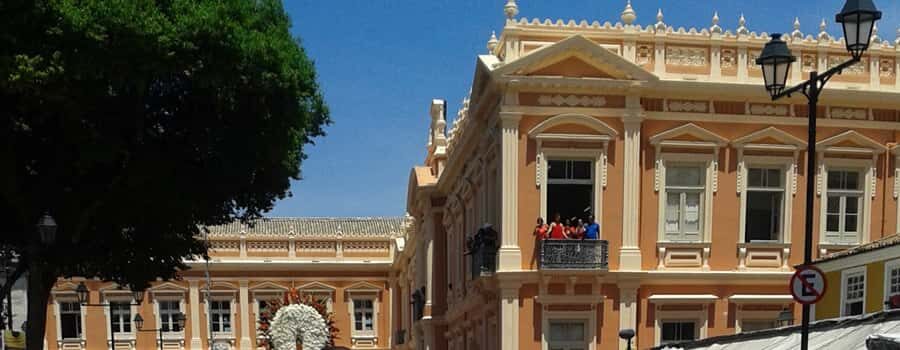
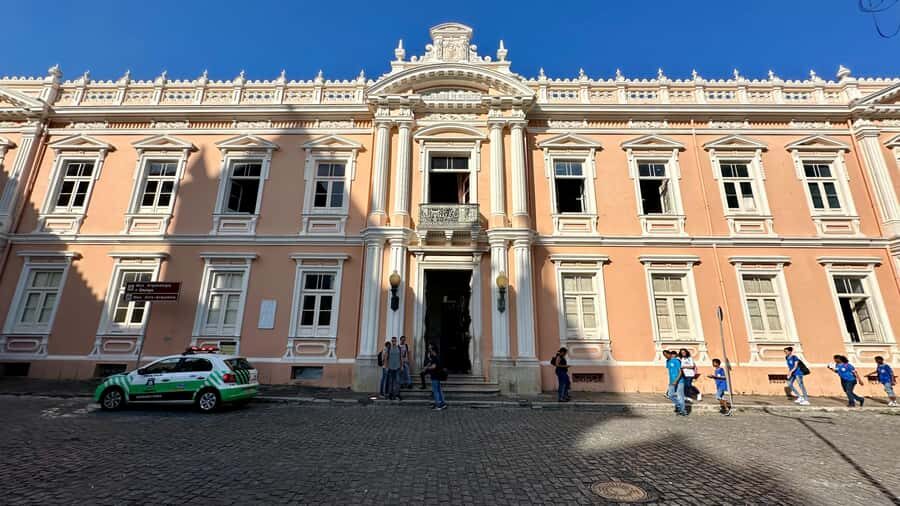
Pelourinho is the kind of place you’ve probably seen in photos. This UNESCO World Heritage Site is also where Salvador’s layered history becomes visible fast—architecture, street life, and the ongoing presence of Afro-Brazilian culture.
A key part of the early experience is the Afro-Brazilian Museum stop. You’re there for a reason: to understand the history of Black people and the legacy that shaped the city. It’s not presented like a lecture you’re meant to survive. The best tours treat museum time like setup for what you’ll see outside the walls, and this route does that.
You’ll also get guided time and photo stops, so you can balance learning with actually soaking in the streets. The timing is short enough to keep energy up, but long enough that you don’t feel like you’re just getting transported between highlights.
Dique do Tororó and Photo Stops That Explain City Geography
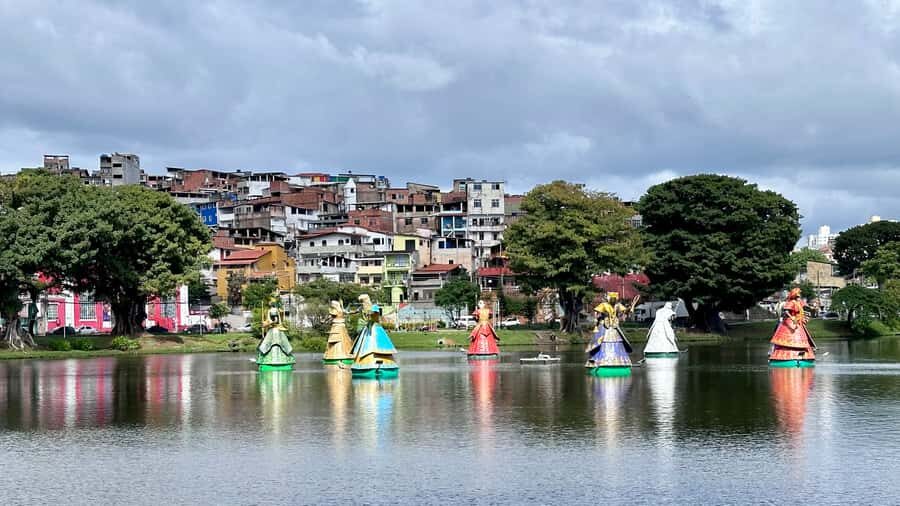
Between the major cultural anchors, you’ll make a series of photo stops with guided explanation. One named stop is Dique do Tororó, a standout area that gives you a different side of Salvador than the colonial-styled streets.
This is also where the tour’s “anthropological” angle shows itself in a practical way. You’re not only seeing landmarks. You’re watching how the city’s look and feel shifts as you move through different neighborhoods and community spaces.
The tour highlights the chance to see native wildlife in its natural environment. It doesn’t promise a zoo moment. Instead, it encourages you to look around like a local—quietly, patiently, and with your eyes open.
If you’re the kind of person who likes learning by orientation (where you are and why it matters), these photo-and-explain stops are a big part of why the day works.
São Joaquim Market: Food, Heritage, and Everyday History
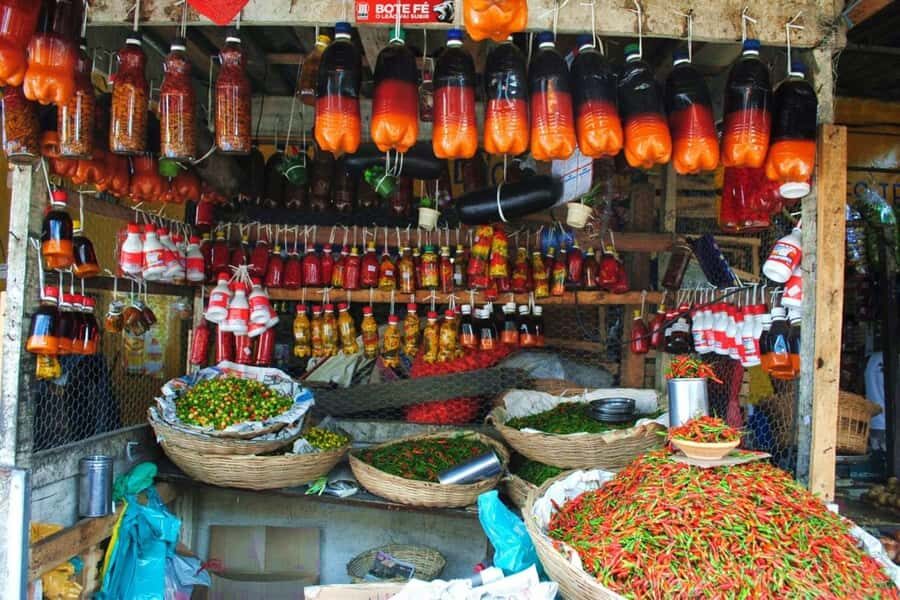
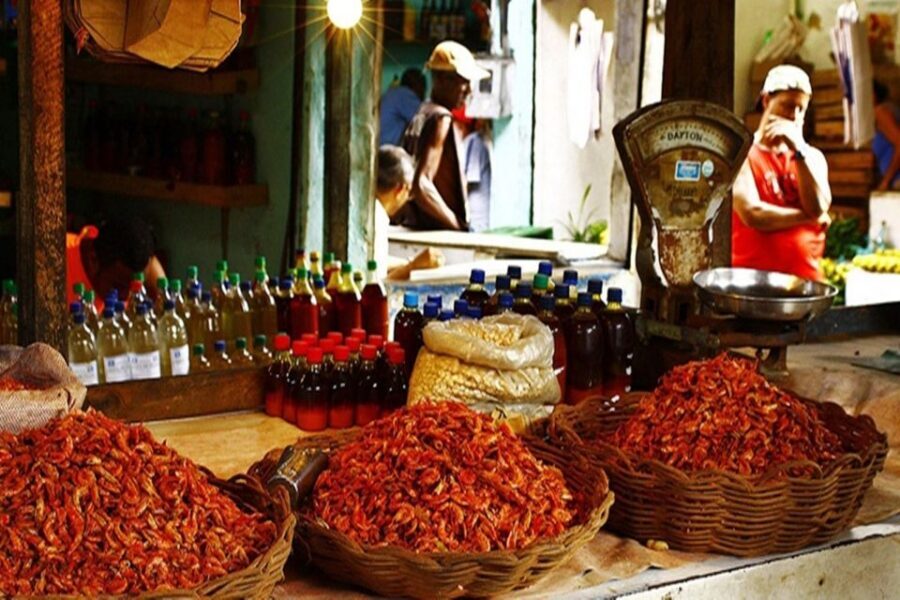
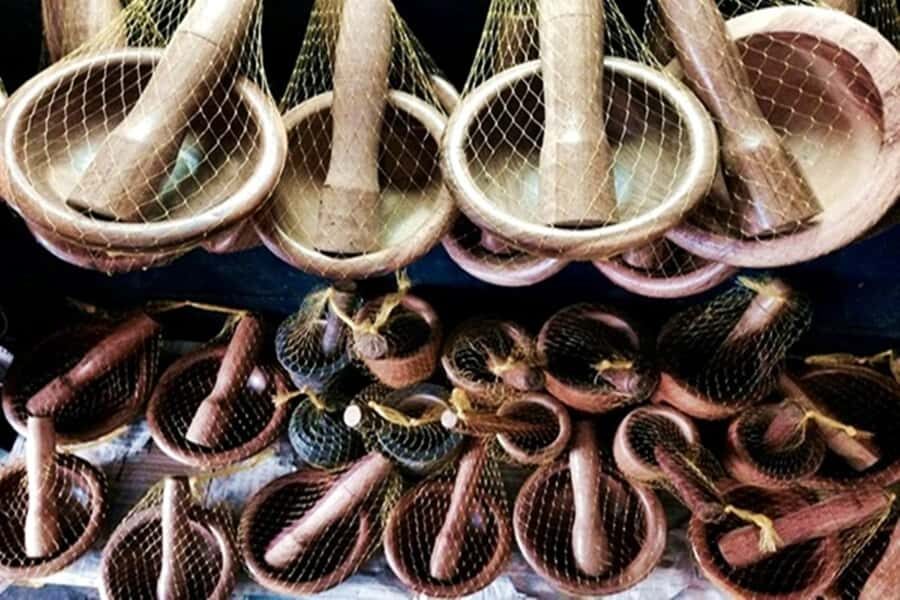
When you reach the São Joaquim Market, you’re stepping into a place with a story attached to it: it’s listed as an intangible heritage of Brazil, and it was founded by enslaved Africans in the 19th century.
That’s a heavy fact. But the point here isn’t just weight—it’s connection. Markets are where history becomes practical. You see what people buy, how they move, and how food culture continues even when the origins are tied to brutality and displacement.
This stop is guided and includes time to look around. You’ll likely notice that the market isn’t just a tourist prop. It’s still functioning as a social space, which makes it one of the most “you can’t fake this” moments of the day.
If you enjoy photography, this is also the kind of place where the best shots aren’t posed. They’re about timing: hands, textures, faces, and everyday motion.
A few more Salvador Brazil tours and experiences worth a look
Old Port Arrival Sites and the Slave Market Area
Next comes a shift in tone, and it’s an important one. The tour visits the old port area where Africans originally arrived, plus a slave market site.
This isn’t the sort of stop where you can skim and move on. You need the guide’s framing to connect the geography to the human reality. The purpose is to show how enslaved people were processed through systems tied to arrival and trade—and how those historic layers shaped the city.
It can be emotionally intense. But if you want to understand Salvador beyond the postcard version, these stops are where the story becomes real.
A practical tip: if you’re sensitive to heavy history, pace yourself. Give your brain a moment between sites, and don’t feel bad if you need a minute to regroup before the next photo stop.
Ile Iya Axe Nasso Oka: Candomblé, Yoruba Roots, and Matriarchy
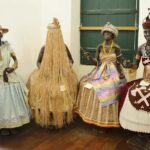
One of the most distinctive parts of the tour is the candomblé visit: the first terreiro of Yoruba origin founded in the new world, Ile Iya Axe Nasso Oka.
This stop matters for two reasons. First, it connects the idea of African traditions preserved through centuries of struggle directly to a living religious space. Second, it highlights matriarchy and lineage within the tradition, which adds nuance you won’t get from a purely general overview.
The tour is guided, so you’re not just seeing a building and moving on. You’re learning about religious traditions in Bahia and the way they survived, adapted, and continued to provide meaning and structure for communities.
You’ll want to be respectful here. Even if you come with curiosity instead of belief, your role as a visitor is to observe thoughtfully. This is the kind of place where good behavior is part of the experience.
Rio Vermelho’s Queen of the Sea House and Iemanjá
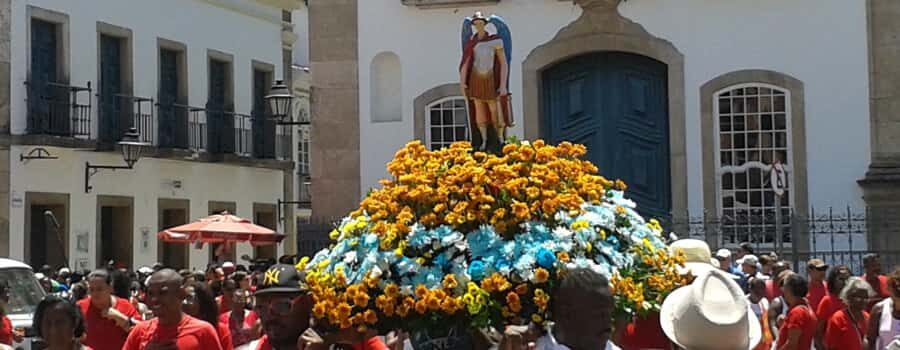
From there you head toward the coast at Rio Vermelho, to a fishermen community with an altar dedicated to Iemanjá, the African divinity associated with the sea.
The tour describes it as the Queen of the Sea house, and it’s a powerful contrast: inland streets and market history on one side, and the ocean’s presence on the other. For many people, this is where the tour’s theme clicks. You stop thinking of African heritage as something stored in museums, and you start seeing it as something people keep practicing in daily life and community ritual.
There’s also context about a major annual ceremony in honor of an African orixá on February 2nd, which gathers more than 400,000 people. You may not be there for that exact date, but learning that the tradition scales up like that helps you understand how real and ongoing it is.
If you want photos, the beachfront area tends to give you strong visuals. If you want understanding, the guide’s explanation is what turns the scene into meaning.
Lunch in Garcia: Homemade Feijoada with a Family Legacy
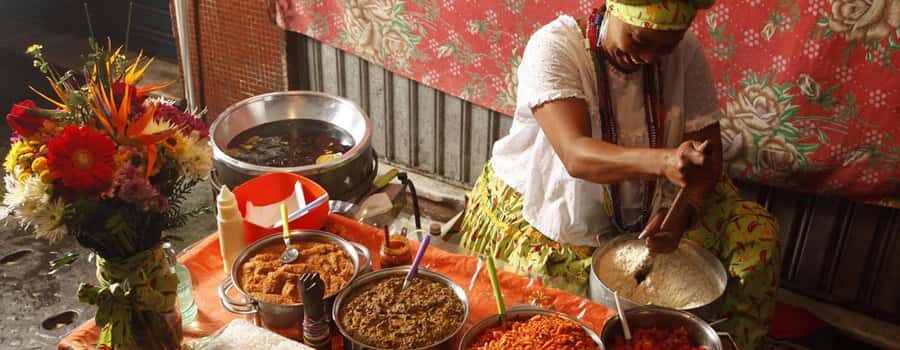
Then comes the part you’ll remember for your stomach as well as your brain: lunch in a Black community in the Garcia neighborhood.
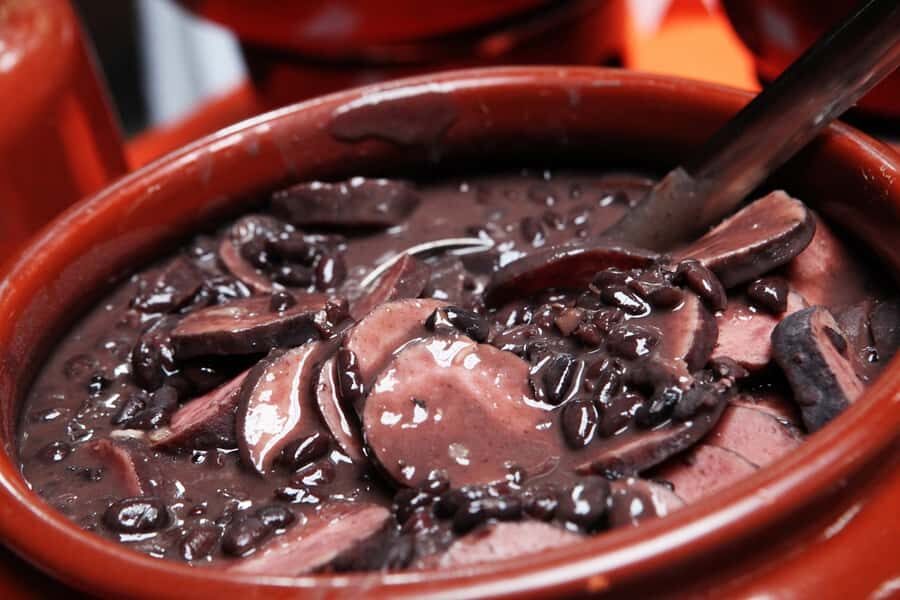
You’re served feijoada, described as homemade and prepared in the company of a family with more than 50 years of tradition. This isn’t a buffet stop meant to keep tourists happy. It’s a community lunch designed to share culture, not just calories.
And this is where the best guide can really make the experience. Guests have specifically praised guides like Fernando and D. Maria for making the lunch feel like something you’re invited into, not forced to consume.
A practical note: drinks aren’t included. If you like soda or juice with your meal, plan to purchase separately.
Also, if you have dietary needs, there’s a vegetarian option available. You’ll want to mention it at booking time, along with any specific dietary requirements.
Price and Logistics: Is $150 Worth It?
At $150 per person for 6 hours, you’re paying for more than transport. You’re paying for focused guiding in multiple culturally meaningful places, plus entrance fees and hotel pickup and drop-off.
The small group size helps justify the price because it protects your attention span and your ability to ask questions. With only up to 4 participants, the guide can tailor pacing a bit, and you’re less likely to feel like you’re standing in the way of someone else’s schedule.
You’re also getting lunch included, which is often where value quietly improves. If you’d otherwise pay for guided entry tickets, local transport, and a solid meal separately, the math starts to look more reasonable.
So, is it a bargain? It depends on how you travel. If you enjoy learning with a guide and want structure, it’s a strong deal. If you prefer freewheeling without explanations, you might feel the cost more than the benefit.
Who This Tour Fits Best (and Who Might Skip It)
This is a good fit if you:
- Want a guided overview that connects history, religion, and everyday life.
- Enjoy museums and markets when they come with context.
- Care about Yoruba-origin candomblé traditions and what they mean in Bahia.
- Like small groups and asking lots of questions.
It’s not a great fit if you:
- Need wheelchair accessibility, because the tour isn’t wheelchair accessible.
- Prefer slow, low-walking sightseeing without multiple stops and photo periods.
- Want a purely relaxing day at the beach with minimal history.
If you’re the type who likes to understand a place deeply but still wants it organized, this route usually hits the sweet spot.
Should You Book This Salvador Anthropological Tour?
If Salvador is on your list and you want more than the surface version, I’d book this. The biggest reason is the balance: Pelourinho and museum context early on, market and port sites that connect food and history, and then living religious culture through candomblé and Iemanjá at Rio Vermelho. That combination is harder to assemble on your own without missing the meanings.
Also, the lunch angle is real value. Feijoada served in a Black community setting, with family tradition behind it, is the kind of experience that sticks.
Before you go, consider one thing: you’ll be out for 6 hours with a structured route and multiple guided segments. If you can handle that, you’ll get a day that feels cohesive instead of random.
FAQ
FAQ
How long is the Salvador anthropological city tour with lunch?
The tour lasts 6 hours.
How big is the group?
It is a small group limited to 4 participants.
What is included in the price?
Entrance fees, lunch, the driver/guide, a professional guide, and hotel pickup and drop-off are included.
Are drinks included with lunch?
No. Drinks are not included.
Does the tour offer vegetarian options?
Yes. A vegetarian option is available if you advise at booking time.
What languages are offered for the live guide?
The live tour guide is available in Spanish, English, French, Italian, and Portuguese.
Where does pickup happen?
Pickup is included from your hotel lobby in Salvador.
Is the tour wheelchair accessible?
No, it is not wheelchair accessible.
Is hotel drop-off included?
Yes, you’ll be dropped back at your starting area in Salvador.
What is the cancellation policy?
Free cancellation is available up to 24 hours in advance for a full refund.